
DDP Shipping and Import Duties FAQ: Know Your Landed Cost
DDP Shipping and Import Duties FAQ
The supplier quote is rarely the real price of your wholesale order. The landed cost, what actually lands in your hands, includes product, freight, insurance, customs duty and handling. New importers get burned here: a quote that looks cheap turns out to be 25 percent higher once duties and brokerage arrive. This FAQ explains DDP shipping, how duties work on stainless steel jewelry, and how to avoid the surprise bill that kills your margin.
DDP versus DAP: who pays what
The two shipping terms you will see most are DDP and DAP. Under DDP (Delivered Duty Paid), your supplier handles everything and the price they quote is the price you pay to your door, including duty. Under DAP or FOB, you pay the freight to the border, then you or your broker handle customs, duty and local delivery separately. DDP costs a little more per parcel but removes risk and surprise bills. For small and mid-sized jewelry orders, DDP is usually worth it.
How duty is calculated on jewelry
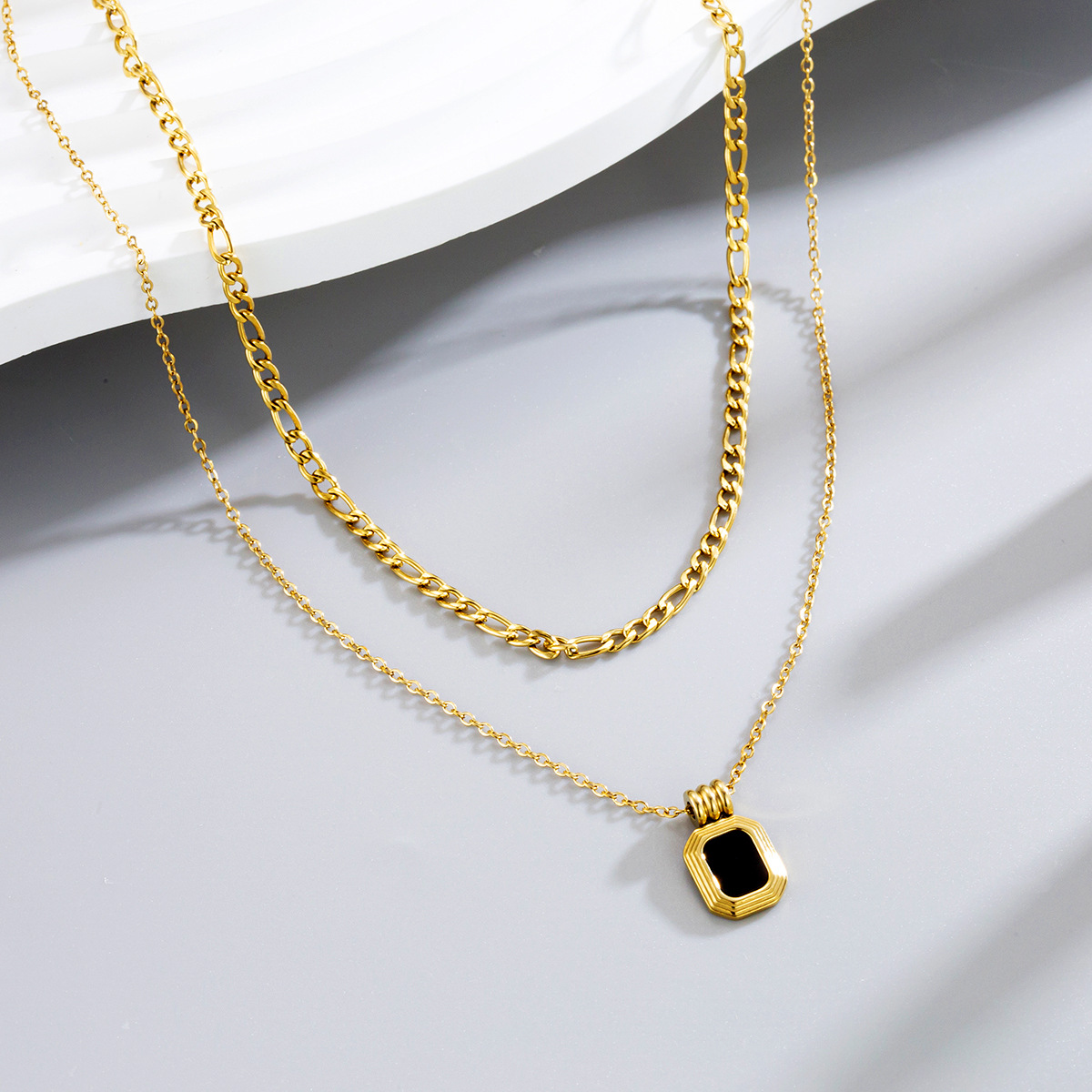
Import duty is usually a percentage of the declared customs value, not of your retail price. Stainless steel jewelry rates differ by country and HS code, commonly ranging from around 4 to 12 percent depending on the item and destination. The value is the product cost, plus freight to the border in some regimes. Under-declaring the value is a bad habit: it risks seizure, fines and delayed stock, and it is simply not worth the small saving.
| Shipping term | Duty paid by | Predictability | Best for |
|---|---|---|---|
| DDP | Supplier, included in quote | High, fixed cost | Small orders, new importers |
| DAP / FOB | You, at destination | Medium, varies | Experienced importers, large orders |
| Express courier | Courier often clears it | High | Sample and small restock |
Building your real landed cost
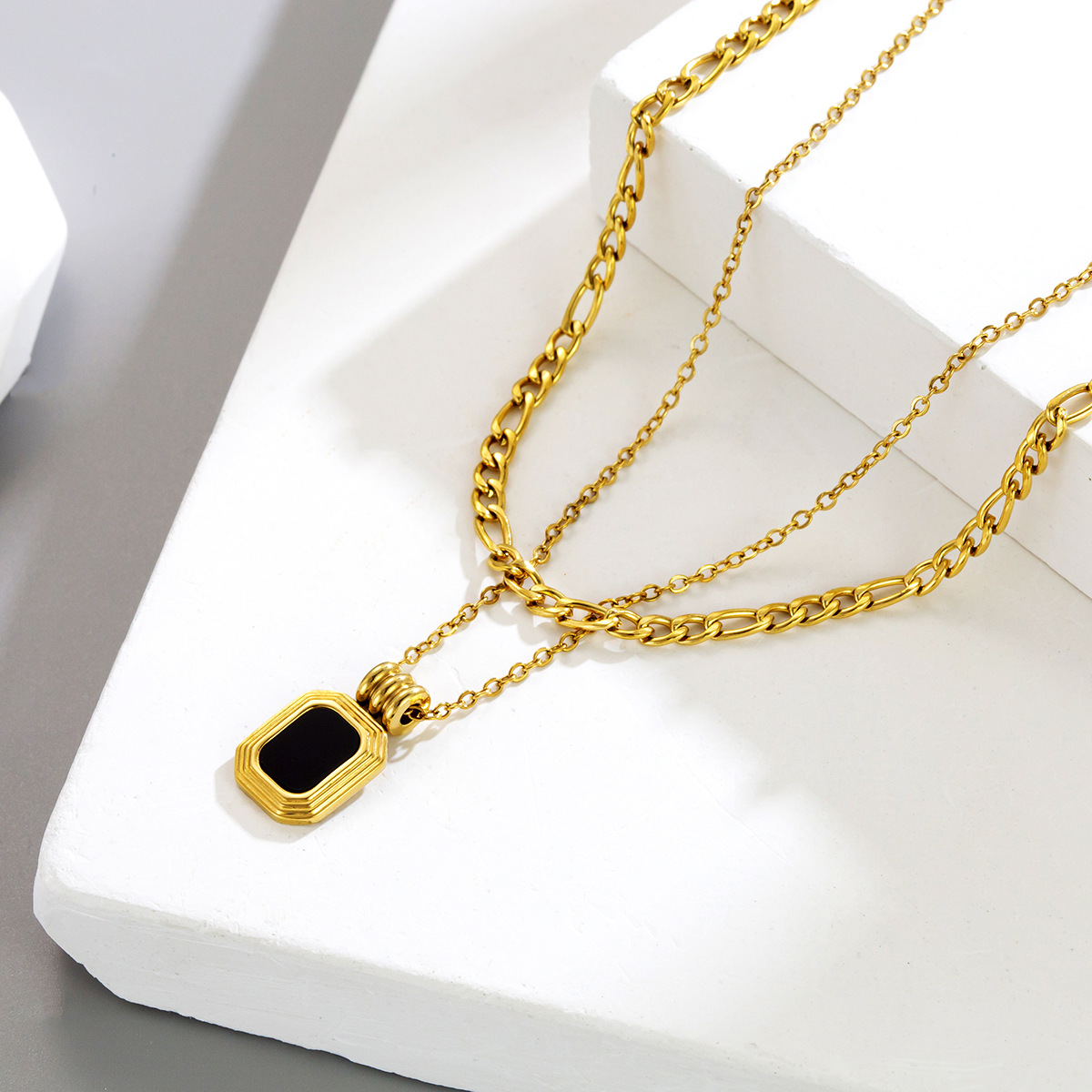
Pricing mistakes start when you compare only the unit price. Add up: unit cost, freight per unit, duty (estimated percentage), customs brokerage or handling, and payment fees. If a necklace costs $5 ex-factory and duty plus freight adds $1.50, your real cost is $6.50, and your retail markup should be built on that number. Run this math per order, because freight rates and fuel surcharges shift. Low-MOQ suppliers who ship by express often quote DDP and already folded duty in, which simplifies your life.
Common surprises and how to avoid them
The most common shock is the courier calling to say a parcel arrived and duty plus a processing fee must be paid before release. That happens on DAP shipments. The fix is to choose DDP on small orders, and on larger sea shipments, work with a broker who gives you a landed-cost quote in advance. Keep an eye on de minimis thresholds, the order value under which no duty is charged; they change by country. If you split orders to stay under threshold, be careful, repeated split shipments can draw attention.
Before you confirm any PO
Ask: DDP or not? Estimated duty rate? Transit days? Who is the broker? What does the delivered price look like per unit? Five questions, total cost known.Frequently asked questions
What does DDP actually mean?
Delivered Duty Paid means the seller handles export, international freight, import customs and duty, and delivers to your door. You pay one agreed price and nothing else. It is the most predictable option for small jewelry buyers.
How much import duty is there on stainless steel jewelry?
It varies by country and HS code, commonly roughly 4 to 12 percent of the declared value for steel jewelry. Your supplier or broker can quote the exact rate for your destination. Build it into your landed cost, do not guess.
Should I choose DDP or FOB?
If you are new or order small, choose DDP. The small premium removes surprise bills and brokerage hassle. FOB saves money per unit only when you ship large volumes and already have a broker and process in place.
What if my parcel is held at customs?
Usually it means duty or a processing fee is pending. The courier or broker contacts you. Pay the fee with the paperwork they provide, and keep the receipt. For repeated holds, switch to DDP to let the supplier manage it.
Is it cheaper to under-declare the value?
No. Under-declaration risks fines, seizure, or the parcel returned. It also ruins your supplier relationship. The duty on affordable stainless jewelry is small; the risk is not worth it.
What is the de minimis threshold?
It is the order value below which most countries waive duty and tax. It differs by country and changes over time. Small orders often sit under it, which is part of why express shipping on low-MOQ buys works well.
Does payment processing add to landed cost?
Yes. Wire or credit card fees, and sometimes currency conversion, add a few percent. Add them in, along with any packaging and labeling costs, before you decide the real margin on a style.
How long does DDP delivery take?
Express DDP often lands in 5 to 10 business days. Sea freight DDP can take 4 to 8 weeks including clearance. Ask the supplier for the typical door-to-door time for your country before ordering, especially for holiday stock.
Bottom line
Always price from landed cost, not the ex-factory number. On small jewelry orders, DDP removes the biggest surprise in importing. Ask the five questions, get the delivered per-unit price, and your margin math finally becomes real.
- Company Info
- Feedback
- Customer Reviews
- About Us
- Dropshipping
- FAQ
- Jewelry Wholesale Blog
- User Center
- Forget Password
- My Orders
- Tracking Order
- My Account
- Register
- Payment & Shipping
- Terms And Conditions
- Return Policy
- Shipping Methods
- Payment Methods
- Discount