
Factory vs Trading Company FAQ: Source Jewelry Direct
Factory vs Trading Company FAQ
"Are you the factory or a trading company?" It is the first question experienced wholesale buyers ask, and it matters more than most new buyers realize. The supplier you choose changes your price, your lead time, your flexibility on customization, and how a problem gets fixed when something goes wrong. This FAQ breaks down what a factory and a trading company actually do, who wins on what, and how to tell which one you are really talking to before you place a deposit.
The real difference
A factory owns the machines, the production line, and the workers who make the piece. They cut, polish, plate and assemble under one roof (or a few close workshops). A trading company does not manufacture. They source from one or more factories, add margin, handle your paperwork, and act as the middle layer. Neither is automatically good or bad. They solve different problems. The mistake is paying factory prices to a middleman, or expecting a trading company to move as fast as a factory on a custom order.
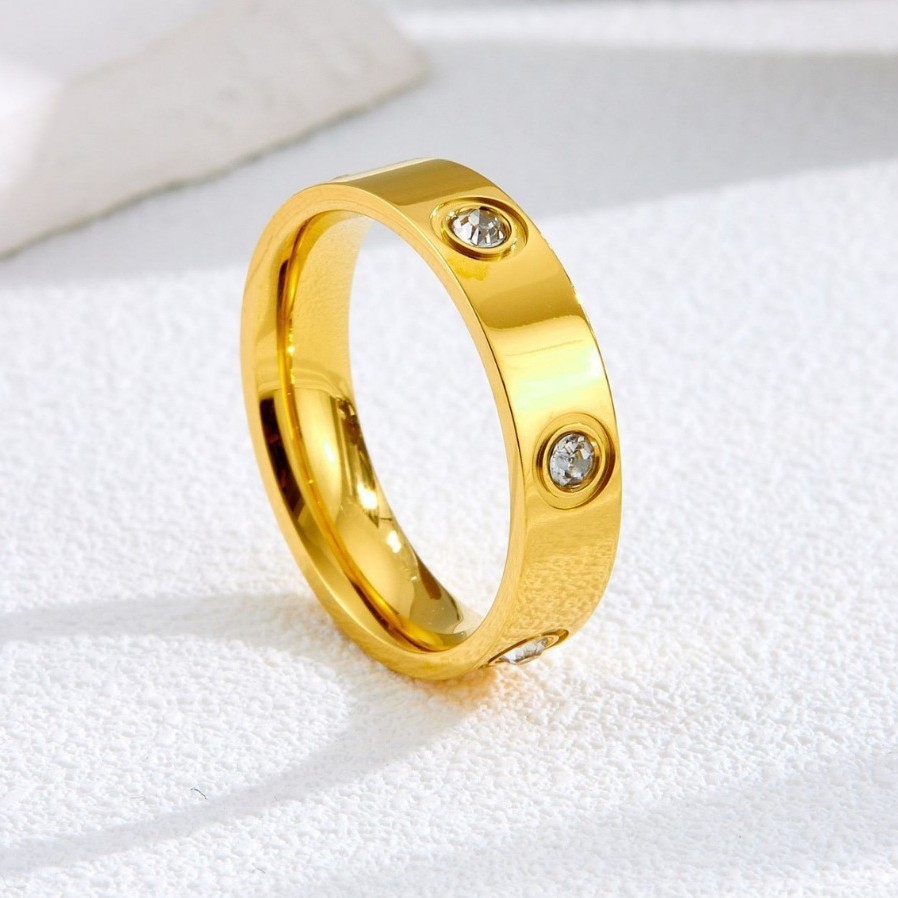
Price, MOQ and lead time comparison
On price, a true factory usually gives you a lower unit cost because there is no middleman margin. But factories often set higher minimum order quantities, because running a line for 50 pieces is not worth their setup. Trading companies can combine your order with other buyers and accept smaller MOQs, which is why they exist. Lead time on stock items is similar either way, but on custom work the factory is faster because there is no handoff.
| Factor | Direct Factory | Trading Company |
|---|---|---|
| Unit price | Lower, no middleman margin | Marked up 10-30% |
| MOQ | Often higher (500+ custom) | Lower, can mix factories |
| Customization | Direct, faster | Slower, more room for error |
| Quality control | On the line, direct | Relies on factory reports |
| Problem solving | Direct to production | Passes messages along |
| Product range | Own category only | Can mix many categories |
When a trading company is actually the better choice
Do not write off trading companies. If you are a new brand ordering $300 to $1,000 a month, a factory may not even reply. A good trading company that already works with reliable factories can give you a one-stop shop: rings from one workshop, chains from another, earrings from a third, all consolidated and shipped together. For a small buyer, that convenience and lower MOQ is worth the extra margin. The problem starts when the trading company marks you up like a factory and hides the fact they are not one.

How to verify who you are dealing with
A few practical checks separate real factories from resellers. Ask for the factory address and whether you can visit or do a live video tour. Check the business license scope, which lists what the company is legally allowed to manufacture versus trade. Ask how long the quote turnaround is and whether they can change a mold on short notice. Real factories know their production capacity by the day. Trading companies often give vague answers like "around two weeks" without detail. And compare the price across three suppliers: if one quote is suspiciously much lower, ask why, and if one is much higher with the same specs, you may be talking to a middleman.
Our position
Showfay has run our own 316L stainless steel workshop since 1998. We stock over 31,000 designs and accept a $150 minimum, which is closer to a factory that learned to serve small buyers, not a pure trading desk.Frequently asked questions
Is it always cheaper to buy directly from a factory?
Usually yes on unit price, but not always on total cost. Factories may charge mold fees, higher MOQs, and stricter shipping terms. A trading company that consolidates your order may actually cost less once you factor in shipping and time. Run the landed cost, not just the unit price.
How can I tell if an Alibaba supplier is a real factory?
Three quick signals. One, their product range is narrow (a ring factory sells rings, not everything under the sun). Two, they share production-line photos and factory audit reports. Three, their staff talks about machines, capacity and materials, not just catalogs. Ask for a live video walkthrough of the workshop.
Do factories really reject small orders?
Many do, especially on custom tooling. A factory running 1,000-piece production runs does not want to handle a 50-piece order. That is exactly why low-MOQ stock suppliers like us exist, we buy in bulk and break it into small wholesale orders for boutiques and online sellers.
What is a fair factory margin vs trading company margin?
Factories work on thinner margins, often 15 to 30 percent above material and labor. Trading companies typically add another 10 to 30 percent on top. If a quote seems high for what you know the product costs, you are probably talking to a middleman.
Can I negotiate with a factory on price?
Yes, but volume is the lever. At 100 pieces the price is set. At 1,000 pieces you have real room, usually 10 to 20 percent off. At sample or first order, focus on quality and reliability rather than squeezing the last dollar. A bad first batch costs more than the discount.
What about quality control if I cannot visit?
Ask for pre-production samples before bulk, then a pre-shipment inspection report with photos of your specific order. For larger orders, a third-party inspection service costs a few hundred dollars and catches most issues before the goods leave the country.
Is DDP shipping from a factory cheaper than a trading company?
Factories often work with the same freight forwarders, so shipping rates are similar. The difference is that experienced suppliers already know the DDP rules for your country, the HS codes, and the duty thresholds, which saves you from customs headaches on the first shipment.
Should I use one supplier or split across factories?
Start with one reliable supplier for consistency in quality and packaging. Once you grow, you can add a second for backup and specific categories. Splitting too early means fragmented QC, multiple shipping costs, and no leverage on either relationship.
Bottom line
The best supplier is not always the cheapest or the one with the fanciest showroom. It is the one whose production model matches your order size, who is honest about what they are, and who fixes problems fast. Know your own volume first, then pick factory or trading company accordingly.
- Company Info
- Feedback
- Customer Reviews
- About Us
- Dropshipping
- FAQ
- Jewelry Wholesale Blog
- User Center
- Forget Password
- My Orders
- Tracking Order
- My Account
- Register
- Payment & Shipping
- Terms And Conditions
- Return Policy
- Shipping Methods
- Payment Methods
- Discount