Jewelry Business Licenses FAQ
Permits, Seller's License, LLC, Insurance, and Legal Setup
Legals Are Boring, but They Protect You
When you are excited about picking pieces and photographing them, paperwork is the last thing you want to do. But selling jewelry without the right setup can bite you. A customer slips on a wet floor at your booth. A parcel goes missing. A supplier ships the wrong stock. The right licenses and insurance turn a disaster into a paperwork problem.
The good news is that starting a small jewelry business is not as heavy as people fear. You usually need a seller's permit, maybe an LLC, and some basic insurance. You do not need a lawyer on day one.
This guide covers what jewelry sellers actually need, what you can wait on, and how to set up cleanly without overcomplicating it.
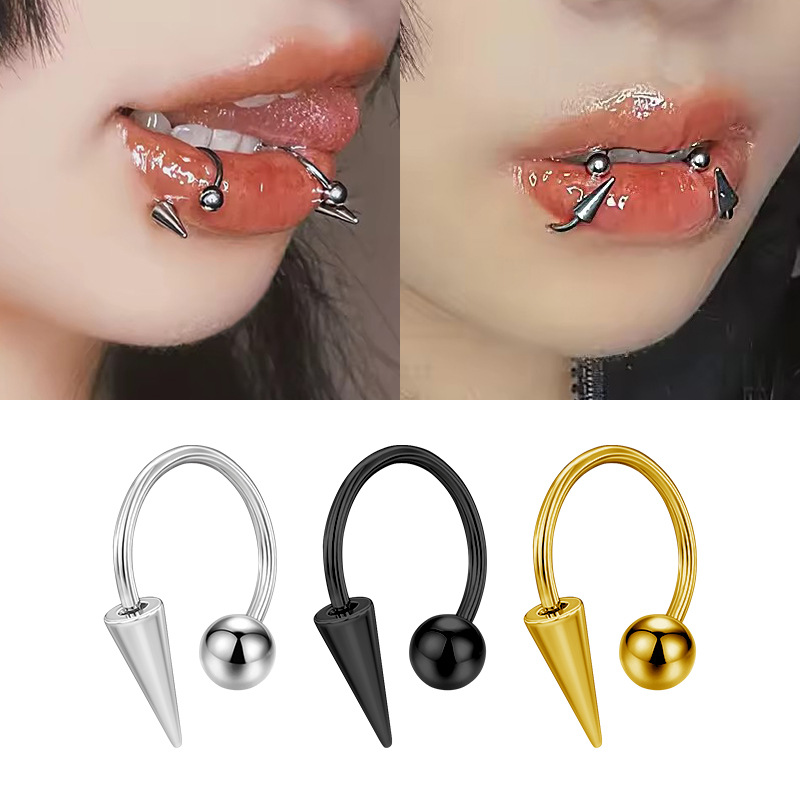
Setup facts: In most US states with a sales tax, jewelry is tangible personal property and taxable. You need a seller's permit before your first sale, whether online, at a craft fair, or in a store. The permit lets you collect sales tax and buy wholesale without paying sales tax on inventory. An LLC costs a few hundred dollars a year and separates your personal assets from business claims. General liability insurance runs a few hundred dollars a year and covers booth accidents. Home occupation permits apply if you work from home. Craft fairs in other states can create sales tax nexus. You do not need a separate jewelry license like a goldsmith license unless you work with precious metals or repair them. Stainless steel fashion jewelry keeps this simple.
The Basics
What licenses do I need to sell jewelry?
Core setup: (1) A business name, or your own name. (2) A seller's permit in your state. (3) A business bank account. (4) Optionally an LLC. (5) Basic liability insurance. (6) A home occupation permit if working from home. (7) DBA if you use a brand name. (8) Resale certificate for buying wholesale. (9) That covers most small sellers. (10) You do not need a jewelry-specific license for selling stainless steel fashion jewelry.
What is a seller's permit and why do I need it?
Seller's permit: (1) It lets you collect and remit sales tax. (2) It lets you buy wholesale without paying sales tax on inventory. (3) It is usually free or low cost. (4) Apply through your state's tax site. (5) You need it before your first sale. (6) Required for online, fairs, and stores. (7) Some states call it a resale certificate. (8) Show it to suppliers when buying. (9) Renew as required. (10) Selling without one risks back taxes and fines.
Should I form an LLC?
LLC decision: (1) An LLC separates your personal assets from business claims. (2) Cost is a few hundred dollars a year. (3) It adds formality and credibility. (4) Sole proprietorship works at the very start. (5) Once you have inventory, employees, or a store, form one. (6) An LLC does not block all claims. (7) It pairs with insurance. (8) It can affect taxes. (9) Talk to a small business accountant. (10) For a side hustle, wait until revenue is steady.
| Document | Why You Need It | When to Get It |
|---|
| Seller's permit | Collect sales tax, buy wholesale tax-free | Before first sale |
| LLC | Personal asset protection | Once revenue grows |
| General liability insurance | Booth accidents, claims | Before first fair |
| Business bank account | Clean bookkeeping | Day one |
| Resale certificate | Wholesale tax exemption | When buying stock |
| Home occupation permit | Legal home-based business | If local rules require |
Insurance and Risk
Do I need insurance for selling jewelry?
Insurance: (1) General liability covers accidents at your booth. (2) A customer trips and falls. (3) A piece injures someone. (4) It costs a few hundred dollars a year. (5) Some craft fairs require proof of insurance. (6) Product liability covers claims about the product. (7) Stainless steel is low risk. (8) Add shipping insurance for valuable parcels. (9) Check your renters insurance for home inventory. (10) Cheap peace of mind.
What about taxes and nexus from craft fairs?
Nexus at fairs: (1) Selling at a fair in another state can create sales tax nexus. (2) Some states are single event states. One fair triggers registration. (3) Others have thresholds. (4) Ask the fair organizer what other vendors do. (5) File returns in that state. (6) Marketplaces handle online sales. (7) Keep track of where you sell. (8) A sales tax tool helps. (9) This is often overlooked. (10) Sort it out before a multi-state tour.
Do I need a jewelry or goldsmith license?
Jewelry-specific licenses: (1) Goldsmith and pawn licenses apply to precious metal trades. (2) Stainless steel fashion jewelry usually does not need one. (3) If you repair rings or buy scrap gold, rules kick in. (4) Hallmarking applies to silver and gold over weight thresholds. (5) Stainless steel avoids this. (6) Check local rules. (7) If you engrave or customize, no special license. (8) Ask your county clerk. (9) Most online sellers need only the basics. (10) When in doubt, ask a small business lawyer for an hour.
Setting Up Cleanly
What order should I do things in?
Order of operations: (1) Pick a business name. (2) Register it as a DBA or LLC. (3) Get the seller's permit. (4) Open a business bank account. (5) Get basic insurance. (6) Set up bookkeeping. (7) Apply for any home permit. (8) Then buy inventory and launch. (9) This takes a week. (10) Do it before you spend real money on stock.
How much does it all cost?
Setup costs: (1) Seller's permit: often free. (2) DBA: around $10 to $100. (3) LLC: around $100 to $500 plus annual fees. (4) Insurance: around $200 to $500 a year. (5) Business bank account: free options exist. (6) Bookkeeping software: free to $30 a month. (7) Home permit: varies. (8) Total start legal setup: a few hundred dollars. (9) Far less than people fear. (10) Budget $500 to $1,000 to do it cleanly.
- Must have: Seller's permit, business bank account, resale certificate.
- Strongly consider: LLC once revenue grows, general liability insurance before fairs.
- Usually skip: Goldsmith or pawn licenses for stainless steel fashion jewelry.
- Nexus: Craft fairs in other states can trigger sales tax duties.
- Order: Name, DBA or LLC, seller's permit, bank account, insurance, then stock.
- Budget: A few hundred dollars to set up cleanly.
- Records: Keep permits, insurance, and tax registrations in one folder.
- Don't: Sell at scale without a permit, or skip insurance before a fair.
Final Setup Advice
You do not need a wall of paperwork to start a jewelry brand. A seller's permit, a separate bank account, and basic insurance cover 90 percent of cases. The rest can wait until revenue justifies it.
Stainless steel keeps this simple. No hallmarking, no precious metal licensing, low insurance risk. Focus on product and customers, and handle the rest as you grow.
Spend one evening this week on the paperwork. Then get back to the fun part.
Source Your Inventory316L Stainless Steel Fashion Jewelry · MOQ $150
Request Wholesale CatalogFactory-Direct Since 1998 · 31,000+ Styles