Jewelry Business Taxes FAQ
Sales Tax, 1099-K, Bookkeeping, Etsy, Shopify, and What to Deduct
Taxes Are Part of the Business, Not a Surprise
The most common thing new jewelry sellers do wrong is ignore taxes until April. Then a 1099-K arrives showing gross sales, and they realize they never set money aside. Sales tax, income tax, and self-employment tax are real costs, and they change every year.
The good news is that jewelry sellers have clean deductions. Inventory, packaging, shipping supplies, fees, equipment, and home office space all count. You just need to track them as you go, not scramble in March.
This guide covers what small jewelry sellers actually owe, how marketplaces handle sales tax, and how to set up books that do not make you cry.
Tax facts for 2026: Most Etsy sellers report on Schedule C with Form 1040. If net self-employment earnings hit $400 or more, you also file Schedule SE. Etsy, Shopify, and TikTok Shop send a 1099-K. Marketplaces collect and remit sales tax in most states as a marketplace facilitator, but in-person craft fair sales are on you. Economic nexus means selling into a state above its threshold (often $100,000 or 200 transactions) creates a sales tax duty even with no office there. UK VAT threshold is around 90,000 pounds. Keep records for at least four years. Set aside 25 to 30 percent of profit for taxes. Cost of goods sold includes beads, findings, packaging, and shipping supplies.
Income and Self-Employment Tax
What is a 1099-K and how do I use it?
1099-K basics: (1) Platforms like Etsy and Shopify send it if you cross reporting thresholds. (2) It shows gross sales, not what you took home. (3) Do not panic at the number. (4) Subtract fees, refunds, and returns. (5) Gross on the 1099-K is not your profit. (6) Sales tax collected by the marketplace is already separated. (7) Reconcile it to your own records. (8) File it even if you think it is wrong. (9) Keep the CSV download from the platform. (10) Ask a tax pro if numbers do not match.
How much should I set aside for taxes?
Setting money aside: (1) Put 25 to 30 percent of profit into a separate account. (2) Profit is sales minus costs, not gross. (3) Self-employment tax covers Social Security and Medicare. (4) Income tax on top. (5) Pay quarterly estimates if you expect to owe over $1,000. (6) Do not wait until April. (7) Open a free business bank account. (8) Never mix personal and business money. (9) Watch the threshold. (10) Better to overwithhold and get a refund than owe penalties.
What can I deduct as a jewelry seller?
Deductions: (1) Cost of goods: inventory, beads, findings, clasps. (2) Packaging: boxes, bags, tissue. (3) Shipping supplies and postage. (4) Marketplace fees and subscription fees. (5) Website costs. (6) Camera, lighting, props. (7) Craft fair booth fees and travel. (8) Home office percentage. (9) Software for bookkeeping and design. (10) Save every receipt. A simple spreadsheet catches most of this.
| Item | Treatment | Notes |
|---|
| 1099-K gross sales | Not your profit | Subtract fees and returns |
| Marketplace sales tax | Collected and remitted by platform | In-person sales on you |
| COGS | Deductible | Inventory, packaging, supplies |
| Schedule SE | Required if net profit over $400 | Self-employment tax |
| Quarterly estimates | Needed if owing over $1,000 | April, June, September, January |
| Record keeping | Keep at least 4 years | Receipts and bank records |
Sales Tax
Do I charge sales tax on every sale?
Sales tax basics: (1) Jewelry is tangible property and taxable in most states. (2) Online marketplaces usually collect and remit it for you. (3) Your own Shopify store may not. (4) In-person craft fair sales are on you. (5) You need a seller's permit before selling. (6) Economic nexus kicks in when sales into a state cross a threshold. (7) Common thresholds are $100,000 or 200 transactions. (8) Register in each state where you have nexus. (9) File returns, even zero-dollar ones. (10) Tax software automates this once you scale.
What is economic nexus?
Nexus explained: (1) Physical nexus: office, warehouse, employee. (2) Economic nexus: enough sales into a state with no physical presence. (3) Thresholds vary by state. (4) Many are $100,000 in sales or 200 transactions. (5) Once crossed, you register and collect. (6) Check nexus quarterly as you grow. (7) Remote workers can create nexus. (8) Craft fairs in a state can also create it. (9) This is why off-platform selling is more complex. (10) A sales tax tool tracks it for you.
How do UK sellers handle VAT?
UK VAT: (1) Registration threshold is around 90,000 pounds in turnover. (2) Deregistration threshold is a bit lower. (3) Etsy handles VAT on marketplace sales. (4) Your own Shopify store needs you to charge it. (5) Under the threshold, you do not register. (6) The 1,000 pound trading allowance covers casual sellers. (7) Once over, register and report the full amount. (8) Keep gross sales numbers, not net after fees. (9) File quarterly. (10) UK sellers should check current thresholds each year.
Bookkeeping Habits
What bookkeeping setup do I need?
Simple setup: (1) Separate bank account. (2) A free tool like Wave or a spreadsheet. (3) Categorize every transaction. (4) Log inventory purchases. (5) Log sales by channel. (6) Set aside tax money each week. (7) Reconcile monthly. (8) Save receipts digitally. (9) Do not wait until year end. (10) Fifteen minutes a week prevents April panic.
Hobby or business? Does it matter?
Hobby versus business: (1) If you sell consistently for profit, it is a business. (2) Hobby income is still reported, but losses are limited. (3) Business income lets you deduct losses. (4) Intent to profit matters. (5) Schedule C is for businesses. (6) Casual sellers under a small allowance may have simpler rules. (7) Once you reinvest and sell regularly, treat it as a business. (8) This affects what you can deduct. (9) Ask a pro if you are unsure. (10) Better to file properly than risk an audit.
- 1099-K: Gross sales, not profit. Subtract fees and returns.
- Set aside: 25-30% of profit. Quarterly estimates if owing over $1,000.
- Deduct: Inventory, packaging, shipping, fees, booth fees, equipment, home office.
- Sales tax: Marketplaces handle most online sales. In-person and your own store are on you.
- Nexus: Check quarterly. Common threshold is $100,000 or 200 transactions per state.
- Records: Keep receipts and bank records at least four years.
- Habits: Separate bank account, categorize weekly, reconcile monthly.
- Don't: Wait until April to think about taxes.
Final Tax Advice
Tax work is boring but it is what keeps a small jewelry shop alive. The sellers who survive audits are the ones who keep clean books from day one. You do not need an accountant in month one. You need a spreadsheet and a separate bank account.
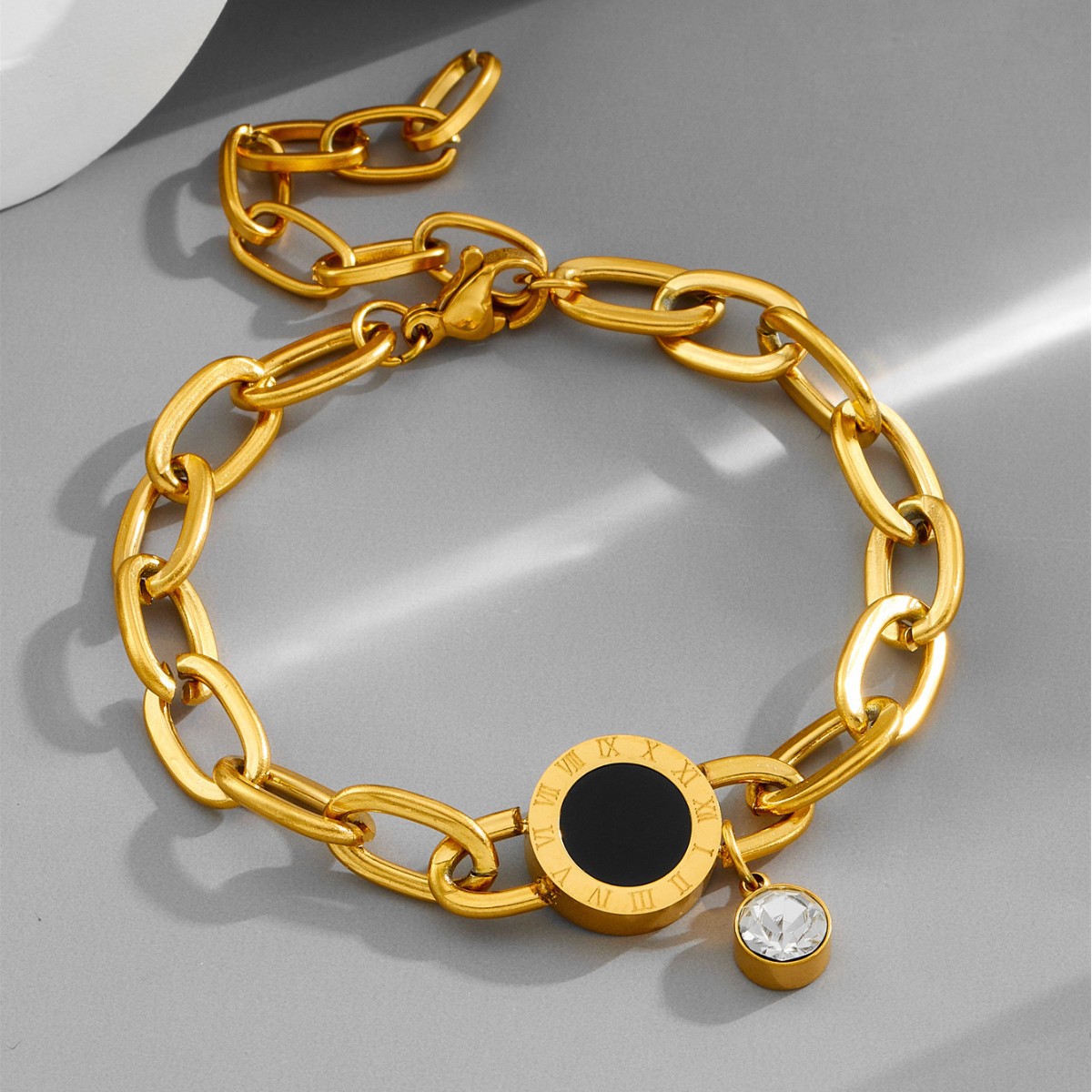
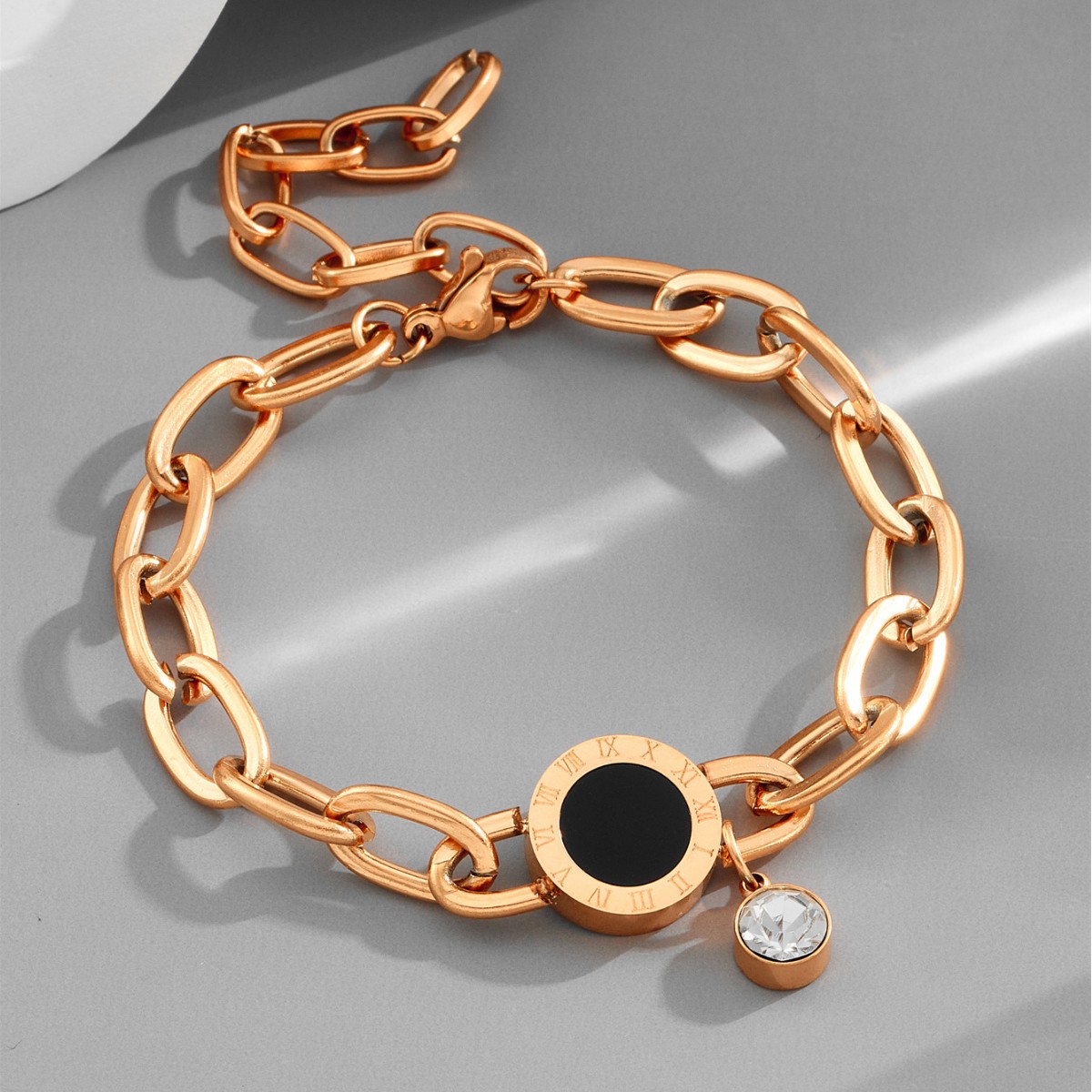
Since stainless steel inventory is affordable and turns over, cost accounting is simple. Track what you buy, what it sells for, and what fees eat up. The numbers tell you which pieces actually make money.
Set aside 25 percent of every payment tonight. Future you will be glad.
Source Affordable Inventory316L Stainless Steel · Clean Wholesale Pricing · MOQ $150
Request CatalogFactory-Direct Since 1998 · 31,000+ Styles