Jewelry Customer Retention FAQ
Repeat Purchases, Loyalty, Email, and Turning One-Time Buyers Into Regulars
The Second Purchase Is Where Profit Lives
Most new jewelry stores spend all their energy on the first sale: ads, photos, launches. But the economics are quiet. Acquiring a new customer costs several times more than selling to someone who already bought from you. A customer who buys twice is far more likely to buy a third, fourth, and fifth. That is where a jewelry business actually becomes stable.
The good news is that jewelry is naturally repeat-friendly. People stack rings, add hoops, layer necklaces, and buy gifts. A buyer who liked one pair of earrings will come back for another style in a few months. Your job is to stay in touch without being annoying, and make the next purchase easy.
This guide covers how to get that second order, build a simple loyalty loop, and turn one-time buyers into regulars. No fancy app required.
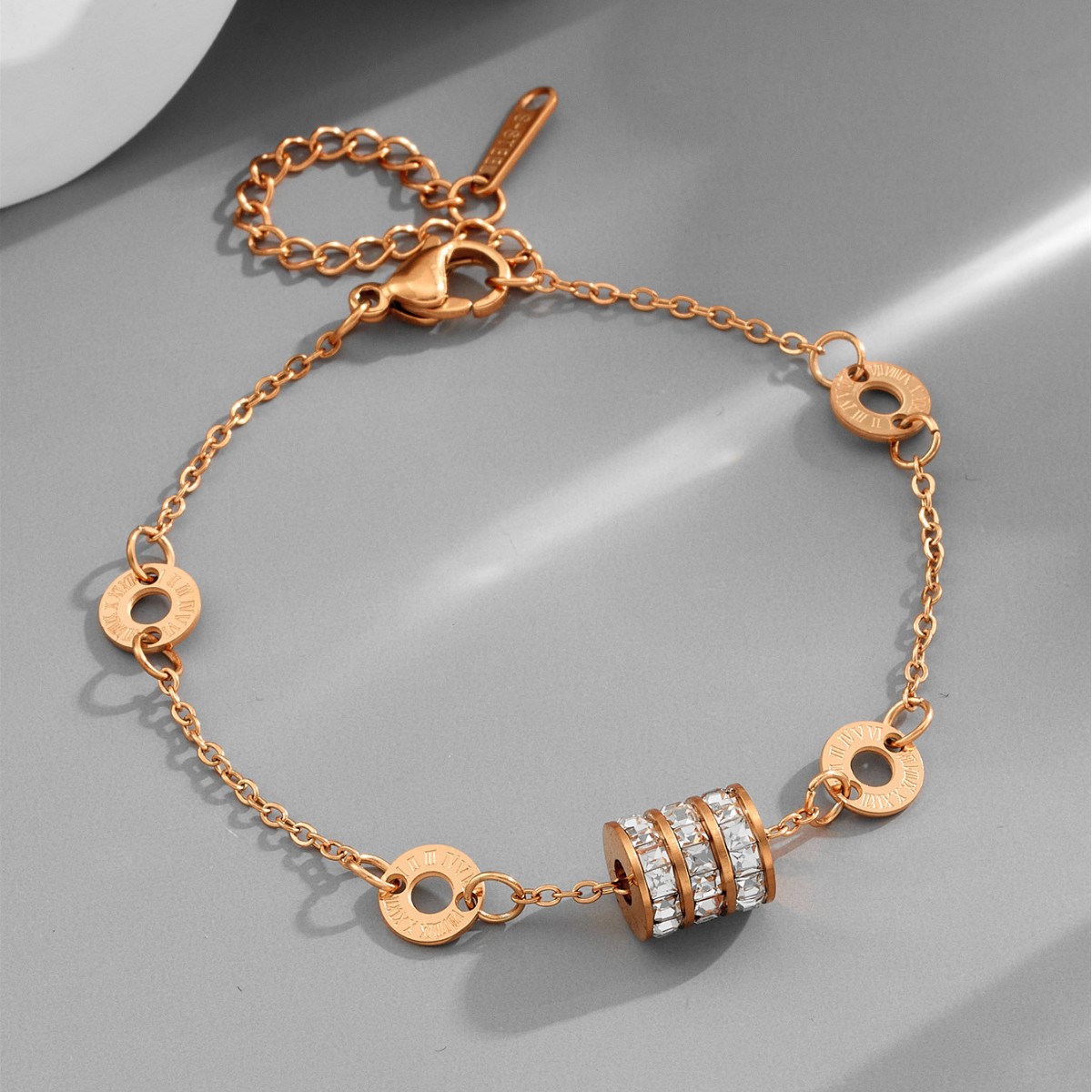
Retention facts: Acquiring a new customer is typically 5 to 25 times more expensive than retaining an existing one. Increasing customer retention by just 5 percent can lift profits by 25 to 95 percent. The probability of selling to an existing customer is around 60 to 70 percent, versus 5 to 20 percent for a new prospect. For jewelry, the sweet spot is the second purchase within 60 to 90 days. A simple post-delivery email sequence works better than a complex points program for small stores. Most repeat buyers come back for a complementary piece: if they bought a necklace, suggest earrings or a bracelet. Personalized recommendations beat generic promos by a wide margin.
Getting the Second Purchase
When does a customer usually buy again?
Repeat timing: (1) First purchase to second is often 60 to 90 days. (2) That is your window. (3) Day 0: order confirmation and shipping. (4) Day 3: delivery arrived. Ask how it looks. (5) Day 14: style tips. How to wear and care. (6) Day 45: new arrivals that match their first piece. (7) Day 75: a gentle loyalty offer. (8) Do not pitch on day 2. Let them enjoy the piece. (9) People buy again when you stay useful, not when you shout sales. (10) Track repeat rate per month. Aim for 20 to 30 percent of buyers ordering again within 90 days.
What should I send after delivery?
Post-purchase sequence: (1) Shipping confirmation with tracking. (2) One day after delivery: Thank you. How does it look? Reply if anything is wrong. (3) One week later: Care tips. Keep it dry, avoid perfume. (4) Two weeks later: Style ideas. Pair this necklace with hoops. (5) Six weeks later: New arrivals in the same style. (6) Include a personal note in the package. Handwritten if you can. (7) Ask for a review. (8) Keep emails short. One idea each. (9) No hard sell. (10) This sequence alone lifts repeat rate more than a generic coupon blast.
What products drive repeat buys?
Repeat-friendly categories: (1) Earrings. People collect multiple pairs. (2) Stackable rings. One is never enough. (3) Layered necklaces. Buyers add lengths over time. (4) Bracelets and bangles. (5) Seasonal colors. (6) Gift pieces for friends. (7) If they bought gold tone, suggest more gold tone. (8) Cross-sell complementary items. Necklace buyer sees earrings. (9) Do not suggest the same style twice. (10) New releases bring old buyers back. Drop small collections monthly.
| Touchpoint | Timing | Purpose |
|---|
| Shipping email | Day 0 | Builds trust |
| Delivery check-in | Day 3 | Service, fixes issues early |
| Care and style tips | Day 14 | Useful, stays top of mind |
| New arrival match | Day 45 | Suggests next piece |
| Loyalty offer | Day 75 | Rewards repeat buyers |
Loyalty and Community
Do I need a points loyalty program?
Loyalty options: (1) Simple works. You do not need a complicated points app. (2) A VIP list: buyers who spend over $100 get early access and a discount. (3) Referral: give $10, get $10. (4) Birthday discount. (5) First look at new drops. (6) Points apps exist, but they add cost. (7) For small stores, a well-run email list beats points. (8) Personalization beats discounts. (9) Remember their style. Suggest gold, not silver, if they bought gold. (10) The best loyalty program is remembering the customer.
How do referrals work for jewelry?
Referral engine: (1) Happy buyers love telling friends. (2) Offer both sides a reward. Give $10, friend gets $10. (3) Mention it in the order confirmation. (4) Include a small referral card in the package. (5) Jewelry is social. People wear it and get compliments. That is free marketing. (6) Encourage tag photos. (7) Feature customer photos. (8) A referred customer has higher loyalty. (9) Make the reward simple. (10) Ask happy customers directly. The best referrers are recent buyers.
Should I build an email list or rely on social media?
Email vs social: (1) Social media reaches people when the algorithm feels like it. (2) Email reaches who you want, directly. (3) Start collecting emails at checkout. Offer 10 percent off first order. (4) Email is owned. Social accounts can be restricted or lost. (5) Send one useful email a week. New pieces, styling, care. (6) Do not spam. (7) Segment by what they bought. (8) Open rates matter more than list size. (9) A list of 1,000 engaged buyers outperforms 10,000 followers. (10) Build both, but treat email as the business asset.
Service That Brings Them Back
How does customer service affect repeat sales?
Service impact: (1) Fast replies. Within a day. (2) Fix problems without arguing. (3) A smooth return turns a one-time buyer into a regular. (4) Handwritten thank-you notes. (5) Remember names. (6) Follow up after a complaint. Make sure they are happy. (7) Small surprises. A free pair of studs with a large order. (8) Personal touches beat discounts. (9) People tell stories about bad service and good service. (10) Treat repeat customers like friends, not order numbers.
How do I measure retention?
Track these numbers: (1) Repeat purchase rate. Of buyers, how many order twice? (2) Average order value over time. Does it grow? (3) Customer lifetime value. (4) Days between purchases. (5) Email open and click rates. (6) Referral rate. (7) Aim for 20 to 30 percent repeat buyers within 90 days. (8) Compare month over month. (9) If repeat rate is low, look at product quality and post-purchase emails. (10) Retention is the cheapest growth you have.
- Second purchase: Most repeat buys happen in 60-90 days. Time your follow-ups.
- Post-purchase: Shipping, delivery check-in, care tips, new arrivals, loyalty offer.
- Cross-sell: Suggest complementary pieces in the same metal tone.
- Loyalty: Keep it simple. VIP list, referrals, birthday perks. No complex points needed.
- Referrals: Give $10, get $10. Include a card in the package.
- Email: Build an owned list. One useful email a week beats spam.
- Service: Fast replies, fair returns, handwritten notes. Repeat buyers are regulars.
- Track: Repeat rate, average order value, days between purchases.
Final Retention Advice
Getting a first sale is a cost. Getting a second sale is profit. Most stores obsess over traffic and ignore the buyers they already have. A few well-timed emails, a personal note, and good product will bring people back.
The product has to earn the return. 316L stainless steel that holds its finish and does not tarnish means customers come back to a brand they trust. Cheap pieces that fade generate returns and one-time orders. Source quality, and retention takes care of itself.
Pick one repeat buyer this week. Email them. Ask how they are enjoying their piece. That is the whole strategy, started.
Build Your Repeat-Buy Inventory316L Stainless Steel · Tarnish-Proof · MOQ $150
Request CatalogFactory-Direct Since 1998 · 31,000+ Styles