
Jewelry Inventory Turnover FAQ: Sell Through and Avoid Dead Stock
Jewelry Inventory Turnover FAQ
The fastest way to kill a small jewelry brand is not bad marketing, it is dead inventory. Cash sitting in a drawer of rings nobody buys is cash you cannot use to restock the pieces that actually sell. Inventory turnover is the number that quiet brands ignore until they are out of runway. This FAQ covers what a healthy sell-through rate looks like for jewelry, how much to buy at wholesale, and what to do with the styles that never move.
What turnover actually means
Inventory turnover is how many times you sell through your stock in a period. For a jewelry store, the practical version is sell-through rate: units sold divided by units bought over 30 or 90 days. A 60 to 80 percent sell-through in 90 days on a tested style is healthy. Below 40 percent in a quarter, and you are tying up cash. The math is unforgiving: buy 50 of a style, sell 5 in three months, and the other 45 are a cost, not an asset.
Benchmarks by jewelry category
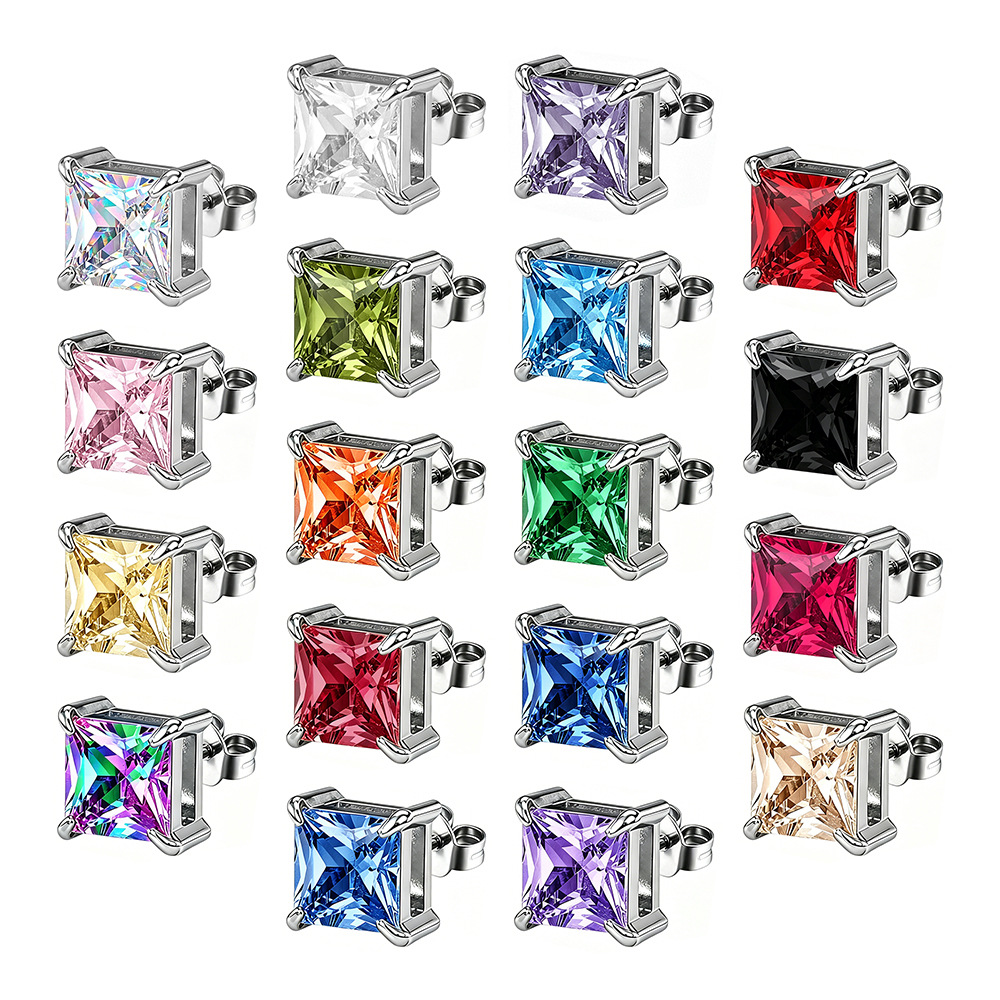
Not every category moves at the same speed. Everyday basics outperform statement pieces by a wide margin. Small studs, simple bands, and thin chains reorder fast. Large bold necklaces and costume earrings with a specific trend sit longer. Use this when you decide how deep to buy each style.
| Category | Healthy 90-day sell-through | Buy depth per style |
|---|---|---|
| Small studs / basics | 70-85% | Deeper, reorder monthly |
| Plain band rings | 60-80% | Medium, key sizes deep |
| Chains / necklaces | 55-70% | Medium, mix lengths |
| Bracelets | 50-65% | Moderate |
| Bold statement pieces | 30-50% | Light, test 3-5 only |
| Trend seasonal items | 20-40% | Minimum, sell out fast |
How much wholesale to order at first
With a low minimum like $150, you can open with roughly 15 to 25 styles, 2 to 5 pieces each. That gives you enough variety to test rings, earrings, necklaces and bracelets without betting big on any one design. After 60 to 90 days, look at which three styles sold out fastest. Reorder those at 10 to 20 pieces each. Cut the ones that sold zero. This test-and-reorder loop is how you build turnover instead of a warehouse of guesses.
Clearing dead stock without destroying margin
Every brand has slow styles. The mistake is either panic-selling at 90 percent off (which trains customers to wait for discounts) or letting them sit forever. Better moves: bundle a slow earring with a fast-selling necklace as a set, use them as free gifts with a purchase over a threshold, run a private flash offer to your email list, or donate them for a tax write-off. The goal is to free the shelf space and cash, not to make the dead style itself profitable.
The 90-day review habit
Mark every style with the arrival date. After 90 days, anything under 30 percent sold-through goes on the clear list. Reviewing quarterly keeps slow stock from quietly eating your year.Frequently asked questions
What is a good inventory turnover ratio for jewelry?
Roughly 2 to 4 turns per year is solid for a boutique, meaning you sell through and restock your core inventory a few times annually. For online stores that test fast and reorder winners, 4 to 6 turns is achievable. Under 1.5 turns means too much cash is stuck.
How do I calculate sell-through rate?
Sell-through equals units sold divided by units received, times 100. If you bought 30 pairs of earrings and sold 18 in 90 days, that is 60 percent. Track it per style, not just overall, because the average hides your winners from your losers.
Should I buy more of a style that sold out?
Yes, but check why it sold out first. Was it a one-off promotion or a trend spike, or did it sell organically week after week? Two consecutive reorders of the same style tell you it is a keeper. One sell-out could be luck.
How many SKUs should a small jewelry store carry?
Start with 20 to 40 active SKUs, not 200. A tight catalog is easier to photograph, describe and manage. You can always add. Stores that open with hundreds of styles almost always end up with 70 percent dead stock and 30 percent doing all the work.
What is the right safety stock for fast sellers?
Keep about a 30 to 45 day backup of your top sellers once you know their weekly movement. If a ring sells 5 a week and reorder takes 2 weeks, keep 15 to 20 on hand. Running out of a proven winner costs more than holding a little extra.
How do seasonal items fit the turnover model?
Buy seasonal pieces (Christmas, Valentine, Mother's Day) light and early. You would rather sell out in week three than be left with holiday stock in January. Order your basics year-round, and treat seasonal buys as small, timed bets.
Does stainless steel help turnover?
Yes. Because it is affordable, durable and hypoallergenic, it has lower return rates than plated fashion jewelry, and the everyday basics reorder steadily. Lower returns mean your effective sell-through is higher, and you spend less on customer service and replacements.
When should I write off dead stock?
If a style has not sold in 6 to 9 months and a promotion did not move it, let it go. Bundle, gift, or donate it. Holding it costs rent, attention, and the mental clutter of a catalog full of dead weight. Fresh turnover beats salvage value.
Bottom line
In jewelry, cash flow is survival. Buy wide, test fast, reorder the winners, and clear the losers before they drain you. The brands that last are not the ones with the biggest catalog, they are the ones whose every piece on the shelf actually moves.
- Company Info
- Feedback
- Customer Reviews
- About Us
- Dropshipping
- FAQ
- Jewelry Wholesale Blog
- User Center
- Forget Password
- My Orders
- Tracking Order
- My Account
- Register
- Payment & Shipping
- Terms And Conditions
- Return Policy
- Shipping Methods
- Payment Methods
- Discount