
Jewelry Quality Control FAQ: Inspect Before You Ship
Jewelry Quality Control FAQ
You can source beautiful jewelry at a good price and still lose customers on quality. A clasp that opens, a plating finish with a scratch, a stone that falls out, a bracelet with a sharp edge, and the buyer never comes back. Quality control is where wholesale businesses live or die, yet many new buyers only check the sample and assume production matches. This FAQ covers what to inspect before a bulk order leaves the factory, and how to build a QC habit that protects your brand.
What actually fails in jewelry
The most common defects are not dramatic. Clasps that pop open, especially lobster claws and spring rings. Plating that is uneven or already scratched on arrival. Stones set loosely. Sharp edges on rings and bracelets. Links that are soldered poorly. Lengths shorter than listed. Color that differs from the sample. Each one sounds small, but each one is a return and a review. Inspect for these specifically, not just whether the piece "looks nice."
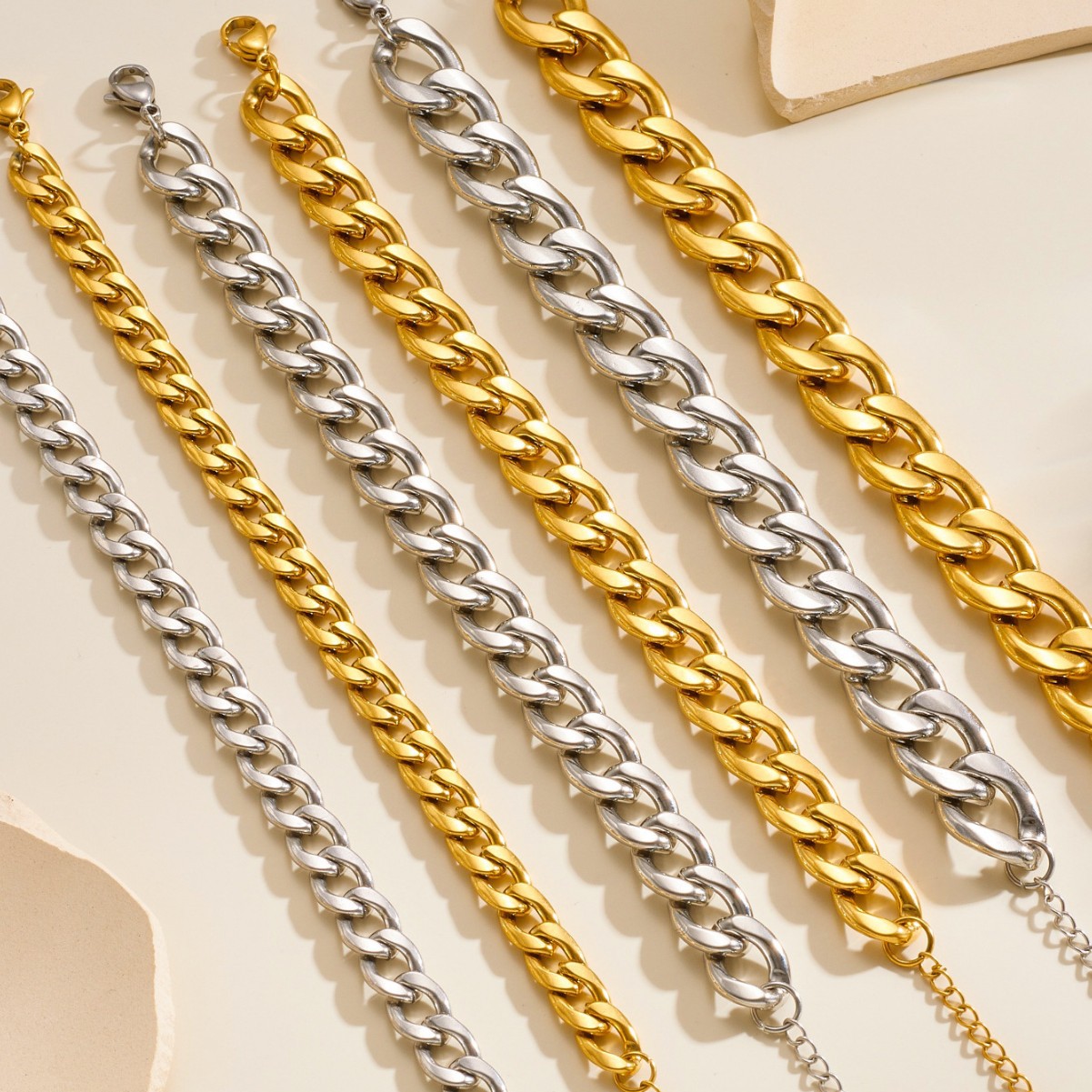 ClaspOpens and closes firmly, does not popFinishEven plating, no scratches or dull spotsStonesSet tight, none loose or missingEdgesSmooth, no sharp pointsSizeMeasures to listed length and ring sizeColorMatches approved sample
| Check | What to look for |
|---|---|
Sample vs production
The sample you approved may be perfect, but bulk production is made by different workers on a different day. The single biggest mistake is trusting that production equals the sample. For larger orders, ask the supplier to send a pre-production sample, approve it in writing, and then require a random inspection of the bulk goods before shipment. Many factories will take photos or a short video of your batch on request. A few minutes of checking saves a box of returns.
How to inspect when you receive stock
When a shipment arrives, do not just put it on the shelf. Open a random sample, maybe 5 to 10 percent across styles. Check clasps, finish, size, and that nothing is sharp. Run a quick magnet test if you suspect plating mismatches, though for stainless steel the main checks are clasp, finish, and size. If a whole style has a defect, you still have time to claim with the supplier before you list and ship those pieces to customers.
Working with a reliable supplier
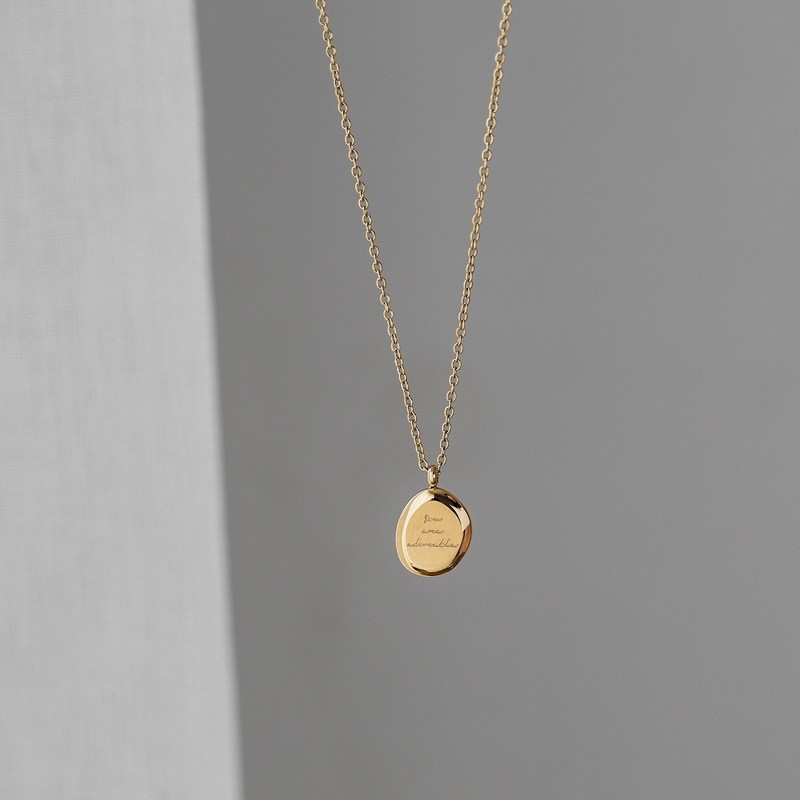
The easiest QC step is choosing a supplier who already controls quality. Ask about their inspection process, request consistent material like 316L steel, and reorder best-sellers so they become predictable. A factory that has run your popular style for months makes fewer mistakes than one off a new sample. Build long-term relationships, because a supplier that knows your standards will catch defects before you ever see them.
QC checklistApprove a pre-production sample. Request bulk photos or video. Randomly inspect 5 to 10 percent on arrival. Test every clasp. Measure actual lengths and sizes. Compare color to the sample. Claim defects before listing those pieces.
Frequently asked questions
What is the most common jewelry defect?
Clasps that pop open, followed by uneven plating and stones set too loosely.
Does a good sample guarantee good production?
No. Bulk production is made separately. Always require a pre-production sample and a random check of the bulk order.
How much should I inspect on arrival?
A random 5 to 10 percent across styles, focusing on clasps, finish, size, and sharp edges.
How do I check ring and bracelet size?
Measure the actual length with a ruler and rings with a gauge. Listed sizes drift in bulk.
What if a whole style is defective?
Do not list it. Claim with the supplier before you ship bad pieces to customers.
Should I hire a third-party inspector?
For very large orders it can pay off. For most small and mid buyers, photos and a careful arrival check are enough.
What material helps quality?
316L stainless steel is durable, holds finish, and is low-allergen, which reduces common defect and return reasons.
How do I find a supplier with good QC?
Ask about their inspection process, reorder proven styles, and build a long-term relationship rather than chasing the cheapest unit.
Bottom line
Quality control protects your brand more than any discount. Approve samples, inspect bulk before shipment, measure actual sizes on arrival, and build relationships with suppliers who already control quality. Ten minutes of checking beats a box of returns.
- Company Info
- Feedback
- Customer Reviews
- About Us
- Dropshipping
- FAQ
- Jewelry Wholesale Blog
- User Center
- Forget Password
- My Orders
- Tracking Order
- My Account
- Register
- Payment & Shipping
- Terms And Conditions
- Return Policy
- Shipping Methods
- Payment Methods
- Discount