Jewelry Selling Platforms FAQ
Shopify, Etsy, TikTok Shop, Amazon Handmade: Fees, Pros, Cons, and Which to Choose
Where Should You Sell Jewelry Online?
One of the first questions a new jewelry seller asks is simple: where do I list my products? The answer depends on your budget, your brand, and how much work you want to do. Etsy is the easiest place to start. Shopify gives you full control. TikTok Shop drives impulse buys through video. Amazon Handmade brings huge traffic but charges a lot.
Many sellers start on one platform and expand later. The smartest move is to learn on a low-cost marketplace, then build your own store once you know what sells. This guide breaks down the real fees, pros, and cons of each option, based on what sellers actually report in 2026.
Pick one. Learn it. Do not spread yourself across five platforms in month one.
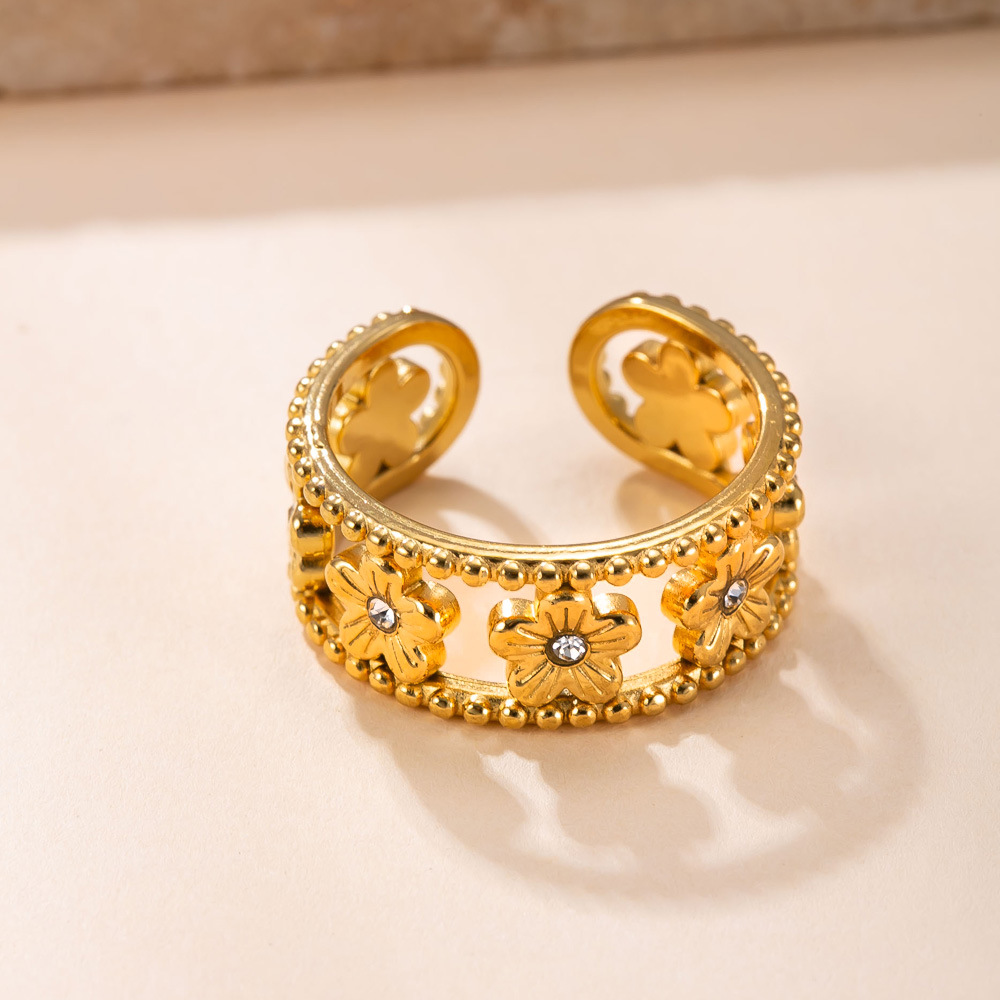
Platform facts 2026: Etsy charges $0.20 per listing (active 4 months), 6.5% transaction fee, plus about 3% plus $0.25 payment processing. Amazon Handmade requires a $39.99 monthly Professional seller plan and charges a 15% referral fee. Shopify starts at about $39 per month plus credit card fees, with no transaction fee if you use Shopify Payments. TikTok Shop has no monthly fee and commissions around 5 to 8%, but requires short video or live content. Most new jewelry sellers start on Etsy or TikTok Shop, then add a Shopify store after 3 to 6 months.
Etsy
Is Etsy good for new jewelry sellers?
Etsy basics: (1) Best starting point for handmade, vintage, or design-led jewelry. (2) Low barrier. Open a shop in a day. (3) Buyers come to Etsy looking for unique pieces. They expect small brands. (4) Fees: $0.20 to list each item, 6.5% transaction, about 3% plus $0.25 payment processing. (5) You compete with thousands of other jewelry sellers. Tags and photos matter. (6) Best for: $20 to $80 price range, personalized or aesthetic pieces. (7) Not ideal for cheap commodity jewelry. That competes with Amazon and Shein. (8) Etsy search favors fresh listings and good reviews. (9) Many sellers start here and move to Shopify once they have repeat customers. (10) Expect to list 30 to 50 items before sales pick up.
How do I succeed on Etsy jewelry?
Etsy tips: (1) Use great photos. Natural light, clean background, styled on a model. (2) Write clear titles. Material plus style plus product plus occasion. (3) Use all 13 tags. Think like a buyer searching. (4) Offer variations: ring size, necklace length, metal color. (5) Price right. Check what similar pieces sell for. (6) Ship fast. 1 to 3 day handling. (7) Reply to messages quickly. (8) Ask for reviews. (9) Renew listings that sell. (10) Season your shop. New listings get a small traffic boost.
Shopify and Your Own Store
When should I move to my own Shopify store?
Going independent: (1) Shopify costs about $39 per month plus payment fees. (2) You own the customer list and branding. No platform fees on top of sales. (3) Best once you have repeat customers and a recognizable style. (4) You need to drive your own traffic. SEO, social media, email. (5) Do not start here if you have no audience. You will pay monthly fees with no sales. (6) Typical path: Etsy or TikTok for 3 to 6 months, then add Shopify. (7) Use Shopify for your brand. Use marketplaces for discovery. (8) You control design, packaging, and customer experience. (9) Apps handle reviews, email, upsells. (10) The goal is to reduce dependence on any one platform.
What does Shopify actually cost?
Shopify pricing: (1) Basic plan: about $39 per month. (2) Credit card fees: about 2.9% plus 30 cents per order. (3) If you use an external payment gateway, Shopify adds about 2%. (4) Themes: Free to $300 one-time. Start free. (5) Apps: Many free, some $10 to $50 per month. (6) Custom domain: about $15 per year. (7) Total startup cost: under $100 for the first month. (8) No per-listing fees. List unlimited products. (9) Compare to Etsy: On a $50 sale, Etsy takes about $5. Shopify takes about $2 plus your monthly fee. (10) For higher volume, Shopify is cheaper.
| Platform | Monthly Cost | Sales Fee | Best For | Traffic |
|---|
| Etsy | None | 6.5% plus $0.20/list | New sellers, handmade, unique | Built-in |
| Shopify | ~$39 | ~2.9% plus 30c | Brands, repeat customers | You bring it |
| TikTok Shop | None | 5-8% | Video, impulse buys | Built-in |
| Amazon Handmade | $39.99 | 15% | High volume, FBA | Very high |
TikTok Shop and Amazon
Does TikTok Shop work for jewelry?
TikTok for jewelry: (1) Jewelry is a visual, impulse-buy product. Perfect for short video. (2) Show the piece on, unboxing, styling, before and after. (3) No monthly fee. Commission around 5 to 8%. (4) You need to post videos consistently. 3 to 5 times a week. (5) Live selling works well for jewelry. Show pieces close up. (6) Price point under $50 converts best. (7) One viral video can drive hundreds of sales. (8) But most videos flop. Expect low views early on. (9) Use trending sounds and hashtags. (10) TikTok rewards consistency. Post for 3 months before judging.
Should I sell on Amazon Handmade?
Amazon Handmade: (1) Huge traffic. Buyers trust Amazon. (2) $39.99 monthly Professional plan plus 15% referral fee. (3) FBA lets Amazon handle shipping and returns. (4) But 15% is a big cut. On a $30 sale, Amazon takes $4.50 plus the monthly fee. (5) You must be approved as a handmade seller. (6) Personalized items cannot use FBA. You ship those yourself. (7) Competition is fierce. Prices are pushed down. (8) Good for established sellers with volume. (9) Not ideal for beginners. Start on Etsy first. (10) Amazon is a sales channel, not a brand builder.
Choosing Your Path
Which platform should I start with?
Recommended path: (1) Month 1 to 3: Start on Etsy. Low cost, built-in buyers. (2) Month 2 to 4: Start posting on TikTok. Free traffic. (3) Month 4 to 6: Once you have sales, open a Shopify store. (4) Month 6 plus: Consider Amazon Handmade if you have volume. (5) Do not open all at once. You will not manage them. (6) Learn one platform deeply. (7) Reinvest profits from the first into the next. (8) Track which platform gives the best margin. (9) Your own store should be the long-term home. (10) Marketplaces are customer acquisition. Your store is the brand.
Can I sell the same jewelry on multiple platforms?
Multi-platform selling: (1) Yes, but manage inventory carefully. (2) If you sell on Etsy and Shopify, update stock when an order comes in. (3) Overselling causes cancellations and bad reviews. (4) Use inventory sync tools. (5) Keep pricing consistent across platforms. (6) Do not undercut yourself. (7) Different platforms attract different buyers. (8) Repurpose content. A TikTok video works on Instagram too. (9) Start with two platforms max. (10) Scale only when you can handle the orders.
- Start: Etsy for low cost and built-in buyers. List 30-50 items.
- Traffic: TikTok Shop for free video traffic. Post consistently 3-5 times a week.
- Brand: Shopify once you have repeat customers. You own the list.
- Volume: Amazon Handmade for established sellers. 15% fee is steep.
- Fees: Compare total fees, not just monthly cost. Etsy 6.5%, Shopify ~2.9%, Amazon 15%.
- Path: Etsy then TikTok then Shopify. Add platforms as you grow.
- Inventory: Sync stock across platforms to avoid overselling.
- Don't: Open five platforms at once, or start on Shopify with no audience.
Final Platform Advice
There is no perfect platform. The best one is the one you will actually show up on. Etsy is the safest start. TikTok is the fastest free traffic. Shopify is where you build long-term value. Pick one, learn it, and expand when you are ready.
Whichever platform you choose, you need good products. Source quality 316L stainless steel jewelry that photos well, fits true to size, and does not tarnish. Fewer returns, better reviews, more repeat buyers.
Start small. Test 20 to 30 styles. See what sells. Then scale your winning products across platforms.
Source Wholesale Jewelry316L Stainless Steel · 31,000+ Styles · Low MOQ $150
Request CatalogFactory-Direct Since 1998 · Mixed Styles Welcome