Jewelry Store Display FAQ
Window Displays, Lighting, Layout, Visual Merchandising, and Sales Guide
How You Display Jewelry Matters
Two stores can sell the exact same necklace. One puts it in a cluttered tray under fluorescent light. The other places it on a clean stand with warm spotlighting, surrounded by coordinated pieces. The second store sells more. The product is the same. The display is the difference.
Visual merchandising is one of the most underused sales tools in jewelry retail. Studies show that strategic display can increase sales by 20% to 40% compared to unstructured layouts. It is not about being fancy. It is about guiding the customer's eye, creating desire, and making the product look its best.
This guide covers what works for boutique jewelry displays, whether you have a physical store, a market stall, or a pop-up.
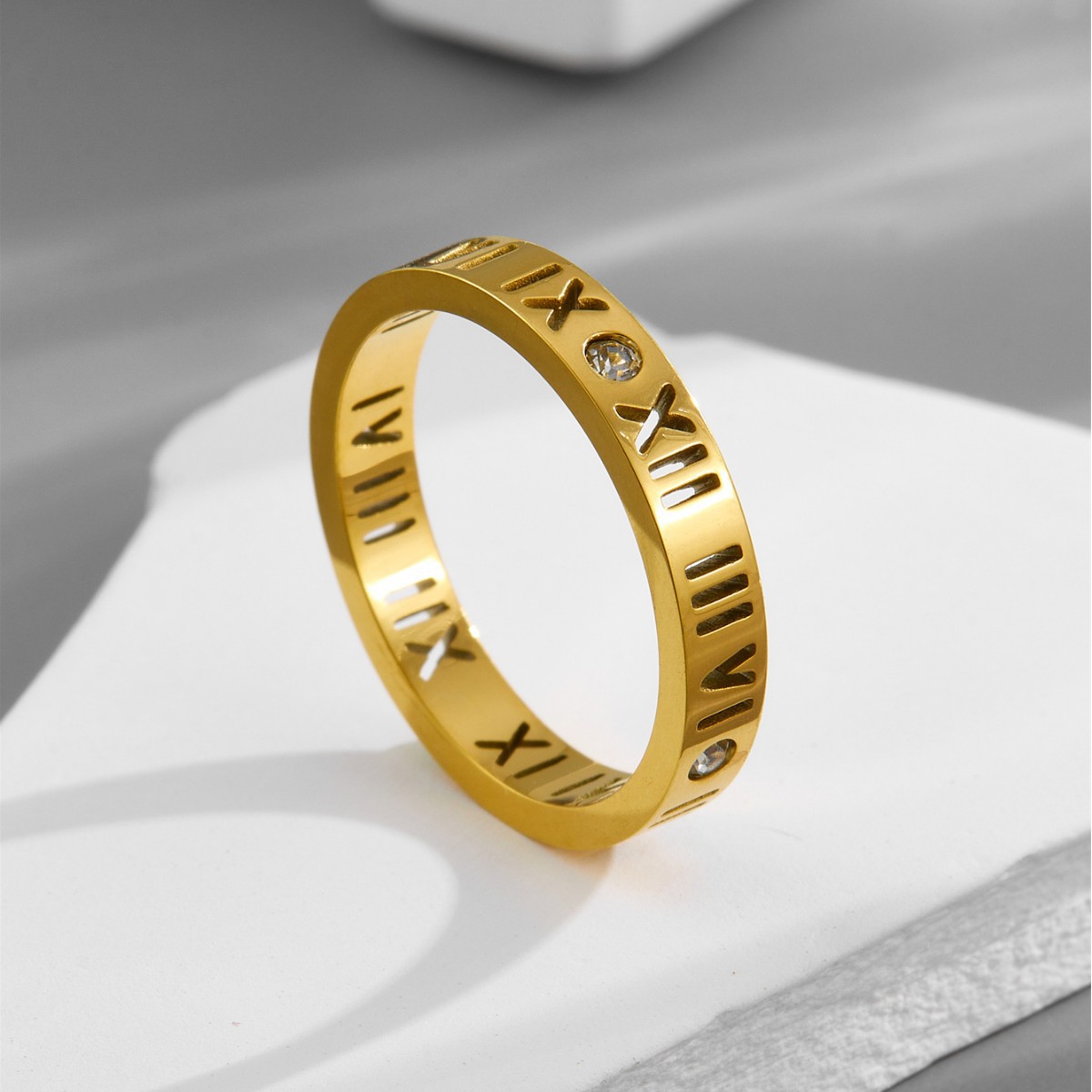
Display facts: Strategic jewelry display can increase retail sales by 20% to 40%. Window displays should be refreshed every 2 to 4 weeks. Use 3000K warm LED lighting for gold and rose gold pieces, and 5500K to 6000K cool white for silver and CZ. Group items in odd numbers (three, five, or seven) for visual appeal. Leave white space. A cluttered display confuses customers. Update props every 60 days to match the season.
Window and Store Layout
How do I design a jewelry window display?
Window display basics: (1) Pick a theme. "Fall Collection," "Bridal," "Gifts Under $30." One idea per window. (2) Less is more. Do not fill every space. Leave breathing room. (3) Use high contrast. Light jewelry on a dark background, or dark jewelry on a light background. (4) Tell a story. Arrange pieces as a look, not random items. (5) Refresh every 2 to 4 weeks. A stale window says nothing is new. (6) Use lighting. Spotlight the hero piece. (7) The rule of odds: Group items in threes, fives, or sevens. It looks more natural. (8) Triangle arrangement: Place pieces at different heights. The eye moves from the top down. (9) Keep it clean. Dust and fingerprints kill the luxury feel. (10) Your window is a billboard. Make people stop and look.
How should I arrange jewelry inside the store?
Interior layout tips: (1) Group by category. Rings together, necklaces together, earrings together. Customers shop by category. (2) Create collections. Display a necklace with matching earrings and bracelet. This encourages multi-piece sales. (3) Use different heights. Stands at varying levels add depth. Flat rows look boring. (4) Leave white space. Do not pack every slot. (5) Eye level is prime. Put best sellers at eye level. (6) Price points: Create a "Gifts Under $30" section. Nervous buyers love this. (7) Try-on area: A clean mirror, a comfortable seat, and good lighting. (8) Security: Lock high-value pieces. Keep everyday pieces accessible. (9) Clean daily. Fingerprints and dust are the enemy. (10) Walk through your store as a customer. Does the display guide you? Does it make you want to touch?
What lighting makes jewelry look best?
Lighting guide: (1) Warm white (3000K): Best for gold, rose gold, and warm-toned pieces. Makes gold glow. (2) Cool white (5500K-6000K): Best for silver, white gold, and CZ stones. Makes stones sparkle. (3) Avoid fluorescent. It makes jewelry look flat and cheap. (4) Spotlight each piece. Do not rely on overhead room light. (5) LED strip lights inside displays add a premium feel. (6) The try-on mirror should have flattering light. (7) Natural light is good for photos but can fade materials. (8) Test the lighting with your actual pieces. What looks good on a display stand may look different under your lights. (9) Replace bulbs when they dim. (10) Good lighting is the cheapest upgrade you can make. It costs little and transforms everything.
| Display Element | Best Practice | Why It Works | Cost Level |
|---|
| Window Theme | One theme, refreshed every 2-4 weeks | Stops foot traffic, tells a story | Low |
| Lighting | 3000K for gold, 5500K for silver/CZ | Makes pieces sparkle and glow | Low-Medium |
| White Space | Do not overfill displays | Highlights individual pieces | Free |
| Odd Number Grouping | Arrange in 3s, 5s, 7s | Visually pleasing rhythm | Free |
| Height Variation | Stands at different levels | Adds depth, guides the eye | Low |
| Price Point Section | "Gifts Under $30" display | Helps nervous buyers decide | Free |
Display Tools and Props
What display stands and props do I need?
Essential display tools: (1) Ring stands: Individual ring displays or ring trees. Show rings at an angle. (2) Necklace stands: Bust displays or hanging cards. Show the length and drape. (3) Earring cards: Display earrings on cards or stands. (4) Bracelet stands: Watch-style stands or busts. (5) Velvet or linen trays: Soft bases that make jewelry pop. (6) Risers: Different height blocks to create layers. (7) Mirrors: Try-on mirrors, well-lit. (8) Signage: Clear price tags and category labels. (9) Seasonal props: Dried flowers, stones, fabric. Change with the season. (10) Start simple. A few velvet trays, ring stands, and good lighting beat an expensive custom setup.
How do I display jewelry for online sales?
Online display is product photography: (1) Clean background. White or neutral. (2) Good lighting. Natural light near a window, or a softbox. (3) Multiple angles. Front, side, detail, on-model. (4) Scale reference. Show the piece next to a coin or on a wrist. (5) Lifestyle shots. The jewelry being worn. This helps customers imagine it. (6) Consistent style. All product photos should look like they belong together. (7) Close-ups. Show the clasp, the stone setting, the finish. (8) Video. A short clip of the piece in motion. (9) For stainless steel, show the waterproof angle. "Wear it in the shower." (10) Good photos are your display. If the photos are bad, the best product in the world will not sell.
How often should I change my display?
Refresh schedule: (1) Window: Every 2 to 4 weeks. Regular passersby notice if it never changes. (2) Interior: Rearrange every 4 to 6 weeks. Move pieces around. (3) Seasonal: Update for fall, holiday, spring, summer. (4) New arrivals: Feature new pieces prominently for 1 to 2 weeks. (5) Holiday: Set up holiday displays 4 to 6 weeks before. (6) The rule: If you walk past your window and do not notice it, customers will not either. (7) Changing the display is free marketing. It signals new stock. (8) Take photos of your displays. What worked? What did not? (9) Ask customers what catches their eye. (10) A fresh display brings back regulars who think they have seen everything.
Sales and Common Mistakes
What display mistakes should I avoid?
Common display errors: (1) Too crowded. A wall of jewelry overwhelms. Leave space. (2) Bad lighting. Yellow or dim light makes everything look cheap. (3) Dust and fingerprints. Wipe daily. (4) No theme. Random pieces together look like a bargain bin. (5) All pieces at the same height. Flat rows are boring. (6) Hidden prices. Customers should not have to ask. (7) No try-on mirror. If they cannot try it, they will not buy. (8) Ignoring the window. The interior does not matter if no one walks in. (9) Dirty displays. Stained velvet trays ruin the look. (10) The best fix is usually the simplest: clean it, light it, and leave space.
How do I create gift displays?
Gift station ideas: (1) Price-point sections: "Under $30," "Under $50." This helps indecisive buyers. (2) Recipient sections: "For Her," "For Bridesmaids," "For Mom." (3) Seasonal gifts: Valentine's, Mother's Day, Christmas. (4) Pair with packaging. Show the jewelry in a gift box. (5) Bundle offers: Necklace and earrings together at a bundle price. (6) Add-on items: Gift cards, polishing cloths, jewelry boxes. (7) Make it easy. A nervous boyfriend buying a gift wants clear options. (8) Train staff to suggest. "Would you like this in a gift box?" (9) Gift stations drive add-on sales. (10) The holidays are the biggest gift display season. Set up early.
- Theme: One idea per window. Refresh every 2-4 weeks. Less is more.
- Lighting: 3000K warm for gold, 5500K cool for silver/CZ. Spotlight each piece.
- Layout: Group by category, create collections, use height variation, leave white space.
- Tools: Velvet trays, ring stands, necklace busts, earring cards, good mirrors.
- Online: Clean photos, multiple angles, on-model shots, lifestyle imagery.
- Gifts: Price-point sections, recipient sections, bundle with packaging.
- Clean: Dust and fingerprints daily. A dirty display kills the luxury feel.
- Don't: Overcrowd, use bad lighting, hide prices, or leave the window unchanged for months.
Final Display Advice
Good display does not require a big budget. It requires attention. Clean pieces, good lighting, enough space, and a clear theme. Rearrange regularly. Show collections, not random items. Make it easy for customers to try on and buy.
The product inside still needs to be quality. Source 316L stainless steel jewelry that looks good and lasts. Then present it the way it deserves. A $15 necklace displayed beautifully sells for $35. The same piece in a cluttered tray sells for $10.
Walk your store as a customer. What catches your eye? What feels confusing? Fix those things first. Small changes make a big difference.
Source Display-Ready Jewelry316L Stainless Steel Quality Pieces · 31,000+ Styles · MOQ $150
Request Wholesale CatalogFactory-Direct Since 1998 · Fast Shipping