
Matching Jewelry Sets FAQ: Necklace and Earring Bundles
Matching Jewelry Sets FAQ
A matching set sells differently from loose pieces. Buyers who would hesitate to buy one necklace often add the matching earrings, a bracelet, or a ring when the whole look is laid out in front of them. Sets lift average order value, simplify gift giving, and give boutique owners a clear display story. For resellers, the question is not whether sets work, but which combinations to build, how to price them, and how to present them so customers see the complete outfit. This FAQ covers matching jewelry sets from both the shop and the wholesale side.
What makes a jewelry set match
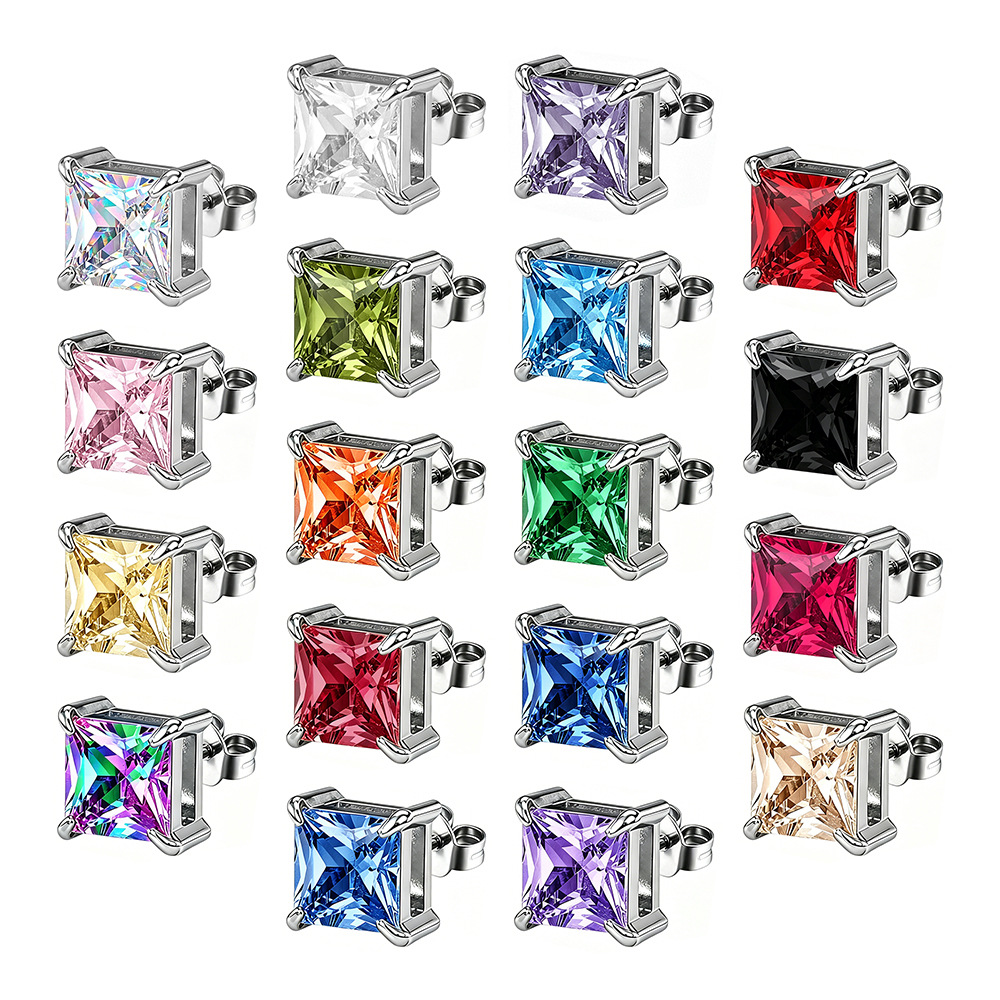
A matching set does not mean identical pieces. It means the finish, tone, and style line up across items. A gold-tone necklace pairs best with gold-tone earrings, and a brushed black band looks coherent when the bracelet and ring carry the same finish. Stones should echo each other in cut or color, and the overall weight should balance: a bold necklace calls for modest earrings, while a slim pendant can carry slightly bigger hoops. Strong sets share one visual story rather than mixing several competing trends on the same customer.
| Set combination | Best customer | Retail angle |
|---|---|---|
| Pendant necklace + stud earrings | Everyday office wear | Simple, giftable, low risk |
| Choker + drop earrings | Going out, occasion wear | Bold evening look |
| Charm necklace + matching charm studs | Young casual shoppers | Coordinated playful style |
| Statement set for weddings | Special event buyers | Higher markup piece |
| Men's chain + matching bracelet | Streetwear buyers | Unisex layered look |
How sets lift order value
Data across small boutiques consistently shows that buyers who start with one piece spend more when a coordinated alternative is shown nearby. A necklace listing that also displays matching earrings can add roughly 15 to 30 percent to the average basket, depending on price point and display. Bundles work because the customer stops deciding whether the pieces match and starts choosing the complete set. On your own shop, group matching pieces under a set heading, offer a small bundle discount, and photograph them worn together. The goal is to make the full look feel like one easy purchase rather than a collection of separate decisions.
Pricing a set for resale
Retailers often price a set between the cost of two separate pieces and the cost of buying all items at full price. If a necklace retails at 24 dollars and matching earrings at 18 dollars, a common set price lands near 36 dollars, a discount of around 10 percent against 42 dollars bought separately. The set still leaves room for markup because wholesale costs stay low on matching steel pieces. When you buy wholesale, ask whether the supplier can assemble matched sets from existing stock rather than forcing you to order a separate set SKU. Mixed sets from proven best-sellers usually move faster than dedicated set-only lines that prove hard to clear.
Displaying and promoting sets
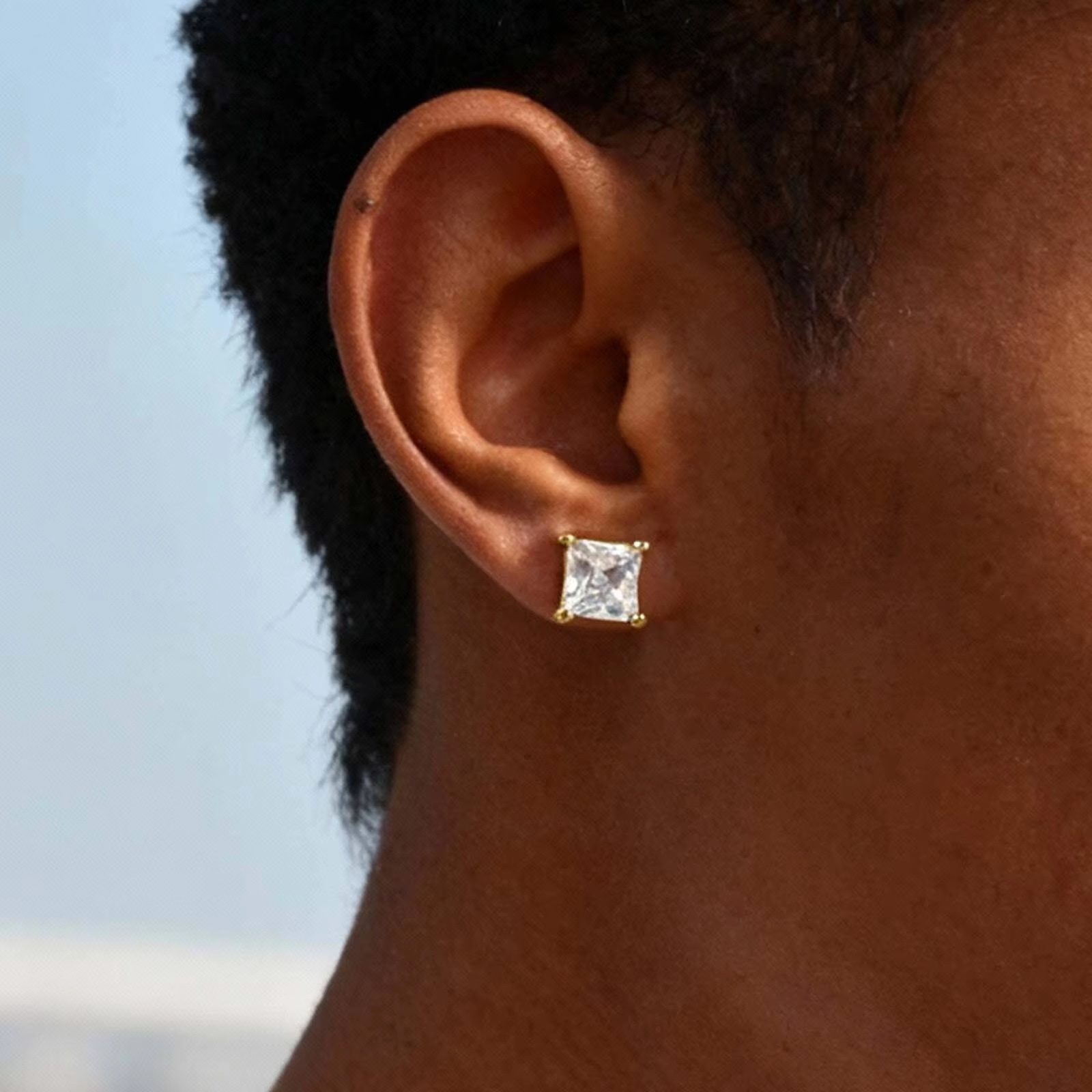
Sets sell best when the customer sees the complete outfit in one image. Use a hero photo of the necklace and earrings worn together, then close-ups of each piece separately. For physical shops, hang a necklace and its matching earrings on the same display card so they read as one coordinated offer. On social media, short clips that show the set on, alongside a plain single-piece shot, perform well for gift messaging. Holiday periods, birthdays, and anniversaries are the strongest set windows because shoppers buy complete presents rather than loose accessories.
Set selling checklist
Frequently asked questions
What jewelry sells best as a matching set?
Pendant necklaces with matching stud or drop earrings are the most flexible starter set. They suit everyday wear and cover the broadest gifting audience.
Are jewelry sets a good gift option?
Yes. A pre-matched set removes the buyer's worry about coordination, and gift boxes make it feel like a complete present.
How much should a bundle save the customer?
Usually 10 percent below buying every piece separately. That keeps margin healthy while still feeling like a deal.
Should I sell sets only, or keep loose pieces too?
Keep both. Loose best-sellers still sell on their own, while sets lift the average order of customers already browsing your catalog.
What finishes match best together?
Gold with gold, silver tone with silver tone, black with black. Mixing finishes works only as a deliberate design choice within one coordinated set.
Can I build sets from existing wholesale stock?
In most cases yes. Pair your strongest necklace with matching earrings or a bracelet, and ask the supplier whether matched sets can be pulled from current inventory.
Which occasions drive set sales?
Valentine's Day, Mother's Day, anniversaries, weddings, and holiday gifting seasons all drive coordinated bundle demand.
How do stainless steel sets hold up after sale?
316L stainless steel resists tarnish and handles daily wear well, which keeps returns and quality complaints low for matching sets worn together.
Bottom line
Matching sets are a practical way to raise average order value, especially around gift seasons. Coordinate finish and style, price bundles just below separate full prices, and show the worn combination first. Building sets from proven best-sellers keeps stock moving and reduces the risk of carrying dedicated set-only inventory.
- Company Info
- Feedback
- Customer Reviews
- About Us
- Dropshipping
- FAQ
- Jewelry Wholesale Blog
- User Center
- Forget Password
- My Orders
- Tracking Order
- My Account
- Register
- Payment & Shipping
- Terms And Conditions
- Return Policy
- Shipping Methods
- Payment Methods
- Discount