
Necklace Chain Types FAQ: Cable, Box, Curb and Figaro
Necklace Chain Types FAQ
The chain is the working foundation of every necklace, yet shoppers usually describe a piece by its pendant first. As a reseller, knowing the chain behind the pendant helps you answer fit questions, match the right chain to the right pendant, and build a coherent assortment. Different chain shapes wear differently, sit flat on the neck, support certain weights, and appeal to different style crowds. This FAQ explains the common chain types, how strong and comfortable each one feels, and what wholesale buyers should look for when ordering stainless steel necklaces.
The common chain shapes explained
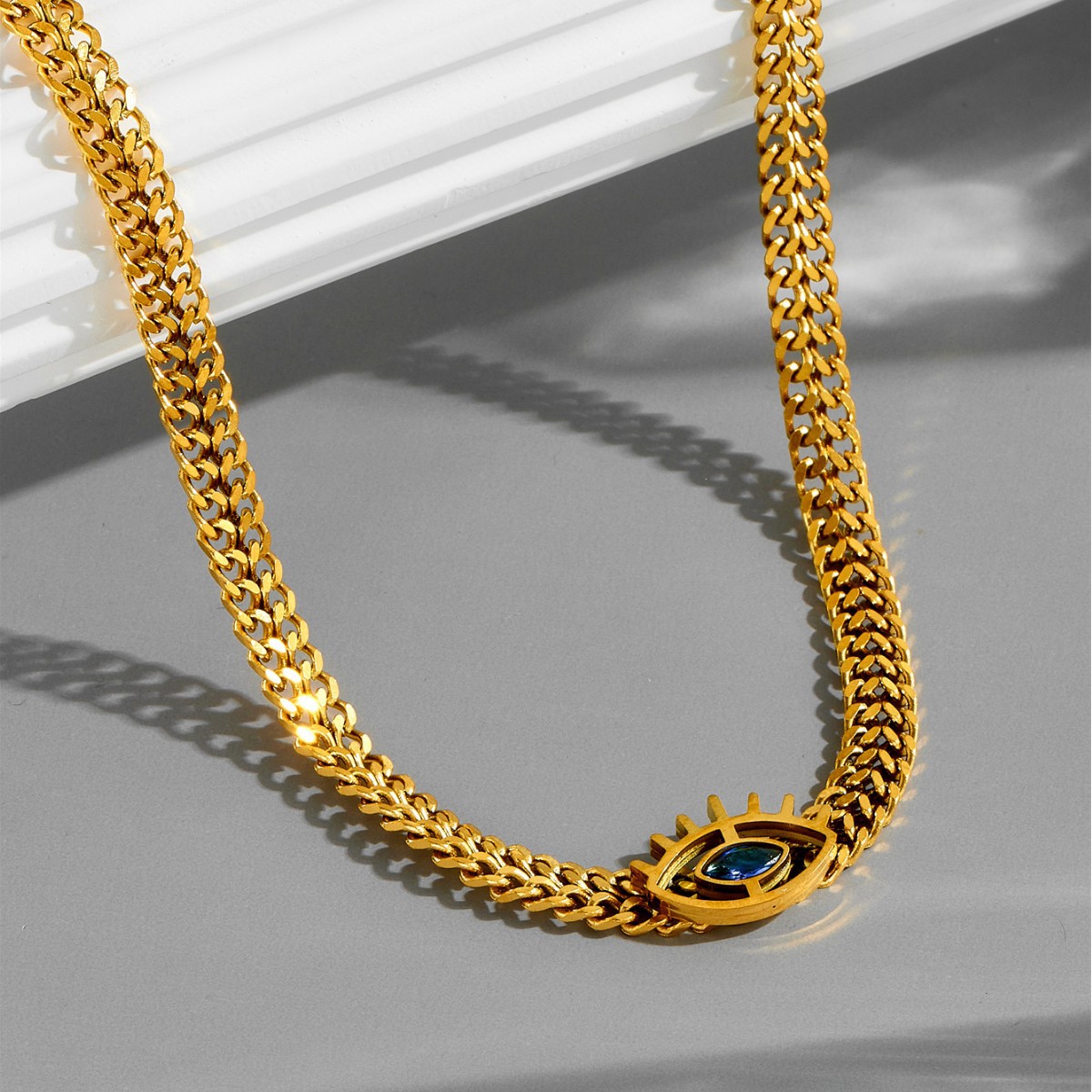
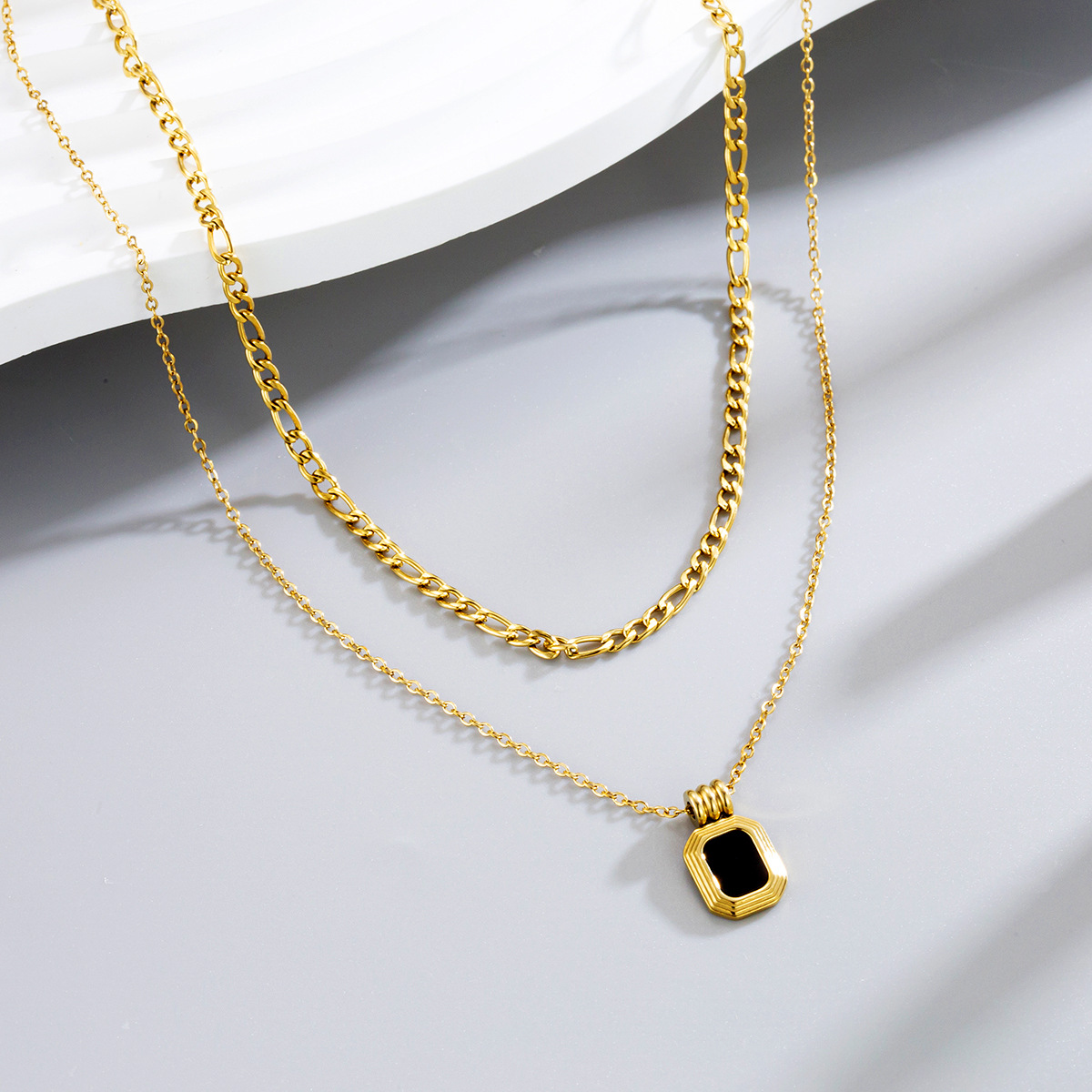
A cable chain uses simple oval links joined in a row, each turned at an angle to the next. It is the most familiar all-purpose chain, light enough for daily wear and open enough to take a pendant bail cleanly. A box chain links square, cube-like pieces together into a smooth, angular cord that hangs straight and resists knotting. A curb chain has flattened, interlocking links that lie close and flat against the neck, giving a bolder, more structured look. A figaro chain follows a repeating Italian pattern, usually one longer oval link followed by two or three smaller round links, which gives it a recognizable rhythmic shape. Rope chains twist links in a spiraled, twisted strand, while snake chains run a smooth, flexible surface made of closely fitted plates.
| Chain type | Shape and feel | Best paired with |
|---|---|---|
| Cable | Light, classic, flexible | Most everyday pendants and charms |
| Box | Smooth, stiff, straight hanging | Minimal pendants, clean modern looks |
| Curb | Flat, bold, structured | Statement and menswear styling |
| Figaro | Patterned oval and round links | Unisex casual and layered looks |
| Rope | Twisted spiral, textured shine | Bold fashion pieces and layering |
| Snake | Sleek smooth flexible surface | Sliders, small pendants, delicate wear |
Strength and pendant fit
Not every chain supports every pendant. Cable and box chains carry a wide range of light to medium pendants because their links take a bail reliably. Curb and figaro chains handle heavier pieces well on account of their solid, flattened links. Snake chains look delicate but can kink more easily under a heavy pendant, so they suit light slides and small charms rather than chunky drops. When you list a necklace, state the chain type and width in the description. Buyers shopping for a pendant want to know whether the chain will hold it, and a stronger listing reduces questions after the sale. Clasp quality matters just as much: a small spring ring or lobster clasp that opens under stress is a common source of lost pendants and customer complaints.
Styling and who wears each chain
Cable chains fit almost everyone and work for feminine, neutral, and unisex styling. Box chains read modern and minimal and suit geometric pendants and plain slides. Curb and figaro chains have a stronger streetwear character and sell well in men's and unisex ranges, especially in black or brushed steel finishes. Rope chains give more texture and shine for layered fashion looks, while snake chains add a smooth, close-to-the-neck elegance. Building a balanced range means carrying a few everyday cables alongside bolder curb or figaro options, so your shop covers both delicate and statement customers.
Buying chains wholesale
Stainless steel chains keep their shape, resist tarnish, and cost less than silver equivalents, which makes them a practical base for resale. Width changes both the look and the price: thinner chains sit at entry price points, while wider curb and rope chains command more. Check that links are evenly soldered and that the clasp closes securely before you stock depth. PVD plating in gold, rose gold, or black should cover the whole chain evenly without rough patches at the links. Order proven chain shapes in depth and test new textures in small quantities, then scale the ones your customers respond to.
Chain buying checklist
Chain care questions your buyers will ask
Customers sometimes ask how chains hold up to daily wear, whether they tangle, and how to clean them. Stainless steel chains clean quickly with a soft cloth and mild soap, and they do not tarnish the way cheaper alloys do. Box and curb chains tangle less than flexible snake and fine rope styles, which matters for shoppers who store necklaces loose in a drawer. Chains worn near water, sweat, or perfume should be dried and stored separately to keep the finish even over time. These are simple answers, but having them ready in your product description saves messages and builds trust with first-time buyers.
Frequently asked questions
Which chain type is best for pendants?
Cable and box chains are the safest general choice for most pendants because their open, solid links take a bail well. Choose curb or figaro for heavier, bolder pieces.
What is the difference between curb and figaro chains?
Curb links all lie flat in the same interlocking shape. Figaro follows a repeating pattern of one long oval followed by smaller round links, which creates a distinct, recognizable rhythm.
Are snake chains good for heavy pendants?
No. Snake chains stay sleek for light charms and slides, but a heavy pendant can stress the flexible construction and lead to kinking or stretching.
Which chains tangle the least?
Box and curb chains hang stiffer and tangle less than fine rope, snake, and very thin cable chains stored loose together.
What chain width should a reseller stock?
Start with slim and medium widths around 1 to 3 millimeters for everyday pendants, then add wider curb or rope chains for statement and menswear customers.
Do stainless steel chains tarnish?
The steel itself does not tarnish. PVD finishes hold up well in normal wear, while cheaper plating on lower-quality chains can wear at the links over time.
Which chain works for men?
Curb, figaro, and rope chains in medium to wider widths are common menswear choices, often in black, silver tone, or brushed finishes.
How do I describe a chain in a listing?
State the chain name, width in millimeters, finish, clasp type, and the pendant it suits. Clear details reduce fit questions and help shoppers match the piece to what they want.
Bottom line
Cable, box, curb, figaro, rope, and snake chains each have a distinct shape, strength, and styling role. Match the chain to the pendant weight, describe the type and width clearly, and balance everyday light chains with bolder statement options. Stainless steel gives every chain a durable, low-tarnish base for resale.
- Company Info
- Feedback
- Customer Reviews
- About Us
- Dropshipping
- FAQ
- Jewelry Wholesale Blog
- User Center
- Forget Password
- My Orders
- Tracking Order
- My Account
- Register
- Payment & Shipping
- Terms And Conditions
- Return Policy
- Shipping Methods
- Payment Methods
- Discount