
Nickel Allergy and Hypoallergenic Jewelry FAQ
Nickel Allergy and Hypoallergenic Jewelry FAQ
"My ears turn green and itchy after one wear." You hear this more often than sellers expect. Nickel allergy is one of the most common jewelry complaints, and it is the reason a lot of customers give up on cheap earrings entirely. For a buyer reselling jewelry, explaining nickel safety clearly is both a trust builder and a selling point. This FAQ breaks down what actually causes reactions, which materials are safer, and how to talk about it without overpromising.
What causes a jewelry reaction
The usual culprit is nickel, a metal mixed into many cheaper alloys to add strength and shine. When sweat sits against the skin, small amounts of nickel leach out and trigger an itchy red rash, most often on earlobes, necks, or fingers. It is not an infection and it is not dirt. It is a contact allergy, and once you have it, you tend to get it every time. Green skin is copper oxidation, a related but separate thing.
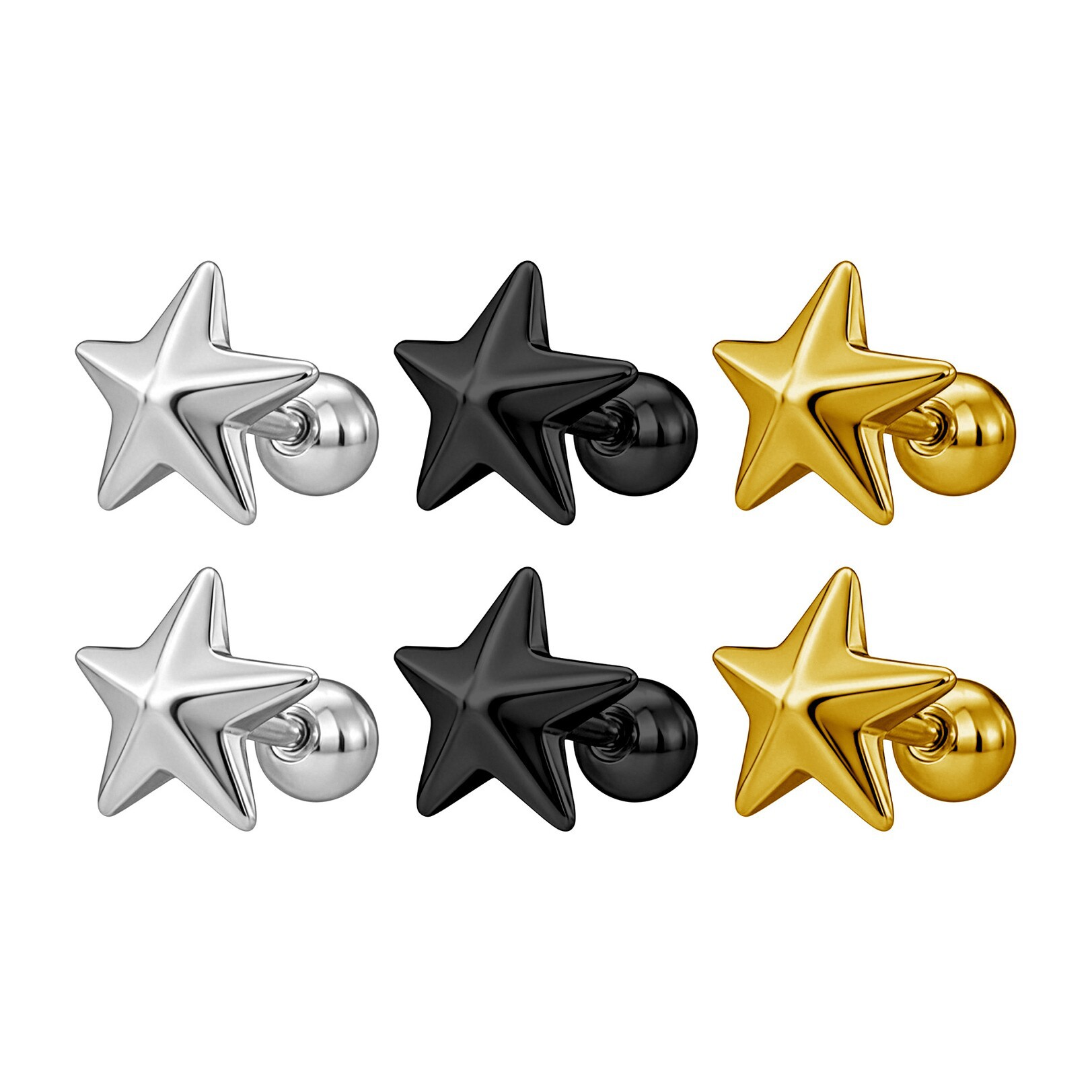
Why 316L stainless steel is usually safe
316L surgical stainless steel is low in nickel and heavily alloyed, so almost nothing leaches out in normal wear. That is why it is widely used for body jewelry and everyday pieces. It is not a magic guarantee for every single person, but the reaction rate is far lower than with fashion alloy or plated pieces. The L in 316L means low carbon, which also means a cleaner, more corrosion-resistant alloy.
| Material | Nickel / reaction risk |
|---|---|
| Fashion alloy / cheap base metal | Highest, common rash |
| Plated brass or steel | Medium, plating wears off over time |
| 316L stainless steel | Low, very few reactions |
| Titanium, niobium | Lowest, for highly sensitive skin |
How to sell it without overpromising
Stick to honest wording. Say "nickel-conscious, 316L stainless steel, suitable for most sensitive ears," rather than "100 percent guaranteed no reaction." Mention that plating can wear over years and that extreme sensitivity is rare but real. Customers trust honest language more than bold promises, and it saves you complaints later.
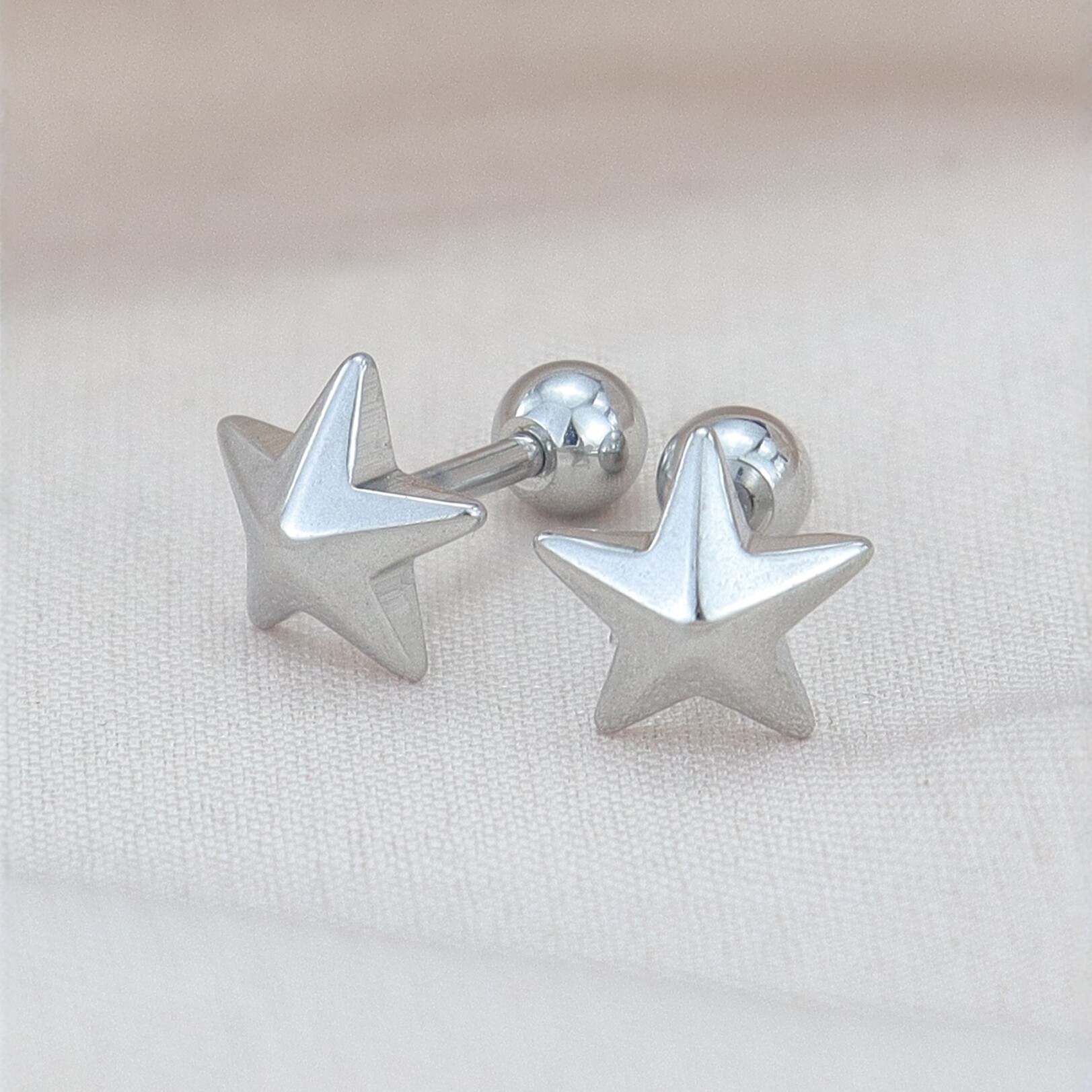
Tips your customers will ask for
Tell buyers to keep pieces dry, wipe sweat off after workouts, and avoid spraying perfume directly on jewelry. These habits cut irritation and also slow plating wear. For the most sensitive customers, lead with titanium or solid 316L pieces, and avoid fashion-alloy hooks. Stocking a clearly labeled low-nickel range is an easy way to stand out in a crowded market.
Low-nickel selling points
316L surgical steel. Low nickel leaching. Suitable for most sensitive ears. Keep dry and wiped. Honest wording, no absolute guarantees.Frequently asked questions
Why do my ears turn red and itchy?
Usually a reaction to nickel leaching from the metal in sweat. It is a common contact allergy, not an infection.
Is stainless steel always hypoallergenic?
316L is low-nickel and safe for nearly everyone. Lower grades of steel, like 201, can contain more nickel and may still irritate. Ask which grade you are buying.
What does hypoallergenic actually mean?
It means a much lower chance of reaction, not an absolute zero. A small number of people still react to any metal.
Do plated pieces cause reactions?
Sometimes, once the thin plating wears off and the base alloy shows. That is why reactions can appear after weeks of wear.
What is the safest metal for very sensitive skin?
Titanium and niobium are the lowest-risk options, followed by 316L stainless steel. Fashion alloy is the highest risk.
Can a nickel allergy go away?
Once you are sensitized, it usually stays. The fix is choosing low-nickel pieces, not waiting for it to pass.
How should I describe low-nickel jewelry online?
Use honest wording: 316L, nickel-conscious, suitable for most sensitive ears. Avoid absolute guarantees like "zero reaction ever."
What reduces reactions in daily wear?
Keep pieces dry, wipe sweat off, avoid direct perfume, and choose 316L or titanium over fashion alloy.
Bottom line
Nickel allergy is common and easy to address with honest material choices. 316L stainless steel serves most sensitive ears, titanium serves the most sensitive. Sell the facts, avoid absolute guarantees, and you build trust with exactly the customers cheap earrings lose.
- Company Info
- Feedback
- Customer Reviews
- About Us
- Dropshipping
- FAQ
- Jewelry Wholesale Blog
- User Center
- Forget Password
- My Orders
- Tracking Order
- My Account
- Register
- Payment & Shipping
- Terms And Conditions
- Return Policy
- Shipping Methods
- Payment Methods
- Discount