
Stainless Steel vs Silver, Titanium and Alloy FAQ
Stainless Steel vs Silver, Titanium and Alloy
Walk into any jewelry category and the labels blur: stainless steel, sterling silver, titanium, zinc alloy, fashion metal. The material you choose decides the price you can charge, the return rate you suffer, and how many customers react badly. As a buyer, comparing metals is not academic. It is the difference between a piece that lasts a year and one that turns a green wrist after two weeks. This FAQ breaks down the four metals you will actually stock, side by side.
Why stainless steel is the everyday default
316L stainless steel sits in a sweet spot. It is strong, it does not tarnish, it rarely causes reactions, and the wholesale cost is low enough that you can retail it at an accessible price. It also holds detail well, so engraved and textured designs look sharp. For a store that sells to everyday buyers who shower and sweat in their jewelry, steel is the safe choice. It is not precious, but it does not need to be.
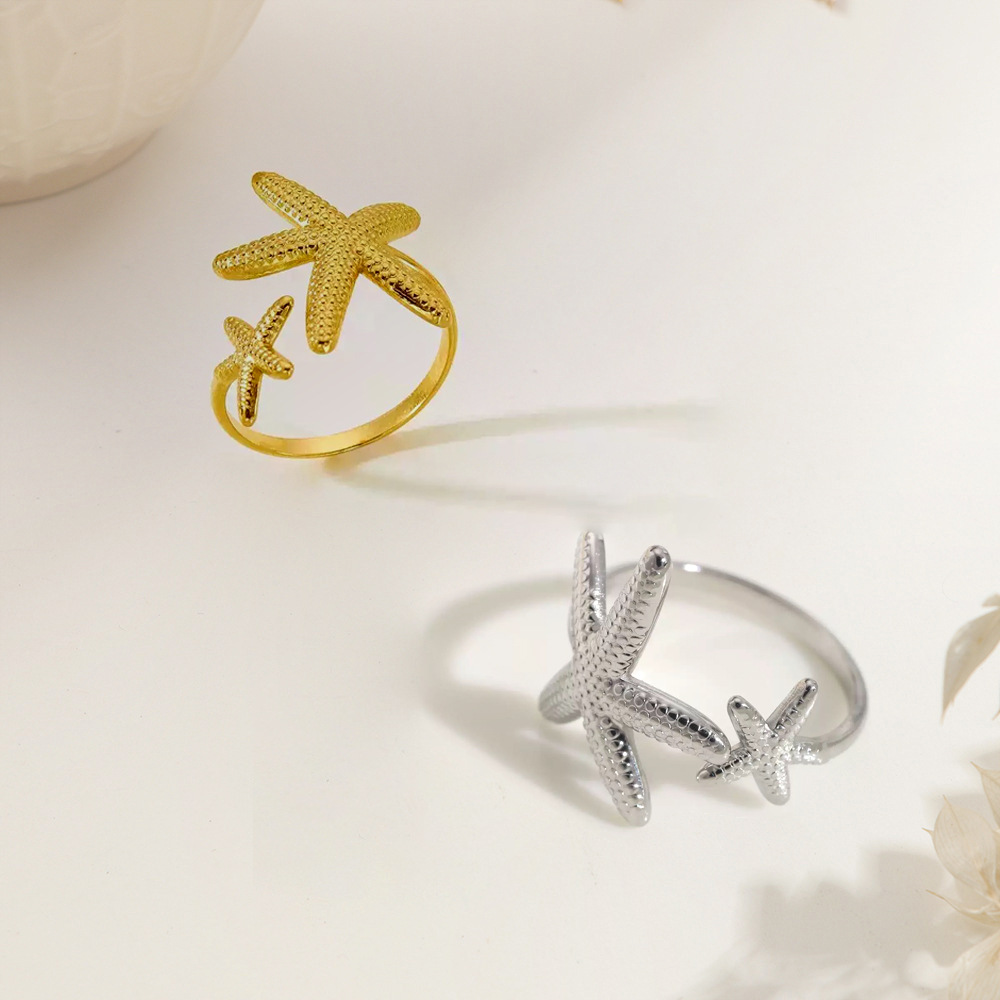
Side by side with the alternatives
Sterling silver sells on prestige and can be polished back, but it tarnishes, needs more care, and costs more both to buy and to replace. Titanium is ultra light and very strong, but it is harder to work with and design variety is narrower. Fashion alloy (zinc or tin based) is the cheapest, which is why so many cheap pieces use it, but it is the most likely to fade, chip and cause skin reactions.
| Metal | Tarnish risk | Hypoallergenic | Wholesale cost | Best role |
|---|---|---|---|---|
| 316L Stainless steel | Very low | Mostly yes | Low to mid | Everyday, active wear |
| Sterling silver | Moderate, tarnishes | Usually yes | High | Gift, premium feel |
| Titanium | Very low | Yes, very pure | Mid to high | Sensitive skin, lightweight |
| Fashion alloy | High, fades | Risky, nickel common | Very low | Trend, fast turnover |
How the choice affects your store
Steel lets you promise wear in the shower and gym, which is a real selling point in copy. Silver lets you charge more but you must give care instructions. Alloy lets you chase the lowest price, but the return and complaint rate climbs. Most profitable small stores build around stainless steel for volume, add a small silver or titanium section for customers who want something finer, and keep alloy only for clearly disposable trend pieces.
Reading supplier specs
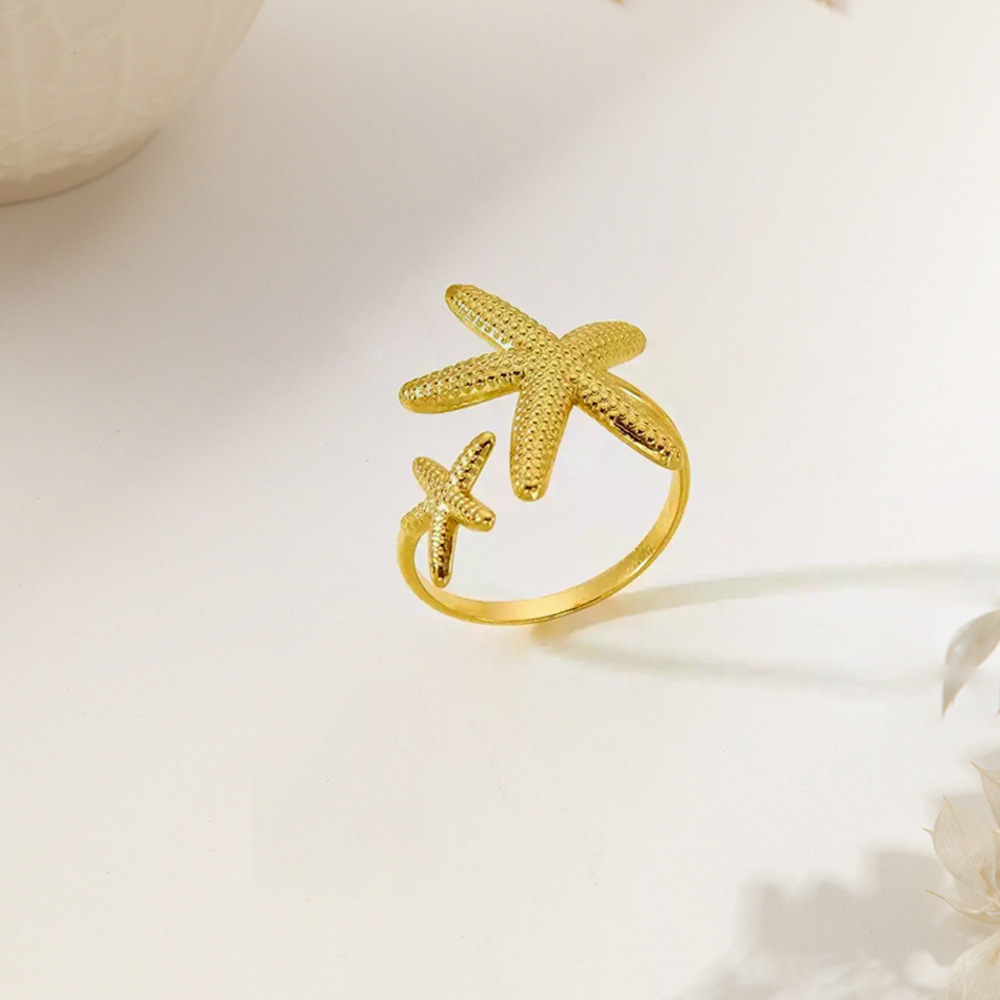
Not all stainless steel is equal. 316L is the surgical grade, the better choice for skin contact. 201 and 304 steel are cheaper but less corrosion resistant. When a listing just says "stainless steel," ask which grade. Nickel-free plating matters for sensitive customers. A supplier who can tell you the grade and plating is a safer bet than one who just sends pretty photos.
Quick stock rule
Main volume in 316L steel. Add a narrow silver or titanium range for premium shoppers. Keep alloy limited to low-price trend items you expect to turn fast.Frequently asked questions
Is stainless steel better than sterling silver?
Better depends on the buyer. Steel is tougher, cheaper and care-free. Silver looks finer, can be polished, and carries prestige, but it tarnishes and costs more. Steel wins for everyday durable wear; silver wins for gifting and premium feel.
Does stainless steel jewelry turn skin green?
Proper 316L stainless steel very rarely does. Green skin comes from copper or nickel in cheap alloy. If a piece is clearly labeled 316L, that complaint is unlikely.
Is stainless steel hypoallergenic?
Most people react fine to 316L because it is low in nickel and well sealed. Those with extreme nickel sensitivity may still prefer solid titanium or niobium, but steel suits the large majority.
Which metal is cheapest to wholesale?
Fashion alloy is the cheapest, then stainless steel, then titanium, then sterling silver by weight. Cheap alloy saves you money up front but costs you in returns and bad reviews.
Does stainless steel tarnish in water?
No. It resists water, sweat and perfume far better than silver or plated alloy. That is why it is the default for shower-safe, gym-safe everyday pieces.
Is titanium worth the extra cost?
For sensitive-skin customers and buyers who want feather-light long wear, yes. For the mainstream store, steel covers most needs at a friendlier price and with more design choice.
How do I know a supplier really sells 316L?
Ask for the grade and any test or plating detail, order samples, and check the weight and finish. Real 316L feels solid and does not rust or fade after a month of wear testing.
Should I mix metals in my store?
Yes, but keep it structured. Build the catalog around one core metal (steel), then layer a small premium section. Jumping between every metal dilutes your brand and your buying power.
Bottom line
316L stainless steel is the volume workhorse: durable, low-return, easy to sell. Use silver or titanium when a customer specifically wants them, and keep cheap alloy for disposable trends. Stock the right metal and half your quality complaints never arrive.
- Company Info
- Feedback
- Customer Reviews
- About Us
- Dropshipping
- FAQ
- Jewelry Wholesale Blog
- User Center
- Forget Password
- My Orders
- Tracking Order
- My Account
- Register
- Payment & Shipping
- Terms And Conditions
- Return Policy
- Shipping Methods
- Payment Methods
- Discount