Stainless Steel vs Titanium vs Sterling Silver FAQ
Tarnish, Weight, Price, and Which Metal Fits Your Jewelry Line
The Metal Decision Comes First
Before you pick styles, pick the metal. It decides your price point, your return rate, and what customers say about you six months after the sale. Stainless steel, titanium, and sterling silver each look good on the shelf. They behave very differently in real life.
Shoppers and wholesale buyers keep comparing these three because they sit at the same price-friendly end of the market. But the chemistry behind each one changes how you should sell it, care for it, and price it.
This guide settles the comparison with numbers, not opinions. You will know which metal fits your brand before you order a single piece.
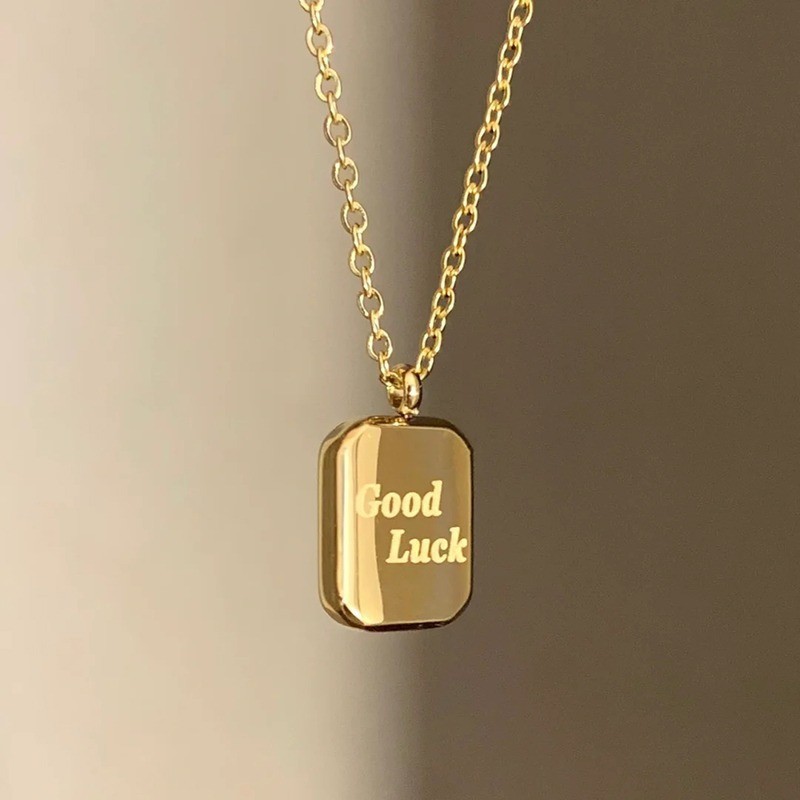
Metal facts for 2026: 316L stainless steel contains 16 to 18 percent chromium and 2 to 3 percent molybdenum. The chromium forms a self-healing oxide layer, so pieces resist tarnish and rust, even in water and sweat. Typical wholesale pieces run $15 to $60 and need zero maintenance. Titanium, especially grade 5, costs $80 to $250, is lighter and extremely strong, but is hard to engrave, resize, or polish once scratched. Sterling silver, 925, runs $50 to $200, tarnishes from sulfur and air, and needs polishing cloths and dips, with roughly $40 or more of five-year maintenance. Silver can be resized by a jeweler; stainless and titanium cannot. For everyday fashion jewelry, 316L is usually the practical choice: it takes gold plating better, resists scratches, and costs less.
Comparing the Three Metals
Does stainless steel jewelry tarnish?
Stainless steel behavior: (1) No, 316L does not tarnish under normal wear. (2) The chromium oxide layer self-heals when scratched. (3) It resists water, sweat, oils, and dirt. (4) You can wear it in the shower and gym. (5) Molybdenum adds chloride resistance for swimming. (6) It does not need polishing cloths or dips. (7) PVD gold finishes on stainless last far longer than on brass. (8) Wipe it with a soft cloth if it looks dull. (9) That is all the care it needs. (10) Low maintenance means fewer returns and happier customers.
Which metal is best for sensitive skin?
Hypoallergenic ranking: (1) Titanium is the most biocompatible. It wins for absolute sensitivity safety. (2) 316L stainless steel contains nickel, but the structure locks it in. (3) The leach rate stays very low, so over 90 percent of nickel-sensitive people wear it fine. (4) Sterling silver is mostly nickel-free, but the copper alloy can react on very sensitive skin, especially when tarnished. (5) If a customer has true metal allergy, offer titanium. (6) If they have ordinary sensitivity, 316L works for most. (7) Nickel release limits in the EU apply to skin-contact jewelry. (8) Ask for nickel release reports from your supplier. (9) PVD coating adds another barrier. (10) Test on your own skin before promising anything.
Which is more durable for daily wear?
Durability: (1) Titanium is the strongest and resists bending and denting. (2) 316L is strong and scratch-resistant, slightly softer than titanium. (3) Sterling silver is soft and scratches easily. (4) Stainless handles city life, gyms, and travel. (5) Titanium is lighter on the wrist. (6) But titanium is hard to polish once scratched. (7) Silver needs regular care to keep its shine. (8) For fashion jewelry worn daily, stainless is the workhorse. (9) For sport or implant-grade needs, titanium. (10) Silver is for careful, occasional wear.
| Property | 316L Stainless | Titanium | Sterling Silver |
|---|
| Typical price | $15-$60 | $80-$250 | $50-$200 |
| Tarnish risk | Virtually none | None | High, reacts to air and sulfur |
| Weight | Moderate | Lightest | Moderate |
| Skin-safe | Good for 90%+ | Best | Good, copper can react |
| Maintenance | None | Hard to polish if scratched | Polishing cloths, dips, $40+ over 5 years |
| Resize/engrave | Easy to engrave | Very hard | Resizable by jeweler |
| Best use | Daily fashion | Sports, allergy-safe | Evening, traditional |
Cost Over Five Years
What does each metal really cost over time?
Total cost thinking: (1) Stainless: $15 to $60 upfront. Near zero maintenance. (2) Titanium: $80 to $250 upfront. Hard to polish if scratched, but no tarnish. (3) Silver: $50 to $200 upfront, plus $40 or more of five-year care. (4) Polishing cloths and dips add up. (5) Silver pieces tarnish and need re-polishing to look new. (6) Stainless looks the same after a year. (7) For a seller, low maintenance cuts returns and support. (8) For a customer, stainless is the cheapest over the life of the piece. (9) Silver holds traditional value but needs care. (10) Your price point decides which fits.
Which metal takes gold plating best?
Plating: (1) Stainless steel takes PVD gold plating very well. (2) The base is hard and smooth. (3) Titanium is harder and takes plating less easily. (4) It can be anodized into colors like blue and purple. (5) Silver is often plated too, but the soft base scratches. (6) PVD on stainless resists peeling and fading. (7) That is why gold-tone stainless pieces outsell in fashion lines. (8) Ask for plating thickness in microns. (9) Salt spray tests prove the finish holds. (10) Gold-tone stainless gives a premium look at a fraction of gold price.
Which metal should a new brand start with?
Starting recommendation: (1) Most new jewelry brands should start with 316L stainless steel. (2) Low cost means lower risk inventory. (3) No tarnish means fewer returns. (4) It photographs well and looks premium. (5) It fits everyday, athleisure, and gifting. (6) Titanium suits piercing and allergy-niche brands. (7) Silver suits traditional and fine-adjacent lines. (8) You can add silver later as your brand matures. (9) Stainless gives the fastest path to testing what sells. (10) Keep one or two silver pieces for higher price points.
Customer Questions
Why is stainless steel jewelry so cheap?
Price reason: (1) Stainless is an industrial alloy made in huge volumes. (2) Raw material is inexpensive. (3) It is durable, so yield is high. (4) No precious metal content drives the price. (5) That is why wholesale prices stay low. (6) Cheap does not mean low quality. (7) The finish and design determine perceived value. (8) PVD gold tone makes it look premium. (9) Margins are healthy for sellers. (10) Explain the durability to customers and the price makes sense.
Is stainless steel jewelry worth selling at a premium?
Premium angle: (1) Yes, if you sell the story. (2) Waterproof, tarnish-free, everyday wear. (3) Branding and packaging raise the perceived value. (4) A $2 wholesale piece can retail at $15 to $30. (5) Design matters more than material cost. (6) Layered and gold-tone pieces sell at higher prices. (7) Customers pay for durability and look, not raw material. (8) Premium pricing works with trust signals. (9) Reviews about lasting shine sell the next piece. (10) Stainless gives you margin and repeat customers.
- Stainless 316L: $15-$60. No tarnish, no maintenance, good for 90%+ of skin.
- Titanium: $80-$250. Lightest, strongest, most hypoallergenic, hard to engrave or polish.
- Sterling silver: $50-$200. Classic shine, tarnishes, needs $40+ of care over five years.
- Best for daily fashion: 316L stainless. Takes gold PVD well, resists scratches.
- Best for allergy: Titanium.
- Best for traditional: Sterling silver.
- Seller advantage: Low maintenance means fewer returns and happier reviews.
- Start with: Stainless. Add silver as your brand grows.
Final Metal Advice
Metal choice is a business decision, not a taste decision. Your inventory, your care instructions, and your return policy all flow from it. Stainless steel wins for most new and growing brands because it removes the two biggest customer complaints: tarnish and upkeep.
Showfay has built its line around 316L stainless steel for this reason. Waterproof, nickel-safe for most wearers, and priced for wholesale margins. Add a few silver or titanium pieces later if your customers ask for them.
Pick the metal your customers will still love after a year, not just on day one.
Browse 316L StylesWaterproof, Tarnish-Free, Wholesale · MOQ $150
Request Material ReportsNickel Release and Salt Spray Docs on Request