
Stud Earrings FAQ: Sizing, Styles and Wholesale
Stud Earrings FAQ
Stud earrings are the quiet workhorse of every jewelry business. They are small, cheap to ship, easy to stock in dozens of colors, and customers buy them in pairs and sets. Hoop earrings get all the attention, but studs pay the bills because they sell to everyone: kids getting their first ears pierced, commuters who want something subtle, people with multiple piercings stacking curations. This FAQ covers stud sizes, styles, backing types, and how to buy them wholesale without overstocking.
Stud sizes and what they look like
Studs are measured by the diameter of the front, in millimeters. The 3 to 5 millimeter range is the everyday small stud. At 6 to 8 millimeters it starts to make a statement. Above 10 millimeters it is a bold piece, not a subtle earring. Tell customers the actual millimeter size. A pair listed as "small" means nothing, but "4 mm round ball stud" tells them exactly how it will sit on the ear. Sizing confusion is the number one cause of stud returns.
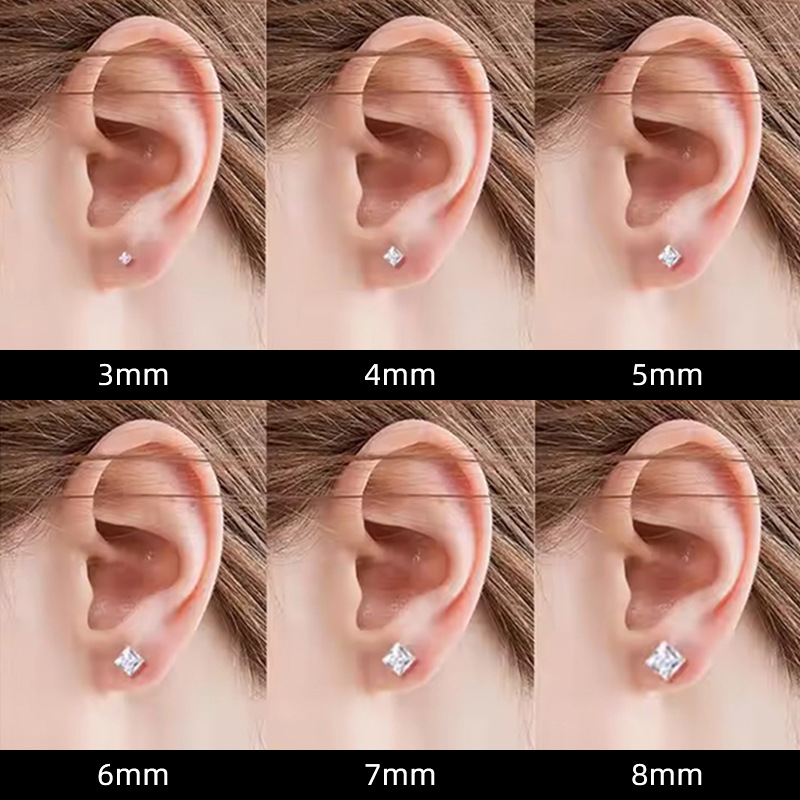
| Size | Look | Best for |
|---|---|---|
| 3 to 4 mm | Tiny, subtle | First piercings, everyday wear |
| 5 to 6 mm | Classic everyday | Most customers, second holes |
| 7 to 10 mm | Noticeable | Single statement stud |
| 10 mm plus | Bold | Evening, fashion looks |
Backing and post type
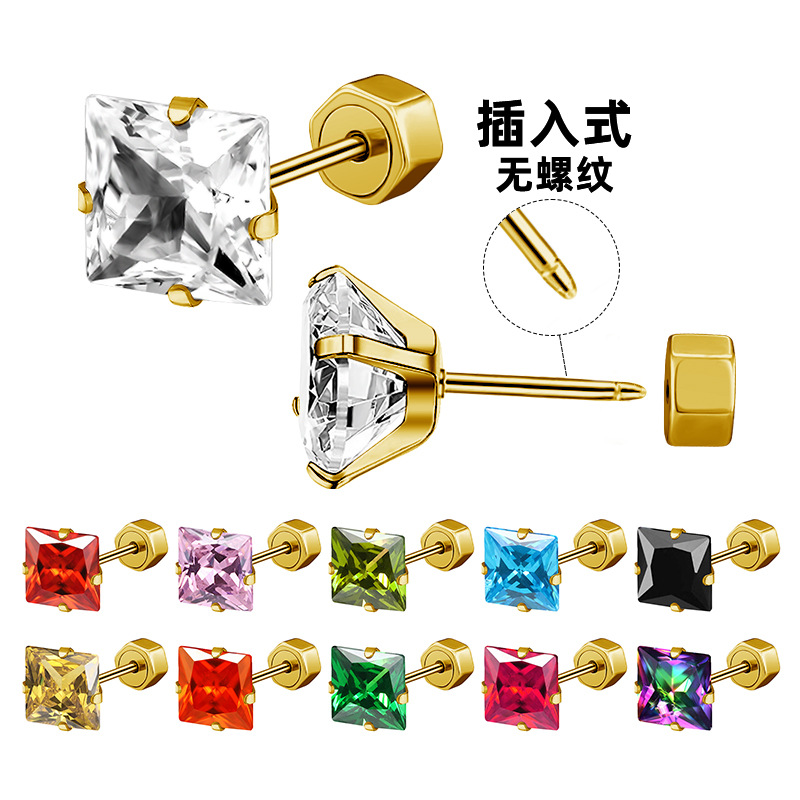
Most stainless steel studs use a butterfly back or a push back. Screw backs are more secure for kids and active wear but slower to put on. Flat backs sit flush against the ear, which is better for sleeping and for cartilage piercings. When you list, say which backing comes on the pair. Customers with sensitive ears care that the post is 316L surgical steel, not just the front.
Curated ear stacks
The modern ear is not one stud. Customers build a stack: a small stud in the first hole, a tiny hoop in the second, a cartilage stud up top. That means you can sell studs in themed sets of three or four. A "minimal ear stack" set with different sizes and shapes sells better than a single stud because the customer does not have to match pieces themselves. It also raises order value from a few dollars to a bundle.
Buying studs wholesale
Studs are cheap individually, so minimum order is easy to hit. Buy a few sizes and a few shapes rather than hundreds of one style. Round balls, small CZ, heart, star, and pearl-look studs cover most demand. Because they are tiny, shipping is cheap and storage is simple, which makes them ideal for new sellers testing the market. Just keep an eye on finish: cheap plated studs tarnish fast and bring complaints, while PVD-coated stainless steel holds color for years.
Stud buying checklist
Start with 4 to 6 mm everyday sizes. Buy by the pair in mixed shapes. Check the post is 316L surgical steel. Prefer PVD-coated finish over cheap plating. Sell in ear-stack sets to raise order value.Frequently asked questions
What stud size is most popular?
4 to 6 millimeters. It is small enough for everyday wear but visible enough to notice.
How do I stop stud size returns?
List the exact millimeter diameter and show the stud next to a coin or on an ear. Never use vague words like "small."
Are stainless steel studs good for sensitive ears?
316L surgical steel posts are low-nickel and well tolerated. Confirm the post material, not just the front.
What backing is best?
Butterfly backs are standard. Screw backs are more secure for kids. Flat backs work for cartilage and sleeping.
Should I sell studs in sets?
Yes. Ear-stack sets of three or four small pieces raise order value and save the customer matching work.
Do cheap plated studs last?
No. They tarnish quickly and bring complaints. PVD-coated stainless steel holds color for years.
What shapes should I stock?
Round balls, small CZ, heart, star, and pearl-look cover most demand. Start narrow and reorder what sells.
Are studs a good first wholesale order?
Yes. They are cheap, small, cheap to ship, and easy to stock. Perfect for testing the market.
Bottom line
Studs are a reliable, high-turnover category. Sell exact millimeter sizes, prefer 316L posts and PVD finish, and merchandise them in curated ear stacks. Start with the everyday 4 to 6 millimeter range and expand from what sells.
- Company Info
- Feedback
- Customer Reviews
- About Us
- Dropshipping
- FAQ
- Jewelry Wholesale Blog
- User Center
- Forget Password
- My Orders
- Tracking Order
- My Account
- Register
- Payment & Shipping
- Terms And Conditions
- Return Policy
- Shipping Methods
- Payment Methods
- Discount