
Waterproof Stainless Steel Jewelry FAQ: Shower, Sweat, Swim Proof
Waterproof Stainless Steel Jewelry FAQ
"Can I shower with it?" That is the single most asked question in our wholesale inbox, and it has changed the product conversation entirely. Ten years ago, you told customers to take jewelry off before bed. Today, buyers want pieces that survive the shower, the gym, and a trip to the beach without turning green or falling apart. This FAQ covers what waterproof jewelry actually means, how 316L stainless steel performs, and what to tell your customers so they stop returning tarnished goods.
What "waterproof" really means in jewelry
Let us clear up the marketing language first. No jewelry is truly indestructible, but there is a real difference between materials. Plated brass or alloy jewelry is not waterproof at all. The thin plating wears through, the base metal reacts with water and sweat, and you get green skin, blackened chains, and stones that loosen. 316L stainless steel is a different animal. It is an alloy that already contains chromium, which forms a passive layer that resists rust and corrosion. In normal contact with water, sweat, chlorine at low levels, and soap, it stays essentially unchanged for years.
The consumer shift is clear. Buyers under 35 increasingly look for "waterproof," "sweatproof," and "tarnish-free" as search terms, and they reward brands that are honest about what survives. E-commerce is projected to handle nearly half of all fashion jewelry sales this year, and a big chunk of that growth rides on durable, everyday pieces.
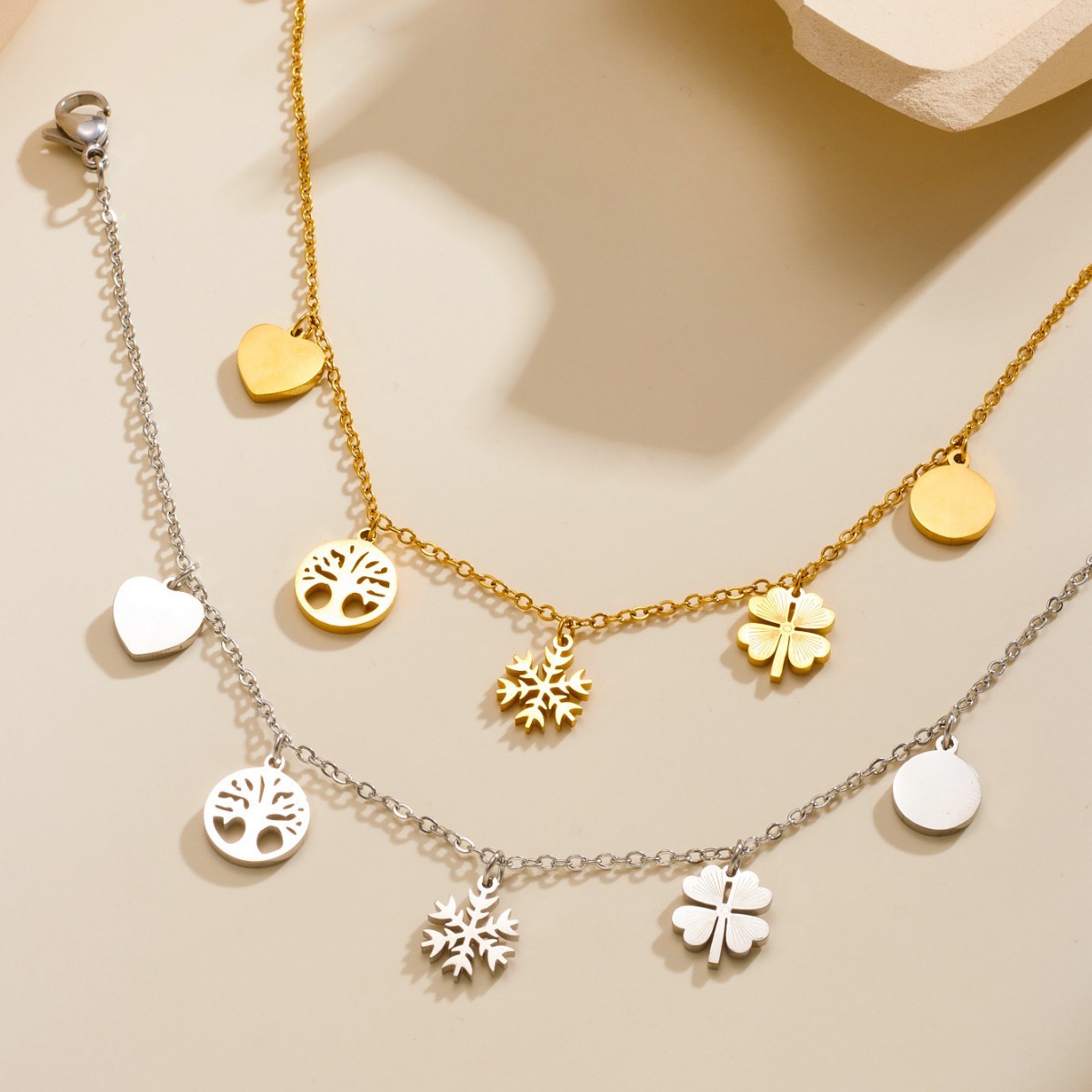
What 316L actually survives
We put the practical answer in a table because customers ask scenario by scenario. Short version: everyday water is fine, harsh chemicals are not.
| Scenario | 316L Stainless Steel | Plated Brass / Alloy |
|---|---|---|
| Daily hand washing | Fine, no issues | Tarnishes within weeks |
| Showering with soap | Fine, rinse after | Plating wears off |
| Gym sweat | Fine, wipe dry | Green skin reactions |
| Swimming pool (chlorine) | Mostly fine, rinse after | Clouds and discolors |
| Ocean / salt water | Rinse with fresh water after | Corrodes quickly |
| Hot tub / strong chemicals | Remove to be safe | Remove immediately |
| Perfume, hairspray, lotion | Apply before wearing | Damages plating |
Why plated pieces fail so fast
A lot of "waterproof" claims online are misleading. A thin electroplated gold or rose gold layer over brass can look identical in product photos, but it wears at the contact points in days or weeks. The plating chips where the ring rubs against the knuckle, where the chain touches the collar, where the bracelet clicks against a desk. Once it wears through, the brass underneath reacts with skin oils and sweat. That is the green mark, the black smudge on clothing, and the review that says "turned after one week."
PVD coating is the upgrade worth knowing. Physical Vapor Deposition bonds a layer onto stainless steel under vacuum, and a properly done PVD black or gold finish can last one to two years with daily wear. It is more expensive than cheap plating but dramatically more durable, which is why it is the finish we recommend for the waterproof positioning.
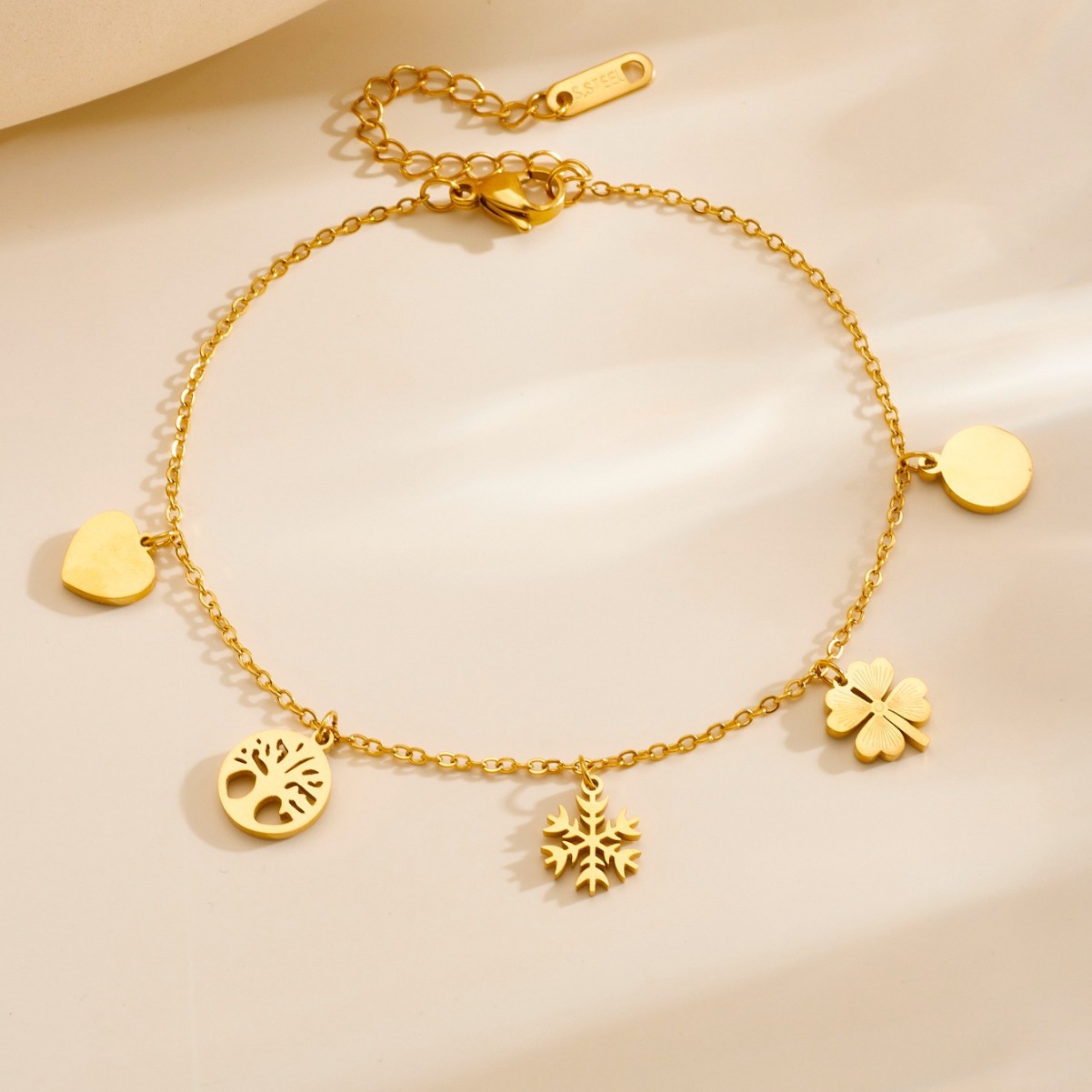
How to market it without overpromising
Sellers get in trouble when they say "lifetime guaranteed never tarnishes." That is a promise you cannot keep. The safer, more trustworthy phrasing sells better anyway. Words like "shower-safe," "tarnish-resistant," "nickel-free 316L," and "built for everyday wear" set realistic expectations. Show the material grade, explain the rinse-after-saltwater tip, and your reviews stay strong. Transparency here is a conversion tool, not a weakness.
Product page copy that works
Try: "316L surgical stainless steel. Shower-safe, sweat-proof, and nickel-free. Rinse after ocean or pool water. Designed for daily wear." It pre-empts the "will it turn green" question before the customer types it.Frequently asked questions
Can customers really shower with stainless steel jewelry?
Yes, with normal soap and water. 316L is corrosion-resistant and handles daily shower contact without tarnishing. We recommend rinsing off soap residue and drying occasionally, but no need to take it off every morning. This is the whole reason the category took off.
Will it turn my skin green?
No, not with genuine 316L. The green stain comes from copper in brass reacting with skin acids and moisture. Stainless steel has essentially no free copper that leaches. If a piece turns skin green, it is either not stainless steel, it is a low-grade 200-series alloy, or the stone adhesive is the culprit. Buy from a supplier who confirms the grade.
Is it safe for sensitive ears and necks?
316L is the same alloy used in surgical implants, which is why it is called "surgical steel." Nickel release is extremely low. People with mild to moderate metal sensitivity usually tolerate it well. Anyone with a severe cobalt or chromium allergy should still patch-test, but that is a tiny minority.
What about swimming in the ocean or pool?
Short swims are fine, but always rinse with fresh water afterward. Salt water and chlorine leave residues that can dull a polished surface over months if left to dry on the metal. It will not rust or turn green, but a quick rinse keeps the mirror finish looking new.
Does PVD gold or black plating hold up in water?
Proper PVD on 316L is water-safe. The coating is molecularly bonded, not painted on. With normal shower and sweat exposure, expect one to two years before noticeable fading. Avoid cheap "IP gold" that is actually thin electroplating, which behaves like brass plating and wears fast.
What should customers avoid even with waterproof jewelry?
Chlorine in hot tubs (much stronger than pool water), bleach, abrasive cleaning powders, and spraying perfume or hairspray directly onto the piece. Apply fragrance and lotion first, let it dry, then put the jewelry on. Remove it before heavy house cleaning.
How do I explain the difference to customers who compare to cheap Amazon pieces?
Show the grade. A $5 plated chain and a $8 316L chain look the same on day one. On day 60 they do not. The customer who buys the cheap one returns it and leaves a bad review. The customer who pays a little more for real stainless steel keeps it for years and comes back. Your product page should say "316L" visibly and explain why that matters.
Which waterproof categories sell best?
Everyday bracelets, chains, and studs lead the volume, because people want to never take them off. Hoop earrings, men's bands, and minimalist pendants follow. The pieces that people shower with daily are exactly the repeat-buy, low-return winners.
Bottom line
Waterproof jewelry is not a gimmick. It is a material story that 316L genuinely delivers, and customers are actively searching for it. Stock the real alloy, use honest copy, and teach customers the one rinse-and-dry habit. Fewer returns, better reviews, and a category people reorder without thinking twice.
- Company Info
- Feedback
- Customer Reviews
- About Us
- Dropshipping
- FAQ
- Jewelry Wholesale Blog
- User Center
- Forget Password
- My Orders
- Tracking Order
- My Account
- Register
- Payment & Shipping
- Terms And Conditions
- Return Policy
- Shipping Methods
- Payment Methods
- Discount