Gold or Silver FAQ: Matching Metal Color to Skin Tone
Undertone Tests, Wrist Vein Tricks, and How to Merchandise Both
The Question Every Jewelry Buyer Asks
"Should I buy gold or silver?" is the most common question in any jewelry store or product page. The honest answer is that most people look good in both, but one metal usually makes their skin glow more than the other. Understanding undertones is the single fastest way to help a customer pick a piece they will actually wear.
The quick test is well known. Look at the veins on the inside of your wrist in natural daylight. Greenish veins point to a warm undertone. Bluish or purplish veins point to cool. If you cannot tell, or you see both, you are neutral. Warm skin leans golden, peachy, or olive. Cool skin has pink or blue hints. Neutral skin has a mix of both.
For wholesale buyers, this matters because it tells you which finishes to stock, how to write product descriptions, and how to train your staff. A customer who knows their undertone buys more confidently and returns less.
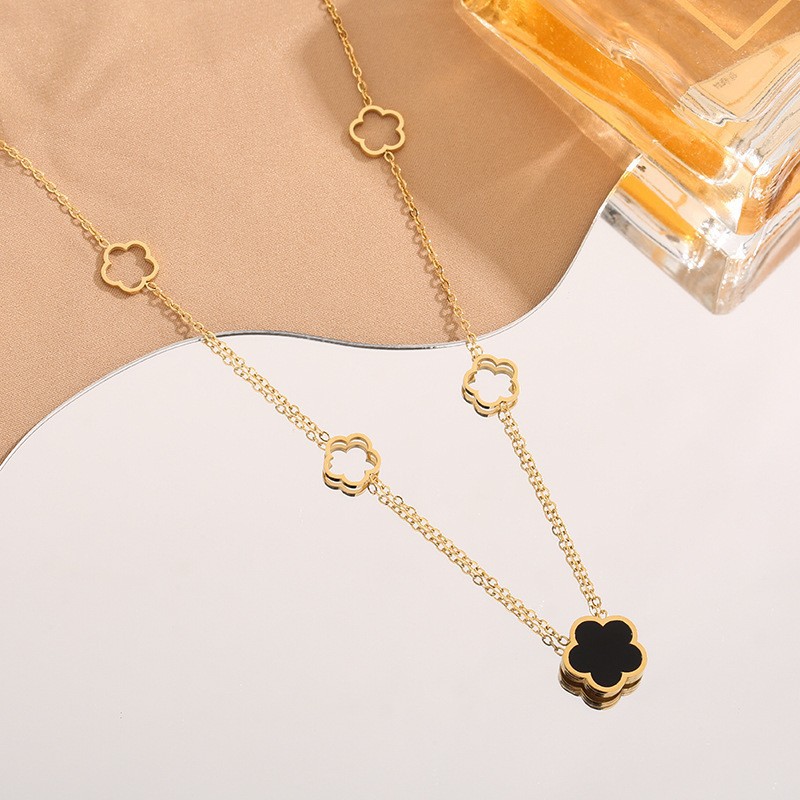
Metal matching basics: Warm undertones (golden, peachy, olive skin, green wrist veins, tans easily) look best in yellow gold, rose gold, and brass-toned pieces. Cool undertones (pink, rosy, blue hints, blue wrist veins, burn easily) shine in sterling silver, white gold, platinum, and titanium. Neutral undertones, the largest group, can wear any metal and often mix gold and silver freely. Natural daylight is the most reliable way to test. Personal style, wardrobe color, and the occasion matter as much as undertone. Most people are neutral or only slightly warm or cool, so do not over-explain the rules to shoppers.
Testing Your Undertone
How do I tell if I have warm, cool, or neutral undertones?
Tests: (1) Look at wrist veins in natural daylight. (2) Green veins suggest warm. (3) Blue or purple veins suggest cool. (4) Both or unclear suggests neutral. (5) Hold a white shirt near your face. (6) Yellow cast means warm, pink cast means cool. (7) Gold jewelry against the skin: if it brightens you, warm. (8) Silver jewelry against the skin: if it brightens you, cool. (9) Silver jewelry washing you out suggests warm. (10) Most people are somewhere in between.
Why does yellow gold suit warm skin so well?
Why it works: (1) Warm skin has golden or peach undertones. (2) Yellow gold shares the same temperature. (3) The metal does not compete, it echoes. (4) Skin looks more luminous. (5) Eyes look brighter. (6) The metal reads expensive rather than muddy. (7) Heirloom gold has worked this way for centuries. (8) Olive skin in particular glows in gold. (9) Rose gold adds a coppy warmth. (10) Warm skin can also pull off deep copper tones.
What metals flatter cool undertones?
Cool metals: (1) Sterling silver is the classic. (2) White gold and platinum. (3) Titanium and gunmetal. (4) Rhodium-plated pieces. (5) They complement pink and blue undertones. (6) They create contrast without clashing. (7) Diamonds, sapphires, amethyst, and emerald pair well. (8) Polished silver reads crisp. (9) Black tones also work for edgy looks. (10) Avoid brassy yellow gold next to very cool skin.
| Undertone | Wrist Veins | Best Metals |
|---|
| Warm / Olive | Greenish | Yellow gold, rose gold, brass |
| Cool | Bluish / Purple | Silver, white gold, platinum, gunmetal |
| Neutral | Both or unclear | Anything, mix freely |
Selling Both Finishes
Should I stock gold, silver, or both?
Stocking strategy: (1) Most customers are neutral and buy both. (2) A balanced store carries steel silver, gold PVD, and rose gold PVD. (3) Stainless steel makes all three affordable. (4) PVD gold keeps color longer than plating. (5) Start with silver as the base. (6) Add gold PVD as a premium tier. (7) Rose gold is a strong seasonal seller. (8) Display them side by side, not in separate cases. (9) Let customers try both. (10) Mixed metal stacking is a top trend right now.
Can you wear gold and silver together?
Mixed metals: (1) Yes, and it is on trend. (2) Neutral undertones pull it off easiest. (3) Warm skin can still mix, just lean more gold. (4) Cool skin leans more silver. (5) Two-tone pieces do the work for you. (6) Stack a gold chain with a silver bangle. (7) Keep the design language consistent. (8) Do not overdo it. (9) Mixed metal jewelry sells well to younger buyers. (10) Stainless makes mixed stacks affordable.
How do I write product descriptions that help buyers choose?
Description tips: (1) Name the finish clearly, like polished steel or 18K gold PVD. (2) Mention undertone compatibility. (3) Suggest styling with mixed metals. (4) Pair with wardrobe colors. (5) Show on different skin tones in photos. (6) Use on-body shots, not just product flat lays. (7) Tell customers it is safe to layer. (8) Note hypoallergenic benefits. (9) Answer the gold or silver question directly. (10) Reduce returns by setting expectations.
Beyond the Undertone Rule
Does wardrobe color change the right metal?
Wardrobe: (1) Warm wardrobe tones, creams, browns, olives, pair with gold. (2) Cool wardrobe, blacks, whites, blues, pairs with silver. (3) Neutral wardrobe can go either way. (4) Red and burgundy lift gold. (5) Pastels and icy tones lift silver. (6) Consider the dominant season. (7) Summer whites favor silver. (8) Autumn knits favor gold. (9) Many customers wear both anyway. (10) Personal preference beats the rules.
What about rose gold on different skin tones?
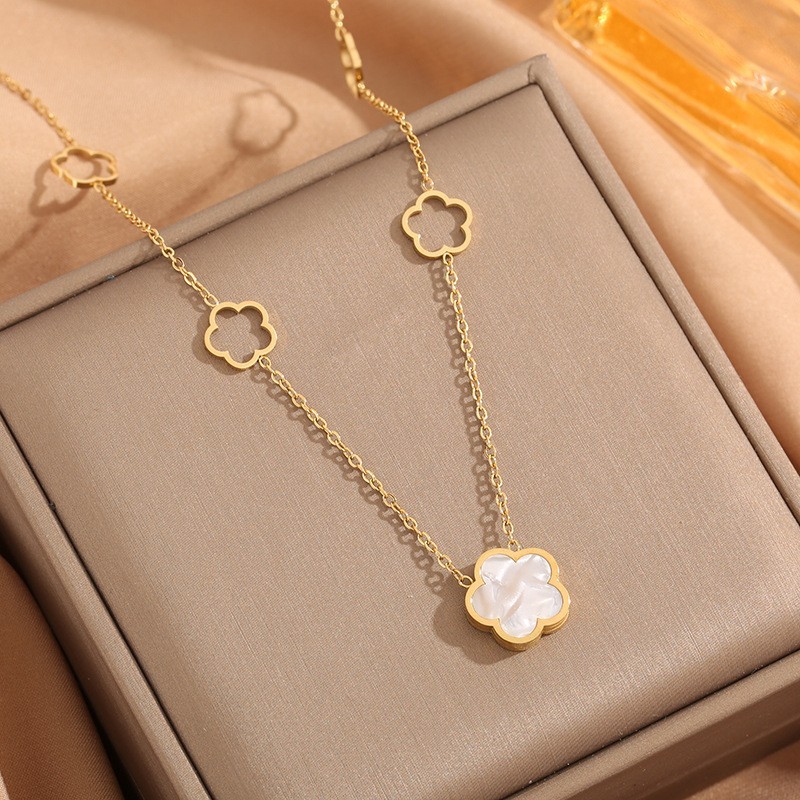
Rose gold: (1) Has a coppy, pink warmth. (2) Flatters warm and olive skin beautifully. (3) Also works on cool skin for a softer look. (4) Pairs well with both gold and silver. (5) Popular for gifts and weddings. (6) Stainless steel rose PVD resists tarnish. (7) It is a safe third finish to stock. (8) Men are also wearing rose gold quietly. (9) It photographs well. (10) Easy to merchandise as neutral-friendly.
What if a customer wants the other metal than their undertone suggests?
Customer choice: (1) Undertone is a guide, not a rule. (2) Personal preference wins every time. (3) If they love yellow gold, sell them yellow gold. (4) Trends and culture shape taste too. (5) Some buyers want jewelry that matches their existing pieces. (6) Do not correct them. (7) Help them style what they like. (8) Confidence is the best look. (9) A happy customer returns. (10) Use undertone as a service, not a gatekeeper.
- Warm skin: Golden, peachy, olive. Green veins. Gold, rose gold, brass.
- Cool skin: Pink, rosy. Blue veins. Silver, white gold, gunmetal.
- Neutral: Most people. Anything, mix gold and silver freely.
- Test: Wrist veins in daylight, white shirt near face, try both metals.
- Stock: Steel silver base, gold PVD premium, rose gold seasonal.
- Trend: Mixed metal stacking is strong right now.
- Describe: Name finish, suggest styling, show on-body.
- Rule: Preference beats undertone every time.
Final Matching Advice
Undertone matching is a helpful starting point, not a strict dress code. Most buyers are neutral, and most buyers end up mixing metals anyway. The job of a good retailer is to help them try both, then let them choose what makes them feel good.
Stainless steel makes this easy. One base metal, finished in polished steel, 18K gold PVD, rose PVD, or black IP, gives every customer a flattering option at a price they do not have to overthink.
Stock all three finishes, show them side by side, and let the customer decide.
Shop Steel, Gold PVD, Rose PVD316L Stainless · Long-Lasting Finish · 31,000 Styles
Open a Wholesale AccountMOQ $150 · Factory Direct Since 1998