Jewelry Warranty FAQ: After-Sales Policy That Protects Both Sides
Coverage Length, Exclusions, and Smart Repair Templates
Why a Clear Warranty Sells More Jewelry
A lot of small jewelry brands either ignore warranties or promise everything. Both backfire. Vague policies invite disputes. Lifetime coverage on every piece sounds great until a customer sends back a chain they wore for two years in the shower and expects a free replacement.
The best policies are short, written in plain English, and tell the customer exactly what is fixed for free, what is paid, and what is not covered at all. For wholesale buyers, knowing your supplier's warranty terms also shapes what you can promise your own customers.
This guide walks through the common warranty structures in fashion jewelry, what to cover, what to exclude, and how to handle the most common claims.
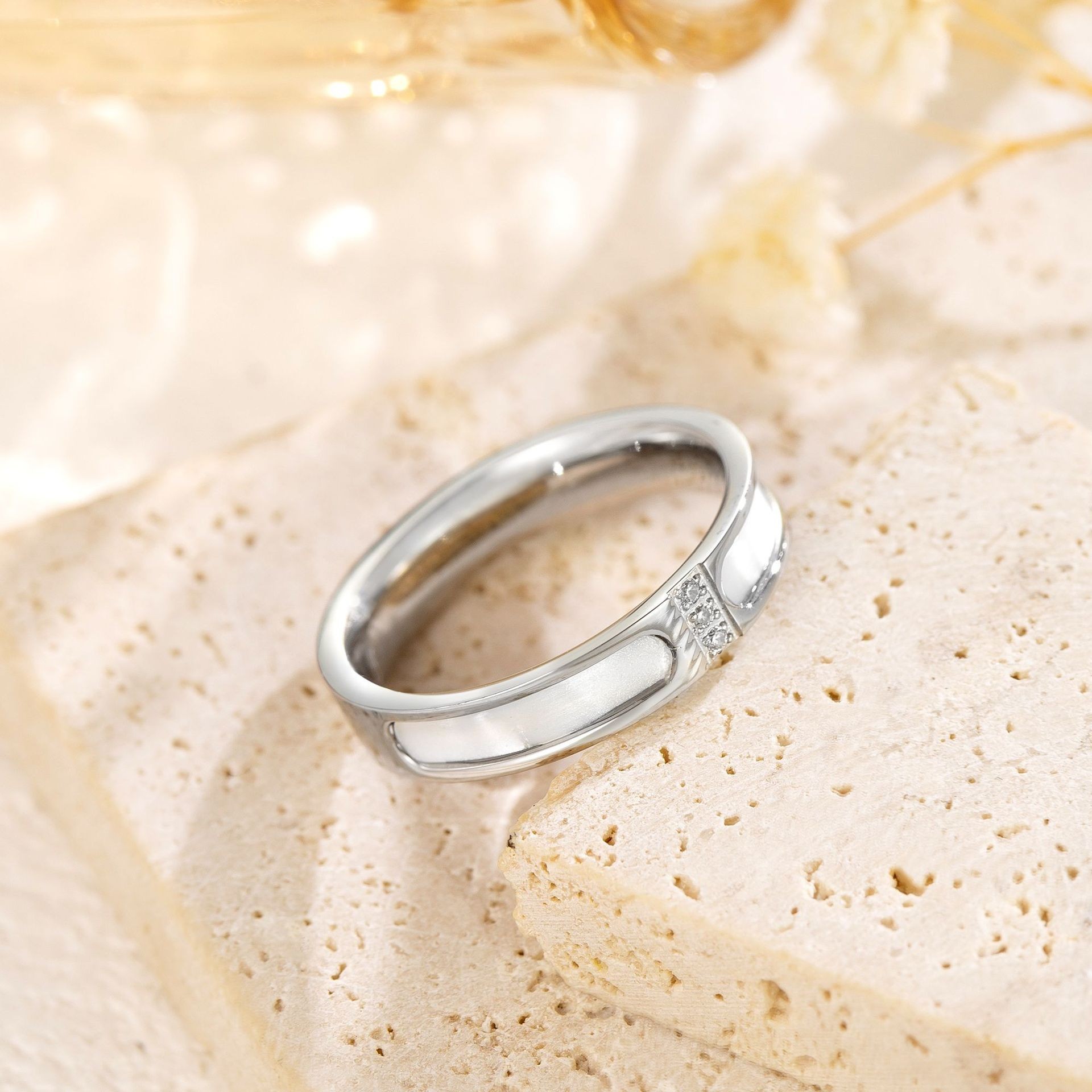
Warranty benchmarks for fashion jewelry: Most fashion jewelry warranties run 6 months to 1 year. A 5-year comprehensive warranty typically covers defects plus polishing, stone tightening, and periodic inspection, and costs about $150 to $300 per piece or 2 to 4 percent of product value, aimed at fine and bridal. Limited lifetime warranties exist but usually require annual inspection, repairs through the original seller, and are non-transferable. Standard exclusions: normal wear, accidental damage, scratches, loss, theft, unauthorized repairs, and damage from chemicals or misuse. Plated pieces commonly carry a 12-month finish warranty; after that, re-plating is offered as a paid service. Many brands offer 30 days for full refunds or exchanges, while personalized pieces carry a 15 percent restocking fee. A one-year free repair warranty on manufacturing defects covers broken clasps, loose stones, broken jump rings, and broken soldered connections.
Choosing the Right Warranty Length
How long should my jewelry warranty be?
Warranty length: (1) 6 months to 1 year is standard for fashion jewelry. (2) 1 year free repair covers most manufacturing defects. (3) 5 years is for fine and bridal. (4) Lifetime sounds impressive but needs strict conditions. (5) Match the warranty to your price point. (6) Cheap fashion pieces should not promise lifetime coverage. (7) Stainless steel builds can carry longer coverage. (8) State the start date clearly. (9) Renewal or inspection keeps it valid. (10) Write it down, do not wing it.
What should a 1-year warranty actually cover?
Typical 1-year coverage: (1) Broken clasps. (2) Loose or missing stones. (3) Broken jump rings. (4) Soldered parts coming loose. (5) Prongs that fail. (6) Chain links breaking at the weld. (7) Finish defects within 12 months. (8) Defects in materials. (9) Structural failures under normal wear. (10) Not normal wear, not accidents.
What should never be covered?
Standard exclusions: (1) Normal wear and scratches. (2) Accidental damage and breaking. (3) Loss or theft. (4) Repairs done by another jeweler. (5) Damage from chemicals, perfume, or chlorine. (6) Mishandling or abuse. (7) Plating wear after the warranty window. (8) Personalized or engraved pieces, except for defects. (9) Color changes from skincare products. (10) State these clearly up front.
| Warranty Type | Coverage | Best For |
|---|
| 6-12 months | Manufacturing defects only | Fashion jewelry, stainless |
| 1 year free repair | Clasps, stones, soldering, finish defects | Growing DTC brands |
| 5-year comprehensive | Defects plus polishing and inspection | Fine jewelry, bridal |
| Lifetime limited | Defects, with annual inspection | Premium positioning |
Handling Common Claims
A customer says their stainless steel piece tarnished. What do I do?
Tarnish claims: (1) 316L stainless is highly tarnish resistant. (2) Ask what they exposed it to. (3) Perfume, sweat buildup, and chemicals can dull the finish. (4) Most tarnish wipes off with a polishing cloth. (5) If the PVD coating is genuinely failing within 12 months, replace it. (6) After 12 months, offer a paid re-finish. (7) Reply calmly, do not accuse. (8) Send care instructions with the fix. (9) Check batch records for defects. (10) Document the exchange for quality control.
How do I handle a broken clasp or chain?
Broken clasp: (1) Inside warranty: replace or repair free. (2) Ask for a photo. (3) Determine if it is a weld defect or misuse. (4) Send a prepaid label if your policy allows. (5) Outside warranty: offer a paid repair or discount on replacement. (6) Keep turnaround under 2 weeks. (7) Track defect rates by SKU. (8) If one clasp style fails often, switch supplier. (9) Thank the customer for the feedback. (10) A fast fix beats a long argument.
Do I need a receipt to honor a warranty?
Receipt policy: (1) Ask for the order number or receipt. (2) Check your records. (3) Most claims are honest. (4) Do not make customers dig through years of emails. (5) Email order lookup works. (6) Gift recipients can still claim. (7) If no proof, judge by the piece. (8) Use judgment for repeat customers. (9) State proof requirement in the policy. (10) Keep it human.
Building a Policy That Scales
Should I offer free returns and exchanges?
Returns window: (1) 30 days is standard. (2) Offer refund or exchange. (3) Personalized pieces can carry a restocking fee, around 15 percent. (4) Require unworn and in original packaging. (5) Track return reasons. (6) Cover defective items fully. (7) Buyer pays return shipping for change of mind. (8) Exceptional service converts returners. (9) State the window clearly. (10) Honor it without friction.
How much should paid repairs cost?
Paid repair pricing: (1) Small clasp fixes, $5 to $15. (2) Re-plating or re-finish, $8 to $25. (3) Stone replacement, varies by size. (4) Resizing rings, $10 to $20. (5) Include return shipping in the price. (6) Discount for loyal customers. (7) Transparent pricing up front. (8) Compare to the cost of a new piece. (9) Some repairs are not worth it, offer a replacement discount. (10) Faster turnaround justifies the price.
How do I choose a supplier with good after-sales support?
Supplier checks: (1) Ask about their defect rate. (2) Request replacement terms for defective stock. (3) Ask how they handle quality claims. (4) Sample first, check clasps and welds. (5) Read what other buyers say. (6) Fast response time matters. (7) Look for factories with QC processes. (8) Consistent batches beat cheapest price. (9) Keep records of every claim. (10) A supplier that fixes problems quietly saves your reputation.
- Length: 6-12 months for fashion, 5 years for fine, lifetime needs conditions.
- Covered: Broken clasps, loose stones, soldering, finish defects, welds.
- Excluded: Normal wear, accidents, loss, chemicals, unauthorized repairs.
- Returns: 30 days standard, 15% restocking on personalized.
- Tarnish: 316L resists tarnish, PVD failures inside 12 months replaced.
- Repairs: $5-25 paid fixes, fast turnaround wins loyalty.
- Supplier: Low defect rate, fast replacements, consistent QC.
- Write it: Short, plain English, no surprises.
Final Warranty Advice
The best warranty policy is the one you actually follow. Write down what you cover, price the paid repairs fairly, and turn every claim into a chance to show your customer how serious you are about quality.
When your supplier ships consistent 316L with clean welds and solid clasps, warranty claims stay rare. Showfay has run quality checks on stainless steel jewelry since 1998, and stands behind batch defects with straightforward replacements.
Keep it short, keep it honest, and fix the ones that slip through.
Source Quality-Checked 316LSolid Clasps · Clean Welds · Since 1998
Talk to Wholesale SupportReplacement Terms on Defects · MOQ $150