Jewelry Consignment FAQ: Selling to Boutiques Without Losing Cash Flow
Consignment Splits, Wholesale Pricing, and What to Put in the Agreement
Consignment Sounds Great Until It Is Not
Every new jewelry maker gets the pitch: leave your pieces in our shop, we display them beautifully, and you only get paid when they sell. No upfront cost for the boutique, no risk, they say. On paper it sounds easy. In practice, consignment ties up your inventory, delays your cash, and often underperforms a clean wholesale order.
That said, consignment has a real place. It works for a new brand testing a market, for high-end gallery placements, or for pieces a small boutique is not ready to buy outright. The key is going in with eyes open, knowing the standard splits, and getting the terms on paper.
This guide lays out how consignment actually works for jewelry, how it compares to wholesale, and when to say no.
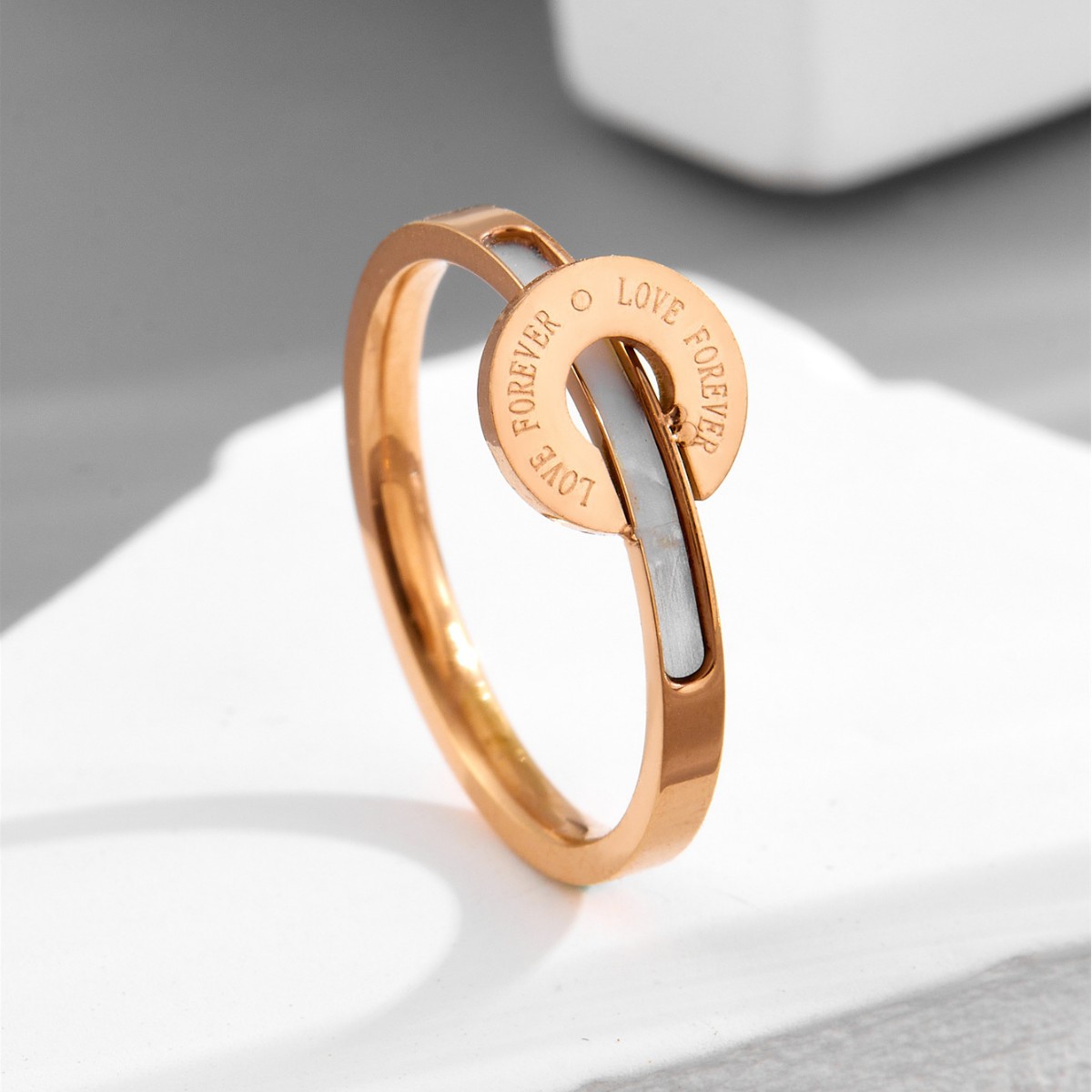
Consignment benchmarks for jewelry: Typical boutiques keep 30 to 50 percent of the retail price, with the maker taking 50 to 70 percent. A 60/40 split in the maker's favor is a common middle ground. High-traffic or prestige shops may take 50 percent or more. Wholesale, by contrast, usually means the boutique buys your pieces at 40 to 60 percent of retail, and owns the inventory immediately. Consignment memo windows run 30 to 90 days, after which unsold pieces come back to you or the terms renegotiate. The shop is typically responsible for theft and damage while the pieces are on display. Always get a written agreement that lists each piece by SKU, the retail price, the split, the memo period, who carries insurance, and how often you get paid.
Consignment vs Wholesale at a Glance
What is the difference between consignment and wholesale?
The core difference: (1) In wholesale, the boutique buys your pieces upfront. (2) They own them and resell at retail. (3) You get paid immediately. (4) In consignment, the shop displays your pieces but does not buy them. (5) You own them until they sell. (6) The shop takes a cut of each sale. (7) Wholesale is lower risk for you. (8) Consignment can get you shelf space without the boutique committing cash. (9) Wholesale is the goal for repeat relationships. (10) Consignment is usually a foot-in-the-door.
What is a fair consignment split for jewelry?
Fair splits: (1) Maker keeps 50 to 70 percent. (2) Shop keeps 30 to 50 percent. (3) 60/40 maker-friendly is common. (4) High-foot-traffic boutiques may ask 50/50. (5) Gallery or prestige placement may go 50/50 or worse. (6) Higher price items sometimes split more favorably to the maker. (7) Some shops tier it, like 55/45 under $250 and 50/50 over. (8) Negotiate based on foot traffic and history. (9) Get the split in writing. (10) Do not accept 30 percent to the maker without a reason.
How does wholesale pricing work compared to consignment?
Pricing math: (1) Wholesale price is typically 40 to 60 percent of MSRP. (2) The boutique doubles it to retail. (3) On a $50 retail piece, you might wholesale it for $25. (4) On consignment at 60/40, you get 60 percent of $50, which is $30 when it sells. (5) But you wait for it to sell. (6) Wholesale is cash now. (7) Consignment is cash later. (8) Compare the time value. (9) Factor in insurance and display effort. (10) Wholesale usually wins at volume.
| Factor | Consignment | Wholesale |
|---|
| Who owns stock | You, until it sells | The boutique, immediately |
| When you get paid | After sale, monthly | Upfront, on order |
| Your cut | 50-70% of retail | 40-60% of retail |
| Cash flow risk | High, stock tied up | Low, paid on order |
| Memo period | 30-90 days | N/A |
| Best for | New brand, testing market | Repeat, volume buyers |
Writing the Agreement
What should a consignment agreement include?
Agreement terms: (1) Your business name and the shop's. (2) List of each piece by SKU, description, and retail price. (3) The split percentage. (4) The memo period, usually 60 to 90 days. (5) Payment schedule, like monthly. (6) Who carries insurance. (7) Who is responsible for theft or damage. (8) How returns of unsold pieces work. (9) Who sets the retail price. (10) Signatures and date. (11) Inventory count at handoff. (12) Keep a copy.
How long should the consignment period be?
Memo length: (1) 30 days is short. (2) 60 days is a reasonable standard. (3) 90 days gives the shop time. (4) Longer than 90 ties up too much stock. (5) Build in a check-in at day 30. (6) Ask for a sales report. (7) If nothing moves by day 45, talk. (8) Renew or pull pieces. (9) Do not let pieces sit forgotten for six months. (10) Treat it like a test, not a marriage.
Who insures consigned jewelry in the shop?
Insurance: (1) The shop should carry on-premises coverage for consigned stock. (2) Get it in writing. (3) Ask for proof of insurance. (4) High-value pieces need rider coverage. (5) Document condition at handoff with photos. (6) Note scratches or patina. (7) Both sides sign the inventory list. (8) If the shop will not insure, walk away. (9) Theft happens. (10) Do not hand over expensive pieces uninsured.
When Consignment Makes Sense
Should I start with consignment or wholesale?
Starting out: (1) Consignment is easier to get into. (2) Boutiques do not risk cash to test you. (3) It builds a track record. (4) But it ties up inventory. (5) Wholesale scales faster. (6) Use consignment to prove a market. (7) Convert to wholesale after a few sell-throughs. (8) Do not build your whole business on consignment. (9) Aim for a mix. (10) Move winning pieces to wholesale terms.
How do I track what sells on consignment?
Tracking: (1) Give each piece a SKU. (2) Write it on the inventory sheet. (3) Ask the shop for a monthly sales report. (4) Do not rely on memory. (5) Visit the shop and count your pieces. (6) Note what is displayed front and center. (7) Best sellers get reordered. (8) Slow movers come back. (9) Compare sell-through by SKU. (10) Use this data to buy smarter wholesale stock yourself.
What if a shop never pays me or loses pieces?
Problems: (1) This is why you get the agreement in writing. (2) First, send a friendly reminder. (3) Then a formal request. (4) If they lose a piece, refer to the insurance clause. (5) Small claims court exists for unpaid amounts. (6) Do not leave new stock with a shop that missed a payment. (7) Start with a small test batch. (8) Build trust over time. (9) Some shops are honest, some are slow. (10) Protect your cash flow.
- Split: Maker 50-70%, shop 30-50%, 60/40 common.
- Wholesale price: 40-60% of MSRP, paid upfront.
- Memo period: 60 days standard, check in at 30.
- Agreement: SKUs, prices, split, payment schedule, insurance, signatures.
- Insurance: Shop covers theft and damage, get proof.
- Use case: Test a market, then convert winners to wholesale.
- Watch out: Shops that do not pay, vague terms, no insurance.
- Goal: Move from consignment to wholesale as you grow.
Final Consignment Advice
Consignment is a tool, not a business model. It gets your pieces in front of customers when a boutique will not buy upfront, but it ties up cash and inventory that could be selling somewhere else. Use it to test, learn what sells, and then push those winners into wholesale orders where you get paid immediately.
When your wholesale cost is low enough on 316L stainless, you can offer boutiques a wholesale price they love while still keeping healthy margins. That is the relationship you want: reorders on net terms, not memo boxes sitting in a back room.
Get the agreement in writing, keep it to 60 days, and do not be afraid to pull pieces that do not move.
Source at Wholesale PricesMOQ $150 · 40-60% Off Retail Pricing
Open a Wholesale AccountFactory Direct Since 1998 · 31,000 Styles