Jewelry Line Sheet FAQ: The Wholesale Tool That Closes Orders
What to Include, How to Price, and Why It Matters More Than Your Lookbook
A Line Sheet Is Not a Lookbook
New brands often confuse a line sheet with a lookbook. The lookbook is the pretty book of models wearing your jewelry. It sells the vibe. The line sheet is the operational document a boutique buyer uses to actually place an order. It lists every SKU, the wholesale price, the MSRP, the minimum order, and how to reorder.
A buyer at a boutique does not place an order from your moody Instagram photos. They open your line sheet, check the margins, tick the SKUs they want, and send it back. If your line sheet is missing prices, MOQs, or wholesale terms, the order goes to the brand that made it easy.
This guide covers what a jewelry line sheet actually needs, how to price it, and the common mistakes that cost you wholesale accounts.
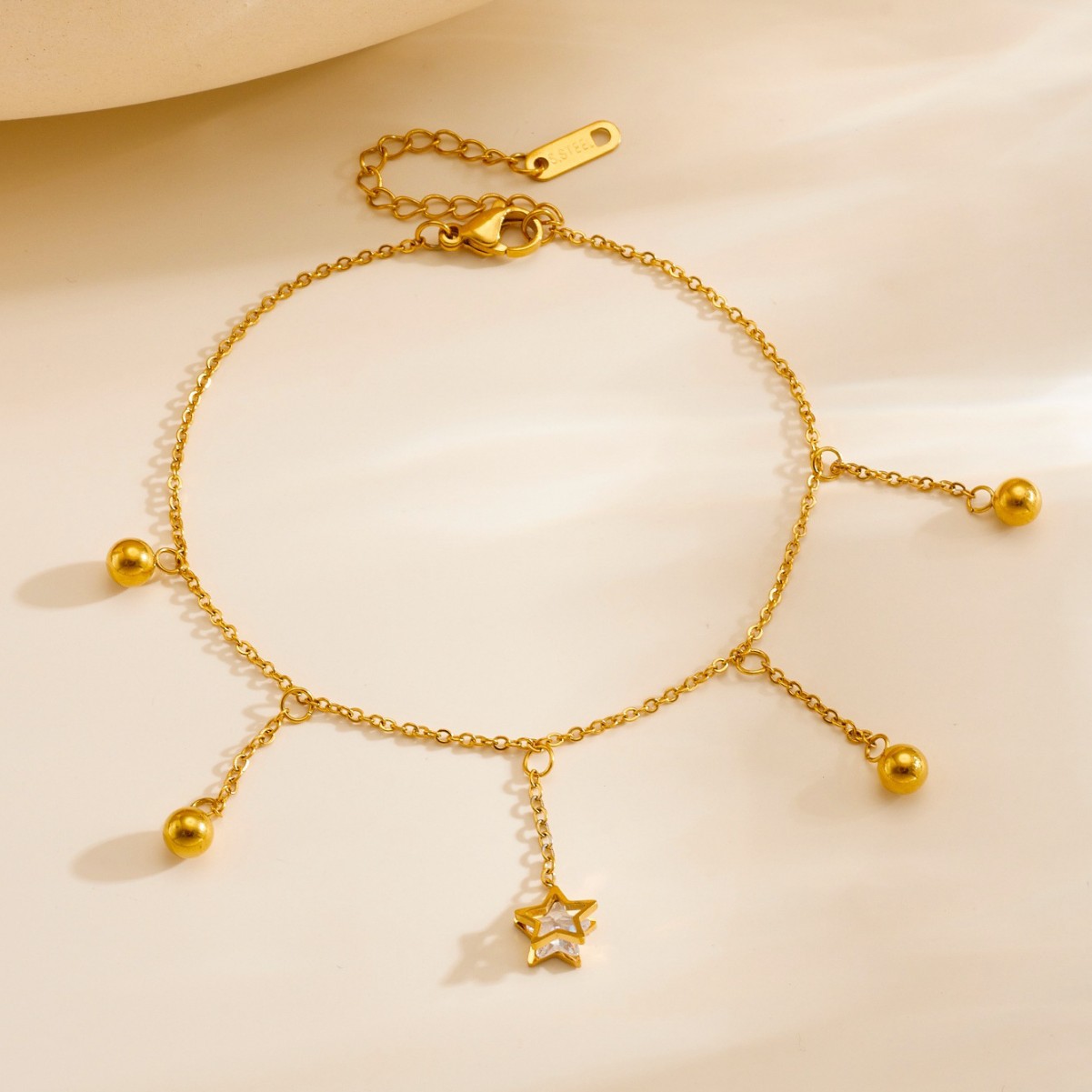
Line sheet essentials for jewelry: Every wholesale line sheet should include your brand logo and contact info, a clean photo of each piece, the SKU or style number, a short description, available colors or finishes, the wholesale unit price, the suggested MSRP, the minimum order quantity, the order minimum, lead time, payment terms, and shipping details. Buyers expect to see margins of at least 50 percent, meaning wholesale price is roughly half of MSRP. Sheets are usually 10 to 30 pages, organized by category, and sent as a PDF. Many brands also offer a digital line sheet with a checkout link. Update it each season, retire dead SKUs, and keep photos consistent. A confusing line sheet is the most common reason a buyer ghost you after a trade show.
What Goes On the Page
What information does each product row need?
Per product: (1) A clear product photo on white or neutral background. (2) SKU or style number. (3) Product name. (4) Available finishes, like steel, gold PVD, rose. (5) Available sizes, if applicable. (6) Wholesale unit price. (7) Suggested MSRP. (8) Minimum order quantity per SKU. (9) Materials, like 316L stainless. (10) Quick stats, like waterproof or hypoallergenic. (11) Lead time. (12) Keep it scannable.
What goes in the header and footer?
Header and footer: (1) Brand logo. (2) Your name and title. (3) Email and phone. (4) Website. (5) Sales rep contact. (6) Currency, like USD. (7) Minimum order total, like $150. (8) Payment terms, like net 30 after approval. (9) Lead time, like 7 to 10 business days. (10) Return and exchange policy. (11) Shipping rates. (12) Valid season or date range.
How many products should be on a line sheet?
Page count: (1) 10 to 30 products is standard. (2) New brands can start with 10 to 15. (3) Organize by category, like rings, necklaces, earrings. (4) Do not dump 200 SKUs on a buyer. (5) Curate the season. (6) Leave room for best sellers. (7) A PDF of 10 to 20 pages loads fast. (8) Add a new arrivals section. (9) Retire pieces that did not sell. (10) Less is more.
| Field | Example | Why It Matters |
|---|
| SKU | BR-203-ST | Reorders and inventory tracking |
| Wholesale price | $4.50 | Buyer calculates margin fast |
| MSRP | $12.00 | Shows a 62 percent margin |
| MOQ per SKU | 6 pieces | Sets expectations before ordering |
| Lead time | 7-10 days | Buyer plans their own stock |
Pricing Your Line Sheet
What margin should boutiques get on jewelry?
Margins: (1) Boutiques expect at least 50 percent. (2) Many want 2 to 2.5 times markup. (3) On a $5 wholesale piece, retail at $10 to $12.50. (4) Stainless jewelry can support healthy margins. (5) If your wholesale price is too high, they pass. (6) Factor in their rent and staff. (7) Price yourself to leave them room. (8) Check competitors. (9) Do not undercut your own wholesale. (10) Consistent pricing protects all buyers.
Should I list the MSRP on the line sheet?
MSRP: (1) Yes, list a suggested retail. (2) It helps the buyer. (3) It protects your brand from price wars. (4) Some boutiques price independently. (5) Suggested is not mandatory. (6) Do not enforce it heavily. (7) It anchors the customer. (8) It also shows the buyer the margin math. (9) Keep MSRP realistic. (10) Update it if costs change.
What minimum order should I set?
MOQ: (1) New brands can start at $150 to $250. (2) Per SKU, 3 to 6 pieces. (3) Higher MOQ filters out hobbyists. (4) Too high scares small boutiques. (5) $150 is approachable. (6) Mix and match across categories. (7) First order minimum, then reorders lower. (8) State it clearly. (9) Do not hide it. (10) Make it easy to hit.
Sending and Following Up
What format should the line sheet be in?
Format: (1) PDF is standard. (2) Send it by email. (3) Keep file size under 10 MB. (4) A digital order form with a checkout link converts better. (5) Google Sheets work for small brands. (6) Do not send a Canva link that expires. (7) Name the file clearly. (8) Include your brand and season. (9) Make it mobile readable. (10) Test it on a phone.
How do I send the line sheet after a trade show?
Follow-up: (1) Send within 48 hours. (2) Reference the conversation. (3) Attach the PDF. (4) Offer a first-order discount. (5) Keep it short. (6) Ask if they need samples. (7) Follow up once a week for a month. (8) Do not spam. (9) Track who opened. (10) A nudge two weeks later often closes it.
How often should I update the line sheet?
Updates: (1) Each season, spring and fall. (2) Add new arrivals. (3) Retire dead SKUs. (4) Update prices if costs change. (5) Keep the valid date. (6) Do not reissue for every small change. (7) Version it, like SS26. (8) Tell buyers what is new. (9) Keep old line sheets for active accounts. (10) A fresh sheet signals an active brand.
- Photos: Clean, consistent, on neutral background.
- Per SKU: Photo, name, finish, sizes, wholesale price, MSRP, MOQ.
- Header: Logo, contact, MOQ, lead time, payment terms.
- Margin: Boutiques want 50 percent, 2x markup common.
- MOQ: $150 to $250 first order, 3 to 6 pieces per SKU.
- Format: PDF under 10 MB, mobile readable.
- Follow up: Send within 48 hours of a meeting, nudge weekly.
- Update: Each season, retire dead SKUs, version it.
Final Line Sheet Advice
A line sheet is the document that turns a nice meeting into a real order. Buyers are busy. They will not ask you for missing prices. They will just order from the brand that made the math easy. Spend a few hours on it before your next trade show or boutique pitch.
When your wholesale cost is low enough on 316L stainless, the line sheet practically writes itself. Healthy margins, low MOQs, fast lead times, and thousands of SKUs to choose from. Give the buyer the numbers and let them place the order.
Keep it clean, price it fairly, and follow up within two days.
Build Your Line Sheet From 31,000 StylesMOQ $150 · Healthy Margins for Boutiques
Talk to Wholesale About PricingFactory Direct Since 1998 · 316L Stainless