Jewelry Dead Stock FAQ: Freeing Cash Flow from Slow-Moving Inventory
Turnover Benchmarks, Markdown Timing, and Bundles That Move Stock
The Cash Sitting in Your Display Case
Every jewelry seller has a graveyard of SKUs that looked good on paper and never sold. The painful part is that these pieces show up on your inventory report as assets, when they are really liabilities. They occupy shelf space, tie up cash, and quietly distort every profit number you look at.
Independent jewelers typically carry 15 to 30 percent of their total inventory as dead stock without realizing it. One business analysis of a mid-size retailer found 40 percent of inventory had not sold in 18 months, and their actual bestsellers were out of stock for months at a time. That is the hidden cost nobody budgets for.
This guide walks through how to spot dead stock early, price it to move, and keep cash flowing.
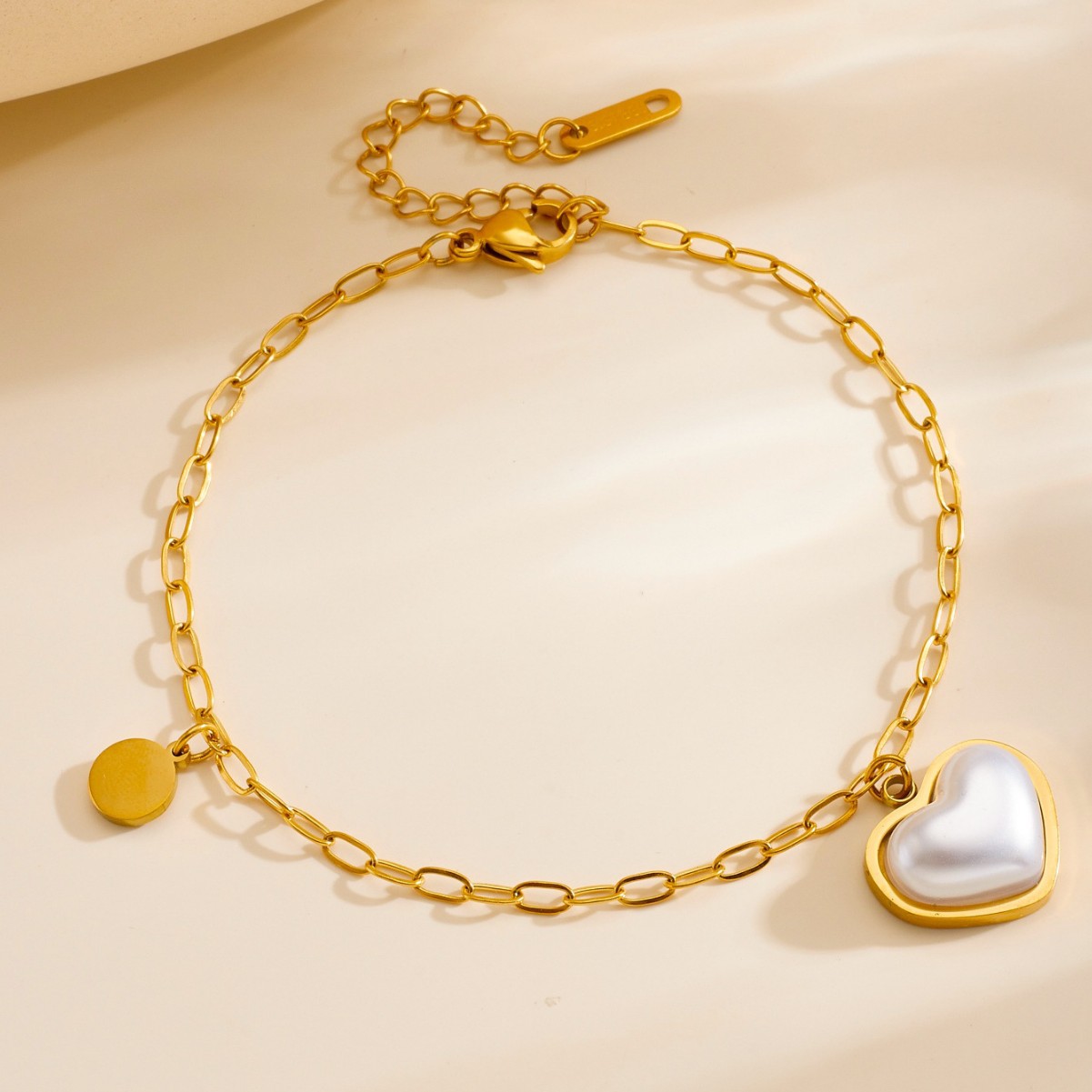
Inventory facts for jewelry sellers: Dead stock is any SKU that has not moved in 12 months or longer. Most independent jewelers carry 15 to 30 percent of inventory as dead stock without knowing it. The standard markdown ladder: 10 to 15 percent off at 12 to 18 months, then 20 to 30 percent at 18 to 24 months. A simpler rule from retail buyers: if a SKU reaches 10 or more weeks of supply and sell-through is declining, mark it down within two weeks. Waiting for a sale event usually costs more in cash than the margin you think you are protecting. Bundling a slow seller with a hero product moves stock without screaming discount. Email and VIP offers reach the buyers most likely to take a piece off your hands.
Spotting Dead Stock Early
How do I know which pieces are dead stock?
Early warning signs: (1) No movement in 12 months or more. (2) Weeks of supply climbing past 10. (3) Sell-through rate declining quarter over quarter. (4) Low views and no saves on your product pages. (5) Discounted pieces still sitting after a promo. (6) Stock stuck on deep category pages. (7) The same photos with no social traction. (8) Returns that come back and never resell. (9) SKUs kept only because you like them. (10) Run an aging report every month and check it.
What is a healthy inventory turnover rate for jewelry?
Turnover benchmarks: (1) Fashion jewelry typically turns 3 to 5 times a year. (2) Fine jewelry turns slower, 1 to 2 times. (3) Best sellers can turn 6 times or more. (4) Turnover under 2 means cash is stuck. (5) Divide cost of goods sold by average inventory value. (6) Compare winners and losers separately. (7) Dead stock drags your average down. (8) Aim for most styles to sell within 90 days. (9) Seasonal lines should clear before the season ends. (10) Rising turnover frees cash for reorders.
Why does dead stock hurt more than the unsold cost?
Hidden costs: (1) Cash is locked up and unavailable. (2) You cannot restock fast-moving basics. (3) Storage and insurance still cost money. (4) Display space shows the wrong products. (5) Inventory reports overstate your assets. (6) Margin averages hide real losses. (7) Out-of-stock bestsellers lose customers. (8) Season turns your stock into next year's problem. (9) Dead stock distorts forecasting. (10) The real loss is opportunity cost.
| Age of Stock | Action | Expected Result |
|---|
| 10+ weeks supply | Mark down within 2 weeks | Move stock before cash leaks |
| 12-18 months | First markdown 10-15% | Test price sensitivity |
| 18-24 months | Second markdown 20-30% | Clear faster, stop the bleed |
| 24+ months | Bundle, VIP offers, donation | Free the space and cash |
Moving Slow Inventory Without Killing Margins
What is the best way to clear dead stock?
Clearance tactics: (1) Bundle slow sellers with hero products. (2) Pair a slow pendant with a best-selling chain. (3) Run targeted promos instead of store-wide discounts. (4) Use weekend specials and member exclusives. (5) Create gift sets that add perceived value. (6) Offer slow items as free add-ons with a purchase. (7) Email your VIP list before public markdowns. (8) Move stock to clearance category pages. (9) Use cross-sells on high-traffic items. (10) Keep margins on winners while clearing the rest.
Should I discount store-wide to clear inventory?
Why targeted beats store-wide: (1) Store-wide discounts cut profit on everything. (2) Fast sellers do not need discounting. (3) Targeted promos protect margins on winners. (4) They push the exact SKUs you need to move. (5) Bundles embed the discount without screaming sale. (6) VIP offers reach likely buyers quietly. (7) Limited-time urgency works on specific lines. (8) You learn which designs actually respond. (9) Store-wide trains customers to wait for sales. (10) Focused clearance keeps your brand value.
How much should I mark down old jewelry?
Markdown ladder: (1) 10 to 15 percent at 12 to 18 months. (2) 20 to 30 percent at 18 to 24 months. (3) Deeper discounts only after two rounds fail. (4) Test price sensitivity with the first cut. (5) For fashion jewelry, move faster than fine. (6) Gold plated stainless keeps value longer. (7) Sell below cost only to free space. (8) Compare the cash cost of waiting. (9) A small cut early beats a deep cut late. (10) Track what cleared and reorder only winners.
Preventing the Next Dead Stock
How do I avoid buying dead stock in the first place?
Prevention: (1) Order small batches from low-MOQ suppliers. (2) Test designs before committing to bulk. (3) Track sell-through per style, not per order. (4) Reorder winners quickly, not losers. (5) Limit seasonal exposure to clearable quantities. (6) Diversify across categories, not just styles. (7) Watch your 90-day velocity report. (8) Rotate displays to surface buried stock. (9) Listen to customer requests for reorders. (10) A $150 mixed test order beats a $1,500 guess.
Does low MOQ help with cash flow?
Low MOQ benefits: (1) You test more styles with less cash. (2) Reorders arrive before trends cool. (3) Dead stock risk drops sharply. (4) Cash stays liquid for fast movers. (5) You can chase demand instead of predicting it. (6) Small batches fit seasonal windows. (7) Storage needs shrink. (8) Returns and markdowns shrink. (9) Suppliers with $150 MOQs make this easy. (10) Small, fast, and frequent beats big and slow.
What tools help track jewelry inventory?
Tracking options: (1) Aging reports by SKU and age. (2) Shopify integrations for stock levels. (3) Dedicated jewelry systems for metal costs. (4) Spreadsheets work for small lines. (5) Scan or tag pieces to reduce errors. (6) Track sell-through weekly for fashion lines. (7) Flag SKUs crossing the 10-week line. (8) Review clearance results monthly. (9) Keep one source of truth for stock. (10) Data beats gut feeling every time.
- Dead stock: No movement in 12+ months, often 15-30% of inventory.
- Markdowns: 10-15% at 12-18 months, 20-30% at 18-24.
- Rule: 10+ weeks supply and falling sell-through, cut within 2 weeks.
- Turnover: Fashion jewelry 3-5x a year is healthy.
- Clear: Bundles, targeted promos, VIP emails, gift sets.
- Prevent: Low MOQ test orders, reorder winners, watch velocity.
- Data: Aging reports, sell-through weekly, one source of truth.
- Cash: Every dead piece is cash you cannot use.
Final Advice on Dead Stock
Dead stock does not fix itself. The longer a piece sits, the more it costs, and the smaller your markdown can be. The sellers who move quickly, bundle smartly, and reorder only winners end up with cash to chase what actually sells.
Showfay keeps the inventory side simple: mixed low-MOQ orders from a factory that has made stainless steel since 1998. You test small, reorder fast, and never drown in boxes.
Mark it down, bundle it, or learn from it. Just do not let it sit.
Start With a Mixed Test OrderLow MOQ $150 · Mixed Styles Welcome
Browse Best SellersFactory-Direct Since 1998 · Reorder Fast