Jewelry Digital Advertising FAQ: Google vs Meta for Small Brands
ROAS Benchmarks, Budget Splits, and Creative That Converts
Where Your Ad Dollar Works Hardest
Small jewelry brands face a real choice when they start advertising: Google captures buyers already searching, Meta finds people who did not know they wanted jewelry yet, and TikTok leans on trend velocity. The benchmarks are not guesses. Jewelry and accessories average around 3.0x ROAS on Meta in 2026, with fashion jewelry at 3.5x and personalized engraved pieces at 3.3x. Google Shopping for jewelry typically runs 4.5 to 6.5x because the intent is already there.
The mistake most small sellers make is spreading a tiny budget across everything. A $50 daily budget split six ways teaches you nothing and buys almost nothing. Focused campaigns with clear jobs win.
This guide breaks down where to start, how to split budget, and what jewelry creatives actually need.
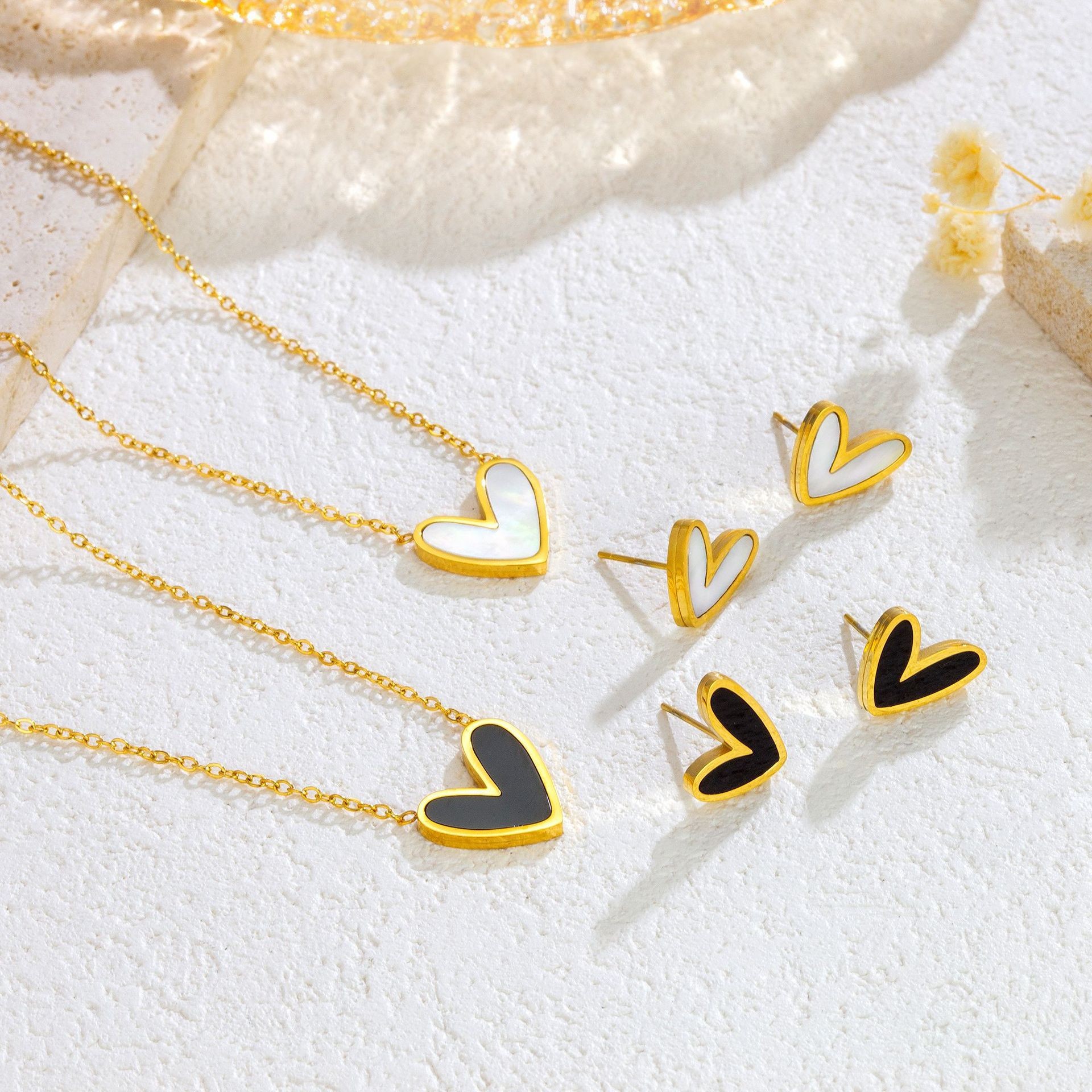
2026 jewelry ad benchmarks: Jewelry and accessories average about 3.0x ROAS on Meta, slightly below the 3.28x all-industry median. Fashion jewelry leads at 3.5x, personalized and engraved pieces at 3.3x, and bridal trails at 2.4x because multi-week buying paths miss default attribution. Across platforms, jewelry benchmarks: Google Ads 4.5 to 6.5x, Meta 2.0 to 3.2x, TikTok 1.2 to 2.0x, blended 2.8 to 3.8x. A/B testing ad creatives and placements improves ROAS by an average of 18 percent. Custom intent and affinity audiences can lift conversion rates up to 25 percent over broad targeting. A common small-brand setup: $50 to 75 a day on conversion campaigns, 30 percent on prospecting with product focus, and 20 percent on retargeting browsers and cart abandoners.
Google or Meta First?
Should I start with Google Ads or Meta Ads for jewelry?
Starting choice: (1) Google wins on purchase intent. (2) Buyers searching for specific pieces are ready to buy. (3) Google Shopping previews price and design together. (4) Buyers self-qualify before they click. (5) Meta wins on discovery and brand building. (6) Fashion jewelry grows fast on visual discovery. (7) Start with Google if you have proven best sellers. (8) Start with Meta if you need to build an audience. (9) Many brands run both after the first wins. (10) Pick the one that matches your current need.
What ROAS should a jewelry brand expect?
ROAS benchmarks: (1) Google Ads 4.5 to 6.5x for jewelry. (2) Meta 2.0 to 3.2x, fashion jewelry 3.5x. (3) Personalized pieces 3.3x on Meta. (4) TikTok 1.2 to 2.0x in most cases. (5) Blended average 2.8 to 3.8x. (6) Bridal and engagement 2.4x, slower path. (7) Mature accounts beat new ones. (8) Brand recognition raises ROAS. (9) Track by campaign, not by platform. (10) Below 2x means fix creatives or offers first.
Can a small budget afford paid ads?
Small budget reality: (1) Yes, $50 to 75 a day is a workable start. (2) Run fewer campaigns with clear jobs. (3) One winning creative beats six weak ones. (4) Split budget 50-30-20: conversion, prospecting, retargeting. (5) Daily $60 across 6 creatives dilutes everything. (6) Scale only the ad that performs. (7) Cut what cannot reach 2x ROAS in 2 weeks. (8) Start small, learn, then expand. (9) Jewelry with high AOV supports higher spend. (10) Test the offer before scaling the budget.
| Platform | Typical ROAS | Best Role |
|---|
| Google Ads | 4.5 - 6.5x | Capture ready buyers |
| Meta Ads | 2.0 - 3.2x | Discovery, retargeting |
| TikTok Ads | 1.2 - 2.0x | Trend velocity, viral |
| Blended | 2.8 - 3.8x | Full-funnel average |
Building Campaigns That Work
How should I structure a small jewelry ad account?
Account structure: (1) One conversion campaign for proven products. (2) One prospecting campaign with product focus. (3) One retargeting campaign for browsers and carts. (4) Budget split 50 percent conversion, 30 percent product, 20 percent retargeting. (5) Use custom intent and affinity audiences. (6) They lift conversions up to 25 percent. (7) Keep campaigns separate by job. (8) Avoid mixing objectives in one campaign. (9) Review structure monthly. (10) Scale winners, kill losers.
What jewelry creatives convert best?
Creative winners: (1) Close-up product shots on clean backgrounds. (2) On-body shots show scale and style. (3) Lifestyle scenes build desire. (4) Video of pieces in motion beats static. (5) Show engraving and personalization. (6) Highlight material benefits, waterproof, hypoallergenic. (7) Pair price with perceived value. (8) Use user-generated content for trust. (9) A/B test creatives for an 18 percent average lift. (10) Refresh tired creatives every 2 to 3 weeks.
How do I know an ad is working?
Signals to watch: (1) ROAS per campaign over 2 weeks. (2) Click-through rate trending up. (3) Cost per purchase falling. (4) Cart abandoners returning through retargeting. (5) Product page views from ad traffic. (6) Search volume for your brand name. (7) Repeat purchases from ad customers. (8) Compare against blended benchmarks. (9) Give campaigns 2 weeks minimum. (10) Trust data over gut feeling.
Common Pitfalls
Why is my jewelry ROAS stuck around 1.3?
Fixing low ROAS: (1) Too many creatives splitting one budget. (2) High CPM with weak creative hook. (3) Broad audiences wasting spend. (4) Offer not matched to ad message. (5) No retargeting to close abandoned carts. (6) Landing page slow or unclear. (7) Creative not showing price expectations. (8) Consolidate to one or two strong ads. (9) Re-test hooks and audiences. (10) Small daily budgets need fewer, sharper tests.
Should jewelry brands use TikTok ads?
TikTok role: (1) Best for trend-driven discovery. (2) ROAS typically 1.2 to 2.0x. (3) Great for product demos and unboxings. (4) Works when your product fits a trend. (5) Lower intent means longer path to sale. (6) Pair with retargeting to convert. (7) Native-style videos outperform polished ads. (8) Test small before scaling. (9) Combine with organic TikTok content. (10) Use it for reach, Google for intent.
How much should I spend before judging results?
Judgment timeline: (1) Give a campaign 2 weeks minimum. (2) Small budgets need consistent daily spend. (3) Watch cost per purchase, not just ROAS. (4) One strong ad can change everything. (5) Scale only after consistent results. (6) Seasonality affects jewelry heavily. (7) Test one variable at a time. (8) Creative fatigue hits after 2 to 3 weeks. (9) Retargeting lifts total results. (10) Patience with data beats panic.
- Google: 4.5-6.5x ROAS, ready buyers, Shopping previews.
- Meta: 2.0-3.2x, discovery and retargeting, fashion 3.5x.
- TikTok: 1.2-2.0x, trends and demos, pair with retargeting.
- Budget: $50-75/day, 50-30-20 split.
- Creative: Close-ups, on-body, video, personalization.
- Testing: A/B creatives, 18% average ROAS lift.
- Audience: Custom intent and affinity, up to 25% more conversions.
- Judgment: 2 weeks, cost per purchase, scale winners.
Final Advertising Advice
Jewelry advertising is not about being everywhere. It is about putting the right message in front of buyers at the right stage. Google catches them ready, Meta builds desire, TikTok rides the wave. Small budgets win by focus, not by spreading thin.
Before you scale ads, make sure your product pages convert. Showfay's product images and material details give you honest assets to advertise, and low MOQs mean you can test winning styles without over-committing.
Spend where intent lives, test what you learn, and scale only what works.
Get Ad-Ready Product AssetsFactory Photos · Material Proof · 31,000 Styles
Test Styles for AdsLow MOQ $150 · Fast Reorders