
Jewelry Product Page FAQ: Answer Buyer Questions Before They Ask
Jewelry Product Page FAQ
A jewelry shopper who cannot find an answer either sends a message or leaves the page. Most online support tickets in small jewelry stores come from the same handful of questions: what material is this, what size is it, when will it arrive, can I return it, and how do I keep it looking new. A well-built product page FAQ answers these before a buyer reaches out, which speeds up the purchase, cuts message backlog, and reduces returns caused by unclear expectations. This guide explains which questions belong on each jewelry product page, how to word them, and what information a reseller should standardize across the store.
Why product page FAQ sections convert better
Online jewelry is bought blind. A customer cannot hold the piece, test the clasp or check the chain thickness, so every missing detail becomes a reason to hesitate. Placing a short FAQ right under the description meets uncertainty at the exact moment a buyer decides whether to add the item to cart. Common stores report that clear sizing and shipping details reduce both pre-sale questions and return rates, because the customer knows what to expect before paying. The page does not need a long essay; it needs the specific answers shoppers actually look for, written in plain language and consistent with your store policies.
| Buyer question group | Details the page should show | What it reduces |
|---|---|---|
| Material and finish | Steel grade, coating, water claim, nickel note | Messages asking what it is made of |
| Size and fit | Ring size, chain length, adjustable option, measurement guide | Wrong-size returns and fit questions |
| Shipping and processing | Handling days, carrier estimate, domestic and international times | Delivery timeline messages before purchase |
| Returns and exchanges | Return window, condition rule, final-sale items, who pays return shipping | Post-purchase disputes and uncertainty at checkout |
| Care and wear | Cleaning tips, water and perfume caution, storage advice | Later complaints about faded or tarnished pieces |
Material questions every jewelry listing should answer
Start with what the piece is made of. State the base material clearly, such as 316L stainless steel, and separate that from any plated color, such as PVD gold tone. If the piece is water resistant, say so honestly and avoid claiming waterproof unless that claim holds up for shower and pool wear. Add a short sensitive-skin note for buyers with nickel concerns. These lines take two or three sentences but remove the most common first question a customer types into chat. Keep wording identical across similar products so customers do not read conflicting information on two pages from the same shop.
Sizing and fit details that prevent returns
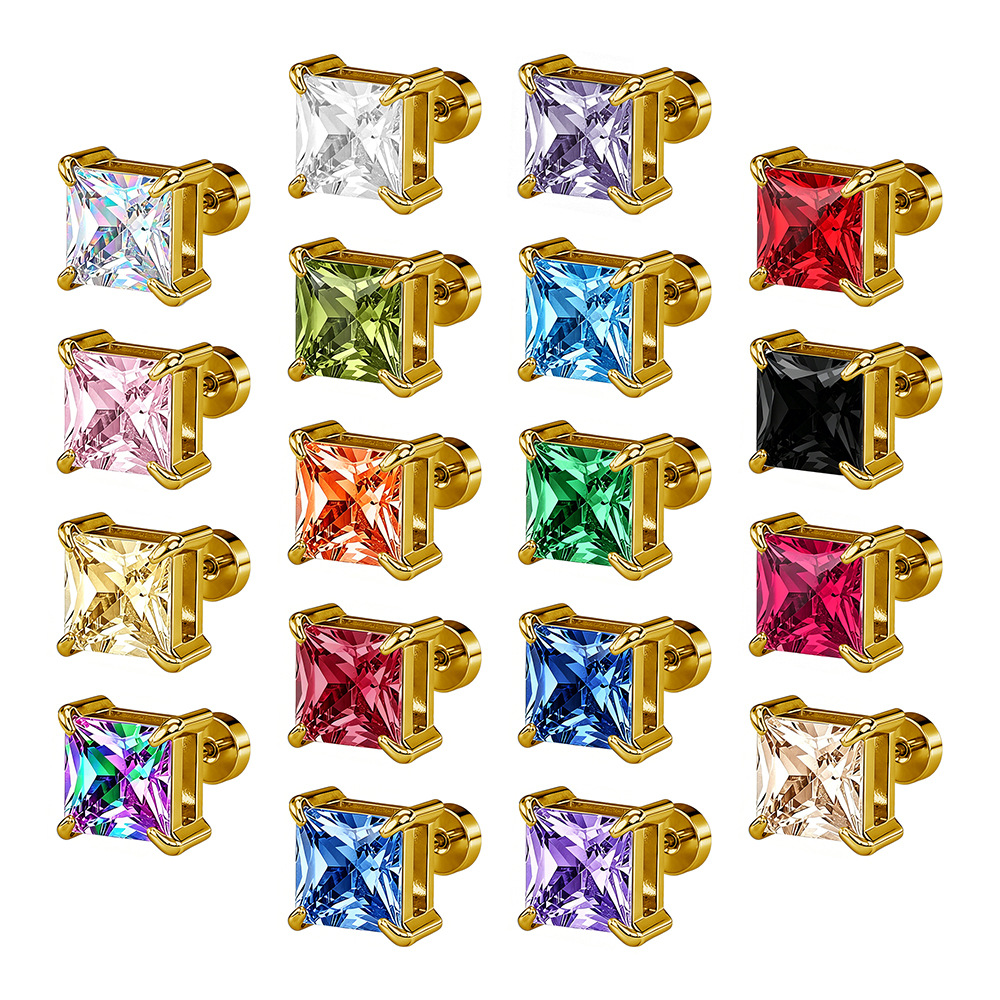
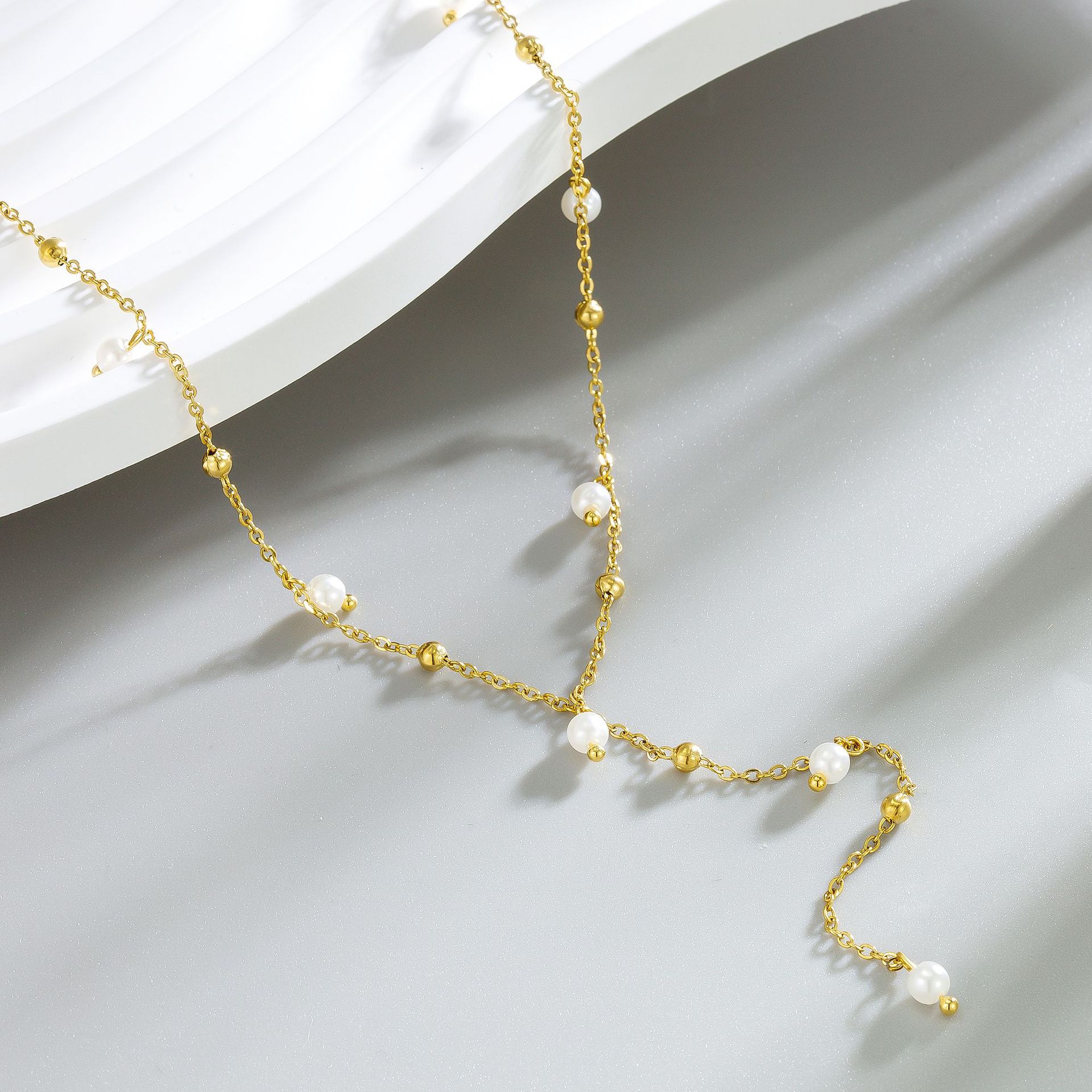
Sizing questions cause more jewelry returns than almost any other issue. Rings need a size guide with a measurement method, necklaces need length in centimeters or inches and a note about whether the chain adjusts, and bracelets should state whether they are fixed length, adjustable stretch, or come with an extender. For earrings, mention post type and closure where it matters. A small measurement diagram or table on the page helps a buyer choose confidently. When the size information is missing, shoppers order the wrong size and return the piece after delivery, which costs both shipping and time on both sides.
Shipping and return expectations at checkout
Buyers want a realistic timeline, not a vague soon. Split processing time from transit time: how many business days you need to prepare the order, then how long the carrier usually takes to the destination. For international orders, state that customs delays are outside your control. On returns, give a clear window such as 30 days from delivery, require unworn condition with original packaging, and explain whether return shipping is free, charged, or covered by the customer. Custom and engraved items should be flagged final sale up front. Transparent return wording lowers the anxiety that stops a first-time buyer from checking out.
Standard FAQ block to reuse
Care questions that protect the piece and your reviews
Even durable stainless steel lasts longer with basic care. A short care note tells buyers to keep pieces away from perfume, hairspray and harsh chemicals, to dry them after water exposure, and to store them separately to avoid scratches. This sets expectations for normal wear and helps prevent complaints when a plated color fades after months of heavy use. Care advice also signals that your store treats jewelry as something to maintain, which reads as more professional than a bare listing with only price and photos.
Frequently asked questions
Should the FAQ be on every product page or one shared page?
Use a shared store policy page for shipping and returns, but repeat the most relevant material, size and care answers on each product page. Buyers rarely navigate away to a policy section while deciding on one item.
How long should a product page FAQ be?
Six to eight short questions are enough. Cover material, size, shipping, returns, care and skin sensitivity. Longer FAQ sections repeat policy details most shoppers skip.
What size information matters most for necklaces?
Give the chain length in both units, state whether it adjusts, and note where the pendant sits on the neck. This prevents the most common online necklace fit complaints.
Do I need to explain return shipping costs on the product page?
Yes, at least a one-line summary. Whether returns are free, charged, or paid by the buyer is a checkout-level concern that shoppers check before entering their card details.
How do I write honest water and sweat claims?
Describe what the steel base handles, then separate plated finish limits. Avoid waterproof wording for pieces that should be removed before showering, pools or gym sessions.
Should custom engraved items have a special FAQ entry?
They should be marked final sale on the page, with a note that personalized pieces cannot be returned for a size change or change of mind after production begins.
What if I get the same question again and again?
Add that question to the product FAQ. Repeated support questions are a direct signal that the current page is missing information buyers need before purchase.
Does a clear FAQ help SEO as well as sales?
Yes. Question-style headings match how people search, and clear material, size and care terms give the page useful text that search engines can read alongside the product photos.
Bottom line
Answer material, size, shipping, returns and care questions directly on the product page, repeat policy essentials where buyers decide, and mark custom items final sale up front. A concise FAQ speeds checkout, reduces messages, and keeps return expectations realistic for every online jewelry order.
- Company Info
- Feedback
- Customer Reviews
- About Us
- Dropshipping
- FAQ
- Jewelry Wholesale Blog
- User Center
- Forget Password
- My Orders
- Tracking Order
- My Account
- Register
- Payment & Shipping
- Terms And Conditions
- Return Policy
- Shipping Methods
- Payment Methods
- Discount