
Earring Backs FAQ: Post, Screw Back, Leverback and Hook Types
Earring Backs FAQ
Most buyers shop earrings by shape and length, but the small piece that keeps the earring on decides whether a customer wears the pair all day or loses it within an hour. For a reseller, the closure also drives returns: a loose post, a clip that pinches, or a back that bends in week one. Knowing back types helps you stock the right constructions and answer fit questions before they become refunds.
Why the closure matters as much as the design
Two pairs can look identical in a flat photo, yet one sits securely for a full day and the other slips with every head turn. Closures slide onto a post behind the ear, or hinge and hook around the lobe itself. Each has a different feel, failure point and price level. Matching the closure to the style prevents many complaints.
| Closure type | How it works | Best suited to | Main tradeoff |
|---|---|---|---|
| Push on post back | Smooth sleeve slides onto a straight pin behind the ear | Studs, small hoops, everyday wear | Can slide loose with heavy movement |
| Screw back | Back twists onto threaded post | High value pieces, active wear | Slightly slower to put on and remove |
| Leverback hinge | Hinged wire snaps closed behind the lobe | Drops, dangles, longer earrings | Hinge quality controls durability |
| Fish hook | Curved wire threads through the ear | Dangles and bohemian pieces | Needs a stopper to stay centered |
| Magnetic back | Two magnets hold without piercing | Non pierced cuffs and clips | Grip drops on thicker lobes |
Post and push on backs: the everyday standard
The push on or friction back appears on most studs and small hoops. A straight post passes through the piercing, and a small steel, silicone or rubber sleeve slides on to grip it. It is light and simple to wear. The weak point is friction alone: a small smooth back can work off during exercise, sleep or a long day on a heavier piece. Silicone or rubber sleeves usually grip better than plain steel.
Screw backs and extra security
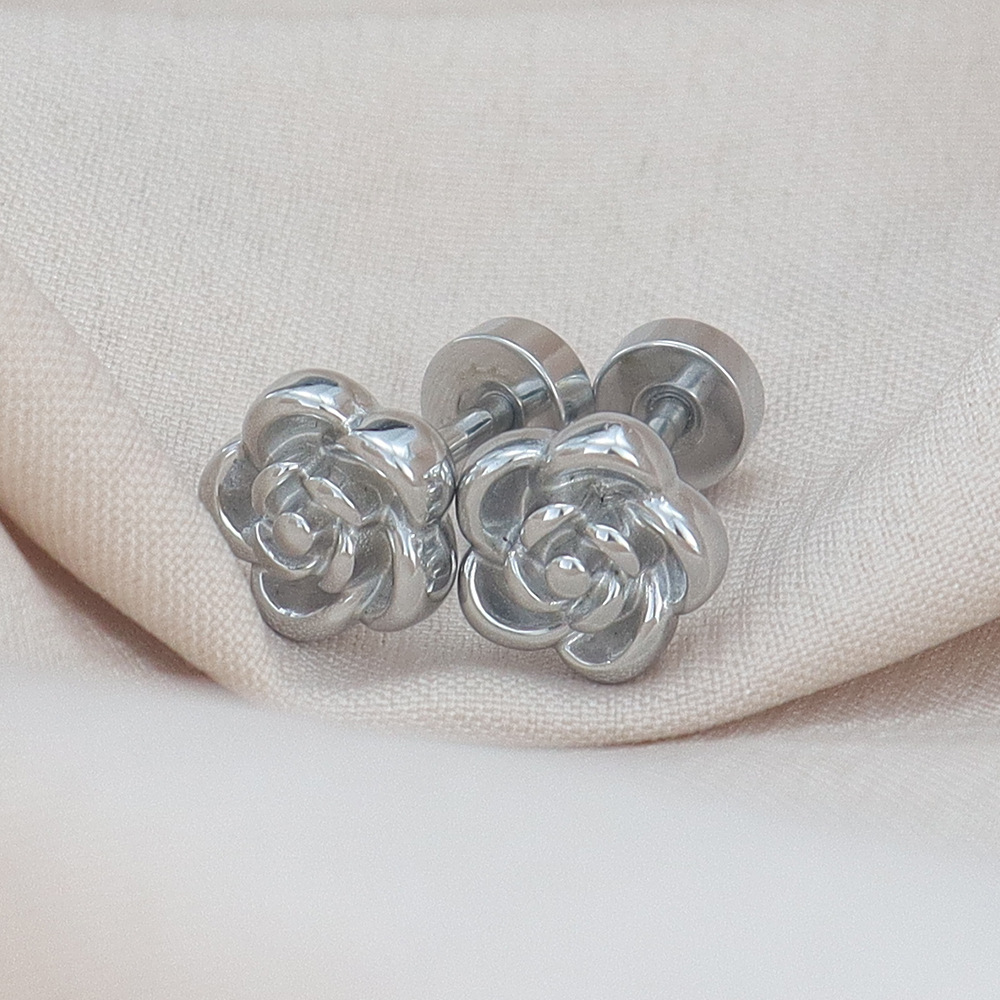
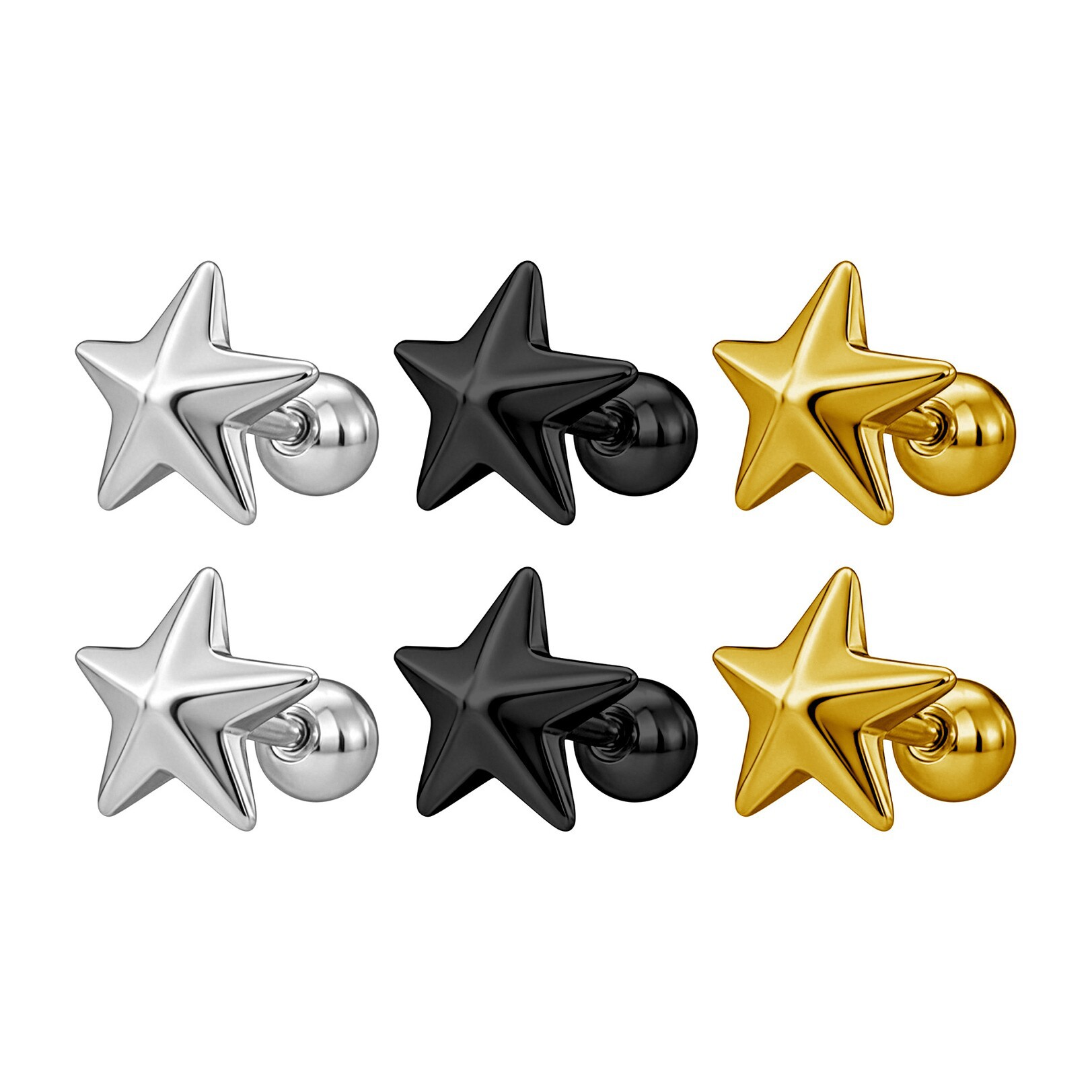
A screw back uses a threaded post, and the back twists down until snug. It resists sliding better than a friction sleeve, suiting secure daily wear pieces and larger studs that carry weight. The tradeoff is convenience: the wearer must line up the thread and twist. On samples, check the thread engages smoothly without stripping, since a damaged thread cannot be repaired after sale.
Hinged leverbacks for drops and dangles
Leverbacks close around the lobe like a small latch. The wire connects to a hinged body that snaps shut, so the wrap holds the piece rather than a sleeve on a post. This feels secure on longer, heavier earrings because the load spreads across the hinge. A tight spring that clicks lasts, while a weak hinge opens halfway and lets the dangle fall. On samples, look for a clear snap, no gap, and a non wobbling wire.
Hooks, clips and non pierced options
Fish hook earrings hang from a curved wire through the piercing, and most need a silicone stopper to stop sliding forward. This suits light flowing dangles and casual assortments, but a missing stopper causes complaints, so pack it with each pair. Clip on and magnetic pieces serve non pierced customers: test grip, since a tight clip hurts after an hour and a weak magnet slides off a thick lobe.
Wholesale earring closure checklist
Fit, comfort and common complaints
Fit questions come down to post length, back thickness and weight balance. A post too short fails on a thicker lobe, while a long pin pokes through and irritates skin. Heavier drops should hang from a balanced hinge rather than a thin post. On product pages, state the closure plainly, note the stopper, and mention post material for sensitive ears, which cuts messages about earrings that slip or pinch.
Frequently asked questions
Which earring back stays on the most securely?
For pierced studs, screw backs hold tightest because the threaded fit cannot slide off. Hinged leverbacks also wrap around the lobe and feel secure on dangles. Plain push on sleeves rely on friction, so they loosen faster on heavy wear.
Are stainless steel posts good for sensitive ears?
Quality 316L stainless steel posts have low nickel release and suit most sensitive skin. The post, back and hinge should share the same grade, since a plated component at the closure can irritate even when the front looks premium.
Why do my studs keep falling out?
The usual causes are a friction back worn loose, a post too short for the lobe, or a piece too heavy for a plain sleeve. A security or screw back, or a silicone sleeve, usually fixes this without changing the design.
What closure works best for long drop earrings?
Leverbacks are the standard for drops and dangles: the hinge wraps around the lobe and carries weight across the back rather than a small sleeve on a post. Check the spring snaps firmly shut on each sample.
Do hook earrings come with a back?
Most fish hook earrings include a silicone or rubber stopper for the wire. When buying wholesale, confirm the stopper is packed with the pair, since pieces sold without one cause complaints.
What should I check on a wholesale sample pair?
Test that the post is straight, the back grips without wobbling, the hinge clicks shut with no gap, and any clip or magnet holds through several minutes of handling. Inspect screw back threads for smooth engagement and look for rough edges touching skin.
Can customers add their own backs to studs?
Yes, most friction back studs accept replacement silicone or metal sleeves sold separately. Mention this as an aftercare tip for customers who lose backs easily; it extends the pair's life instead of a return.
How should I label closures on my shop?
Name the exact closure: push on post back, screw back, hinged leverback, fish hook with stopper, clip on or magnetic. Do not call every secure earring a screw back, because that mismatch becomes a return reason after delivery.
Putting closures to work in your assortment
Closure choices let you build ranges by use case: a secure screw back line for daily wear, leverback dangles for occasions, and hook pieces for casual styling. Stainless steel keeps these light, hypoallergenic and sweat resistant. Describing the closure honestly on each page narrows questions and cuts returns from designs that fail in wear.
- Company Info
- Feedback
- Customer Reviews
- About Us
- Dropshipping
- FAQ
- Jewelry Wholesale Blog
- User Center
- Forget Password
- My Orders
- Tracking Order
- My Account
- Register
- Payment & Shipping
- Terms And Conditions
- Return Policy
- Shipping Methods
- Payment Methods
- Discount