Jewelry Repair and Ring Sizing FAQ
Sizing, Resizing, Clasp Repair, Plating, and Customer Service Guide
Every Jewelry Store Deals with Repairs
No matter how good your products are, customers will eventually need help. A ring that does not fit. A broken clasp. A chain that snaps. Plating that wears off. These are normal parts of selling jewelry, and how you handle them defines your customer relationships.
For retailers, repair and sizing services are also a sales opportunity. A customer who comes in for a resizing might buy another ring. A customer who trusts you to fix their necklace becomes a repeat buyer. This guide covers what to expect, what to charge, and how to handle common repair requests.
Knowing the basics also helps you set the right expectations with customers before they buy.
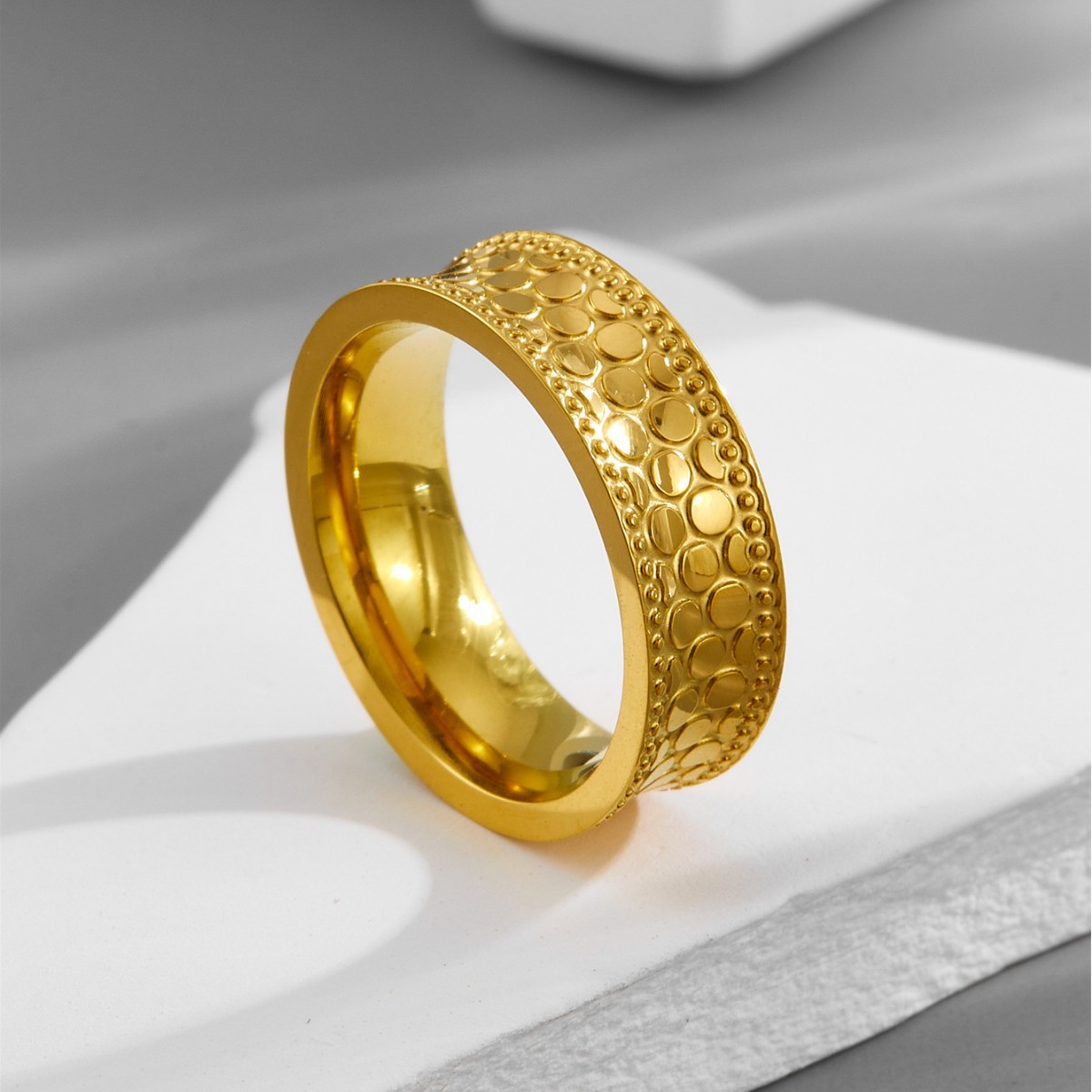
Repair facts: Ring sizing is the most common repair request. Stainless steel rings are harder to resize than silver or gold because the material is tough. Simple band resizing takes 1 to 3 days and costs $10 to $25. Clasp replacement on necklaces and bracelets takes 1 to 2 days and costs $5 to $15. PVD plated pieces cannot be easily replated; the base piece may need replacement. Most jewelry stores offer sizing and basic repairs as a paid service. Clear communication about turnaround time prevents complaints.
Ring Sizing
How do I know my ring size?
Finding ring size: (1) Measure a ring you already own that fits. Measure the inside diameter in millimeters. Use a size chart. (2) Use a printable ring sizer. Many websites offer free printable guides. (3) Visit a local jeweler. They can measure for free. (4) Measure at the end of the day. Fingers swell during the day. Morning size may be too small. (5) Measure when hands are warm. Cold fingers are smaller. (6) The ring should slide on easily but not fall off. (7) Size between half sizes if between marks. (8) For online stores: Include a ring size chart on the product page. (9) Offer free sizing kits for orders over a certain amount. (10) When in doubt, size up. A slightly loose ring is easier to adjust than a tight one.
Can stainless steel rings be resized?
Stainless steel resizing: (1) Stainless steel is much harder than silver or gold. It requires special tools. (2) Simple plain bands can be resized, but it is more difficult and costs more. (3) Rings with gemstones, engravings, or detailed designs are harder to resize. (4) Fashion rings (under $50) are often not worth resizing. The repair may cost as much as the ring. (5) For customers, suggest exchanging for the right size instead. (6) For retailers, sell rings in common sizes (6-9 for women, 8-12 for men). (7) Have a sizing policy. "Free exchanges on unworn rings within 14 days." (8) Tell customers upfront: stainless steel rings are not easily resizable. (9) This is why accurate sizing is important. (10) Good product photos and a size chart prevent most sizing issues.
How much does ring resizing cost?
Typical pricing: (1) Simple band resizing: $10 to $25. (2) Rings with stones: $25 to $50. (3) Stainless steel resizing: $15 to $35. Harder material. (4) Engraved rings: Extra cost. Engraving may need to be redone. (5) Up one size vs down one size: Similar cost. (6) Turnaround: 1 to 5 business days. (7) For retailers, you can charge the customer and send to a local jeweler. (8) Do not do complex repairs yourself. Send to a professional. (9) Offer free resizing on premium pieces. It builds goodwill. (10) For fashion jewelry under $30, replacement is cheaper than repair.
| Repair Type | Turnaround | Typical Cost | Can DIY? | Notes |
|---|
| Ring Resizing | 1-5 days | $10-$35 | No | Stainless steel is harder to resize |
| Clasp Replacement | 1-2 days | $5-$15 | No | Necklaces and bracelets |
| Chain Repair | 2-5 days | $10-$30 | No | Depends on chain type |
| Engraving | 1-3 days | $5-$20 | No | Personalized service |
| Cleaning and Polishing | Same day | $0-$10 | Yes | Easy with cloth |
| Stone Tightening | 1-2 days | $5-$15 | No | Check prongs |
Common Repairs
What should I do if a clasp breaks?
Broken clasp handling: (1) Clasps are the most common point of failure on necklaces and bracelets. (2) Spring ring clasps are common but can wear out. (3) Lobster clasps are more secure. (4) If a clasp breaks, the fix is usually a replacement clasp. (5) Cost: $5 to $15 plus labor. (6) Turnaround: 1 to 2 days. (7) For cheap fashion jewelry, replacement may be better than repair. (8) When selling, upgrade to lobster clasps on mid-range pieces. Fewer returns. (9) Tell customers: Clasps can wear out with daily use. This is normal. (10) As a retailer, offer a clasp replacement service. It builds customer loyalty.
What if plating wears off?
Worn plating: (1) PVD plating on stainless steel is durable but can wear over time, especially on rings and bracelets. (2) Signs: Fading color, visible base metal. (3) PVD pieces cannot be easily replated by local jewelers. (4) For fashion pieces under $50, replacement is the practical solution. (5) Tell customers: PVD plating lasts 1 to 3 years with normal wear. (6) Daily wear items (rings) fade faster than occasional pieces. (7) Care tips: Remove before showering, swimming, or exercising. Store separately. (8) Offer replacements at a discount for repeat customers. (9) Quality matters. Better PVD plating lasts longer. (10) Set expectations upfront. "This is PVD plated stainless steel, not solid gold."
How do I fix a broken chain?
Chain repair: (1) Thin chains can break if caught or pulled. (2) Some breaks can be soldered. Others cannot, especially very thin cable chains. (3) Cost: $10 to $30 depending on chain type. (4) Turnaround: 2 to 5 days. (5) For thin chains under $20, replacement is cheaper. (6) Sturdier chains (curb, cable) are more repairable. (7) Prevention: Choose quality chains. Thin chains break easily. (8) Tell customers: Handle chains gently. Do not yank. (9) Store chains clasped to prevent tangling. (10) For retailers, offer a repair service or partner with a local jeweler.
Retailer Best Practices
What repair policy should I offer?
Repair policy tips: (1) Be clear about what you cover. (2) Offer a warranty period. 30 to 90 days for manufacturing defects. (3) Manufacturing defects: Clasp breaks within 30 days, stones fall out. Replace for free. (4) Normal wear and accidental damage: Charge for repair. (5) Set prices and turnaround times upfront. (6) Do not repair complex pieces yourself. Partner with a local jeweler. (7) Keep customers updated. "Your ring will be ready Friday." (8) Offer free cleaning and polishing. It is easy and builds goodwill. (9) For online stores: Cover return shipping for defects. Charge for sizing exchanges. (10) A fair repair policy turns complaints into loyalty.
How do I prevent repair requests?
Prevention: (1) Quality products. Better made pieces break less. (2) Clear sizing charts. Most returns are sizing issues. (3) Care instructions. Include a card: "Remove before showering, swimming, or exercise." (4) Use good clasps. Lobster clasps last longer than spring rings. (5) Check quality before selling. Inspect each piece. (6) Set expectations. "PVD plating lasts 1-3 years." (7) Choose stainless steel over plated brass. It does not tarnish or turn skin green. (8) Good product photos. Customers know what they are getting. (9) Size accurately. Have a ring size guide. (10) The fewer repairs you have, the more profitable you are.
- Sizing: Have a size chart. Measure at end of day. Size up if between sizes.
- Stainless steel: Harder to resize than silver or gold. Consider exchanges for fashion rings.
- Common repairs: Resizing ($10-$35), clasp replacement ($5-$15), chain repair ($10-$30).
- PVD plating: Cannot be easily replated. Replace if worn. Set expectations upfront.
- Policy: 30-90 day warranty on defects. Charge for wear and accidental damage.
- Turnaround: Give clear timelines. Update customers.
- Prevention: Quality products, size charts, care cards, lobster clasps.
- Don't: Hide repair costs, overpromise resizing, or ignore warranty requests.
Final Repair Advice
Repairs are part of the jewelry business. The goal is to minimize them through quality products and clear information, and handle them fairly when they happen. A customer who has a good repair experience becomes a loyal customer. A customer who is ignored becomes a bad review.
Source quality 316L stainless steel jewelry. It is durable, hypoallergenic, and does not tarnish. This prevents the most common complaints: green skin, tarnish, and breakage. Choose pieces with solid clasps and good finishing.
Be upfront about sizing, plating life, and repair options. Customers appreciate honesty. Offer fair warranty terms. Partner with a local jeweler for complex work. Treat repairs as a service, not a burden.
Source Durable Jewelry Wholesale316L Stainless Steel · Quality Finishing · 31,000+ Styles · MOQ $150
Request CatalogFactory-Direct Since 1998 · Fast Shipping