Jewelry Wholesale Negotiation FAQ
MOQ, Pricing Tiers, Samples, Landed Cost, and Supplier Deals Guide
Negotiation Is Part of Buying Wholesale
First-time jewelry buyers often think the wholesale price is fixed. It is not. MOQs can be flexible. Prices drop with volume. Sample fees can be waived. Shipping terms can be negotiated. The difference between accepting the first quote and asking the right questions can be 10 to 30 percent on your cost.
Good suppliers expect negotiation. They would rather offer a slightly lower price and keep you as a repeat customer than lose the order. The key is to be prepared, polite, and informed. This guide covers what to ask, how to benchmark, and what a fair wholesale price looks like.
Whether you are placing your first $150 order or scaling to $10,000, these tactics apply.
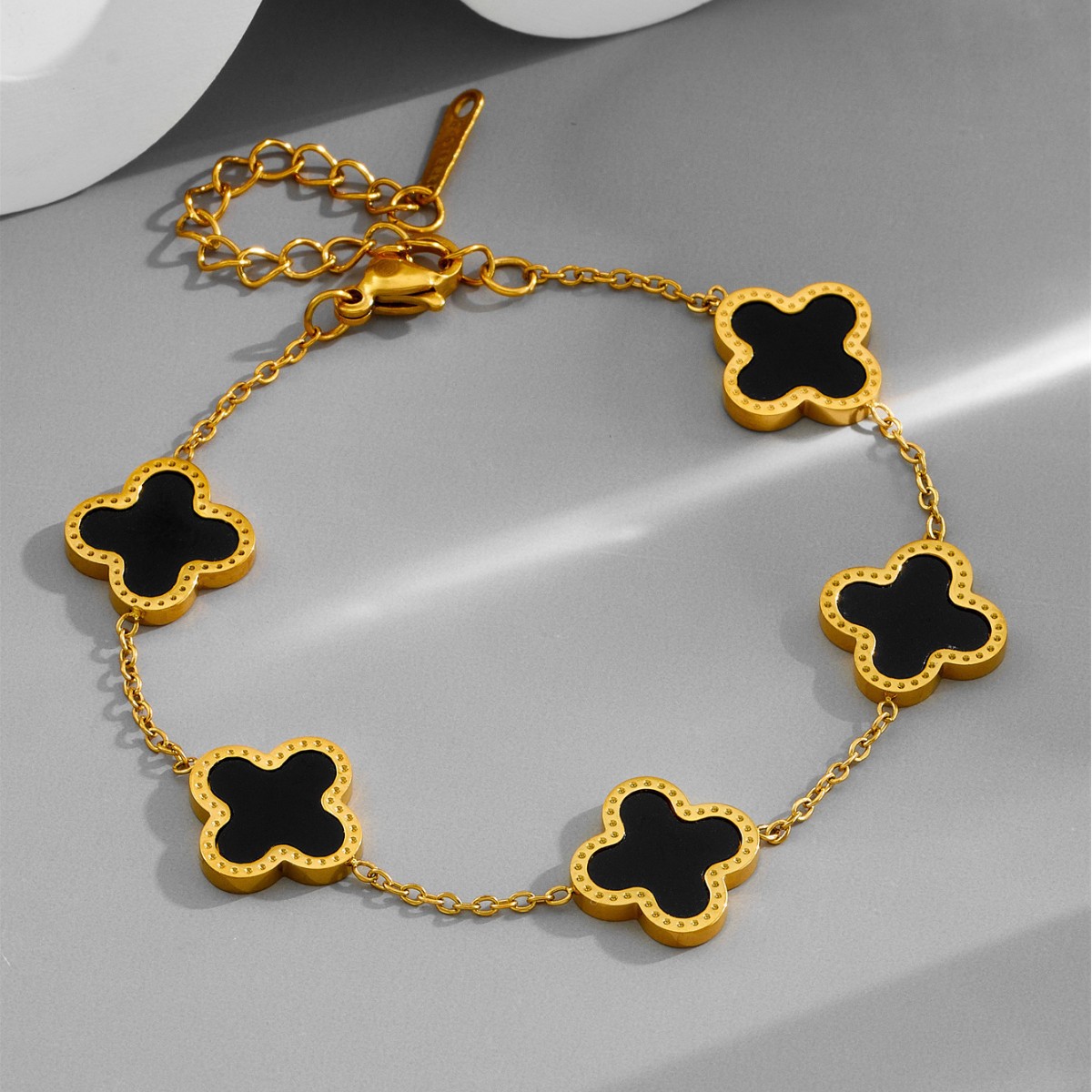
Negotiation facts: MOQs in fashion jewelry wholesale range from $75 to $200 for small distributors, and 50 to 500 units per style for factory-direct overseas. Retail markup on jewelry is typically 3x to 4x landed cost. Always calculate total landed cost, not just unit price, because shipping and import duties can add 15 to 30 percent. Ask at least three suppliers for the same spec to benchmark. Sample orders of 5 to 10 styles verify quality before bulk buying. Many suppliers deduct sample fees from the first formal order.
MOQ and Pricing
What is a typical MOQ for stainless steel jewelry?
MOQ ranges: (1) Fashion jewelry distributors: $75 to $200 minimum order total. No per-style limit. Good for new buyers. (2) Factory-direct: 50 to 500 pieces per style for custom production. (3) Existing designs: Lower MOQs, often 12 to 24 pieces per style. (4) Private label: Higher MOQ because of custom packaging and tooling. (5) Custom designs: 50 to 200 pieces, plus mold fees of $100 to $500. (6) Showfay-style suppliers: Low MOQ around $150, mixed styles allowed. (7) MOQs are negotiable, especially for first orders. (8) Ask for a sample order before committing to bulk. (9) Do not accept a high MOQ on your first buy. Test the market first. (10) As your volume grows, MOQs become less of an issue.
How does tiered pricing work?
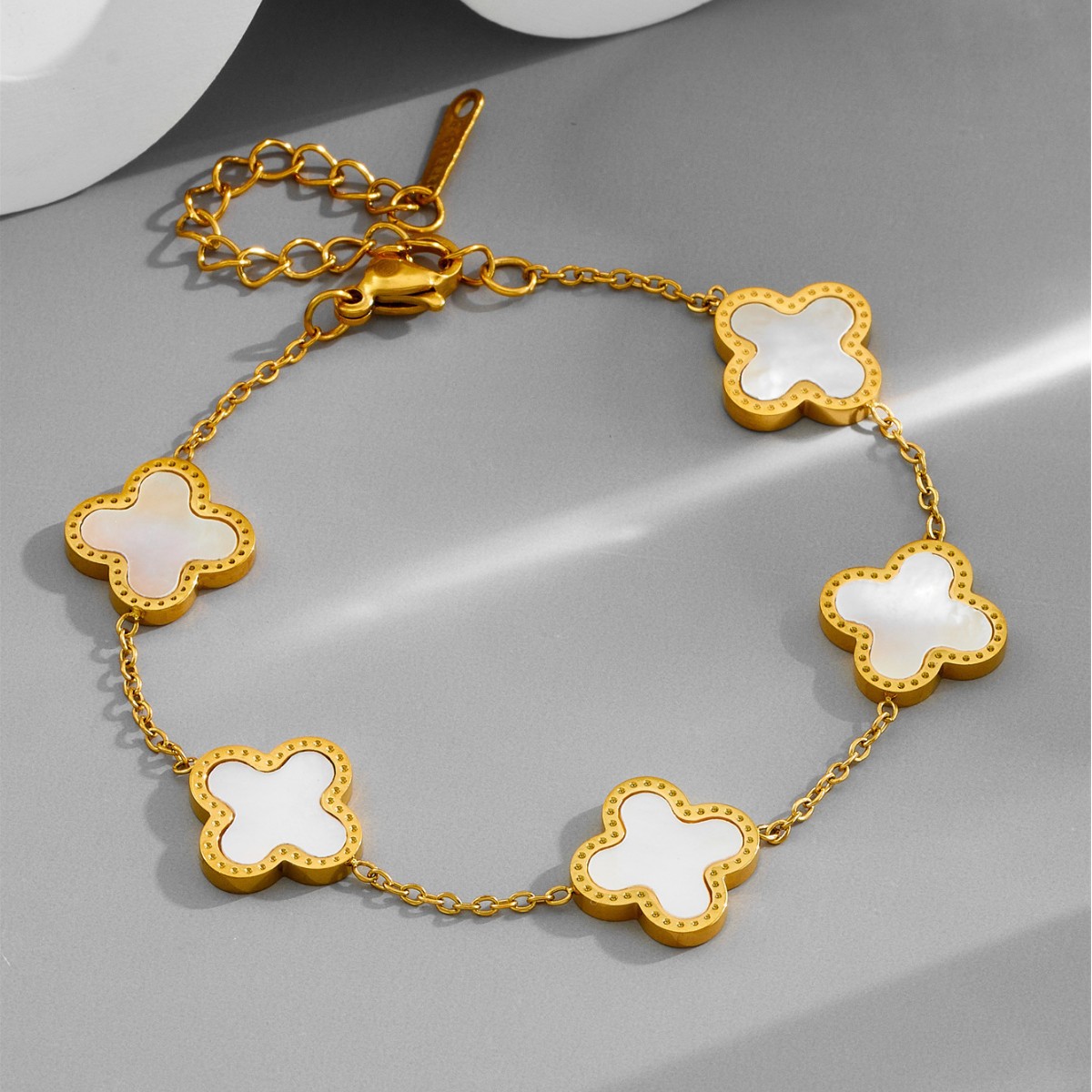
Volume discounts: (1) Most suppliers offer price breaks at 50, 100, 500, and 1000 pieces. (2) Example: A bracelet costs $2.00 at 25 pieces, $1.60 at 100, and $1.30 at 500. (3) Ask for a tiered price sheet before ordering. (4) Even if you cannot meet the next tier now, plan for it. (5) Combine multiple styles to hit a higher tier. (6) The per-unit savings compound. A $0.30 discount on 1000 pieces is $300. (7) Do not overbuy just to hit a tier. Dead stock costs more than the discount. (8) Ask for tiered pricing on reorders as you grow. (9) Repeat customers often get better pricing than one-time buyers. (10) Always compare landed cost, not just unit price.
Should I order samples first?
Why samples matter: (1) Photos online do not show weight, finish, or clasp quality. (2) Order 5 to 10 styles before a bulk buy. (3) Check: material feel, plating quality, clasp strength, stone settings, and packaging. (4) Sample cost is usually retail price, but many suppliers deduct it from your first order. (5) Testing 10 styles costs $50 to $150. This is cheap insurance. (6) Check sizing. Ring sizes, necklace lengths, and bracelet fits. (7) Compare samples from 2 to 3 suppliers. (8) Do not skip samples. A bad bulk order ties up hundreds of dollars. (9) Take photos of samples for your own records. (10) Good suppliers are happy to send samples. They want you to reorder.
| Order Size | Unit Price Example | Typical Buyer | Notes |
|---|
| Sample / Test | $2.00 (retail) | New buyer | 5-10 styles, verify quality |
| Small Wholesale | $1.50-$2.00 | Boutique, Etsy seller | $150-$500 total order |
| Medium Wholesale | $1.20-$1.50 | Established store | 50-200 pieces per style |
| Bulk | $0.90-$1.20 | Multi-store, brand | 500+ pieces, tiered pricing |
| Private Label | Negotiated | Own brand | Custom packaging, higher MOQ |
Negotiation Tactics
How do I negotiate a better price?
Tactics that work: (1) Be polite and professional. Aggressive negotiation backfires. (2) Ask at least three suppliers for the same spec. Use competing quotes as leverage. (3) Do not accept the first offer. There is usually room. (4) Mention future volume. "We plan to reorder monthly." (5) Ask about closeouts and overstock. Suppliers sometimes offer 20 to 40 percent off old styles. (6) Bundle orders. Combine styles to hit a higher tier. (7) Ask about payment terms. Net-30 for repeat orders. (8) Clarify shipping. A cheaper unit price with expensive shipping is not a deal. (9) Build a relationship. Friendly, consistent buyers get better treatment. (10) Know your numbers. If you know the market price, you can spot a bad quote.
What is total landed cost?
Landed cost math: (1) Unit price is not the real cost. (2) Add: unit price x quantity. (3) Add: shipping and freight. (4) Add: import duties and taxes. These vary by country and product. (5) Add: customs brokerage fees. (6) Add: packaging and labeling. (7) Total landed cost divided by units = true cost per piece. (8) This is the number you use for pricing. (9) Example: A $1.50 bracelet with $0.40 shipping and 5 percent duty costs about $2.03 landed. (10) Many new buyers forget duties and underprice. Always calculate the full landed cost.
How much should I mark up wholesale jewelry?
Pricing for retail: (1) Standard markup is 3x to 4x landed cost. (2) A $2 landed necklace retails for $6 to $8. (3) Fashion jewelry can support higher markups if the design is exclusive. (4) Basic pieces (stud earrings) may only support 2x to 3x. (5) Check what competitors charge. Price within range. (6) Do not underprice. Cheap prices signal cheap quality. (7) Bundle offers: Necklace plus earrings at a bundle price. (8) Consider your costs: rent, website, shipping, marketing. (9) Your margin needs to cover returns and marketing. (10) Test prices. If everything sells out fast, you may be underpricing.
Common Questions
Can I mix styles in one order?
Mixed ordering: (1) Most distributors allow mixed styles to reach the minimum order total. (2) This is ideal for new buyers. You can test 10 to 20 styles with one $150 order. (3) Factory-direct custom production usually requires one style per MOQ. (4) Mixed orders help you test what sells before committing to bulk. (5) Start with mixed orders. Then reorder the winners in bulk. (6) Ask if there is a per-style minimum. Some require 2 to 5 pieces per style. (7) This is how smart buyers start. Test small, then scale. (8) Do not buy 100 of one style on your first order. (9) Mixed orders reduce risk. (10) Showfay allows mixed styles with a low $150 minimum, which is perfect for testing.
What payment terms should I expect?
Payment terms: (1) First order: Usually 100 percent upfront. (2) Repeat orders: Some suppliers offer Net-15 or Net-30. (3) Custom production: 30 to 50 percent deposit, balance before shipping. (4) Payment methods: Bank transfer, PayPal, credit card, trade assurance. (5) Trade assurance (Alibaba) protects both parties. (6) Do not pay 100 percent upfront for custom production without a trusted supplier. (7) Ask about discounts for early payment. Some offer 2 to 5 percent off. (8) Keep records of every order. (9) As your relationship grows, terms improve. (10) Cash flow matters. Do not tie all your money up in inventory.
- Samples: Order 5-10 styles first. Check quality, weight, clasps. Sample fee often waived on first order.
- MOQ: Start with $150-$500 mixed orders. Test before bulk. MOQs are negotiable.
- Tiered pricing: Ask for price breaks at 50, 100, 500 pieces. Compare landed cost, not unit price.
- Negotiate: Get 3 quotes, be polite, mention future volume, ask about closeouts.
- Landed cost: Add shipping, duties, and fees. This is your true cost. Mark up 3x-4x.
- Payment: First order upfront. Repeat orders may get Net-15/30. Use trade assurance.
- Strategy: Test small with mixed styles, then reorder winners in bulk.
- Don't: Accept first price, overbuy to hit a tier, or forget import duties.
Final Negotiation Advice
Wholesale negotiation is not about beating the supplier down. It is about finding a fair price that works for both sides. Be prepared, compare quotes, and build a relationship. Good suppliers want repeat buyers as much as you want good pricing.
Start small. Order samples. Test 10 styles. See what sells. Then reorder the winners at volume. This approach minimizes risk and builds confidence. Over time, your reorders and volume will earn you better pricing.
Source quality 316L stainless steel jewelry at a fair wholesale price. Showfay offers a low $150 MOQ, mixed styles, and factory-direct pricing. That is the right starting point for a new jewelry business.
Get Wholesale Pricing316L Stainless Steel · Low MOQ $150 · 31,000+ Styles
Request Sample OrderFactory-Direct Since 1998 · Mixed Styles Welcome