Jewelry SEO and Website Traffic FAQ
Keywords, Content Strategy, Etsy/Shopify SEO, and Growing Organic Traffic
SEO Is the Cheapest Customer Acquisition Channel for Jewelry
Most jewelry sellers spend all their money on social media ads and ignore SEO. That is a mistake. Organic search traffic is free, sustainable, and has higher conversion intent than social media. A customer searching for "gold layered necklace" on Google is ready to buy; a customer scrolling Instagram is not. Jewelry stores that invest in SEO typically see 30 to 60% of their revenue from organic traffic within 12 to 18 months.
SEO for jewelry is different from other industries because the category is visual, emotional, and highly competitive. Generic terms like "necklace" have millions of searches but are dominated by Amazon and major brands. The opportunity for small and mid-sized jewelry sellers is in long-tail keywords: specific phrases that describe exactly what a customer is looking for, with lower competition and higher buying intent.
This guide answers the most common SEO questions from jewelry sellers, from keyword research to content strategy to technical SEO. These strategies are based on what actually works for jewelry ecommerce in 2026, not generic SEO advice that applies to every industry.
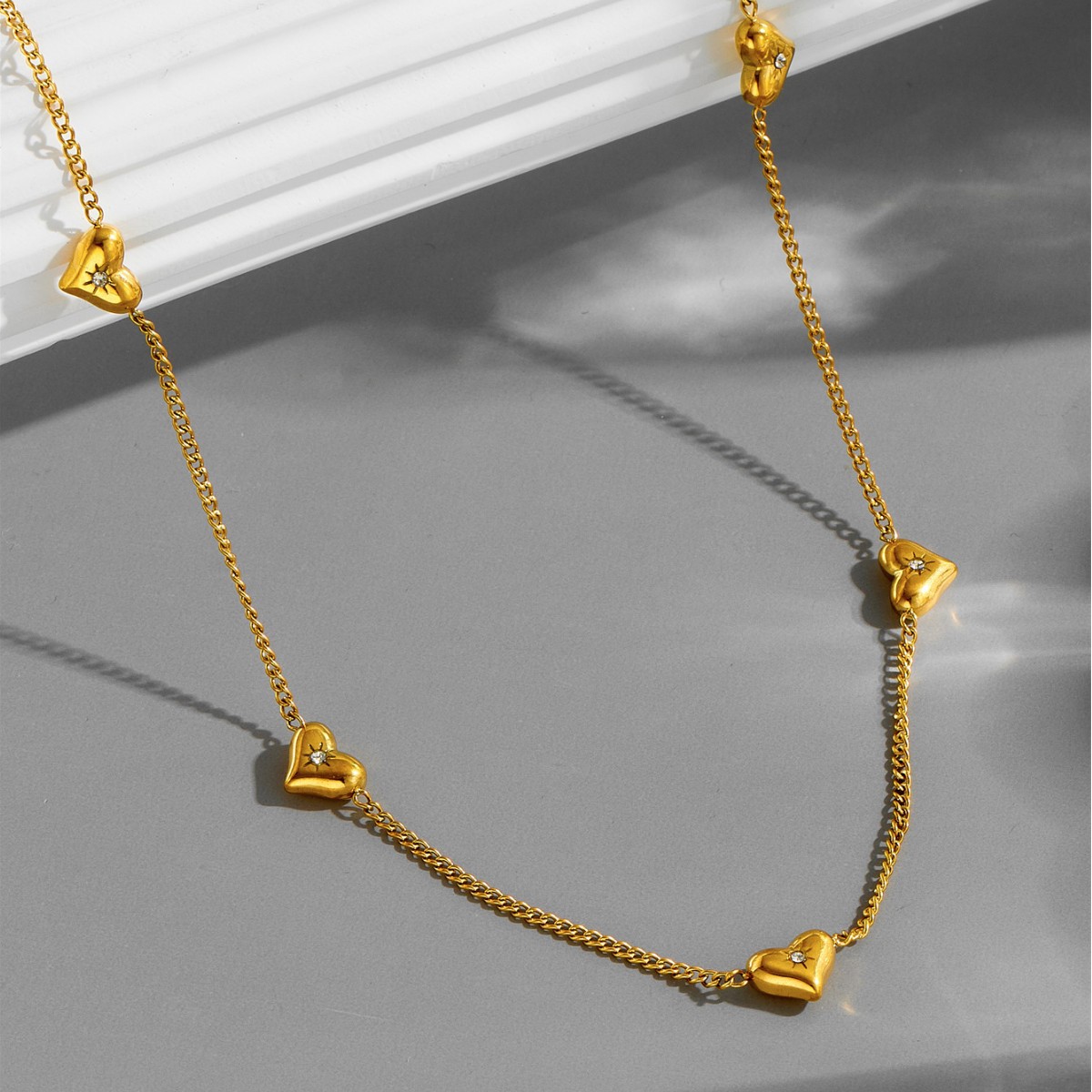
The SEO rule that changes everything: Do not try to rank for "jewelry" or "necklace." These terms have 1 to 4 million monthly searches and are impossible for a small store to rank for. Instead, target long-tail keywords with 50 to 500 monthly searches that describe your exact product: "waterproof gold layered necklace," "hypoallergenic stud earrings for sensitive ears," "stainless steel initial necklace for men." These keywords have 10 to 100 times less competition, and the searcher knows exactly what they want, so conversion rates are 2 to 3 times higher.
Keyword Research Questions
What keywords should a jewelry store target?
Jewelry keywords fall into four categories, and you should target all four: (1) Product keywords (highest buying intent): "gold hoop earrings," "stainless steel chain necklace," "CZ engagement ring under $50." These are what customers search when they are ready to buy. Use these on product and category pages. (2) Style/aesthetic keywords (medium intent): "dainty necklace," "minimalist jewelry," "boho earrings," "chunky gold bracelet." These match a shopper's mental image. Use these on collection pages and blog posts. (3) Gift/recipient keywords (high intent, seasonal): "gift for girlfriend," "bridesmaid jewelry," "birthday gift for mom," "anniversary necklace." These shoppers are on a deadline and ready to buy. Use these on gift guides and landing pages. (4) Informational keywords (lower intent, top of funnel): "how to clean stainless steel jewelry," "what is 316L stainless steel," "ring size guide." These attract visitors who may not buy immediately but become customers later. Use these on blog posts. For a stainless steel jewelry store, the most valuable keywords combine material + style + product type: "316L stainless steel gold hoop earrings," "PVD gold plated layered necklace," "hypoallergenic stainless steel stud earrings." These are specific enough to rank for and describe exactly what you sell.
How do I find keywords that my store can actually rank for?
The key is to find keywords with decent search volume but low competition. Here is a practical process: (1) Use free tools: Google Keyword Planner (requires an ad account, free), Ubersuggest (free tier), and AnswerThePublic (free). Type in your core product terms and look for long-tail variations. (2) Check Google autocomplete: type "stainless steel necklace" into Google and see what suggestions appear. These are real searches people make. (3) Look at "People also ask" boxes on Google search results. These are real questions you can answer with blog posts. (4) Analyze competitors: use a tool like SEMrush or Ahrefs (free trial) to see what keywords your competitors rank for. Look for keywords where they rank on page 2 or 3, not page 1, because those are easier to outrank. (5) Focus on keywords with 50 to 500 monthly searches and a keyword difficulty score below 30 (on a 0-100 scale). These are achievable for a new or small store. (6) For product pages, target 1 to 3 primary keywords per page. For blog posts, target 1 primary keyword plus 5 to 10 related long-tail variations. (7) Do not waste time on keywords with 10,000+ monthly searches unless your site has strong domain authority (3+ years old, 100+ backlinks). Start small and build up.
What is search intent and why does it matter for jewelry?
Search intent is what the searcher actually wants to do when they type a keyword. There are four types: (1) Transactional: ready to buy. "buy gold hoop earrings," "stainless steel necklace for sale." These convert at 5 to 15%. (2) Commercial: researching before buying. "best stainless steel jewelry brands," "PVD gold vs gold filled." These convert at 2 to 5%. (3) Navigational: looking for a specific site. "Showfay jewelry," "Etsy necklaces." (4) Informational: looking for answers. "how to clean stainless steel jewelry," "what gauge is a nose piercing." These convert at 0.5 to 2%. For jewelry, the most valuable pages target transactional and commercial intent. Your product pages should target transactional keywords. Your blog posts should target commercial and informational keywords, then link to your product pages. A common mistake is writing blog posts that target informational keywords but never link to products. The blog post should answer the question, then naturally recommend your products as the solution. For example, a blog post "How to Clean Stainless Steel Jewelry" should link to your stainless steel collection at the end, with a call to action like "Shop our waterproof, low-maintenance stainless steel collection."
How many keywords should each product page target?
Each product page should target 1 primary keyword and 2 to 4 secondary keywords. For example, a product page for a gold PVD stainless steel hoop earring might target: Primary: "gold stainless steel hoop earrings." Secondary: "PVD gold hoop earrings," "hypoallergenic gold hoops," "waterproof gold hoop earrings." Here is how to use them: (1) Primary keyword in the page title (SEO title), URL, H1 heading, first 100 words of description, and image alt text. (2) Secondary keywords naturally throughout the product description, in subheadings (H2, H3), and in the FAQ section. (3) Do not stuff keywords. Write for humans first, search engines second. If the description reads awkwardly because you forced in keywords, it will hurt conversions more than SEO helps. (4) Product descriptions should be 200 to 500 words. This is enough to include keywords naturally and give customers the information they need. (5) Add an FAQ section to each product page with 3 to 5 questions. This targets long-tail question keywords and can earn "People also ask" featured snippets. (6) Each product page should have unique content. Do not copy and paste the same description across similar products. Google penalizes duplicate content, and customers can tell when descriptions are generic.
| Keyword Type | Example | Monthly Volume | Intent | Where to Use | Conversion Rate |
|---|
| Product (long-tail) | gold stainless steel hoop earrings | 100-500 | Transactional | Product page | 5-15% |
| Style/aesthetic | dainty minimalist necklace | 200-800 | Commercial | Collection page | 2-5% |
| Gift/recipient | birthday gift for girlfriend jewelry | 300-1000 | Transactional | Gift guide | 3-8% |
| Material comparison | 316L vs 304 stainless steel jewelry | 50-300 | Commercial | Blog post | 2-4% |
| How-to/care | how to clean stainless steel jewelry | 200-600 | Informational | Blog post | 0.5-2% |
| Generic (avoid) | jewelry, necklace, earrings | 100K-4M | Mixed | Hard to rank | 1-3% |
Content and Blog Strategy Questions
How often should I publish blog posts for jewelry SEO?
For a new or growing jewelry store, publish 2 to 4 blog posts per month. Consistency matters more than volume. Here is why: (1) Google rewards sites that publish consistently over time. A store that publishes 3 posts per month for 12 months (36 posts) will outrank a store that publishes 36 posts in one month and then nothing. (2) Each blog post is a new opportunity to rank for long-tail keywords and attract organic traffic. (3) Blog posts build topical authority. If you publish 20+ articles about stainless steel jewelry care, materials, and styling, Google sees your site as an authority on the topic. (4) A realistic schedule: 1 product-focused post (buying guide, style guide), 1 informational post (how-to, comparison, FAQ), and 1 seasonal/promotional post (gift guide, trend report) per month. (5) Each post should be 800 to 1,500 words. Shorter posts (300-500 words) rarely rank because they do not provide enough depth. Longer posts (2,000+ words) can rank for more keywords but take more time to write. (6) After 6 months of consistent publishing, you should see organic traffic growing. After 12 months, organic traffic can account for 20 to 40% of total traffic. (7) Do not delete old posts. Update them instead. Refresh outdated information, add new keywords, and improve the content. Updated posts often rank better than new ones because they already have some domain authority.
What blog topics actually drive traffic and sales for jewelry stores?
The best jewelry blog topics fall into these categories, ranked by traffic and sales potential: (1) Buying guides: "Best Stainless Steel Necklaces for Everyday Wear," "How to Choose the Right Gold Hoop Size." These target commercial intent keywords and directly lead to product sales. (2) Material comparisons: "316L vs 304 Stainless Steel Jewelry," "PVD Gold vs Gold Filled vs Gold Plated." These attract customers researching before buying, and you can position your products as the answer. (3) Care and maintenance: "How to Clean Stainless Steel Jewelry," "Does Stainless Steel Jewelry Tarnish?" These have consistent year-round search volume and build trust. (4) Style guides: "How to Layer Necklaces Like a Pro," "Ear Stacking Guide for Multiple Piercings." These are highly shareable on Pinterest and social media. (5) Gift guides: "Best Jewelry Gifts for Girlfriend Under $50," "Bridesmaid Jewelry Ideas." These have seasonal spikes and high conversion. (6) Trend reports: "2026 Jewelry Trends: What Is Selling This Year." These attract early adopters and media attention. (7) Sizing guides: "Ring Size Guide," "Necklace Length Guide," "Body Jewelry Gauge Chart." These rank for high-intent searches and reduce returns. Avoid topics that do not relate to your products, like "celebrity jewelry" or "fashion week jewelry," unless you can tie them back to your collection. Every blog post should have at least 2 to 3 links to your product pages.
How do I optimize product images for SEO?
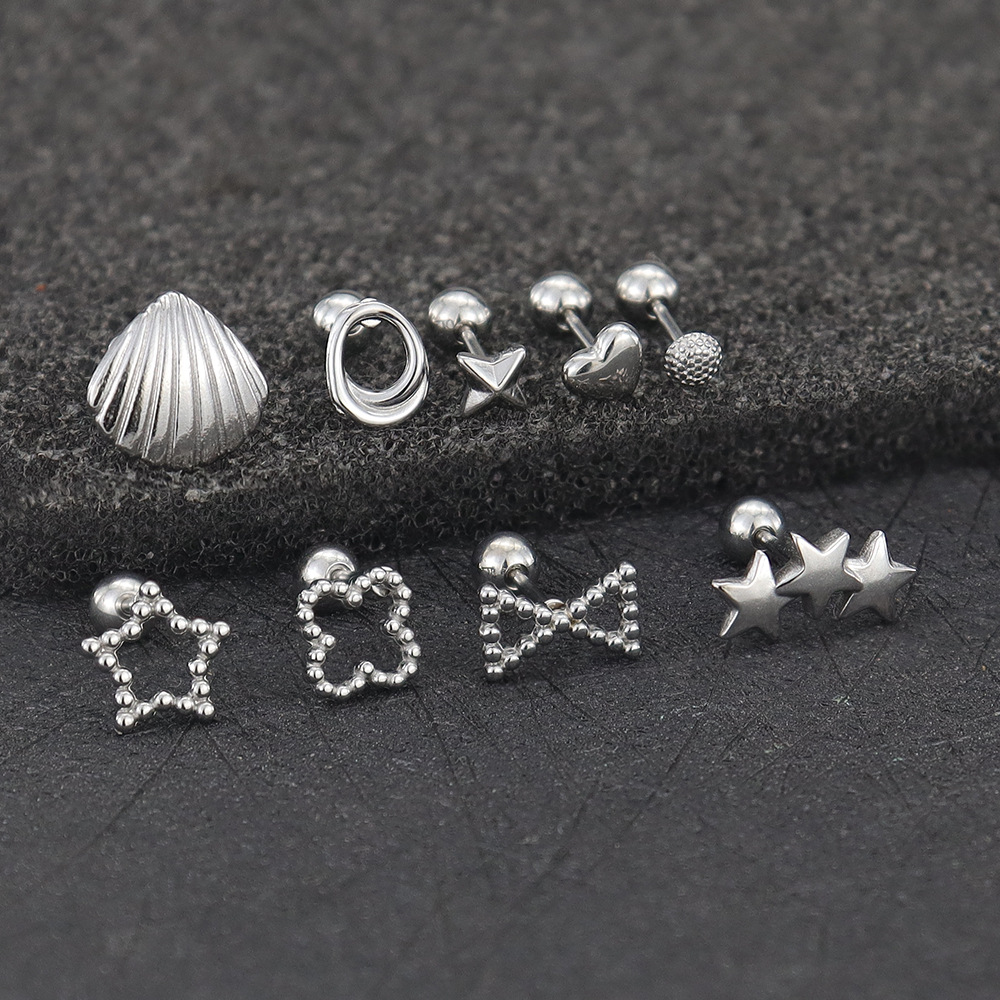
Images are critical for jewelry SEO because jewelry is visual, and Google Images drives significant traffic. Here is how to optimize: (1) File names: use descriptive keywords, not "IMG_1234.jpg." Use "gold-stainless-steel-hoop-earrings.jpg." (2) Alt text: describe the image for screen readers and search engines. "PVD gold stainless steel hoop earrings, 10mm diameter, hypoallergenic." Include your primary keyword naturally. (3) Image compression: large images slow down your site, which hurts SEO. Compress images to under 200KB using tools like TinyPNG or Squoosh. (4) Use WebP format: it is 25 to 35% smaller than JPEG/PNG with the same quality. Most ecommerce platforms support WebP. (5) Multiple angles: include 3 to 5 images per product: front, side, worn on model, detail close-up, and lifestyle. This improves both SEO and conversion. (6) Image sitemap: submit an image sitemap to Google Search Console so your images are indexed. (7) Pinterest optimization: jewelry is one of the most-pinned categories on Pinterest. Add Pinterest-friendly images (2:3 aspect ratio, 1000x1500px) with text overlays. Pinterest drives both traffic and backlinks. (8) Lazy loading: enable lazy loading so images below the fold load only when the user scrolls. This improves page speed without hurting user experience. Images are often the most overlooked SEO opportunity for jewelry stores. A few hours of image optimization can increase traffic from Google Images by 20 to 50%.
Technical SEO and Platform Questions
What technical SEO issues should jewelry stores fix first?
Technical SEO is the foundation. If your site has technical issues, even the best content will not rank. Fix these in order: (1) Page speed: your site should load in under 3 seconds on mobile. Use Google PageSpeed Insights to check. Common issues for jewelry stores: uncompressed images, too many apps/plugins, and unoptimized themes. (2) Mobile-friendliness: 70 to 80% of jewelry shoppers browse on mobile. Use Google's Mobile-Friendly Test. Ensure buttons are large enough, text is readable, and navigation is simple on small screens. (3) HTTPS: your site must have an SSL certificate. All Shopify and most modern platforms include this free. If your URL starts with "http" instead of "https," fix it immediately. (4) XML sitemap: submit your sitemap to Google Search Console. This helps Google find and index all your pages. (5) Broken links: use a free tool like Broken Link Checker to find and fix 404 errors. Broken links hurt user experience and SEO. (6) Duplicate content: ensure each product and category page has unique content. Avoid duplicate product descriptions from suppliers. (7) URL structure: use clean, keyword-rich URLs. "yourstore.com/gold-hoop-earrings" is better than "yourstore.com/product?id=12345." (8) Core Web Vitals: Google measures loading (LCP), interactivity (FID/INP), and visual stability (CLS). Aim for "Good" ratings on all three. Start with page speed and mobile-friendliness, as these have the biggest impact on both SEO and conversions.
How is SEO different on Shopify vs Etsy vs my own website?
Each platform has its own SEO rules: (1) Shopify (your own website): You have full control over SEO. You can customize titles, meta descriptions, URLs, alt text, and blog content. You build your own domain authority. The downside is that it takes 6 to 12 months to build traffic from scratch. Focus on long-tail keywords and content marketing. (2) Etsy: Etsy has its own internal search algorithm (not Google). Etsy SEO depends on: titles (first 140 characters matter most), tags (13 tags per listing), categories, attributes, reviews, and sales history. Etsy listings can also rank on Google, but Etsy's internal search drives most traffic. Research keywords using Etsy's search bar autocomplete and eRank or Marmalead tools. (3) Amazon: Amazon SEO (A9 algorithm) prioritizes sales velocity, reviews, and conversion rate over content. Titles, bullet points, and backend keywords matter, but sales history matters most. Amazon listings rank well on Google too. (4) Your own website (non-Shopify): Same as Shopify, depends on the platform. WordPress/WooCommerce gives maximum control but requires more technical maintenance. For maximum long-term value, build your own website (Shopify or similar) and use Etsy/Amazon as additional sales channels. Your own website is an asset you own; Etsy and Amazon can change their algorithms or suspend your account at any time. Use social media to drive traffic to your own website, where you own the customer relationship.
How long does it take to see SEO results for a jewelry store?
SEO is a long-term strategy, not a quick fix. Here is a realistic timeline: (1) Months 1-3: Setup and content creation. Fix technical issues, optimize existing product pages, publish 2 to 4 blog posts. You may see a small increase in impressions but not much traffic. (2) Months 4-6: Early results. Some blog posts start ranking on page 2 or 3 of Google. Organic traffic may increase 10 to 30%. You may get your first sales from organic search. (3) Months 7-12: Growth phase. Top-performing blog posts reach page 1. Product pages start ranking for long-tail keywords. Organic traffic increases 50 to 100%. Organic sales account for 10 to 20% of total. (4) Months 13-18: Strong results. Multiple pages rank on page 1. Topical authority established. Organic traffic accounts for 20 to 40% of total traffic. Organic sales have higher margins because there is no ad cost. (5) Months 18+: Compounding. Old posts continue to rank, new posts build on existing authority. Organic traffic can become your #1 traffic source. The biggest mistake is quitting after 3 months because "SEO is not working." SEO compounds over time. The work you do in month 1 pays off in month 12. If you stop, you lose all that accumulated progress. Set a budget of 4 to 6 hours per week for SEO, and commit for at least 12 months before judging results.
- Target long-tail keywords: 50-500 searches/month, difficulty under 30. Avoid generic terms.
- 4 keyword types: Product (transactional), style (commercial), gift (seasonal), informational (blog).
- Product pages: 1 primary + 2-4 secondary keywords. 200-500 word unique descriptions.
- Blog frequency: 2-4 posts/month, 800-1500 words each. Consistency beats volume.
- Best blog topics: Buying guides, material comparisons, care tips, style guides, gift guides, sizing.
- Image SEO: Descriptive file names, alt text with keywords, compress under 200KB, WebP format.
- Technical fixes: Page speed under 3s, mobile-friendly, HTTPS, sitemap, no broken links.
- Timeline: 1-3 months setup, 4-6 early results, 7-12 growth, 13-18 strong. Don't quit before 12 months.
Final SEO Advice
SEO is the most undervalued marketing channel for jewelry sellers. While every other store is bidding against each other on Instagram and Facebook ads, you can build a free traffic source that grows month after month and never stops sending customers.
Start with the basics: optimize your product pages for long-tail keywords, fix technical issues, and publish 2 to 4 blog posts per month that answer real customer questions. Link from every blog post to your products. Be consistent for 12 months.
And remember, SEO and content marketing work together. Every blog post you publish is a salesperson that works 24/7, attracts customers from Google, and recommends your products. Over time, these posts compound into a traffic engine that reduces your reliance on paid ads and increases your profit margins. The best time to start was a year ago. The second best time is today.
Related Reading
- Etsy Jewelry Selling FAQ: Starting, Pricing, SEO, and Growing a Shop — Starting, Pricing, SEO, Sourcing, and Growing a Profitable Shop
- Selling Jewelry Online FAQ: Etsy, Shopify, Amazon, and Social Media — Etsy, Shopify, Amazon, and Social Media Answered
- Stainless Steel Jewelry Social Media Marketing: Grow Your Sales — Grow Your Sales With Content That Converts
- Stainless Steel Jewelry Dropshipping: Complete Guide for E-Commerce — Complete Guide for E-Commerce Sellers
- How to Write Jewelry Product Descriptions That Sell — Factory Direct · Low MOQ · Since 1998
31,000+ Styles · Low MOQ $150 · Fast Shipping
Request a Wholesale CatalogFactory-Direct Since 1998 · 316L Quality · Consistent Supply