PVD Gold Plating FAQ
Physical Vapor Deposition, Durability, Care, IP Black, and Wholesale Buying
PVD Plating Is the Best Kept Secret in Affordable Gold Jewelry
Gold jewelry has always been desirable, but solid gold is expensive. A solid 14k gold necklace can cost $300 to $1,000, putting it out of reach for most consumers. For decades, the alternative was gold-plated jewelry, but traditional electroplating wears off in weeks to months, leaving customers disappointed and retailers dealing with returns and complaints.
PVD (Physical Vapor Deposition) plating changed everything. PVD gold-plated stainless steel jewelry looks like solid gold, costs 90% less, and lasts 2 to 5 years with proper care. It has become the fastest-growing finish in fashion jewelry, with PVD gold products outselling silver-tone by 60 to 40 in many categories. For wholesale buyers, PVD means higher perceived value, better margins, and fewer returns.
This guide answers the most common questions about PVD plating, from how it works and how long it lasts to how to care for it and how to buy it wholesale. These answers are based on manufacturing industry standards and real-world wear testing.
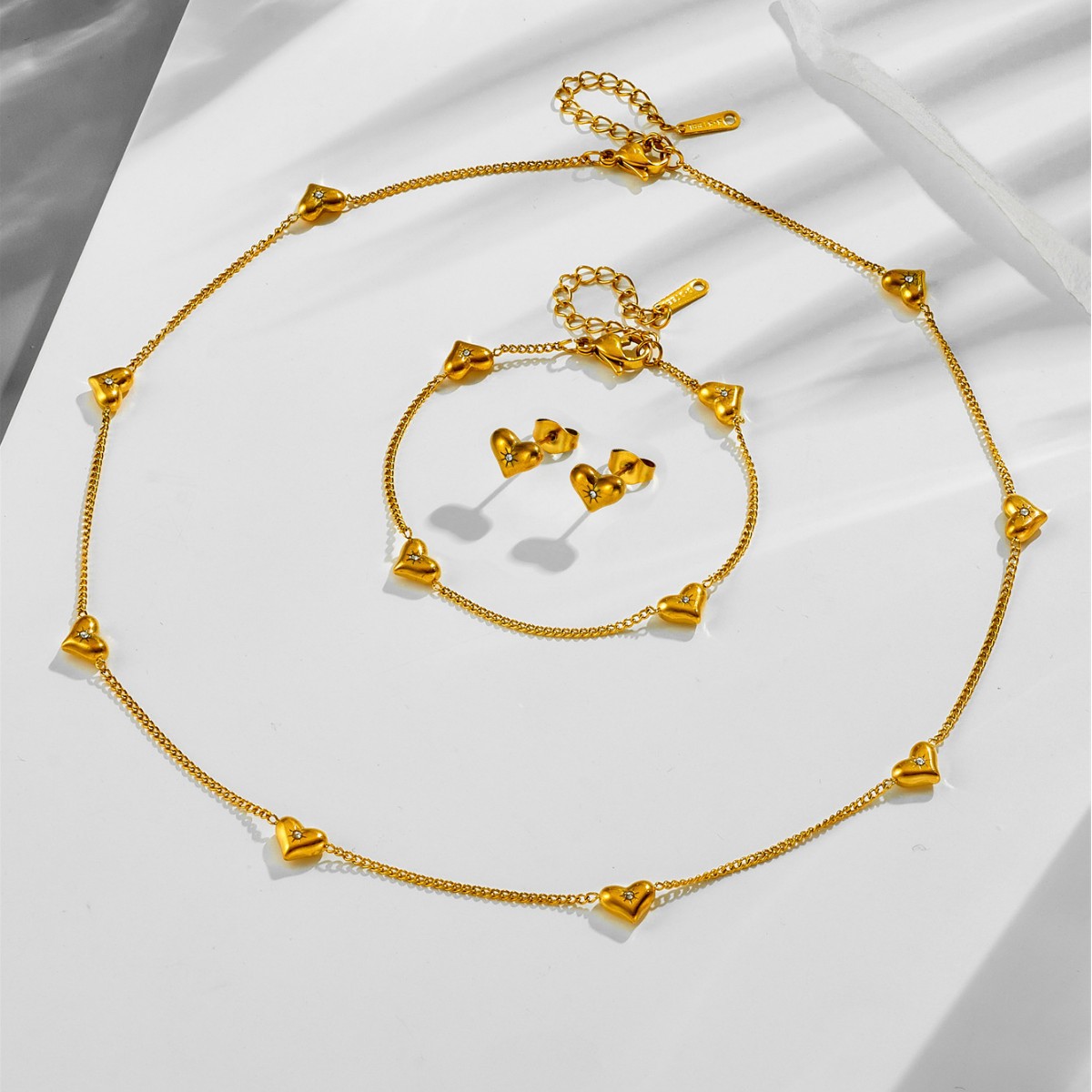
The PVD quality rule: Not all "gold-plated" jewelry is PVD. Many suppliers use the term "PVD" loosely when they actually use traditional electroplating (also called "IP" or "ion plating" for the better version). True PVD plating is 3 to 10 times thicker and more durable than electroplating. Always ask your supplier: "Is this true PVD or electroplated? What is the plating thickness in microns?" If they cannot answer or give vague responses, the plating is likely low quality. Quality PVD plating is 0.5 to 2 microns thick; cheap electroplating is 0.1 to 0.3 microns.
What Is PVD and How Does It Work?
What exactly is PVD plating and how is it different from regular gold plating?
PVD stands for Physical Vapor Deposition. It is a vacuum coating process where gold (or other metals like titanium, zirconium, or chromium) is vaporized in a high-vacuum chamber and deposited onto the jewelry surface as a thin, extremely hard film. Here is how it compares to traditional electroplating: (1) Electroplating uses an electric current to dissolve gold from a solid electrode into a liquid solution, which then deposits onto the jewelry. The coating is soft, porous, and relatively thick but not bonded at the molecular level. (2) PVD uses high-temperature vaporization in a vacuum. The gold atoms are accelerated and bombarded onto the surface, creating a molecular bond with the base metal. The coating is extremely hard (800 to 2,000 Vickers hardness, compared to 100 to 200 for electroplating) and very thin (0.5 to 2 microns). (3) PVD is more durable, more scratch-resistant, and more corrosion-resistant than electroplating. It can withstand sweat, water, and daily wear far better. (4) PVD is more expensive to apply because it requires specialized vacuum equipment and longer processing times. A PVD plating line costs $50,000 to $200,000, while an electroplating line costs $5,000 to $20,000. (5) PVD is also more environmentally friendly because it uses no toxic cyanide solutions and produces less wastewater. For jewelry that will be worn daily (rings, bracelets, necklaces), PVD is clearly the better choice despite the higher cost.
How long does PVD gold plating actually last?
PVD gold plating on stainless steel typically lasts 2 to 5 years with normal daily wear, and up to 7 years with careful care. This is 5 to 10 times longer than traditional electroplating, which lasts 3 to 12 months. Here is the breakdown by wear level: (1) Light wear (worn occasionally, removed for showering/sleeping/exercising): 4 to 7 years before noticeable fading. (2) Normal wear (worn daily, removed for showering and exercising): 2 to 4 years. (3) Heavy wear (worn 24/7, including showering, swimming, exercising): 1 to 2 years. (4) The most common failure point is not the plating wearing off uniformly, but chipping or scratching at high-contact areas: the bottom of rings, the clasp of bracelets, the edges of pendants. Once the plating is scratched, the exposed stainless steel can cause galvanic corrosion that accelerates plating loss in that area. (5) PVD plating on rings wears faster than on necklaces or earrings because rings experience more friction and impact. (6) The color of PVD gold is very stable and does not tarnish or fade like electroplated gold. Even when the plating eventually wears, it tends to wear evenly rather than turning green or orange. For retail, be honest with customers: "PVD gold plating lasts 2 to 5 years with proper care." Do not claim it lasts forever or is "permanent," because that is not true and leads to returns.
What colors can PVD plating produce?
PVD can produce a wide range of colors by using different target materials and gas combinations: (1) Gold (TiN - Titanium Nitride): the most common PVD color. Warm yellow gold, similar to 14k to 18k gold. (2) Rose gold (TiCN - Titanium Carbonitride): pink-gold color, very popular in women's jewelry. (3) Black (TiC - Titanium Carbide or DLC - Diamond-Like Carbon): deep black, also called "IP black" or "black ion plating." Very popular in men's jewelry and alternative fashion. (4) Silver/Chrome (CrN - Chromium Nitride): bright silver, used as a protective coating on stainless steel (though stainless steel is already silver, so this is less common). (5) Blue, purple, green, rainbow: achieved by varying the thickness of the PVD coating or using multiple layers. These are less common in jewelry but used in watches and accessories. (6) Bronze/copper: using copper or bronze targets. For jewelry, gold, rose gold, and black are the three commercially important colors. Gold is the top seller (50 to 60% of PVD jewelry sales), followed by rose gold (20 to 25%) and black (15 to 20%). Silver-tone is usually just the natural stainless steel finish without plating, which is the most durable option because there is no plating to wear off.
What is IP black plating and is it the same as PVD?
IP (Ion Plating) is a type of PVD. The terms are often used interchangeably, but technically: (1) PVD is the broad category of vacuum deposition processes. (2) IP (Ion Plating) is a specific PVD variant where the depositing atoms are ionized and accelerated, creating a denser, more bonded coating. (3) "IP black" specifically refers to black PVD plating, usually titanium carbide (TiC) or diamond-like carbon (DLC). (4) In the jewelry industry, "PVD gold" and "IP black" are the common terms. Both refer to the same family of vacuum plating processes. (5) Black IP plating is extremely popular for men's jewelry, gothic/alternative fashion, and unisex styles. It is more scratch-resistant than black electroplating and does not chip as easily. (6) Some cheap suppliers use "black spray paint" or "black epoxy" instead of true IP black. This wears off in weeks and looks cheap. True IP black has a deep, uniform black color and a smooth, hard surface. To verify IP black, scratch it lightly with a steel pin. True IP black will not scratch easily; paint or epoxy will scratch off immediately. For wholesale buying, always confirm that black jewelry is true IP/PVD black, not paint or cheap coating.
| Plating Type | Process | Thickness | Hardness | Lifespan | Cost Premium |
|---|
| PVD / IP Gold | Vacuum deposition | 0.5-2.0 microns | 800-2000 HV | 2-5 years | +$0.50-$1.50/pc |
| Electroplated Gold | Electric current in solution | 0.1-0.3 microns | 100-200 HV | 3-12 months | Base price |
| Gold Filled | Heat/pressure bond | 5-100 microns | Medium | 5-15 years | +$2-$5/pc |
| Solid 14k Gold | Solid gold alloy | N/A | 120-180 HV | Lifetime | +$50-$300/pc |
| IP Black (PVD) | Vacuum deposition | 0.5-1.5 microns | 1000-2500 HV | 2-5 years | +$0.50-$1.50/pc |
| Black Paint/Epoxy | Spray/coat | 5-20 microns | Low | 1-6 months | Cheapest |
Care and Durability Questions
Can you wear PVD gold jewelry in the shower or swimming?
PVD gold plating is water-resistant, but prolonged exposure to water and chemicals accelerates wear. Here is the practical guidance: (1) Showering: PVD gold can handle occasional showering, but daily showering reduces lifespan from 3-5 years to 1-2 years. Soap, shampoo, and conditioner can leave residues that dull the finish. (2) Swimming pools: Chlorine is aggressive and can damage PVD plating over time. Remove PVD gold jewelry before swimming in pools. (3) Ocean/saltwater: Saltwater is corrosive. Rinse with fresh water immediately if worn in the ocean, and avoid prolonged exposure. (4) Hot tubs: High heat + chemicals = worst case. Always remove jewelry before hot tubs. (5) Sweating/exercising: Sweat is slightly acidic and can accelerate wear, especially on rings and bracelets. Remove for intense workouts. (6) The stainless steel base is fully waterproof and will not rust or tarnish. Only the gold plating is affected by water exposure. (7) For customers who want jewelry they never have to take off, recommend natural silver-tone stainless steel (no plating) or solid gold. For retail, include care instructions with every PVD gold purchase: "Remove before showering, swimming, and exercising. Clean with a soft cloth. Avoid contact with perfumes, lotions, and chemicals." This simple instruction doubles the lifespan of the plating and reduces returns.
How do you clean and maintain PVD gold jewelry?
Caring for PVD gold jewelry is simple but important for longevity: (1) Daily: wipe with a soft, lint-free cloth (microfiber or jewelry polishing cloth) to remove oils, sweat, and dust. This takes 10 seconds and prevents buildup. (2) Weekly (if worn daily): wash gently with warm water and a small amount of mild, fragrance-free soap. Use a soft toothbrush for crevices. Rinse thoroughly and pat dry. (3) Monthly: soak in warm water with a few drops of mild soap for 5 to 10 minutes, then gently brush and rinse. (4) Never use: abrasive cleaners (baking soda, toothpaste), silver polish (it is too harsh for PVD), ultrasonic cleaners (can damage the plating bond), or jewelry cleaning solutions with ammonia or bleach. (5) Storage: store in a soft pouch or jewelry box separately from other jewelry to prevent scratching. PVD is hard but not scratch-proof. (6) Avoid contact with: perfumes, hairspray, lotions, sunscreen, and cleaning products. Apply these before putting on jewelry, and wait for them to dry. (7) If the plating becomes dull, a professional jewelry cloth (like a Sunshine Cloth) can restore some shine, but it will not repair scratches or worn areas. (8) When the plating eventually wears, the stainless steel base will show through as silver. This is not a defect; it is normal wear. Some customers like the two-tone look, while others prefer to replace the piece.
Will PVD gold jewelry turn my skin green?
No, quality PVD gold-plated stainless steel jewelry will not turn your skin green. Here is why: (1) Green skin is caused by copper or brass in the base metal reacting with sweat and skin oils. Stainless steel contains no copper or brass, so there is nothing to cause green discoloration. (2) The PVD gold layer itself is inert and does not react with skin. (3) Even when the PVD plating wears off, the exposed 316L stainless steel is hypoallergenic and will not cause green skin or irritation for most people. (4) The only exception is if a supplier uses a brass or copper base metal with PVD plating. This is uncommon for "stainless steel" jewelry but does happen with cheap "fashion jewelry" that is mislabeled. Always verify the base metal is stainless steel. (5) Some people with very acidic skin or severe nickel allergies may experience slight discoloration even with stainless steel, but this is rare (less than 5% of the population) and is not the same as the green staining caused by copper. (6) If a customer reports green skin, first check if the jewelry is actually stainless steel or if it is brass/copper underneath. If it is stainless steel, the discoloration is likely from external factors (lotion, perfume, sweat chemistry) and can be resolved by cleaning the jewelry and the skin. PVD gold on stainless steel is one of the most skin-friendly affordable jewelry options available.
Wholesale Buying and Retail Questions
How much more does PVD plating cost compared to regular stainless steel?
PVD plating adds a modest cost per piece that is easily recovered at retail: (1) Natural silver-tone stainless steel (no plating): base price, $1 to $5 per piece wholesale. (2) PVD gold or rose gold: +$0.50 to $1.50 per piece, or 20 to 40% more than the silver-tone version. (3) IP black: +$0.50 to $1.50 per piece, similar to gold. (4) Two-tone (gold + silver): +$1 to $2 per piece because it requires masking and two plating runs. (5) For example: a silver-tone necklace costs $3 wholesale. The PVD gold version costs $3.75 to $4.50. At retail, the silver version sells for $15 and the gold version sells for $18 to $22. The $0.75 to $1.50 extra cost becomes $3 to $7 extra revenue. (6) PVD plating costs are per batch, not per piece, so the per-piece cost decreases with larger orders. A 500-piece order may cost $0.50 per piece for PVD, while a 50-piece order may cost $1.50 per piece. (7) Some suppliers include PVD plating in the base price for gold-tone items. Always ask whether the quoted price includes plating or if it is extra. (8) The retail price premium for gold-tone jewelry is 15 to 30% over silver-tone, which more than covers the extra plating cost. PVD gold is one of the highest-margin options in fashion jewelry.
How do I verify that a supplier's PVD plating is good quality?
Quality varies enormously between suppliers. Here is how to verify: (1) Ask for plating specifications: thickness (should be 0.5 to 2 microns), process (true PVD vs electroplating), and hardness. A reputable supplier will provide these details. (2) Order samples and test them: wear them daily for 2 to 4 weeks, including showering and exercising. If the plating shows wear in under 2 weeks, it is low quality. (3) Scratch test: use a steel pin or needle to scratch an inconspicuous area. Quality PVD is very hard and will not scratch easily. Cheap plating will scratch through to the base metal immediately. (4) Salt spray test: if you have the capability, a 48-hour salt spray test simulates years of wear. Quality PVD should show no corrosion. (5) Check color consistency: compare multiple pieces from the same batch. Quality PVD has uniform color with no streaks, spots, or variations. (6) Check edges and crevices: cheap plating is often thin or missing at edges, holes, and detailed areas. Quality PVD covers uniformly. (7) Ask for references or check reviews. Suppliers with consistent PVD quality will have long-term customers. (8) Be wary of prices that seem too good to be true. If a supplier offers PVD gold jewelry at the same price as silver-tone, the plating is likely electroplating or very thin PVD. Quality PVD costs money, and the price should reflect that.
What is the best product mix for PVD gold jewelry?
For a balanced inventory, use this product mix based on sales data: (1) Gold-tone (PVD gold): 45 to 55% of inventory. This is the top seller across all categories, especially necklaces, earrings, and bracelets. (2) Silver-tone (natural stainless steel): 25 to 35%. Classic, most durable, best for customers who want zero-maintenance jewelry. (3) Rose gold (PVD rose gold): 10 to 15%. Strong with younger customers (18-30) and for gift items. (4) Black (IP black): 5 to 10%. Strong in men's jewelry, alternative fashion, and unisex styles. Growing fast. (5) Two-tone (gold + silver): 3 to 5%. Trend-driven, works well for layered looks and mixed-metal styles. By category: (1) Necklaces: gold is dominant (60%), silver (25%), rose gold (10%), black (5%). (2) Earrings: gold (50%), silver (30%), rose gold (12%), black (8%). (3) Bracelets: gold (45%), silver (35%), black (12%), rose gold (8%). (4) Rings: silver (40%), gold (35%), black (15%), rose gold (10%). Rings wear plating faster, so silver (no plating) is more popular. (5) Body jewelry: silver (40%), gold (30%), black (20%), rose gold (10%). Adjust based on your specific customer base, but this mix is a proven starting point.
- True PVD vs electroplating: PVD is 0.5-2 microns, lasts 2-5 years. Electroplating is 0.1-0.3 microns, lasts 3-12 months.
- Care: Remove for showering, swimming, exercising. Wipe daily with soft cloth. Avoid chemicals.
- No green skin: Stainless steel base has no copper/brass. PVD gold is skin-safe for 95%+ of people.
- Colors: Gold (top seller), rose gold, IP black. Silver = natural stainless steel, most durable.
- Cost premium: +$0.50-$1.50/piece for PVD. Retail premium 15-30%. High margin.
- Quality check: Scratch test, 2-4 week wear test, color consistency, edge coverage. Ask for micron thickness.
- Product mix: Gold 45-55%, silver 25-35%, rose gold 10-15%, black 5-10%.
- Be honest: Tell customers PVD lasts 2-5 years, not forever. Include care instructions. Reduces returns.
Final PVD Advice
PVD plating has revolutionized affordable gold jewelry. For the first time, consumers can get the look and feel of solid gold at a fraction of the cost, with durability that lasts years instead of months. For retailers, PVD means higher margins, fewer returns, and happier customers.
The key to success with PVD jewelry is sourcing quality. Not all PVD is created equal, and the difference between a good PVD supplier and a bad one is the difference between customers who come back for more and customers who leave angry reviews. Take the time to test samples, ask for specifications, and build relationships with suppliers who invest in quality plating equipment.
And be honest with your customers. PVD gold is not solid gold and will not last forever. But with proper care, it will look beautiful for years, and at a price point that makes it accessible to everyone. That honesty builds trust, and trust builds repeat business. PVD gold is not a compromise; it is a smart, affordable, and durable choice for modern jewelry.
Related Reading
Source PVD Gold JewelryTrue PVD Plating · 0.5-2 Micron · Gold/Rose/Black
Request Quality SamplesFactory-Direct Since 1998 · Low MOQ $150 · Tested Durability