Jewelry Supplier & Sourcing FAQ
Verifying Factories, Calculating Landed Cost, and Avoiding Scams
The Questions Buyers Ask Before They Place an Order
Finding a reliable jewelry supplier is the most important decision you'll make for your business. A good supplier provides consistent quality, fair prices, and on-time delivery. A bad supplier costs you money, customers, and sleep. Yet many new buyers spend more time picking their business name than vetting their supplier.
After 25 years in the stainless steel jewelry manufacturing business, we've seen every kind of buyer mistake. We've seen buyers get scammed by fake factories, receive 304 steel when they paid for 316L, and discover hidden fees that doubled their order cost. We've also seen buyers build million-dollar businesses by finding the right supplier and growing with them.
This guide answers the questions every buyer should ask before placing their first wholesale order. These are the questions that separate successful retailers from ones who quit after a bad first experience.
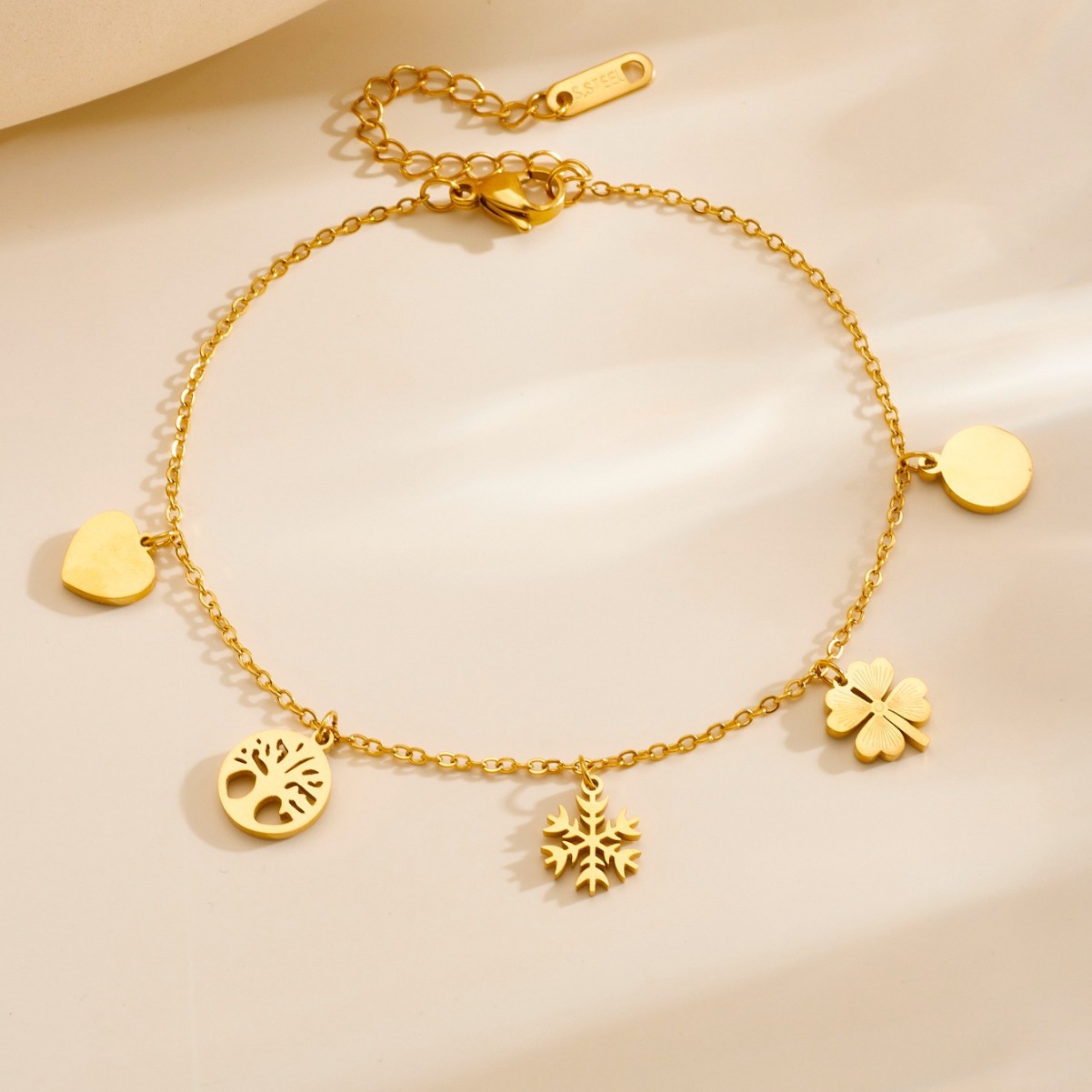
The number one rule of sourcing: If a deal seems too good to be true, it probably is. A supplier offering 316L stainless steel PVD gold necklaces for $0.50 each is either lying about the material, cutting corners on quality, or planning to disappear with your money. Quality stainless steel jewelry has a real cost, and prices below a certain threshold are impossible for legitimate manufacturers. Use price as a quality signal, not just a bargaining chip.
Supplier Verification Questions
How do I know if a supplier is a real factory or a trading company?
This is one of the most important questions in jewelry sourcing, and the answer matters because trading companies add 20-50% markup. Here's how to tell. First, ask for a live video tour of the factory. A real factory can show you production lines, PVD plating chambers, polishing stations, and quality control areas. A trading company will usually show you a showroom or say they'll "send photos later." Second, test their technical knowledge. Ask specific questions like "What temperature does your PVD chamber run at?" or "Why did my last batch of 316L castings have porosity?" Real factory managers can answer these instantly. Trading companies will say "let me check with the production team" and get back to you. Third, check their business license. In China, a factory's license will list manufacturing as their business scope, while a trading company lists import/export. Fourth, ask for references from other buyers in your country. Real factories have long-term customers who will vouch for them. Finally, order samples first and test the quality yourself.
What certifications should a stainless steel jewelry supplier have?
For stainless steel jewelry, the most important certifications are: (1) Material test reports or mill certificates proving the steel is 316L grade. These come from the steel mill and show the chemical composition. (2) REACH compliance for the European market, which restricts certain harmful substances like nickel and lead. (3) RoHS compliance, similar to REACH but for electronic and metal products. (4) Prop 65 compliance for the California market, which requires warning labels for products containing certain chemicals. (5) ISO 9001 quality management certification, which indicates the factory has documented quality processes. Not every legitimate factory has all of these, but they should be able to provide material certificates and basic compliance documentation. If a supplier can't provide any documentation, that's a major red flag. At Showfay, we provide material certificates for every batch and can provide compliance documentation on request.
How do I verify that the jewelry is really 316L and not 304 or 201?
This is a real problem in the industry. Some suppliers label their jewelry as 316L but actually use 304 or even 201 grade steel to save money. Here's how to protect yourself. First, always specify "316L stainless steel" in writing on your purchase order, and require a material certificate with each shipment. Second, use a stainless steel testing solution (available online for $10-$20). You apply a drop of the solution to the metal and it changes color based on the nickel content. 316L has higher nickel content (10-14%) than 304 (8-10.5%) or 201 (3.5-5.5%), so the color reaction is different. These tests aren't 100% accurate but can catch obvious fakes. Third, send a sample to a lab for testing if you're placing large orders ($5,000+). A lab test costs $50-$100 and gives you definitive proof. Fourth, build a relationship with a supplier you trust. Once you've worked with a supplier for several orders and verified their quality, you can reduce testing frequency.
What are the red flags that indicate a supplier might be unreliable?
Watch for these warning signs: (1) Prices significantly below market rate, 30%+ cheaper than comparable suppliers. (2) They only accept Western Union, MoneyGram, or cryptocurrency, with no PayPal or credit card option. (3) They rush you to place a large order with "limited time" discounts. (4) Their website has generic stock photos, not real product photos. (5) They can't answer technical questions about materials or production. (6) They refuse to send samples before a bulk order. (7) Their communication is inconsistent, slow, or evasive. (8) They ask for 100% payment upfront before production. Legitimate suppliers typically ask for 30-50% deposit and balance before shipping. (9) They have no physical address or business license. (10) Reviews or testimonials are all generic and unverifiable. If you see 2-3 of these red flags, walk away. There are plenty of reliable suppliers; don't risk your business on a questionable one.
| Factor | Real Factory | Trading Company | Scam Supplier |
|---|
| Pricing | Market rate, volume discounts | 20-50% markup | Unrealistically low |
| Live video tour | Yes, shows production | Showroom only | Refuses or delays |
| Technical knowledge | Answers instantly | "Let me check with factory" | Vague or wrong answers |
| Material certs | Provided per batch | May or may not provide | Cannot provide |
| Payment terms | 30-50% deposit + balance | Similar | 100% upfront, crypto only |
| Sample policy | Sells samples at fair price | Sells samples | Refuses samples or free only |
| Communication | Responsive, detailed | Responsive but slower | Evasive, pushy, inconsistent |
Pricing and Total Cost Questions
What is landed cost, and why is it more important than the unit price?
Landed cost is the total cost of getting a product from the supplier's warehouse to yours, including: product cost, shipping, insurance, customs duties, taxes, and any fees. Many new buyers only look at the unit price and get a rude surprise when their order arrives with unexpected costs. For example, a $3 necklace might have a landed cost of $4.50 after adding $1 shipping, $0.30 customs duty, and $0.20 in fees. That's a 50% increase over the unit price. To calculate landed cost: (Unit price x Quantity) + Shipping + Insurance + Duties + Fees = Total landed cost. Divide by quantity to get per-unit landed cost. Always use landed cost when calculating your retail markup, not the unit price. If you mark up the $3 unit price 4x to $12, but your landed cost is $4.50, your actual margin is much thinner than you thought. Good suppliers will help you estimate landed cost before you order.
How do customs duties and taxes work for jewelry imports?
Customs duties vary by country and product category. In the United States, jewelry (HTS code 7117 for fashion jewelry) typically has a duty rate of 5-7% of the declared value. Orders under $800 are duty-free under the de minimis threshold. In the European Union, duties are typically 2.5-6% plus VAT (19-25% of the total value including shipping). In the UK, duties are 2.5-6% plus VAT (20%). In Australia, orders under 1,000 AUD are duty-free. To minimize duties legally: (1) Make sure your supplier declares the correct value and product description. (2) Use the correct HS code, your supplier or a customs broker can help. (3) Consider splitting large orders into smaller shipments to stay under duty thresholds (but this may increase shipping costs). (4) Work with a customs broker for large orders, they know the rules and can save you money. Always budget 5-10% of your order value for customs costs, even if you think you're under the threshold. Unexpected duties are the number one surprise for new importers.
Is it cheaper to order larger quantities, and what are the price breaks?
Yes, larger quantities almost always get better per-unit prices because factories have setup costs for each production run. A typical price break structure for stainless steel jewelry might be: 10-49 pieces: standard price. 50-99 pieces: 5-10% discount. 100-499 pieces: 10-15% discount. 500+ pieces: 15-25% discount. However, the lowest possible MOQ isn't always the most economical. Very small orders (under $150) have higher per-unit shipping and packaging costs. The sweet spot for most small retailers is $300-$800 per order, which balances quantity discounts with shipping efficiency. For new buyers, start with a small order ($200-$400) to test quality and sell-through. Once you know your best sellers, place larger orders ($1,000+) for those specific styles to get better pricing. Never order a large quantity of an untested style, no matter how good the price is.
Quality and Inspection Questions
How do I inspect a shipment for quality issues?
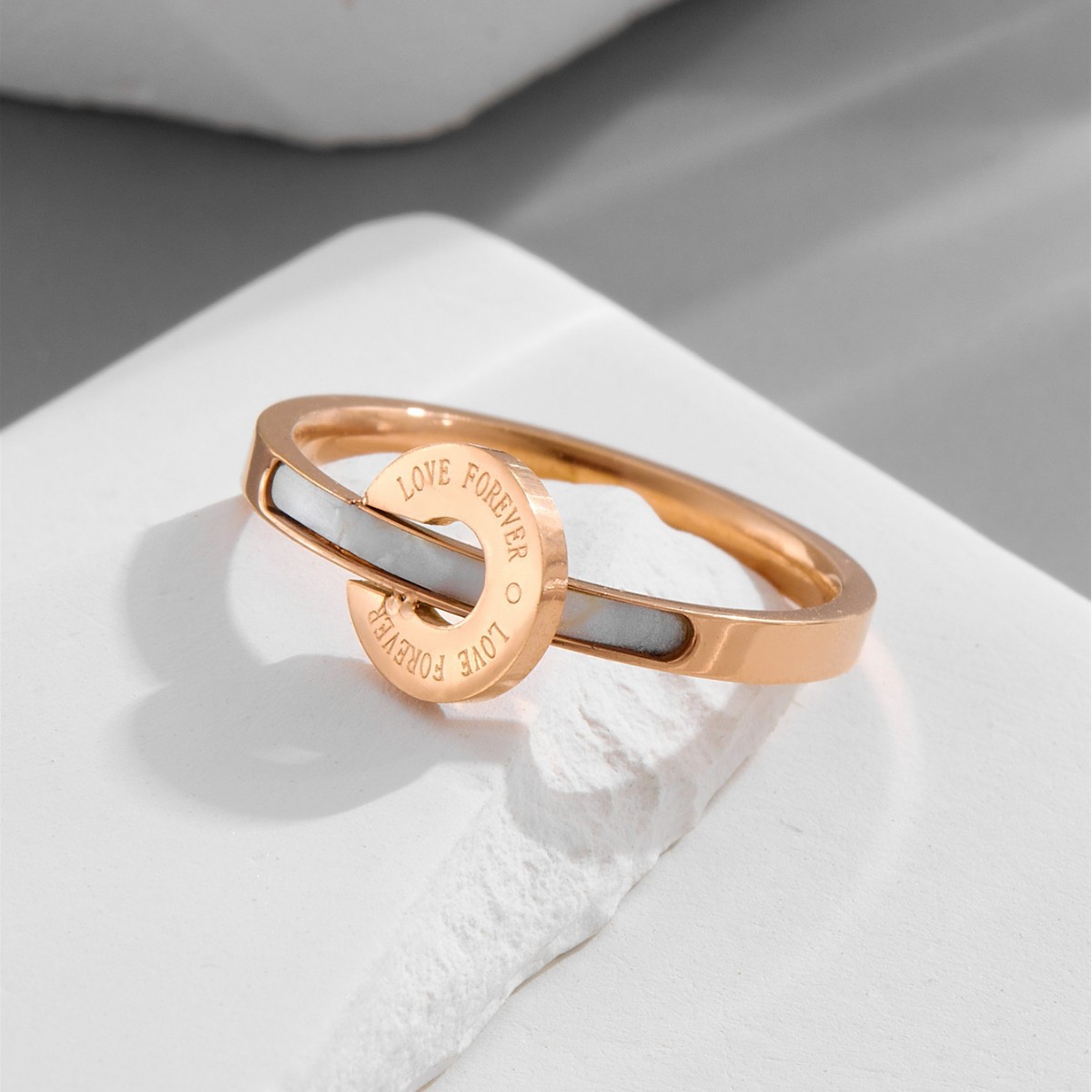
Always inspect every shipment before selling the products. Here's our quality checklist: (1) Count the pieces to make sure you received what you ordered. (2) Check for visible damage: scratches, dents, broken clasps, loose stones. (3) Inspect the PVD plating under bright light: look for thin spots, bubbles, uneven color, or peeling. (4) Test clasps and closures: open and close each one 5-10 times to make sure they work smoothly. (5) Check stone settings: gently wiggle each stone to make sure it's secure. (6) Run your finger along edges to check for sharp spots. (7) Compare to your approved sample: the bulk order should match the sample in size, color, and quality. (8) Weigh a few pieces to check they match the expected weight. If you find defects, contact your supplier immediately with photos. A good supplier will replace defective items or issue a credit. Keep defective pieces as evidence until the issue is resolved. For large orders (500+ pieces), consider hiring a third-party inspection company to check the order before it ships.
What should I do if I receive defective or wrong items?
First, don't panic. Defects happen occasionally even with the best suppliers. What matters is how the supplier handles it. Take clear photos of the defects, count how many pieces are affected, and contact your supplier within 48 hours of receiving the order. Be specific and professional, not emotional. A reputable supplier will offer one of these solutions: (1) Replace the defective items on your next order at no cost. (2) Issue a refund or credit for the defective pieces. (3) In severe cases, pay for return shipping and replace the entire order. If a supplier refuses to address defects or blames you for the problem, that's a sign to find a new supplier. To prevent issues: always order samples first and approve them before bulk production. Specify your quality requirements in writing. Build a relationship with a supplier who stands behind their products. At Showfay, our defect rate is less than 0.5%, and we replace any defective item without question.
How important is PVD plating quality, and how do I check it?
PVD plating quality is one of the biggest differentiators between cheap and quality stainless steel jewelry. Poor PVD plating can chip, fade, or wear off in weeks, leading to customer complaints and returns. Good PVD plating lasts 3-5 years. Here's how to check PVD quality: (1) Look at the color under bright light: it should be even and consistent, with no dark spots or streaks. (2) Check edges and high-contact areas: the plating should be uniform, not thinner on edges. (3) Do a scratch test gently: use your fingernail or a soft cloth to rub the surface, good PVD won't show marks. (4) Ask about plating thickness: quality PVD is 0.5-1 micron. (5) Check the layer structure: quality PVD has a base layer, color layer, and protective top coat. (6) Look for adhesion: the plating should not flake or peel when bent slightly (for flexible pieces). If you're unsure, wear a sample piece daily for 2-4 weeks and see how it holds up. This is the most reliable test of plating quality.
- Verify factories: Live video tour, technical questions, business license, references.
- Get material certs: 316L mill certificates per batch. Test with stainless steel solution.
- Calculate landed cost: Unit price + shipping + duties + fees. Use this for markup.
- Budget for customs: 5-10% of order value. US orders under $800 are duty-free.
- Order samples first: Test quality, wear daily for 2-4 weeks. Approve before bulk.
- Inspect every shipment: Count, check plating, clasps, stones, edges. Compare to sample.
- Red flags: Too-low prices, crypto-only payment, no samples, evasive answers.
Ordering and Payment Questions
What payment methods are safe for international jewelry orders?
The safest payment methods for international orders, in order of protection: (1) PayPal Goods and Services: offers buyer protection, you can dispute if the order doesn't arrive or is significantly different. Fees are 3-5%. (2) Credit card: similar protection to PayPal, but you may need to work with your card issuer for disputes. (3) Alibaba Trade Assurance: holds payment in escrow until you confirm receipt and quality. (4) Bank transfer (T/T): lower fees but no buyer protection. Only use with suppliers you've worked with for multiple orders. (5) Western Union/MoneyGram: no protection, use only for trusted suppliers or small amounts. Never pay 100% upfront to a new supplier. Standard terms are 30-50% deposit to start production, balance before shipping. For first orders, use PayPal or Trade Assurance even if the fees are higher. The protection is worth it. Once you've completed 3-5 successful orders with a supplier, you can switch to bank transfer for lower fees.
What's a typical production and shipping timeline?
For in-stock items (most wholesale jewelry), production is 1-3 days to pick and pack your order. For custom or out-of-stock items, production takes 15-30 days. Shipping times: express (DHL/FedEx/UPS) takes 5-7 business days to the US, Europe, and Australia. Standard air freight takes 10-15 business days. Sea freight takes 25-35 days but is much cheaper for large orders. Total timeline for a typical in-stock order: 2-3 days processing + 5-7 days shipping = 7-10 days from order to delivery. For custom orders: 20-30 days production + 5-7 days shipping = 25-37 days. Plan ahead for peak seasons (October-December): production and shipping can take 2-3 days longer due to high volume. Place holiday orders by mid-October at the latest. Always ask your supplier for an estimated delivery date before ordering, and build in a few extra days for delays.
Can I negotiate prices with my supplier, and how?
Yes, you can negotiate, but approach it professionally. Suppliers are more likely to offer better prices to buyers who: (1) Place consistent, repeat orders rather than one-time purchases. (2) Order larger quantities. (3) Pay promptly and don't cause problems. (4) Are easy to work with and communicate clearly. Effective negotiation strategies: ask for a volume discount based on a specific quantity ("If I order 200 instead of 50, what's the price?"). Ask for a discount on your second order after receiving the first. Ask for free shipping or free samples with a larger order. Ask about payment terms (net 30) for established customers. What doesn't work: demanding discounts without volume, comparing to unrealistically cheap competitors, or being rude. Remember that suppliers have real costs, and a fair price ensures they can maintain quality. A supplier who cuts prices too much will cut corners on quality, which hurts your business in the long run.
Final Sourcing Advice
Your supplier is the foundation of your jewelry business. Choose well, and you'll have a partner who helps you grow for years. Choose poorly, and you'll spend your time fighting quality issues, chasing refunds, and losing customers.
The best approach is to start small, test thoroughly, and build gradually. Order samples from 3-5 suppliers. Compare quality, pricing, communication, and shipping. Pick the best one and place a small first order. If it goes well, place a larger second order. After 3-5 successful orders, you've found your supplier.
And remember, the cheapest supplier is rarely the best supplier. A supplier who charges 10% more but provides consistent quality, fast shipping, and excellent customer service will save you far more than 10% in reduced returns, lost customers, and headaches. Quality is always cheaper in the long run.
Related Reading
- Stainless Steel Jewelry Wholesale FAQ: Buying, Quality, Profit — Buying, Sizing, Quality, and Profit Answered
- First-Time Wholesale Jewelry Buying FAQ: MOQ, Markups, and Samples — MOQ, Resale Certificates, Markups, Samples, and Avoiding Mistakes
- Jewelry Quality Control FAQ: Batch Consistency, Plating, and Defect Rates — Batch Consistency, Plating Standards, Defect Rates, and Supplier Accountability
- Jewelry Supply Chain & Factory Selection: Sourcing Guide — How to Source Stainless Steel Jewelry Like a Pro
316L Certified · PVD Plating · Low MOQ $150
Order Samples FirstFactory-Direct Since 1998 · Quality Guaranteed · Fast Shipping