Jewelry Trends 2026-2027 FAQ
What Is Selling Now, Forecasting, and How to Stock Your Store
The Jewelry Market Is Shifting Faster Than Ever
Jewelry trends used to move slowly. A style would dominate for three to five years, then gradually fade. That is no longer the case. Social media, fast fashion, and global cultural exchange have compressed trend cycles to 12 to 18 months. A necklace that is everywhere this season may be gone by next spring. For retailers, staying ahead of trends is not optional; it is survival.
The 2026-2027 jewelry landscape is defined by a tension between two opposing forces: the continued strength of minimalist, everyday, "quiet luxury" pieces, and the rising demand for bold, expressive, maximalist statement jewelry. Customers are not choosing one or the other; they are buying both, depending on the occasion and their mood. The most successful retailers carry both sides of this spectrum.
This guide answers the most common questions about current and upcoming jewelry trends, based on runway analysis, social media data, wholesale sales patterns, and industry forecasts for 2026 and 2027. These answers are designed to help wholesale buyers and boutique owners make smarter inventory decisions.
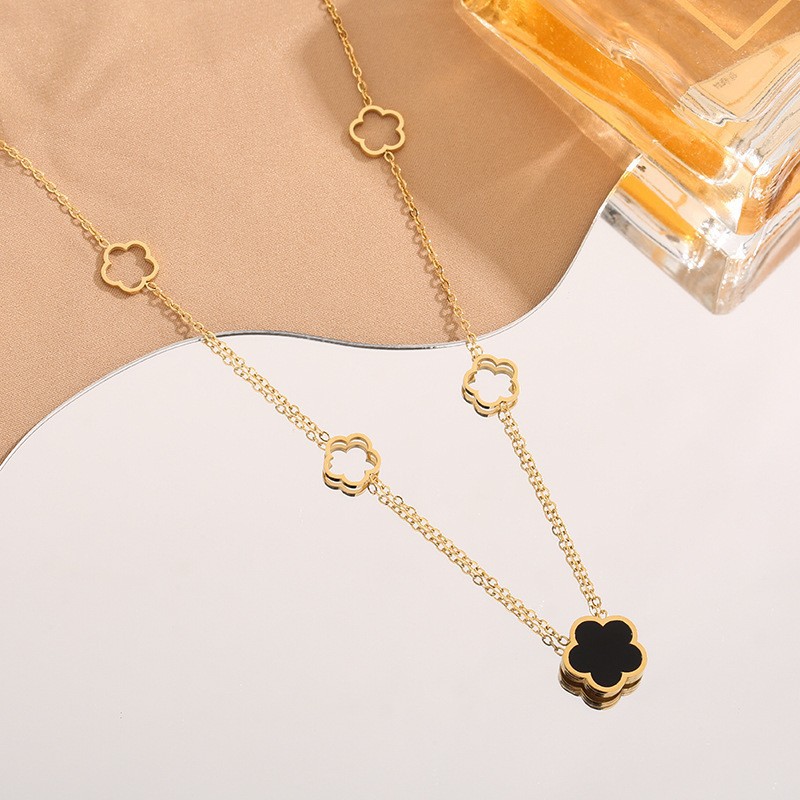
The 2026-2027 trend split: The market is dividing into two clear directions. On one side, "second skin" jewelry: ultra-thin, lightweight, 24/7 wearable pieces that customers never take off. On the other side, "maximalist expression": bold sculptural pieces, colorful stones, chunky chains, and 1980s-inspired statement designs. Customers are buying into both categories for different occasions. Stores that only carry one side are leaving money on the table. The winning inventory mix is roughly 60% everyday/minimalist and 40% statement/trend-driven.
Current Trend Questions
What are the biggest jewelry trends for fall and winter 2026?
Based on runway shows from New York, Paris, Milan, and London, plus social media data, these are the dominant trends for fall-winter 2026: (1) Silver is back: After years of gold dominance, silver-toned jewelry is making a major comeback for fall 2026. Cool-toned metals pair beautifully with autumn's rich colors (burgundy, forest green, charcoal). Silver stainless steel pieces are seeing a 35% increase in search volume compared to last year. (2) Statement pendants and "neck mess": Bold, sculptural pendants on longer chains are everywhere. The layered "neck mess" look (multiple necklaces of varying lengths and weights) has overtaken earrings as the top jewelry category at many retailers. (3) Chunky chains: Thick curb chains, paperclip chains, and rope chains in 4mm to 8mm widths. This is the anti-minimalist trend, and it is growing fast, especially among Gen Z and millennial men. (4) Rich jewel tones: Emerald green, sapphire blue, ruby red, and amethyst purple CZ stones are replacing clear/white stones as the dominant stone color. (5) Beaded jewelry: Pearl, glass, and natural stone beaded necklaces and bracelets, often layered with metal chains. (6) Brooches: Making a comeback as both functional and decorative pieces, especially on blazers and coats. (7) Cord and leather: Cord pendant necklaces and leather bracelets with metal accents, giving a more casual, earthy feel. For inventory, prioritize silver pieces, chunky chains, and colored stones for fall 2026. These three categories alone cover 60% of the trend demand.
Is gold still popular, or is silver taking over?
Gold is still the overall bestseller, but silver is growing fast and the gap is narrowing. Here is the current breakdown: (1) Gold PVD: Still 55 to 60% of fashion jewelry sales. It dominates in the US, Middle East, and Latin America. Warm skin tones and the "quiet luxury" aesthetic keep gold strong. (2) Silver/natural stainless: 30 to 35% of sales, up from 20% in 2024. Growing fastest in Europe, Australia, and among Gen Z. The "clean girl" and "cold weather" aesthetics drive silver demand. (3) Rose gold: 5 to 8% of sales, stable but not growing. It had its peak in 2020-2022 and has settled into a niche. (4) Black/IP black: 3 to 5% of sales, growing among men and goth/alternative customers. (5) Two-tone (gold + silver mixed): Growing at 20% year over year, as the "mixing metals" trend becomes mainstream. Pieces that combine both tones in one design are especially popular. The key insight: do not abandon gold, but increase your silver inventory. If your store is currently 80% gold, shift to 60% gold, 30% silver, 10% other. This balance captures both the existing gold customer base and the growing silver trend. For stainless steel suppliers, silver/natural finish is the cheapest option (no plating needed), so it often has better margins than PVD gold.
What is the "maximalism" trend and should I stock it?
Maximalism in jewelry means bold, oversized, expressive pieces that make a statement. It is the opposite of minimalism and includes: (1) Chunky chains (4mm to 10mm): Curb, rope, and paperclip chains in heavy weights. (2) Oversized hoops (40mm to 80mm): Large, attention-grabbing earrings. (3) Sculptural and geometric shapes: Bold, architectural designs inspired by 1980s and 1990s fashion. (4) Colorful stones: Large, vibrant CZ stones in jewel tones. (5) Multiple rings on every finger: Stacked, mismatched ring combinations. (6) Layered "neck mess": 4 to 6 necklaces of varying lengths and weights worn together. The maximalism trend is driven by Gen Z and younger millennials who use jewelry as self-expression. It is especially strong on TikTok and Instagram, where bold pieces get more engagement. Should you stock it? Yes, but carefully. Maximalist pieces have higher risk because they are more trend-dependent. Start with a small selection (15 to 20% of your inventory) of the strongest sub-trends: chunky chains, oversized hoops, and colored stone pendants. Test what sells in your market, then reorder the winners. The good news is that stainless steel is perfect for maximalist pieces because it is strong enough for chunky designs and affordable enough for customers to experiment with bold styles without a big investment.
What is "second skin" jewelry and why is it growing?
"Second skin" jewelry refers to ultra-thin, lightweight, comfortable pieces designed to be worn 24/7 without being noticed. It includes: (1) Ultra-thin chains (0.5mm to 1mm): So fine they look like a thread on the skin. (2) Tiny studs (2mm to 4mm): Barely-there earrings for multiple piercings. (3) Thin bands (1mm to 2mm): Stackable, comfortable rings. (4) Flexible bracelets: Soft chains and bangles that move with the body. (5) Waterproof and sweatproof: Made from stainless steel or titanium so they can be worn in the shower, gym, and pool. The trend is driven by customers who want jewelry that fits their active, low-maintenance lifestyle. They do not want to take jewelry off every night, worry about it tarnishing, or feel it digging into their skin. "Second skin" pieces are designed to be forgotten, in the best way. This is one of the fastest-growing segments in jewelry, with 15 to 20% annual growth. It overlaps with the minimalist trend but goes further in terms of thinness and wearability. For retailers, "second skin" pieces have high repeat purchase rates because customers buy multiple pieces to layer and collect. They also have low return rates because they are simple and comfortable. Stock ultra-thin chains, tiny studs, and thin bands in both gold and silver finishes.
| Trend | Growth Rate | Target Customer | Inventory % | Best Categories |
|---|
| Silver tones | +35% YoY | Gen Z, Europe, AU | 25-30% | Chains, studs, rings |
| Chunky chains | +40% YoY | Gen Z, men, fashion | 10-15% | Necklaces, bracelets |
| Colored stones | +25% YoY | Millennials, fashion | 10-15% | Rings, pendants, earrings |
| Second skin | +20% YoY | Active lifestyle, 25-40 | 15-20% | Thin chains, tiny studs |
| Statement pendants | +30% YoY | Fashion-forward, 20-35 | 10-15% | Necklaces, "neck mess" |
| Oversized hoops | +20% YoY | Gen Z, bold style | 5-10% | Earrings |
| Beaded jewelry | +15% YoY | Boho, casual | 5-10% | Necklaces, bracelets |
| Gold PVD (classic) | Stable (55% share) | Broad, US/ME/LatAm | 40-50% | All categories |
Forecasting and Buying Questions
How far in advance should I buy for upcoming trends?
Timing is everything in trend-based buying. Here is the standard timeline for fashion jewelry: (1) Trend identification: 6 to 12 months before the trend peaks. This is when runway shows, fashion magazines, and early adopters signal a new trend. (2) Early buying: 4 to 6 months before peak. Place orders with suppliers for the trend's key pieces. For Chinese suppliers, allow 2 to 4 weeks production + 1 to 2 weeks shipping. (3) In-store arrival: 1 to 2 months before peak. Have inventory ready when customer demand starts building. (4) Peak selling: 2 to 4 months. This is when the trend is mainstream and selling fastest. (5) Markdown phase: 1 to 2 months after peak. Discount remaining inventory to clear it before the next trend. For example, if a trend peaks in fall 2026 (September-November), you should identify it in late 2025, buy in March-April 2026, have it in store by July-August 2026, sell September-November, and markdown December-January 2027. For wholesale buyers sourcing from Showfay, the key advantage is low MOQ ($150) and fast production (1 to 2 weeks for in-stock items). This means you can test a trend with a small order, see if it sells, and reorder quickly if it does. You do not need to commit to large quantities 6 months in advance. This "test and reorder" approach reduces risk significantly.
How do I spot a trend before it becomes mainstream?
Spotting trends early gives you a competitive advantage. Here are proven methods: (1) Runway shows: Watch New York, Paris, Milan, and London fashion weeks (February and September each year). Jewelry trends on the runway often take 6 to 12 months to reach mainstream retail. (2) Social media monitoring: Track hashtags like #jewelrytrends, #jewelryinspo, #ootd (outfit of the day) on Instagram and TikTok. Look for styles that appear repeatedly across multiple creators, not just one viral post. (3) Celebrity and influencer sightings: When A-list celebrities start wearing a style on red carpets and in daily life, it usually signals a coming trend. (4) Google Trends: Use Google Trends to track search volume for jewelry terms. A steady upward slope over 3 to 6 months indicates a growing trend. (5) Competitor analysis: Watch what fast fashion brands (Zara, H&M, Shein) are stocking. They identify trends quickly and sell at scale. If multiple fast fashion brands have the same style, it is going mainstream. (6) Trade shows: Attend or follow jewelry trade shows (JCK Las Vegas, VicenzaOro, Hong Kong Jewelry Show). What suppliers are showing in their booths often predicts next season's retail trends. (7) Pinterest: Pinterest is a leading indicator for fashion trends because users plan purchases there. Trending Pinterest searches often predict retail trends 3 to 6 months ahead. (8) The key is to look for convergence: when multiple signals (runway, social, celebrities, search) point to the same trend, it is real. A single signal (one viral TikTok) may be a fleeting fad. Wait for convergence before committing inventory.
How do I avoid getting stuck with outdated trend inventory?
Trend inventory risk is the biggest danger in fashion jewelry. Here is how to manage it: (1) The 80/20 rule: 80% of your inventory should be timeless, evergreen styles (plain chains, simple studs, classic bands) that sell year after year. Only 20% should be trend-driven pieces. (2) Small test orders: Start with 5 to 10 pieces of a new trend style. If they sell out within 2 weeks, reorder 20 to 50. If they sit for 4 weeks, mark them down and move on. (3) Fast reorder capability: Work with suppliers who can produce and ship in 1 to 2 weeks (like Showfay with in-stock items). This lets you respond to sales data quickly instead of guessing 6 months ahead. (4) Seasonal timing: Do not buy fall trends in summer and expect them to sell in spring. Match your buying to the selling season. (5) Clearance plan: Before each season, have a markdown plan for leftover trend inventory. 20% off at month 1, 40% off at month 2, 60% off or bundle deals at month 3. Do not hold onto trend inventory hoping it will come back; most trends do not cycle back for 5 to 10 years. (6) Versatile styles: Choose trend pieces that can be styled in multiple ways. A chunky chain can be worn alone or layered. A colored stone pendant works with both casual and dressy outfits. Versatile pieces sell through faster. (7) Track sell-through rate: For each trend style, calculate how many units sold per week. If a style sells less than 1 unit per week after the first 2 weeks, it is a dud. Mark it down and do not reorder. (8) The most successful jewelry retailers treat trend buying like a science: small bets, fast data, quick reorders on winners, ruthless clearance on losers.

Customer and Market Questions
What are Gen Z and millennial customers looking for in jewelry right now?
Gen Z (ages 18-26) and millennials (ages 27-42) are the primary buyers of fashion jewelry, and their preferences are shaping the market: (1) Value and durability: Both generations want jewelry that lasts. They are tired of fast fashion jewelry that tarnishes in a month. Stainless steel's durability and tarnish resistance are major selling points. (2) Self-expression: Gen Z especially uses jewelry to express identity, mood, and personality. This drives the maximalist, colorful, and personalized trends. (3) Sustainability: Both generations care about ethical and sustainable materials. Recycled stainless steel, minimal packaging, and transparent sourcing resonate. (4) Affordability: They want to look good without spending hundreds. The $15 to $40 price point is the sweet spot. (5) Social media influence: They discover jewelry on TikTok and Instagram, and they want pieces that look good in photos and videos. Bold, shiny, colorful pieces perform best on social media. (6) Gender fluidity: Gen Z is breaking down gender norms in jewelry. Men wearing pearls, unisex designs, and "men's" styles on women are all growing. (7) Layering and stacking: Both generations love building collections and creating unique combinations. This drives multiple purchases per customer. (8) For retailers, the winning formula is: affordable ($15-$40), durable (stainless steel), expressive (bold or personalized), and social-media-friendly. Pieces that check all four boxes will sell consistently to these demographics.
Are men's jewelry trends different from women's?
Men's jewelry is the fastest-growing segment in the industry, with 8 to 10% annual growth, and its trends are distinct: (1) Chains are king: Men buy more chains than any other category. Cuban link chains, rope chains, and Figaro chains in 4mm to 8mm widths are the top sellers. (2) Rings: Signet rings, plain bands, and pinky rings are growing. Engraved signet rings are especially popular for personalization. (3) Bracelets: Chain bracelets, leather bracelets, and beaded bracelets. Curb chain bracelets are the strongest style. (4) Earrings: Small studs, hoops, and cross earrings. Single-earring looks (wearing one earring) are trending. (5) Pendants: Cross, dog tag, and initial pendants on thick chains. (6) Black IP plating: Black stainless steel is very popular in men's jewelry, giving an edgy, modern look. (7) Silver is growing in men's jewelry faster than in women's, driven by the "clean" and "minimalist" male aesthetic. (8) The key difference from women's jewelry: men prefer simpler, bolder, heavier pieces. They are less likely to buy colorful stones or dainty designs. They prioritize weight and presence. For retailers, a dedicated men's collection (even a small one of 10 to 15 SKUs) can significantly increase revenue. Men are often underserved by jewelry stores, so a good men's selection builds loyalty and word-of-mouth.
What trends are fading that I should stop buying?
Recognizing declining trends is as important as spotting rising ones. Here are trends that are fading in 2026: (1) Rose gold: Had its peak in 2020-2022. Sales are down 30% from peak. Reduce rose gold inventory to 5% or less. (2) Delicate layered only: The ultra-dainty, all-thin-chains look is being replaced by mixed-weight layering (thin + chunky). Pure dainty is still selling but growing slowly. (3) Clear/white CZ only: Clear stones are being overtaken by colored jewel tones. Reduce all-clear stone inventory, add colored stones. (4) Chokers: Had a big moment in 2022-2024. Sales are declining as longer necklaces (18-24 inches) become more popular. (5) Y2K revival (butterflies, smiley faces, pastel colors): The early 2000s nostalgia trend is fading. It had a strong run from 2021-2025 but is now being replaced by 1980s and 1990s-inspired bold styles. (6) Initial necklaces (single letter): Still selling but saturated. The market is crowded, and growth has slowed. Personalized name necklaces and coordinates are growing faster. (7) Tassel earrings: Declining from their 2023 peak. Being replaced by hoops and sculptural earrings. The rule for fading trends: do not buy more, sell through existing inventory at full price if possible, then markdown to clear. Do not get caught holding large quantities of a declining trend. The money tied up in dead inventory could be invested in rising trends.
- Silver is back: +35% YoY growth. Shift inventory from 80% gold to 60% gold, 30% silver.
- Two trends coexist: "Second skin" (ultra-thin, 24/7 wear) and maximalism (bold, chunky, expressive). Stock both.
- Chunky chains: +40% YoY. Curb, rope, paperclip in 4-8mm. Top category for men and Gen Z.
- Colored stones: Emerald, sapphire, ruby, amethyst replacing clear/white CZ. +25% YoY.
- 80/20 inventory rule: 80% evergreen styles, 20% trend-driven. Reduces risk of dead stock.
- Test and reorder: Start with 5-10 pieces, reorder winners in 2 weeks. Low MOQ suppliers make this possible.
- Men's jewelry: Fastest growing segment (+8-10%). Chains, rings, bracelets. Black IP and silver trending.
- Fading trends to avoid: Rose gold, chokers, Y2K butterflies, all-clear stones, tassel earrings.
Final Trend Advice
Trend forecasting is not about predicting the future perfectly; it is about managing risk and maximizing opportunity. The retailers who win are not the ones who guess every trend correctly; they are the ones who test small, reorder fast, and clear out losers quickly.
For 2026-2027, the big story is the split between minimalism and maximalism. Customers want both: delicate pieces for everyday wear and bold pieces for self-expression. Stores that carry both sides of this spectrum will capture more customers and more occasions.
Stainless steel is the ideal material for this moment. It is durable enough for everyday "second skin" pieces, bold enough for chunky maximalist designs, affordable enough for trend experimentation, and sustainable enough for conscious consumers. Whatever trend comes next, stainless steel can adapt. Keep your core inventory strong, test new trends with small orders, and let your sales data tell you what to reorder. That is the formula for trend success.
Related Reading
- Chunky and Statement Jewelry FAQ: Bold Chains, Oversized Hoops, and Styling — Bold Chains, Oversized Hoops, Sculptural Pieces, and How to Style Them
- 2026 Stainless Steel Jewelry Trends: What Buyers Should Stock — What Wholesale Buyers Should Stock This Year
- Y2K and Vintage Jewelry FAQ: Styles, Trends, and Wholesale Buying Guide — Styles, Butterfly Charms, Chunky Chains, Beaded Bracelets, and Wholesale Buying Guide
- Men's Stainless Steel Jewelry: Styles, Trends & Wholesale Guide — Styles, Trends & Wholesale Guide
Chunky Chains · Silver · Colored Stones · Low MOQ $150
Request New Arrivals CatalogFactory-Direct Since 1998 · 31,000+ Styles · Fast Production