
Jewelry Clasps FAQ: Lobster, Spring Ring, Toggle and Buckle Types
Necklace and Bracelet Clasps FAQ
The clasp is the smallest moving part on a necklace or bracelet, and it breaks first when the metal is weak, the spring tired or the ring too thin. Buyers rarely notice it until they cannot open it behind the neck, or the chain snaps open in the day. Clasp quality shapes comfort and returns: a chain that opens by itself, a bracelet a one handed fastener cannot close, or a toggle that slips apart all generate complaints unrelated to the design.
The clasp carries the whole chain
Every pull runs through the clasp and the small jump rings connecting it to the chain. A heavy pendant on a fine clasp works the spring harder than a light chain, and a bracelet twists more than a hanging necklace. Check the clasp on the sample before assuming the piece is solid enough to stock.
| Clasp type | Opening method | Typical use | Strength and feel |
|---|---|---|---|
| Lobster clasp | Thumb lever pulls the spring gate open | Chains, pendants, bracelets | Strong and secure; sized by gauge |
| Spring ring clasp | Small ring opens by pushing a side knob | Fine chains, delicate necklaces | Light weight; fatigues on heavy loads |
| Toggle clasp | Bar passes through a ring or oval loop | Chunky chains, cuffs, statement pieces | Visible hardware; can slide open if loose |
| Box clasp | Tongue inserts and clicks into a box | Bracelets, structured links | Low profile; hinge pin must stay tight |
| Hook and eye clasp | S hook rests into an eye ring | Casual and adjustable layered chains | Easy to open; not high security |
Lobster clasps: the workhorse
A lobster clasp opens when a thumb lever pulls a spring loaded gate away; it snaps shut on release. It is the most common clasp on necklaces and bracelets because it closes securely across chain weights. Size and gauge matter: a small lobster suits a fine chain, while a chunky curb or figaro needs a bigger clasp that will not twist under weight. The lever opens with firm smooth resistance, and the gate closes flush with no gap.
Spring rings for delicate chains
A spring ring is a circular clasp with a spring loaded knob pushed sideways to open part of the ring. It sits flat and light, suiting thin chains where a bulky lobster looks out of place. Its limitation is load: the small ring and spring can stretch open under a heavy pendant or thick chain over time. On samples, check the ring spins smoothly and the spring snaps back evenly.
Toggle, box and hook fasteners
Toggle clasps use a visible bar and loop: the bar passes through the ring and stays by geometry, giving a rugged look on chunky chains and cuffs. A loose oval loop lets the bar slide out, so loop shape and bar length matter. Box clasps sit flat and lock a tongue inside a frame on structured bracelets; their weak point is the hinge pin. Hook and eye closures connect fast but are the least secure option.
Jump rings and extender chains
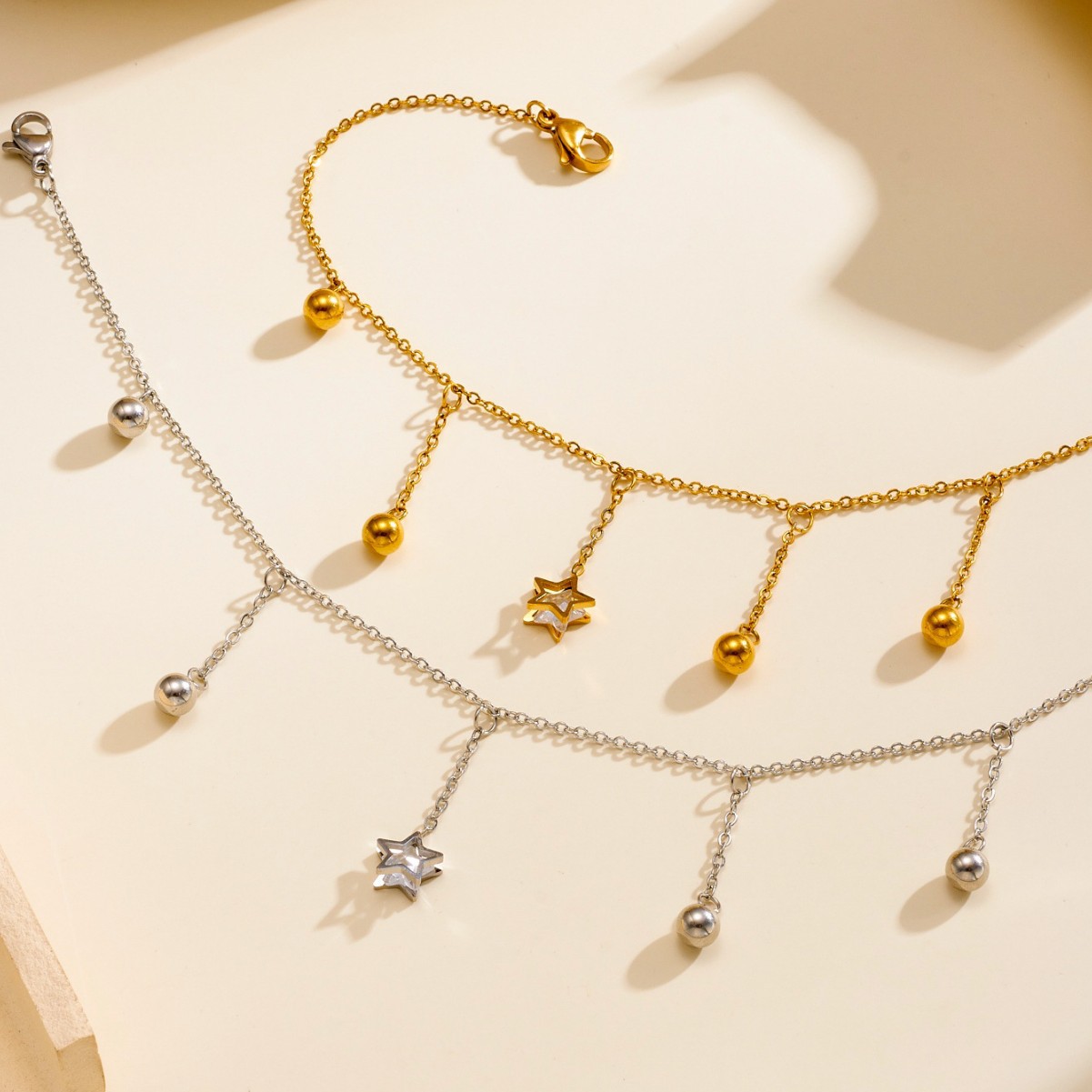
The clasp rarely fails alone; most losses happen at the jump ring connecting clasp to chain, where a poorly soldered or thin ring opens after bending. Inspect samples for closed, smooth solder on both ends, and wiggle each ring to confirm it does not pry apart. Extender chains add flexibility, helping bracelets fit different wrists and layered necklaces adjust their drop, cutting size questions before they become tickets.
Clasp inspection checklist for wholesale samples
Choosing clasps by category
For everyday necklaces and pendants, a proportionate lobster clasp is the safe default: secure and comfortable behind the neck. Fine chains pair with spring rings where lightness matters most. Chunky bracelets often use flat box clasps, while toggle and hook constructions fit casual ranges where the clasp is part of the look. Recording clasp type in product data keeps fit answers consistent across listings.
Frequently asked questions
Which clasp is the most secure for a necklace?
A well sized lobster clasp is the most secure everyday choice: the lever keeps the gate closed until pressed, and the steel body resists stretching. Toggle and hook clasps rely on geometry and can open in movement; spring rings suit light chains rather than heavy pendants.
What is the difference between a lobster clasp and a spring ring?
A lobster clasp uses a thumb lever on a curved body and carries more weight. A spring ring is a small circular clasp opened by a side knob, kept light for fine chains. Lobster clasps are stronger; spring rings are slimmer.
Why does my bracelet keep opening by itself?
Common reasons are a clasp sized too small for the chain, a worn spring, a thin jump ring that bends open, or a loose toggle loop. Testing both end rings usually reveals which part gives way.
Which clasp is easiest to fasten one handed?
A lobster clasp with a clear lever is easier to manage alone than a tiny spring ring. Bracelets with an extender or larger eye ring give the hand something to hold while the other works the clasp.
How big should the clasp be for a heavy chain?
The clasp and jump rings need a gauge matching the chain weight. A thick curb or cuban chain on a small clasp twists and loads the spring unevenly. Ask the supplier which clasp size pairs with each chain width.
Are stainless steel clasps better than plated ones?
Stainless steel clasps hold spring resistance and resist sweat, humidity and tarnish over repeated use. Plated soft metal clasps wear through coating at the lever and spring, losing firmness faster on daily pieces.
Should a necklace include an extender chain?
An extender helps bracelets fit varying wrists and lets necklaces adjust their drop, reducing size related returns. Confirm extender length and finish when ordering, and note the fit range on the page.
What clasp defect should I reject on a wholesale sample?
Reject a clasp with a soft or dead spring, a gate that closes with a visible gap, rough lever edges, unsoldered jump rings, or a wobbling hinge pin. These signs usually predict early breakage in wear.
Clasp choices that protect repeat sales
A secure clasp turns a pretty chain into a piece customers keep wearing and reordering. Match the fastener to weight and style, inspect spring feel and solder joints on samples, and write the clasp type plainly in each listing. Steel around the clasp resists sweat and humidity, giving everyday necklaces and bracelets durable wholesale quality.
- Company Info
- Feedback
- Customer Reviews
- About Us
- Dropshipping
- FAQ
- Jewelry Wholesale Blog
- User Center
- Forget Password
- My Orders
- Tracking Order
- My Account
- Register
- Payment & Shipping
- Terms And Conditions
- Return Policy
- Shipping Methods
- Payment Methods
- Discount