Pearl Jewelry FAQ
Pearl Types, Freshwater vs Cultured, Stainless Steel Mounts, Styling, Care, and Wholesale Guide
Pearls Are Having a Major Moment
Pearl jewelry has gone from classic bridal and grandmother's jewelry to one of the biggest fashion trends of the year. The modern pearl movement blends traditional elegance with edgy styling: layered pearl necklaces over hoodies, pearl hoops with streetwear, and mixed pearl-and-metal stacks on Gen Z influencers. What was once considered stuffy is now cool, feminine, and versatile.
For retailers, pearl jewelry is a strong category because it appeals to multiple demographics: brides buying traditional pearl sets, young women buying trendy pearl stacks, and customers buying classic pearl studs as gifts. Stainless steel pearl jewelry offers the elegance of pearls at an accessible price, with hypoallergenic mounts that will not tarnish.
This guide covers the most common questions about pearl jewelry, from pearl types to styling and wholesale buying.
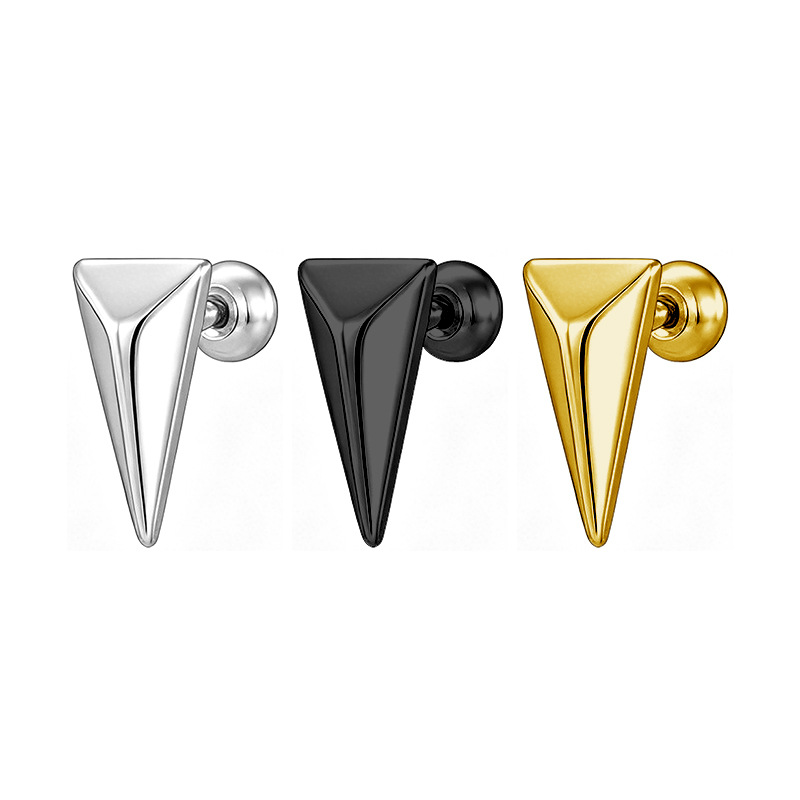
Why pearls sell: Pearl jewelry is a year-round category with seasonal peaks in spring (wedding season) and December (holiday gifts). Freshwater pearl studs retail for $15 to $35, pearl necklaces $25 to $60, and pearl hoops $20 to $45. Stainless steel mounts keep the price accessible while providing hypoallergenic, tarnish-free hardware. The modern trend of mixing pearls with metals and layering has expanded the customer base beyond brides and classic jewelry buyers.
Pearl Types and Quality Questions
What types of pearls are used in fashion jewelry?
There are several pearl types at different price points: (1) Freshwater pearls: The most common in fashion jewelry. Grown in freshwater mussels, primarily in China. Affordable, available in white, pink, lavender, and cream. Shapes range from round to oval to baroque. Good luster at low prices. (2) Akoya pearls: Classic round white pearls from Japan. Known for high luster and perfect roundness. More expensive than freshwater. Used in fine jewelry. (3) South Sea pearls: Large, luxurious pearls from Australia, Indonesia, and the Philippines. White or golden. Very expensive. Fine jewelry tier. (4) Tahitian pearls: Known for dark colors (black, gray, peacock). Large and luxurious. Fine jewelry. (5) Shell pearls (majorica): Man-made pearls from shell material. Uniform shape and color, affordable. The most common pearl in fashion jewelry. Looks real but is synthetic. (6) For stainless steel fashion jewelry, freshwater pearls and shell pearls are the standard. They look beautiful, are affordable, and work well with PVD gold and silver mounts. (7) Pearl size is measured in millimeters. Fashion pearls range from 6mm (small studs) to 10mm (statement pendants). 7-8mm is the most popular size for everyday wear. (8) Pearl shape: Round is classic. Baroque (irregular) is trendy for a modern look. Button (flat back) is common in studs and rings. (9) Luster is the key quality factor. Good pearls have a bright, reflective glow. Cheap pearls look chalky and dull. (10) For wholesale buying, freshwater pearls in 7-8mm white round are the safest bet. They work for studs, pendants, necklaces, and earrings.
How can I tell if a pearl is good quality?
Pearl quality is judged by several factors: (1) Luster: The most important. Look for a bright, reflective surface. Rub the pearl gently against your front tooth. A real pearl feels slightly gritty. A fake plastic pearl feels smooth. (2) Surface quality: Fewer blemishes (spots, bumps, wrinkles) means higher quality. Fashion pearls have minor surface imperfections, which is normal and expected at this price. (3) Shape: Round is most valuable. Near-round and slightly off-round are common in affordable pearls and still look beautiful. Baroque pearls are intentionally irregular and trendy. (4) Size: Larger pearls are more valuable. 6-7mm is small and delicate. 8-9mm is medium. 10mm+ is statement size. (5) Color: White is the most versatile. Pink, lavender, and cream are popular for fashion. Color should be even and consistent within a strand. (6) Matching: In a necklace or earring set, the pearls should be similar in size, shape, and color. Cheap strands have mismatched pearls. (7) Drill holes: The hole should be clean and centered. Rough or off-center holes indicate low quality. (8) For fashion jewelry at $15-$50 retail, customers should not expect AAA-grade pearls. Natural variation is normal and adds character. (9) Educate customers: Tell them that real pearls have minor surface variation. If every pearl is perfectly identical, it is likely synthetic. (10) Always inspect samples. Hold pearls up to a light. Check luster, matching, and drill holes before ordering in bulk.
What is the difference between real pearls and shell/imitation pearls?
This is a common customer question: (1) Real pearls (natural or cultured): Grown inside oysters or mussels over months to years. They are organic, have natural variation, and cost more. (2) Shell pearls (Majorica): Made from polished shell material coated in pearlescent finish. They look very close to real pearls but are uniform. Affordable. (3) Plastic imitation pearls: Plastic beads coated in pearl paint. Lightweight, less lustrous, and can peel. The cheapest option. (4) Glass pearls: Glass beads coated in pearl finish. Better quality than plastic. (5) For fashion jewelry sold at $15-$50, freshwater cultured pearls and shell pearls are both acceptable. Freshwater pearls are real and organic. Shell pearls are synthetic but beautiful and consistent. (6) Price difference: Freshwater pearl studs (7-8mm) wholesale for $2-$5. Shell pearl studs wholesale for $1-$3. The retail price is similar ($15-$30), so margins are slightly better with shell pearls. (7) Durability: Shell pearls and cultured pearls both last for years with proper care. Plastic pearls can peel. (8) Weight: Real pearls feel slightly heavier. Shell pearls feel similar. Plastic pearls feel light. (9) For marketing, be honest. Label freshwater pearls as "freshwater cultured" and shell pearls as "shell pearls" or "fashion pearls." Do not misrepresent. (10) Customers at this price point mainly want the look and feel. Both real and shell pearls deliver that. The key is consistent quality and secure mounts.
| Type | Origin | Price Tier | Characteristics | Best For |
|---|
| Freshwater | China, freshwater mussels | Affordable | White/pink/lavender, natural variation | Everyday fashion jewelry |
| Akoya | Japan, saltwater | Fine jewelry | Perfect round, high luster, white | Classic bridal, gifts |
| Shell (Majorica) | Synthetic, shell-based | Fashion | Uniform shape, consistent color | Trendy, affordable |
| South Sea / Tahitian | Australia, Polynesia | Luxury | Large, white/golden/dark | Fine jewelry collectors |
Styling and Wear Questions
How do you wear pearls in a modern way?
Modern pearl styling is anything but traditional: (1) Layered pearl necklaces: Mix a short pearl choker (16 inches) with a longer pearl strand (28-36 inches). This is the defining modern pearl look. (2) Pearls with edge: Wear pearl studs with leather jackets, band tees, and chunky boots. The contrast of elegant pearls with edgy outfits is very on-trend. (3) Pearl hoops: Hoops with pearl details or pearl drops. A modern take on classic hoops. (4) Pearl stacking: Stack pearl rings with metal bands. Mix pearl necklaces with gold chains. (5) Pearl bracelets: A single pearl strand worn with metal chain bracelets. Layer them. (6) Men in pearls: More men are wearing pearl necklaces and bracelets. A single pearl strand or a pearl pendant on a chain is a quiet luxury look. (7) Pearl hair clips and accessories: Pearls in hair, on bags, and as brooches. A full pearl trend. (8) Office styling: Classic pearl studs and a single strand. Polished and professional. (9) Evening: Pearl drop earrings and a single pearl necklace. Timeless glamour. (10) For retailers, display pearls in styled looks, not just on white cards. Show a layered pearl necklace over a t-shirt, or pearl hoops with a leather jacket. Customers buy the style, not just the product.
How do I care for pearl jewelry?
Pearls require gentle care but are not fragile: (1) Apply perfume, hairspray, and lotion before putting on pearls. Chemicals damage the pearl surface. (2) Wipe pearls with a soft cloth after wearing. This removes skin oils and cosmetics. (3) Do not wear pearls in the shower, pool, or hot tub. Chlorine and soap damage pearls over time. (4) Store pearls separately from other jewelry. They are softer than metals and can scratch. A soft pouch or individual compartment is best. (5) Do not store pearls in airtight plastic bags. They need to breathe. A fabric pouch or lined jewelry box is ideal. (6) Pearl strands may stretch over time. Restring every 2-3 years for frequently worn necklaces. (7) Avoid prolonged exposure to direct sunlight, which can dry and yellow pearls. (8) For stainless steel pearl jewelry, the metal mounts do not tarnish. Clean the steel with a soft cloth. Clean pearls separately. (9) Do not use commercial jewelry cleaners on pearls. They are too harsh. A mild soap and damp cloth is safe for occasional cleaning. (10) With proper care, freshwater and shell pearls last for decades. This is a selling point to customers.
What pearl jewelry pieces sell best?
Here are the top-selling pearl jewelry categories: (1) Pearl stud earrings: The #1 seller. Classic 7-8mm white pearl studs. Every customer needs a pair. Retails $15-$30. (2) Pearl pendant necklace: A single pearl on a chain. Simple and elegant. Retails $20-$40. (3) Pearl hoop earrings: Hoops with pearl accents. Trendy. Retails $20-$40. (4) Pearl strand necklace: A classic single strand (16-18 inches). Retails $25-$50. (5) Pearl bracelet: A single pearl strand or pearl-and-chain bracelet. Retails $15-$35. (6) Pearl drop earrings: Dangle pearls for formal wear. Retails $20-$45. (7) Pearl rings: A pearl on a stainless steel band. Retails $15-$30. (8) For wholesale, start with pearl studs and a pearl pendant necklace. These two cover about 40% of demand. Add pearl hoops for trend and a pearl strand for classic customers. (9) Gold PVD mounts are preferred over silver for pearl jewelry. The warm gold tone complements white pearls beautifully. (10) Pearl jewelry is also a top gift category. Mother's Day, Valentine's Day, Christmas, and graduation drive significant sales. Offer gift packaging.
Wholesale and Business Questions
How should I price pearl jewelry for retail?
Pearl jewelry pricing by category: (1) Pearl studs (7-8mm freshwater): Wholesale $2-$5, retail $15-$30. Margin 65-80%. (2) Pearl pendant on chain: Wholesale $3-$7, retail $20-$40. (3) Pearl hoop earrings: Wholesale $3-$8, retail $20-$40. (4) Pearl strand necklace: Wholesale $5-$15, retail $25-$60. (5) Pearl bracelet: Wholesale $2-$6, retail $15-$35. (6) Gold PVD mounts command a 20-30% premium over steel mounts. (7) Pearl size affects price. 8-9mm pearls cost about 30% more than 6-7mm. (8) Bundle strategy: Sell pearl stud + pendant necklace as a "pearl set" for $40-$60. This increases average order value. (9) Gift boxes: Pearl jewelry is frequently gifted. Include a nice box for $1-$2 extra. (10) For Showfay, the stainless steel pearl collection in PVD gold offers the quality and price point that retailers need. Start with studs and pendants, then expand.
What should I look for when buying pearl jewelry wholesale?
Quality checklist for pearl jewelry: (1) Pearl matching: In earrings and necklaces, pearls should match in size, color, and luster. Mismatched pearls look cheap. (2) Drill holes: Clean, centered holes. Rough holes indicate poor quality. (3) Mount security: The pearl must be securely glued or prong-set. Pull gently on the pearl. It should not move. (4) Stainless steel posts: For earrings, ensure posts are 316L stainless steel. This is hypoallergenic and prevents earlobe reactions. (5) Finish: PVD gold on the metal should be even with no spots. (6) Luster: Hold pearls up to light. They should glow, not look chalky. (7) Consistency: Order samples from a few suppliers. Compare luster, matching, and mount quality. Choose the most consistent supplier. (8) For necklace strands, check that the string is strong and knotted between pearls. Knotting prevents pearls from rubbing together and limits loss if the string breaks. (9) Always wear-test. Put on the earrings and necklace for a few days. Check for comfort, earlobe reaction, and durability. (10) The most common defect is loose pearls in mounts. This leads to lost pearls and customer complaints. Inspect every piece before selling.
- Pearl types: Freshwater (affordable, natural variation) and shell pearls (uniform, synthetic) are standard for fashion. Akoya and South Sea are fine jewelry tier.
- Quality signs: Good luster (gritty tooth test), matching pearls, clean drill holes, secure mounts. Natural variation is normal at this price.
- Best sellers: Pearl studs (7-8mm), pearl pendant necklace, pearl hoops, pearl strand. Start with studs and pendants (40% of demand).
- Modern styling: Layered pearl necklaces, pearls with edge (leather, tees), pearl hoops, mixing with metals. Display in styled looks.
- Care: Perfume/lotion before wearing, soft cloth after, no shower/pool, store separately in fabric pouch. Restring strands every 2-3 years.
- Pricing: Wholesale $2-$15, retail $15-$60. Margins 65-80%. Gold PVD mounts preferred. Bundle sets and gift boxes increase AOV.
- Quality check: Matching pearls, secure mounts, 316L posts, even PVD finish, knotted strands. Wear-test samples.
- Gifting: Top gift category. Mother's Day, Valentine's Day, Christmas, graduation. Offer gift boxes and cards.
Final Pearl Jewelry Advice
Pearl jewelry is a category that never goes out of style, and the modern pearl trend has expanded its customer base beyond traditional buyers. From classic pearl studs to trendy pearl hoops and layered strands, there is a pearl style for every customer and occasion.
For retailers, start with the essentials: pearl studs and a pearl pendant necklace in PVD gold with 316L stainless steel mounts. Add pearl hoops for the trendy customer and a classic strand for the traditional buyer. Market pearls as versatile, modern, and gift-worthy, not as outdated grandmother's jewelry.
With stainless steel mounts, you offer hypoallergenic, tarnish-free pearl jewelry at a price point that works for everyday wear. Pearls are a reliable, high-margin category that builds repeat customers.
Related Reading
- Cuban Link Chain FAQ: Widths, Styles, Gold vs Steel, and Wholesale Guide — Styles, Widths, Lengths, Miami vs Cuban, Gold vs Steel, and Wholesale Buying Guide
- Hoop Earrings FAQ: Sizes, Styles, Face Shapes, and Wholesale Buying Guide — Sizes, Styles, Face Shapes, Materials, Stacking, and Wholesale Buying Guide
- Stainless Steel Earrings Wholesale: Styles, Materials & Quality Guide — Styles, Materials & Buyer's Guide
- Wedding and Bridal Jewelry FAQ: Bridal Sets, Bridesmaid Gifts, and Wedding Bands — Bridal Sets, Bridesmaid Gifts, Wedding Bands, and Wholesale Buying
316L Stainless Steel · Freshwater Pearls · PVD Gold · MOQ $150
Request Jewelry CatalogFactory-Direct Since 1998 · 31,000+ Styles · Fast Shipping