Wedding and Bridal Jewelry FAQ
Bridal Sets, Bridesmaid Gifts, Wedding Bands, and Wholesale Buying
Wedding Jewelry Is a High-Value, Year-Round Market
The global wedding industry is worth over $300 billion, and jewelry is a significant part of it. From engagement rings to bridal necklace sets to bridesmaid gifts, weddings drive consistent demand for jewelry throughout the year. In the United States alone, 2 to 2.5 million weddings happen annually, and the average couple spends $300 to $800 on bridal accessories and jewelry.
For retailers, wedding jewelry is attractive because it has higher average order values, lower price sensitivity, and strong gifting drivers. Brides buy jewelry for themselves, their bridesmaids, their mothers, and sometimes their grooms. A single wedding can generate 5 to 15 jewelry sales. The key is to offer the right styles at the right price points and to understand what brides and bridesmaids actually want.
Stainless steel has become increasingly popular for wedding and bridal jewelry because it offers the look of gold or platinum at a fraction of the cost, with durability that survives a full day of wedding activities and photos. This guide answers the most common questions about wedding and bridal jewelry, from styling to wholesale sourcing.
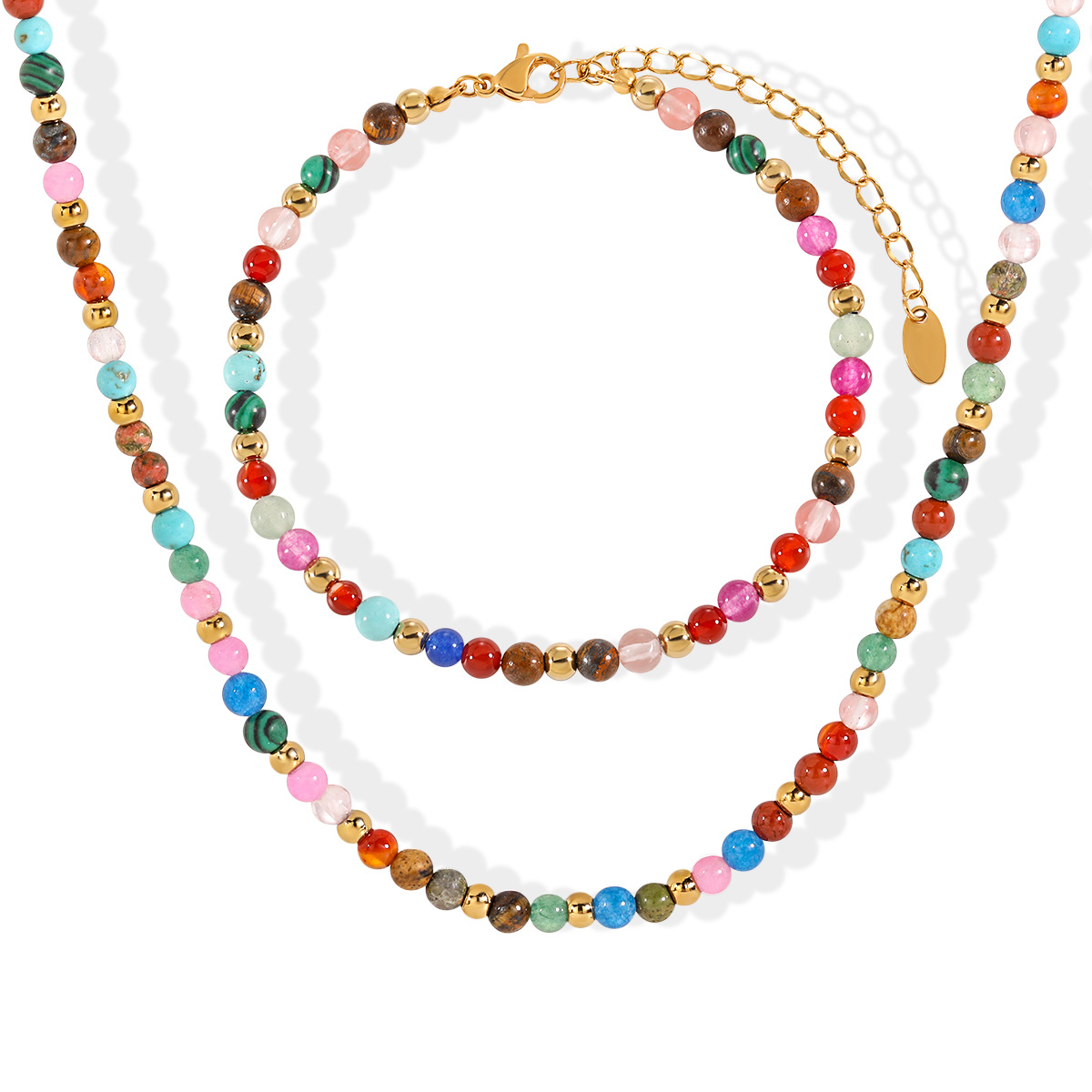
The wedding jewelry buying window: Brides start shopping for wedding jewelry 3 to 6 months before the wedding. Bridesmaid gifts are typically purchased 1 to 2 months before. The peak wedding season is May through October, with June and September being the busiest months. Retailers should have wedding jewelry collections fully stocked by March and run marketing campaigns from April through August. The holiday season (November-December) is also important for engagement ring and bridal set shopping, as many couples get engaged during the holidays.
Bridal Styling Questions
What jewelry styles are most popular for brides in 2026?
Bridal jewelry trends in 2026 balance classic elegance with modern personality: (1) Pearl everything: Pearls are having a major moment in bridal jewelry, from pearl drop earrings to layered pearl necklaces to pearl hair accessories. Both freshwater and shell pearls are popular. (2) Vintage and Art Deco styles: Geometric patterns, filigree, and Edwardian-inspired designs are trending, driven by period dramas and nostalgic fashion. (3) Minimalist and delicate: Thin chains, tiny studs, and simple bands for brides who want understated elegance. This is especially popular for second weddings and courthouse weddings. (4) Statement earrings: Large chandelier or drop earrings paired with a simple necklace or no necklace. This balances a detailed wedding dress with bold accessories. (5) Layered necklaces: Delicate layered chains with small pendants, popular for boho and garden weddings. (6) Gold tones: Yellow gold has overtaken white gold and silver as the most popular bridal metal tone in 2026, driven by vintage and warm-toned wedding aesthetics. (7) Colored stones: Sapphire, emerald, and morganite accents in bridal jewelry, adding personal color without overwhelming the look. (8) Convertible jewelry: Necklaces that can be worn multiple ways, earrings that convert from studs to drops. Practical for brides who want versatility. For inventory, stock a mix of classic pearl and crystal styles (40%), minimalist gold styles (30%), statement earrings (20%), and vintage/boho styles (10%). This covers the majority of bridal preferences.
How do I match jewelry to different wedding dress necklines?
Matching jewelry to neckline is one of the most common questions brides ask. Here is the guide: (1) Strapless dress: The most versatile neckline. Almost any necklace works. A choker or princess-length necklace with a pendant frames the face beautifully. Statement earrings are also excellent. (2) V-neck dress: A pendant necklace that follows the V shape works best. Choose a Y-necklace or lariat that sits in the V. Avoid chokers, which break the vertical line. (3) Sweetheart neckline: A delicate pendant or short necklace sits beautifully above the sweetheart curve. Avoid necklaces that sit directly on the dress edge. (4) Halter or high neck: Skip the necklace entirely and focus on statement earrings and a bracelet. A high neckline already frames the face. (5) One-shoulder dress: Asymmetrical jewelry works best. Wear earrings only, or a bracelet on the opposite arm from the strap. Avoid necklaces. (6) Boat neck or off-shoulder: A longer necklace (matinee length, 20-24 inches) draws the eye down and balances the wide neckline. Drop earrings complement the look. (7) Illusion neckline (sheer with lace): Minimal jewelry works best. Small studs and a thin bracelet let the dress detail shine. (8) Square neckline: A princess-length necklace (16-18 inches) with a rectangular or geometric pendant echoes the square shape. For retailers, include a neckline guide on your bridal collection page. This is extremely helpful for brides and reduces returns from mismatched jewelry.
What are the best jewelry gifts for bridesmaids?
Bridesmaid jewelry is one of the largest segments of wedding jewelry sales. The most popular gifts are: (1) Personalized initial necklaces: Each bridesmaid gets a necklace with her initial or the bride's initial. This is the number one bridesmaid gift, accounting for 30% of bridesmaid jewelry sales. (2) Matching earrings: Simple stud or drop earrings that all bridesmaids wear on the wedding day. Gold or rose gold studs are most popular. (3) Bracelets: Delicate chain bracelets, sometimes with a small charm or initial. Stackable bracelets are trendy. (4) Jewelry sets: Necklace + earring sets that match the bridesmaid dresses. Popular for formal weddings. (5) Robe + jewelry combos: A getting-ready robe paired with jewelry for the morning of the wedding. (6) Price points: Most brides spend $15 to $50 per bridesmaid on jewelry. The sweet spot is $20 to $35. (7) Presentation matters: Bridesmaids gifts should come in nice packaging, ideally with a handwritten note card. Offer gift packaging as an upsell. (8) Timing: Bridesmaids gifts are typically given at the rehearsal dinner or the morning of the wedding. (9) For retailers, selling bridesmaid jewelry in sets of 4, 6, or 8 with a bulk discount increases average order value significantly. A bride buying 6 necklaces at $25 each is a $150 order, compared to $25 for a single piece. (10) Personalization (initials, names, dates) increases the perceived value and allows a 20 to 30% price premium.
Should brides wear real or fashion jewelry on their wedding day?
This is a personal choice, but the trend is clearly toward high-quality fashion jewelry for the wedding day: (1) Cost: A bridal jewelry set in real gold and diamonds can cost $1,000 to $5,000. A comparable stainless steel set with CZ stones costs $30 to $100. Most brides prefer to allocate budget to the dress, venue, and photography rather than accessories. (2) Durability: Stainless steel jewelry does not tarnish, is waterproof, and survives a full day of hugging, dancing, crying, and photos without damage. Real jewelry can be delicate and is at risk of loss or damage during the chaos of a wedding day. (3) Appearance: High-quality PVD gold-plated stainless steel with cubic zirconia stones looks nearly identical to real gold and diamond jewelry in person and in photos. Most guests and photographers cannot tell the difference. (4) Sentimental value: Some brides choose to wear family heirloom jewelry (mother's pearls, grandmother's bracelet) for sentimental reasons. This is a separate category from purchased wedding jewelry. (5) The "something borrowed" tradition: Many brides borrow real jewelry from family, then purchase fashion jewelry for the bridesmaids and other accessories. (6) For retailers, position stainless steel bridal jewelry as "look for less" luxury. Emphasize that it looks like real gold in photos, will not tarnish during an emotional day, and allows brides to save money for their honeymoon. (7) Some brides do invest in real jewelry for the engagement ring and wedding bands (which are worn daily after the wedding) but choose fashion jewelry for the ceremony and reception accessories (necklace, earrings, bracelet) that may only be worn once. This is a smart segmentation that retailers can cater to.
| Category | Popular Styles | Retail Price | Wholesale Cost | Peak Season |
|---|
| Bridal necklace | Pearl drop, CZ pendant, Y-necklace | $25-$80 | $5-$15 | May-Oct |
| Bridal earrings | Chandelier, pearl drop, CZ stud | $15-$60 | $3-$12 | May-Oct |
| Bridal bracelet | Tennis bracelet, pearl, delicate chain | $15-$50 | $3-$10 | May-Oct |
| Bridesmaid necklace | Initial pendant, simple bar, pearl | $15-$35 | $3-$8 | Apr-Sep |
| Bridesmaid earrings | Gold stud, small drop, pearl | $10-$25 | $2-$6 | Apr-Sep |
| Wedding band set | Matching couple bands, CZ, PVD gold | $30-$80 | $6-$18 | Year-round |
| Mother of bride | Elegant brooch, pearl set, bracelet | $20-$60 | $4-$12 | May-Oct |
| Gift packaging | Velvet box, gift bag, note card | $3-$10 | $0.50-$3 | Year-round |
Wedding Bands and Rings Questions
Are stainless steel wedding bands a good option for couples?
Stainless steel wedding bands are an excellent and increasingly popular option for many couples: (1) Durability: 316L stainless steel is extremely scratch-resistant and does not bend or dent easily. It survives daily wear, manual labor, gym sessions, and outdoor activities far better than gold or silver bands. (2) Affordability: A stainless steel wedding band costs $15 to $50 retail, compared to $300 to $2,000 for a gold band. This is a major advantage for couples on a budget or couples who prefer to spend money on experiences rather than rings. (3) Hypoallergenic: 316L stainless steel is safe for most sensitive skin, unlike some gold alloys that contain nickel. (4) Low maintenance: Stainless steel does not tarnish, does not need polishing, and can be worn in the shower, pool, and ocean. (5) Style variety: Stainless steel bands come in polished, matte, brushed, black IP plating, gold PVD plating, and with CZ stone inlays. They can look identical to white gold, platinum, or black zirconium bands. (6) Engravable: Stainless steel can be laser engraved with names, dates, or coordinates inside the band, adding personal meaning. (7) The main drawback: Stainless steel cannot be resized easily (it is too hard). Couples need to know their exact ring size before purchasing. Offer a ring sizer with every band purchase. (8) Some couples still prefer precious metal bands for tradition or investment value. But for couples who want a durable, affordable, stylish band, stainless steel is a smart choice. (9) For retailers, stainless steel wedding bands have 70 to 85% profit margins and low return rates (because they are durable). Couple band sets (his and hers) are especially popular and have higher average order values.
What ring widths and finishes are most popular for wedding bands?
Wedding band preferences vary by gender and style, but here are the current trends: (1) Width: Women's bands are typically 2mm to 4mm wide. Men's bands are typically 5mm to 8mm wide. Unisex bands are 4mm to 6mm. (2) Finish: Polished (shiny) is the most popular for women (45%). Brushed/matte is most popular for men (40%). Hammered texture is trending for both (15%). (3) Color: Silver/natural stainless is most popular overall (40%). Black IP plating is very popular for men (30%). Gold PVD plating is growing for women and couples who want a warm tone (25%). Rose gold PVD is a niche but growing option (5%). (4) Stones: CZ eternity bands (small stones all around) are popular for women as stacking bands or standalone wedding bands. Solitaire CZ rings serve as affordable engagement rings. Men's bands are usually plain or have a single small stone. (5) Comfort fit: Bands with a slightly rounded inside edge (comfort fit) are more comfortable for daily wear and are worth the small premium. (6) Dome vs flat: Domed (rounded top) bands are classic and comfortable. Flat bands are modern and minimalist, trending in 2026. (7) For inventory, stock: 4mm polished silver (women's classic), 6mm brushed silver (men's classic), 6mm black IP (men's trendy), 4mm gold PVD (women's warm tone), and 3mm CZ eternity (women's stacking). These five styles cover 80% of demand. (8) Offer half sizes and quarter sizes if possible, as wedding band fit is critical. At minimum, offer whole and half sizes from 4 to 13.
How do I handle ring sizing for wedding bands?
Ring sizing is the number one source of returns for wedding bands. Here is how to minimize sizing issues: (1) Include a free ring sizer with every band order. A plastic ring sizer costs $0.20 to $0.50 wholesale and reduces returns by 60 to 70%. (2) Provide a printable ring size chart on your website with instructions for measuring at home. (3) Recommend that customers get sized at a local jeweler if possible, especially for wide bands (6mm+), which fit tighter than thin bands. (4) For wide bands (6mm+), recommend sizing up by half a size from the customer's normal ring size, because wider bands fit more snugly. (5) Offer free resizing or exchanges for wedding bands within 30 days. This removes the risk for customers and increases conversion. Even if you cannot resize stainless steel, you can exchange for a different size. (6) Ask customers to measure their finger at the end of the day, when fingers are slightly larger. Fingers shrink in cold weather and swell in heat, so the time of day affects measurement. (7) For couples buying matching bands, note that men's and women's ring sizes are measured on the same scale (US sizes 4-13). (8) If a customer is between sizes, recommend the larger size for comfort, especially for wide bands. (9) Include a sizing guide in the product description, not just on a separate page. Customers often do not click through to separate pages. (10) For wholesale buyers, include ring sizers as a free add-on with band orders. This helps their customers and reduces their return rates, making them more likely to reorder.
Wholesale and Retail Questions
How do I build a profitable bridal jewelry collection?
A profitable bridal collection requires careful curation and pricing: (1) Start with 15 to 25 SKUs, not 100. Focus on best-selling styles: 5 bridal necklaces, 5 bridal earrings, 3 bracelets, 5 bridesmaid styles, 3 wedding band sets. You can expand based on sales data. (2) Price for 65 to 80% gross margins. Bridal jewelry supports higher margins because customers are less price-sensitive during wedding planning. A $5 wholesale necklace retails for $20 to $30. (3) Create curated sets: "The Classic Bride" set (necklace + earrings), "The Boho Bride" set, "The Minimalist Bride" set. Sets have 30 to 50% higher average order value than individual pieces. (4) Offer bridesmaid bulk pricing: "Buy 4+ bridesmaid necklaces, get 15% off." This encourages larger orders. (5) Include gift packaging as a $3 to $8 upsell. Brides love beautiful presentation for bridesmaid gifts. (6) Add personalization (initials, dates) as a $5 to $15 upsell. Personalized bridal jewelry has higher perceived value and lower return rates. (7) Seasonal timing: Launch bridal collections in February/March for the May-October peak. Run targeted ads from April to August. (8) Content marketing: Publish blog posts and social media content about "how to choose wedding jewelry by neckline," "bridesmaid gift ideas under $30," "affordable wedding bands that look expensive." This drives organic traffic from brides actively searching. (9) Partner with wedding planners, photographers, and dress boutiques for cross-promotion. Offer them a commission or free products for referrals. (10) Track which styles sell and reorder the top 20%. The 80/20 rule applies: 20% of your bridal styles will generate 80% of revenue. Focus inventory on winners and drop slow sellers.
What should I look for in a bridal jewelry supplier?
Choosing the right supplier is critical for bridal jewelry because quality expectations are high and timing is inflexible: (1) Consistent quality: Bridal jewelry will be photographed extensively and worn during an emotional, high-stakes event. Every piece must be flawless. Ask for samples and inspect stone setting, plating quality, and construction. (2) Reliable lead times: Weddings have hard deadlines. A supplier who ships late can ruin a bride's day. Look for suppliers with 3 to 7 day production for in-stock items and guaranteed shipping dates. (3) Low MOQ: Bridal styles can be niche, so you need a supplier with low minimums ($100 to $200) so you can test styles without overcommitting. (4) Plating quality: PVD gold plating is essential for bridal jewelry because it lasts 2 to 5 years, compared to 3 to 6 months for cheap electroplating. A bride's jewelry must last through the wedding day and photos without fading. (5) Stone quality: Cubic zirconia stones should be clear, well-cut, and securely set. Avoid suppliers with cloudy or loosely set stones. (6) Nickel-free/hypoallergenic: Brides and bridesmaids may have sensitive skin. 316L stainless steel is ideal. (7) Customization capability: The ability to add initials, dates, or custom packaging is a major advantage for bridal jewelry. (8) Drop shipping option: If you do not want to hold inventory, look for suppliers who offer blind drop shipping for bridal orders. (9) Reputation: Check reviews, ask for references, and start with small test orders before committing to large inventory. (10) For Showfay specifically, their factory-direct model, 316L stainless steel, PVD plating, low MOQ of $150, and 31,000+ style catalog make them a strong bridal jewelry supplier. Their established history (since 1998) indicates reliability and consistency.
How do I market bridal jewelry effectively?
Bridal jewelry marketing requires a different approach than everyday jewelry because the customer journey is specific and time-bound: (1) Pinterest is the number one platform for bridal jewelry. Brides use Pinterest to plan every aspect of their wedding. Create pins with titles like "Wedding Jewelry for Lace Dress," "Bridesmaid Gifts Under $30," "Gold Bridal Earrings." Use beautiful flat-lay and model photography. (2) Instagram and TikTok: Video content showing jewelry being worn, unboxing bridesmaid gifts, and "get ready with me" wedding day content performs extremely well. Hashtags like #weddingjewelry, #bridesmaidgifts, #bridalaccessories reach active brides. (3) SEO: Target long-tail keywords that brides search for: "what necklace to wear with strapless wedding dress," "affordable wedding bands that look real," "bridesmaid jewelry sets gold." These have high buying intent and lower competition. (4) Email marketing: Build an email list of brides through a free guide ("The Complete Guide to Wedding Jewelry"). Send timed emails: 6 months out (inspiration), 3 months out (shopping), 1 month out (final accessories and bridesmaid gifts). (5) Collaborate with wedding influencers: Micro-influencers (10K-50K followers) in the wedding niche have highly engaged audiences. Send them free bridal pieces in exchange for styled posts. (6) Wedding show participation: Local bridal shows allow you to showcase jewelry in person and connect with brides directly. Bring a curated selection and offer show-only discounts. (7) Retargeting: Brides research for months before buying. Use retargeting ads to stay top of mind. Show specific products they viewed. (8) User-generated content: Encourage customers to share wedding photos with your jewelry. Repost with permission. Real wedding photos are the most convincing marketing for bridal jewelry. (9) The key message: "Look like a million dollars without spending it." Brides want to feel luxurious on their wedding day, and affordable stainless steel jewelry lets them achieve that look while staying on budget.
- Peak season: May-October weddings. Stock by March, market April-August. Holiday engagement season Nov-Dec.
- Top bridal styles: Pearls (40%), minimalist gold (30%), statement earrings (20%), vintage/boho (10%).
- Neckline matching: Strapless = anything, V-neck = pendant/Y, halter = earrings only, sweetheart = short pendant.
- Bridesmaid gifts: Initial necklaces (#1), matching earrings, bracelets. $15-$35 price point. Sell in sets of 4-8.
- Stainless steel bands: $15-$50 retail, durable, hypoallergenic, engravable. Cannot resize - include ring sizer.
- Band widths: Women 2-4mm, Men 5-8mm. Polished for women, brushed for men. Black IP trending for men.
- Margins: 65-80% on bridal jewelry. Sets and bulk bridesmaid orders increase AOV 30-50%.
- Marketing: Pinterest #1, Instagram/TikTok video, SEO long-tail, wedding shows, UGC from real weddings.
Final Bridal Jewelry Advice
Wedding jewelry is a rewarding and profitable category because you are helping people celebrate one of the most important days of their lives. The emotional stakes are high, but so is the customer's willingness to pay for quality, beauty, and reliability.
Stainless steel is an ideal material for bridal jewelry because it delivers the look of luxury without the luxury price tag, and it survives the demands of a wedding day without tarnishing or breaking. Brides can dance, cry, hug, and swim in their jewelry without worry.
Focus on the basics: stock the best-selling styles, offer helpful sizing and styling guides, provide beautiful packaging, and market where brides already are (Pinterest, Instagram, wedding blogs). Build trust through quality and reliability, and brides will recommend you to their friends. A single happy bride can lead to 5 to 10 more sales from her wedding party and guests.
Related Reading
- Stainless Steel Jewelry for Weddings & Bridal: Wholesale Buying Guide — Wholesale Buying Guide for the Big Day
- Wedding Jewelry Wholesale: Bridal Sets & Accessories That Sell — Bridal Sets & Accessories That Sell
- Minimalist and Dainty Jewelry FAQ: Everyday Wear, Layering, and Quality — Everyday Wear, Layering, Quality, Sizing, and Wholesale Buying
- Men's Stainless Steel Jewelry FAQ: Styles, Sizing, and Wholesale Buying — Styles, Sizing, Materials, and Wholesale Buying Guide
- Promise Ring and Friendship Jewelry FAQ: Meaning, Types, and Gifting — Meaning, Types, Finger, Styles, Matching Sets, Gifting, and Wholesale Guide
PVD Gold · CZ Stones · Bridal Sets · Low MOQ $150
Request Bridal Collection SamplesFactory-Direct Since 1998 · 31,000+ Styles · Fast Shipping