Body Piercing Jewelry FAQ
Materials, Sizes, Healing, Aftercare, and Wholesale Buying Guide
Body Piercing Jewelry Is a Massive and Growing Market
Body piercing has moved from subculture to mainstream over the past two decades. Today, an estimated 30 to 40% of adults in Western countries have at least one piercing beyond earlobes, and the global body piercing jewelry market is valued at over $20 billion and growing. Navel rings, nose studs, cartilage earrings, and eyebrow bars are mainstream fashion accessories worn by people of all ages and styles.
For jewelry retailers and wholesalers, body piercing jewelry is a high-demand, high-margin category that complements traditional fashion jewelry. Customers who buy body jewelry are often repeat buyers who collect multiple pieces for different piercings and occasions. The category also has strong seasonal peaks during summer (navel rings for beach season) and back-to-school (nose rings and cartilage earrings).
Stainless steel is the most popular material for body piercing jewelry because it is durable, affordable, and biocompatible. 316L surgical stainless steel is the standard material used by professional piercers for initial piercings. This guide answers the most common questions about body piercing jewelry, from materials and sizing to healing, aftercare, and wholesale buying strategy.
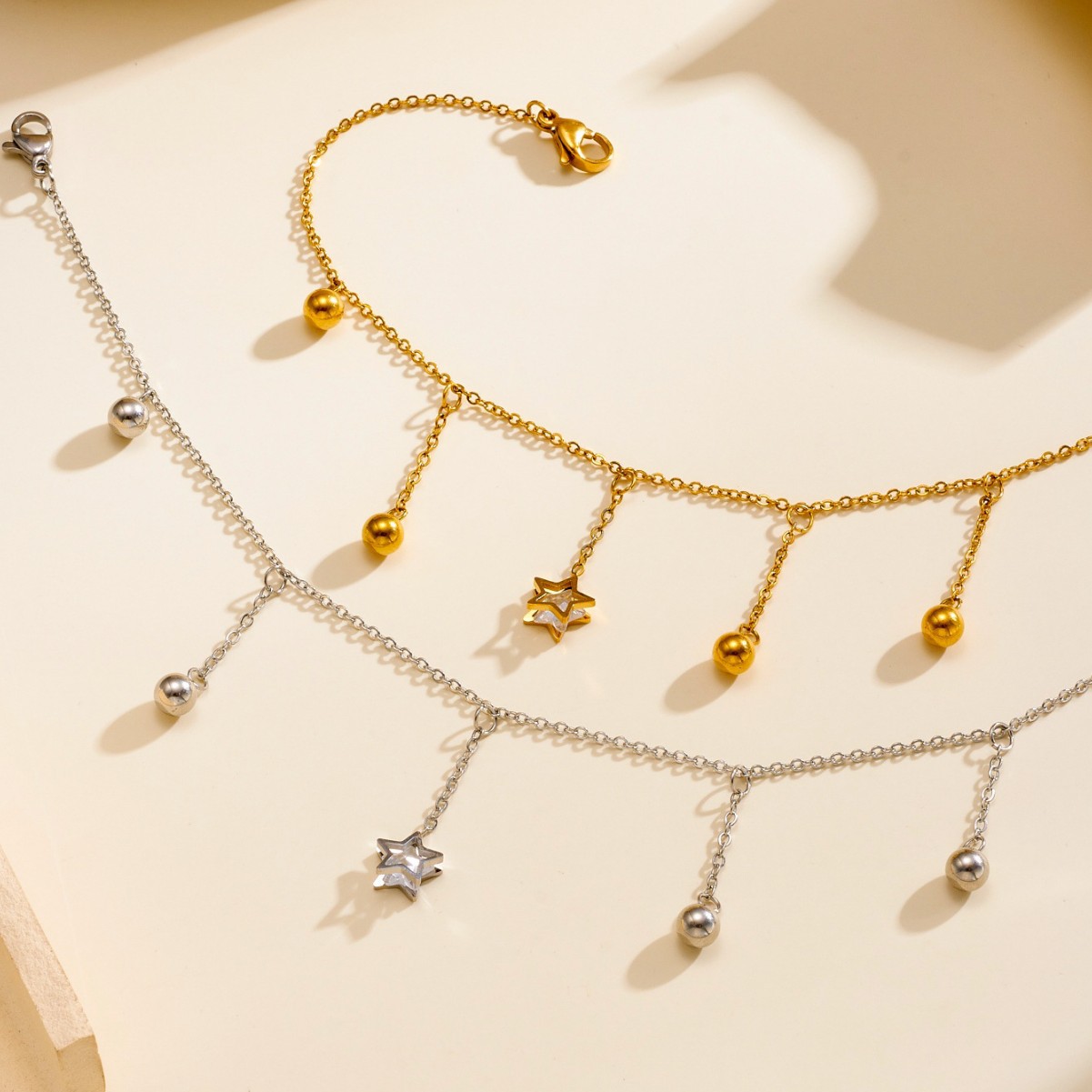
The piercing jewelry opportunity: Body piercing jewelry has one of the highest repeat purchase rates in the jewelry industry. The average person with multiple piercings buys 4 to 6 new pieces per year, and collectors may buy 10+. Unlike fashion necklaces or rings that go out of style, body jewelry is functional (it must fit the piercing) and personal (customers express identity through their jewelry). This creates a loyal customer base that returns regularly. For retailers, stocking a range of sizes and styles in stainless steel captures this recurring demand with minimal inventory risk.
Material and Safety Questions
What is the best material for body piercing jewelry?
The choice of material is critical for body piercing jewelry because it sits inside or against a healing or healed piercing. Here are the main options: (1) 316L surgical stainless steel: The most popular and widely recommended material for body piercing jewelry. It is the same grade used in surgical implants. 316L is low-carbon, highly corrosion-resistant, and has a smooth, non-porous surface that minimizes irritation. It contains nickel (10-14%) but the molybdenum and chromium create a passive oxide layer that prevents nickel from leaching in normal conditions. The EN 1811 nickel release test shows 316L typically releases well below the 0.5 microgram per square centimeter per week safety limit. (2) Titanium (Grade 23 / Ti-6Al-4V ELI): The gold standard for initial piercings and people with severe nickel allergies. Titanium is completely nickel-free, ultra-lightweight, and biocompatible. It is more expensive than stainless steel but is the safest option for sensitive skin. (3) Niobium: A hypoallergenic metal similar to titanium but softer and more affordable. Can be anodized to create different colors. Less common than stainless steel or titanium. (4) Solid gold (14K+): A premium option for healed piercings. Must be at least 14K (10K may contain too much alloy metal that can irritate). Gold is heavy and expensive, making it less common for body jewelry than for traditional jewelry. (5) Glass (Pyrex/Borosilicate): Used for plugs, tunnels, and some retainers. Completely inert and hypoallergenic. Popular for stretched piercings. (6) Acrylic / plastic: Cheap but not recommended for initial piercings or long-term wear. Can harbor bacteria, cause irritation, and break. Suitable only for short-term wear in healed piercings. (7) Silver: Not recommended for body piercings. Sterling silver tarnishes and can cause discoloration and irritation in piercings. (8) For retailers, 316L stainless steel is the best material to stock. It is affordable (wholesale $1 to $5 per piece), durable, widely accepted, and appeals to the broadest customer base. Titanium is a premium upsell for customers with allergies. Avoid selling acrylic or silver body jewelry, as they have high return and complaint rates. (9) Always verify that stainless steel body jewelry is actually 316L and not a cheaper 304 grade. 304 has less corrosion resistance and higher nickel release. Ask suppliers for material certification.
Is stainless steel safe for new or healing piercings?
This is one of the most common and most important questions: (1) Yes, 316L surgical stainless steel is safe for new and healing piercings. It is the material most commonly used by professional piercers for initial piercing jewelry. The Association of Professional Piercers (APP) lists 316LVM stainless steel as an acceptable material for initial piercings. (2) The key is the grade. 316L and 316LVM (vacuum-melted, even cleaner) are surgical grades. 304 stainless steel is not recommended for initial piercings because it has lower corrosion resistance and may leach more nickel. (3) The surface finish matters as much as the material. Jewelry for initial piercings must have a mirror-polished, scratch-free surface. Scratches and rough spots can harbor bacteria and irritate healing tissue. Cheap stainless steel jewelry with poor polishing can cause problems even if the material grade is correct. (4) Threading matters. Internally threaded jewelry (where the post has a smooth end and the ball has the threads) is safer for initial piercings because the threads do not pass through the healing tissue. Externally threaded jewelry can tear the piercing channel during insertion. (5) For customers with diagnosed nickel allergies, titanium is safer than stainless steel, even 316L. About 10 to 15% of the population has some degree of nickel sensitivity. For these customers, recommend titanium or niobium. (6) The myth that "all stainless steel causes infections" is false. Infections are caused by bacteria from poor aftercare or unsterile piercing procedures, not by the stainless steel itself. Quality 316L stainless steel is biologically inert in the body. (7) For retailers, selling 316L stainless steel body jewelry with a smooth, polished finish and internal threading is safe and responsible. Include aftercare instructions with every purchase to help customers keep their piercings healthy. (8) If a customer reports irritation from stainless steel jewelry, first check if the piece is properly sized (too tight can cause swelling, too loose can move and irritate), if the surface is smooth, and if the customer is following aftercare. If irritation persists, recommend titanium.
What do the gauge and length numbers mean for body jewelry?
Body jewelry sizing uses a gauge system that confuses many new buyers. Here is how it works: (1) Gauge (abbreviated "g") measures the thickness of the post or bar. The counterintuitive part: smaller gauge numbers mean thicker jewelry. So 14g is thicker than 16g, and 18g is thinner than 16g. (2) Common gauges for different piercings: (a) Earlobe: 20g to 16g (most standard earrings are 20g or 18g). (b) Cartilage (helix, tragus, conch): 18g to 16g. (c) Nose (nostril): 20g to 18g. (d) Eyebrow: 18g to 16g. (e) Navel (belly button): 14g (standard). (f) Tongue: 14g (standard). (g) Nipple: 14g (standard). (h) Lip/labret: 16g to 14g. (i) Septum: 16g to 14g. (3) Length or diameter measures the wearable portion of the jewelry. For barbells and curved bars, length is measured between the balls (not including the balls). For rings and hoops, diameter is the inner diameter. (4) Common lengths: (a) Navel curves: 6mm to 12mm (10mm is most common). (b) Tongue bars: 14mm to 19mm (16mm is standard initial length to accommodate swelling). (c) Nose studs: 5mm to 8mm post length. (d) Cartilage bars: 6mm to 10mm. (e) Nose rings: 6mm to 10mm diameter (8mm is most common). (5) For initial piercings, longer jewelry is used to allow for swelling. After healing (6 to 12 weeks), the customer can switch to a shorter, more comfortable fit. (6) For retailers, stocking the most common sizes covers 80% of demand: 14g for navel and tongue, 16g for cartilage and lip, 18g-20g for nose. Offer 2 to 3 length options per style. (7) Gauge conversion to millimeters: 20g = 0.8mm, 18g = 1.0mm, 16g = 1.2mm, 14g = 1.6mm, 12g = 2.0mm, 10g = 2.4mm. Include this chart on your website to help customers find the right size. (8) The most common customer mistake is buying the wrong gauge. A 16g nose ring will not fit a piercing done with an 18g needle (it will be too thick and painful). Clear size guides and customer service questions ("What gauge is your piercing?") reduce returns significantly.
What are the different types of body piercing jewelry?
Body jewelry comes in many styles, each suited to different piercings and preferences: (1) Barbells: Straight bars with balls on both ends. Used for tongue, nipple, cartilage (industrial), and some eyebrow piercings. Available in externally and internally threaded versions. (2) Curved barbells (banana bars): Curved bars with balls. The standard for navel piercings. Also used for eyebrow, rook, and daith piercings. (3) Circular barbells (horseshoes): C-shaped bars with balls. Used for septum, nipple, cartilage, and lip piercings. Versatile because the balls can be removed and the piece can be flipped. (4) Captive bead rings (CBR): A ring with a bead that holds it closed (the bead is held in place by tension). Used for ear cartilage, septum, nipple, and lip piercings. Can be difficult to change without tools. (5) Segment rings: A ring with a removable segment (instead of a bead). Creates a seamless look. Used for cartilage, septum, and nipple. (6) Nose studs and screws: Straight or L-shaped posts with a decorative end. Nose screws have a curved end that holds the jewelry in place without a backing. The most popular nose jewelry style. (7) Nose bones: Short straight posts with a small ball on the end that holds it in place. Simpler than screws but can fall out more easily. (8) Labret studs: Flat-backed posts with a decorative top. Originally for lip piercings, now also popular for cartilage (tragus, conch) and Monroe piercings. The flat back is comfortable and does not rub. (9) Plugs and tunnels: For stretched earlobes. Plugs are solid; tunnels are hollow. Sizes range from 14g up to 1 inch or larger. A growing subcategory. (10) Dangles and charms: Decorative pieces that hang from navel curves, cartilage rings, or ear wires. Popular for special occasions and seasonal looks. (11) For retailers, the best-selling styles are: navel curves (summer peak), nose studs and screws (year-round), cartilage labret studs and rings (year-round), and circular barbells for septum (growing trend). Stock these four categories with multiple colors and charm designs. (12) The body jewelry category allows for creative merchandising: "build your own" sets, multi-packs, and seasonal collections (beach-themed navel rings in summer, holiday-themed nose studs in winter).
| Piercing Type | Standard Gauge | Standard Length/Diameter | Popular Styles | Peak Season |
|---|
| Navel | 14g | 10mm curve | Curved barbell, dangle | Spring-Summer |
| Nose (nostril) | 18g-20g | 6-8mm / 8mm ring | Stud, screw, bone, ring | Year-round |
| Cartilage | 16g | 6-8mm | Labret stud, CBR, barbell | Year-round |
| Septum | 16g | 8-10mm diameter | Circular barbell, segment ring | Year-round |
| Eyebrow | 16g | 8-10mm curve | Curved barbell | Year-round |
| Tongue | 14g | 14-16mm bar | Straight barbell | Year-round |
| Lip/Labret | 14g-16g | 8-10mm | Labret stud, circular barbell | Year-round |
| Nipple | 14g | 12-16mm bar | Straight barbell, CBR | Year-round |
| Earlobe (stretched) | 12g+ | Varies | Plugs, tunnels | Year-round |
Healing and Aftercare Questions
How long does a piercing take to heal and when can I change the jewelry?
Healing times vary widely by piercing location, and customers often change jewelry too early: (1) Earlobe: 6 to 8 weeks. Can change jewelry after 6 weeks if healing is going well. (2) Cartilage (helix, tragus, conch, rook): 3 to 12 months. Cartilage has poor blood supply and heals slowly. Do not change jewelry for at least 3 months, and 6 months is safer. (3) Navel: 6 to 12 months. Navel piercings are notorious for slow healing and irritation from clothing. Wait at least 6 months before changing jewelry. (4) Nose (nostril): 2 to 6 months. Can change after 2 to 3 months if fully healed. (5) Septum: 2 to 3 months. Heals relatively quickly because of good blood supply. Can change after 6 to 8 weeks. (6) Eyebrow: 6 to 8 weeks. Can change after 6 weeks. (7) Tongue: 4 to 6 weeks. Heals quickly due to saliva's antibacterial properties. Can change after 4 weeks (switch to shorter bar once swelling goes down). (8) Lip/Labret: 6 to 10 weeks. Can change after 6 weeks. (9) Nipple: 3 to 6 months. Wait at least 3 months before changing. (10) The general rule: wait until the piercing is fully healed (no redness, no swelling, no discharge, no tenderness) before changing jewelry. Changing too early is the #1 cause of piercing irritation, infection, and closure. (11) For retailers, this creates a sales opportunity: customers who get pierced in spring will be ready to buy fashion jewelry for their piercing by summer. Stock up on decorative body jewelry 2 to 3 months after peak piercing season (January-February for spring break piercings). (12) Include a healing time guide with every body jewelry purchase. This educates customers and reduces returns from people who try to wear fashion jewelry in unhealed piercings. (13) If a customer asks "can I change it now?" and the piercing is less than the minimum healing time, advise them to wait. This builds trust and prevents complications. A customer who follows your advice and has a healthy piercing will come back for more jewelry.
What is the proper aftercare for a new piercing?
Proper aftercare prevents infections and complications. Here is the standard routine recommended by professional piercers: (1) Clean twice daily with a sterile saline solution (0.9% sodium chloride). You can buy pre-made saline wound wash (like NeilMed) or make your own by mixing 1/4 teaspoon of non-iodized sea salt with 8 ounces of warm distilled water. (2) For oral piercings (tongue, lip): Rinse with alcohol-free mouthwash after every meal and before bed. Avoid alcohol-based mouthwashes, which can irritate. (3) Wash hands thoroughly before touching the piercing or jewelry. This is the most important rule. Most piercing infections come from dirty hands. (4) Do not twist, turn, or remove the jewelry during healing. Movement can tear healing tissue and introduce bacteria. (5) Avoid submerging the piercing in pools, hot tubs, lakes, and baths for the first 2 to 4 weeks. Showers are fine. (6) Avoid sleeping on the piercing. Pressure and friction can cause irritation and migration. (7) Avoid tight clothing that rubs against the piercing (especially for navel and nipple piercings). (8) Do not use alcohol, hydrogen peroxide, or antibacterial ointments (like Neosporin) on piercings. These damage healthy tissue and slow healing. (9) Watch for signs of infection: increasing redness, swelling, pain, yellow/green discharge, fever. If these occur, see a doctor or professional piercer. (10) Some discharge (clear or whitish fluid) and crusting around the piercing is normal during healing. This is lymph fluid, not infection. Gently clean it away with saline. (11) For retailers, including a small aftercare card or selling saline wash as an add-on increases customer success and reduces complaints. A $5 saline wash add-on has high margin and solves a real customer need. (12) The most common aftercare mistake is over-cleaning. Cleaning more than twice a day can irritate the piercing. Twice a day is enough. Let the body do its work. (13) If a customer has a problem with a piercing, recommend seeing a professional piercer or doctor rather than trying to self-treat. This is the responsible advice and builds trust.
Can I wear body piercing jewelry if I have sensitive skin or allergies?
Sensitive skin is common among body jewelry customers, and the right material choices make all the difference: (1) 316L stainless steel is suitable for about 85 to 90% of people, including those with mild sensitivities. The passive oxide layer prevents nickel release in most conditions. If you have worn stainless steel earrings or watches without reaction, 316L body jewelry should be fine. (2) If you have a known nickel allergy (reacted to cheap fashion earrings, belt buckles, or watch backs), choose titanium (Grade 23) or niobium. These are completely nickel-free and the safest options for sensitive skin. (3) Solid gold (14K or higher) is also hypoallergenic, but expensive and heavy for body jewelry. It is a good option for healed piercings if you prefer gold. (4) Avoid: (a) Cheap alloy jewelry (often labeled "surgical steel" but actually 304 or lower grade). (b) Silver jewelry (tarnishes and irritates piercings). (c) Acrylic or plastic (can harbor bacteria and cause reactions). (d) Gold-plated brass (the plating wears off in a piercing, exposing brass which causes irritation and green skin). (5) If you are unsure whether you have a nickel allergy, a dermatologist can perform a patch test. This is a simple 48-hour test that identifies contact allergens. (6) For healed piercings, you have more material options because the skin barrier is intact. For new or healing piercings, stick to 316L stainless steel or titanium. (7) PVD-coated stainless steel (black, gold, rose gold colors) is generally safe for healed piercings. The PVD coating is inert and does not leach. For healing piercings, natural (uncoated) stainless steel is the safest choice. (8) For retailers, offering a "sensitive skin" collection in titanium or high-quality 316L stainless steel captures customers who cannot wear cheap body jewelry. These customers are often willing to pay more for quality and are loyal repeat buyers. (9) The key message: body jewelry is not the place to skimp on material quality. A $2 navel ring that causes an infection costs the customer more in doctor bills and lost jewelry. Quality 316L stainless steel body jewelry at $3 to $8 wholesale is the responsible and profitable choice.
Buying and Selling Questions
What body jewelry styles sell best for wholesale and retail?
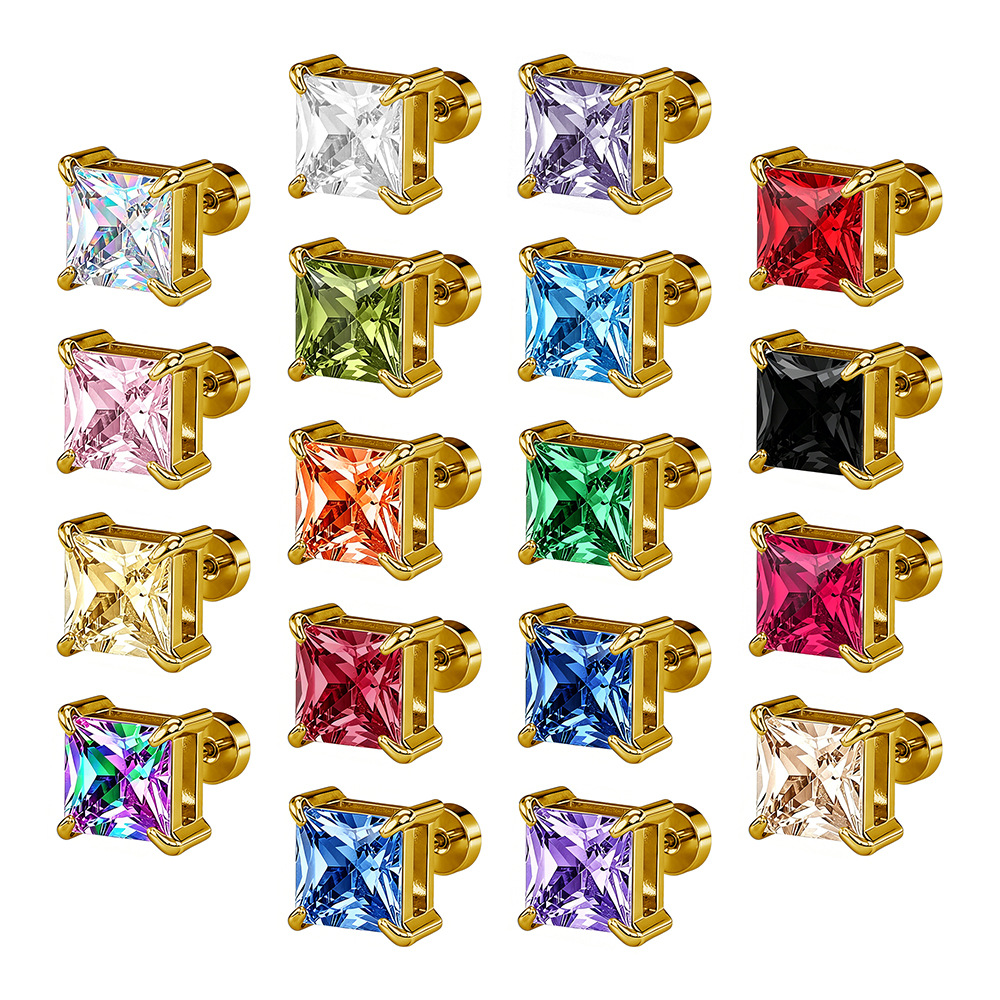
Based on sales data and industry trends, these are the best-selling body jewelry categories: (1) Nose studs and screws: The #1 selling body jewelry category year-round. Nose piercings are mainstream and customers buy multiple styles. Best sellers: small CZ studs, flower designs, opal stones, and simple balls. Price point: $5 to $15 retail. (2) Navel curves (belly rings): Strong seasonal sales from March to August. Best sellers: CZ solitaire curves, dangle charms, double gem designs, and themed styles (beach, tropical). Price point: $8 to $20 retail. (3) Cartilage earrings (labret studs and rings): Growing rapidly as cartilage piercings (helix, tragus, conch) become more popular. Best sellers: small CZ labret studs, hoop rings, star and moon designs. Price point: $6 to $15 retail. (4) Septum rings: Steady growth as septum piercings gain mainstream acceptance. Best sellers: simple circular barbells, hinged segment rings, and decorative ends. Price point: $8 to $18 retail. (5) Tongue bars: Steady seller, especially among younger customers. Best sellers: acrylic balls (for comfort), CZ tops, and logo/character designs. Price point: $5 to $12 retail. (6) Eyebrow curves: Smaller but steady category. Best sellers: simple curved barbells with CZ ends. Price point: $6 to $14 retail. (7) Plugs and tunnels: Niche but dedicated customer base. Best sellers: double-flare steel plugs, acrylic tunnels, and natural materials (wood, stone). Price point: $5 to $25 retail depending on size. (8) Multi-packs and sets: Selling 3 to 5 pieces in a set (e.g., "5 pack nose studs" or "3 navel curves") increases average order value and gives customers variety. Sets have higher margins than individual pieces. (9) Color trends: Gold PVD and rose gold PVD are growing fast in body jewelry, following the fashion jewelry trend. Black IP plating is a steady seller for alternative styles. Natural steel (silver) remains the baseline. (10) For retailers, start with the top 3 categories (nose, navel, cartilage) with 10 to 15 styles each in the most common gauges. This covers the majority of demand. Add septum and tongue as secondary categories. (11) Seasonal buying: Order navel rings in February-March for summer sales. Order nose and cartilage jewelry year-round with small monthly restocks. (12) The body jewelry customer is often a collector. Displaying a wide variety of styles and colors encourages impulse purchases. A "buy 2, get 1 free" promotion works well for this category.
How do I price body piercing jewelry for retail?
Body jewelry has strong margins but requires careful pricing due to the wide variety of styles and sizes: (1) Standard markup: 3x to 5x wholesale cost for body jewelry. A piece that costs you $2 wholesale retails for $6 to $10. A piece that costs $5 wholesale retails for $15 to $25. (2) Nose studs (wholesale $0.50 to $2): Retail $4 to $10. The low cost allows for high markup, but customers expect nose studs to be affordable. (3) Navel curves (wholesale $1.50 to $5): Retail $8 to $20. Dangle and CZ styles command higher prices. (4) Cartilage labret studs (wholesale $1 to $3): Retail $6 to $12. (5) Tongue bars (wholesale $1 to $3): Retail $6 to $12. (6) Plugs/tunnels (wholesale $1 to $8 depending on size): Retail $5 to $25. Larger sizes cost more and retail for more. (7) Titanium pieces (wholesale $3 to $10): Retail $12 to $30. The premium material justifies a higher price, and customers with allergies will pay it. (8) Multi-packs: Price a 3-pack at 2.5x the cost of one piece. This gives customers a perceived discount while maintaining margin. A 3-pack of nose studs costing $3 total retails for $10 to $12. (9) Factors that allow higher pricing: (a) CZ or gemstone accents (adds perceived value). (b) Gold or rose gold PVD finish (trend premium). (c) Dangle or charm designs (more complex = higher price). (d) Titanium material (allergy premium). (e) Branded or licensed designs. (10) Do not underprice body jewelry. Customers expect to pay $8 to $15 for a quality navel ring. Pricing at $3 signals cheap quality and attracts customers who complain about everything. (11) Consider a "good, better, best" pricing structure: basic steel pieces at $6 to $8, CZ/gold PVD at $10 to $15, titanium/premium at $18 to $25. This gives customers options and increases average order value. (12) The key metric is margin per piece, not volume. Selling 10 navel rings at $12 (60% margin) is better than selling 30 at $5 (30% margin). Focus on quality and presentation, not being the cheapest. (13) Include free shipping on body jewelry orders over $20 or $25. This encourages customers to buy multiple pieces and increases average order value.
What should I look for in a body piercing jewelry supplier?
Choosing the right supplier is critical for body jewelry because quality directly affects customer safety and satisfaction: (1) Material certification: The supplier should be able to confirm that stainless steel pieces are 316L (not 304 or lower). Ask for material test reports or certificates. For titanium, confirm Grade 23 (Ti-6Al-4V ELI). (2) Surface finish: Quality body jewelry must have a mirror-polished, scratch-free surface. Inspect samples under magnification. Rough or scratched surfaces can cause irritation and infection in piercings. (3) Threading quality: Internally threaded jewelry should have smooth, precise threads that screw together without wobbling or cross-threading. Externally threaded pieces should have smooth threads that do not catch. (4) Stone setting: CZ stones should be securely set (prong or bezel) and not loose. Stones that fall out are a top complaint. Check that settings are smooth and do not have sharp edges. (5) Size accuracy: Gauge and length should be accurate. A 14g piece that is actually 16g will not fit customers' piercings. Verify sizes with a caliper when sampling. (6) Color consistency: PVD gold, black, and rose gold finishes should be consistent across pieces and batches. Mismatched colors in a multi-pack look unprofessional. (7) Packaging: Individual packaging (small poly bags or blister packs) prevents scratching and makes retail display easier. Suppliers that provide labeled packaging (with size and material) save you time. (8) MOQ and style range: Look for suppliers with low MOQ ($100 to $200) and a wide range of styles. Body jewelry customers want variety, so you need many SKUs. Showfay's $150 MOQ with 31,000+ styles is ideal. (9) Customization: Can the supplier do custom charms, colors, or packaging? As your business grows, custom pieces differentiate you from competitors. (10) Compliance: For EU sales, ensure nickel release is below 0.5 micrograms per square centimeter per week (EN 1811 standard). For US sales, California Prop 65 compliance for lead and cadmium. Ask for test reports. (11) The best way to evaluate a supplier is to order samples from 2 to 3 suppliers and compare side by side. Wear the samples for 2 to 4 weeks. Check for fading, loosening stones, and thread wear. The supplier whose samples hold up best is your supplier. (12) For Showfay specifically, their 316L stainless steel body jewelry with PVD finishes offers the quality, variety, and price point that retailers need. Always request samples before placing a bulk order.
- Best material: 316L surgical stainless steel for 85-90% of customers. Titanium for nickel allergies. Avoid acrylic, silver, and plated brass.
- Gauge basics: Smaller number = thicker. 14g (navel/tongue), 16g (cartilage/septum/eyebrow), 18-20g (nose). Include size charts.
- Top sellers: Nose studs (#1 year-round), navel curves (spring-summer peak), cartilage labret studs, septum rings.
- Healing times: Earlobe 6-8wk, nose 2-6mo, cartilage 3-12mo, navel 6-12mo, tongue 4-6wk. Do not change jewelry early.
- Aftercare: Saline wash twice daily, clean hands, no twisting, no pools/hot tubs, no alcohol/peroxide. Include aftercare cards.
- Pricing: 3-5x markup. Nose studs $4-$10, navel $8-$20, cartilage $6-$12, titanium $12-$30. Good-better-best structure.
- Supplier checklist: 316L certification, mirror polish, internal threading, secure stone settings, accurate sizes, compliance docs.
- Repeat buyers: Average customer buys 4-6 pieces/year. Stock variety, offer multi-packs, build loyalty through size guides and education.
Final Body Piercing Jewelry Advice
Body piercing jewelry is a rewarding category for retailers because it combines high demand, strong margins, and loyal repeat customers. The key to success is selling quality 316L stainless steel pieces in the most popular gauges and styles, educating customers about sizing and aftercare, and offering enough variety to satisfy collectors.
The biggest mistake retailers make is selling cheap, low-quality body jewelry to save a dollar per piece. Poor quality leads to irritation, infections, returns, and negative reviews. Quality 316L stainless steel costs only slightly more but dramatically improves customer satisfaction. In body jewelry, your reputation depends on the safety and comfort of your products.
Start with the top-selling categories (nose, navel, cartilage), stock the most common gauges, and include size guides and aftercare information with every purchase. As you learn your customers' preferences, expand into septum, tongue, and plug styles. Body jewelry customers are passionate and loyal, and a well-curated collection will keep them coming back season after season.
Related Reading
Source Body Piercing Jewelry Wholesale316L Surgical Steel · PVD Finishes · All Gauges · Low MOQ $150
Request Body Jewelry CatalogFactory-Direct Since 1998 · 31,000+ Styles · Compliance Certified