Jewelry Resale and Secondhand Market FAQ
What Holds Value, Where to Sell, Pricing, and Tips for Buyers and Sellers
The Secondhand Jewelry Market Is Bigger Than You Think
The global secondhand jewelry market has grown rapidly over the past few years, driven by sustainability concerns, economic pressure, and the rise of online resale platforms. More consumers are buying pre-owned jewelry instead of new, and more retailers are adding resale sections to their stores. For wholesale buyers and boutique owners, understanding this market helps you make smarter purchasing decisions and spot opportunities.
Stainless steel jewelry plays an interesting role in the resale market. Unlike fine gold or silver jewelry, stainless steel pieces do not have intrinsic scrap value. Their resale value depends entirely on brand, condition, style demand, and original retail price. That said, well-known stainless steel brands and vintage pieces can still command strong prices on the secondary market.
This guide answers the most common questions about buying and selling pre-owned jewelry, how to value pieces, which platforms work best, and what retailers need to know about the resale trend.
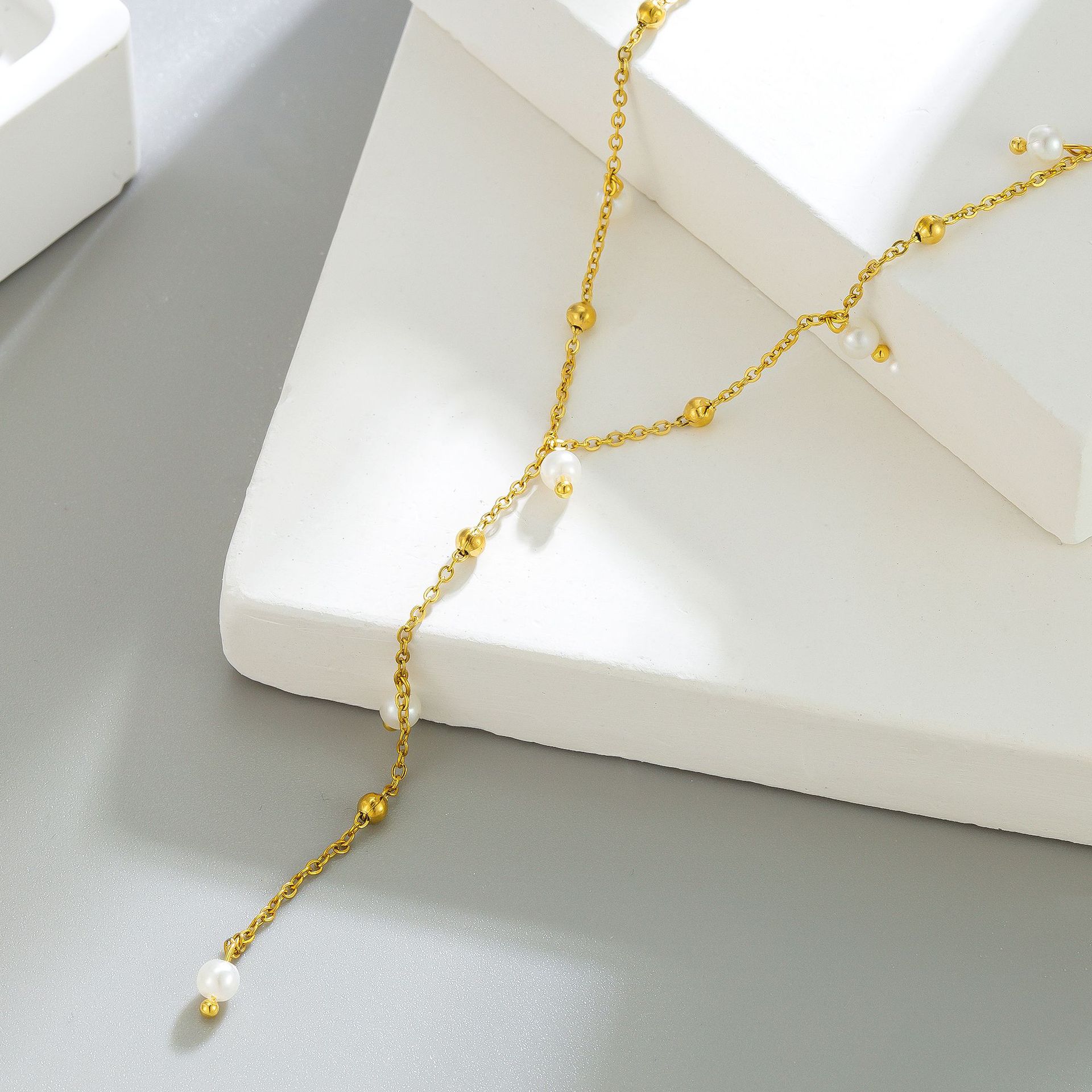
The resale opportunity for retailers: Adding a curated pre-owned or vintage section to your jewelry store can increase foot traffic and average order value. Customers who come in to sell or consign often buy something new while they are there. The key is knowing what to accept, how to price it, and how to authenticate. For stainless steel and fashion jewelry, focus on branded pieces, limited editions, and styles that are no longer available new. Generic stainless steel pieces rarely have meaningful resale value.
Valuation and Pricing Questions
How do I determine the resale value of jewelry?
Valuing jewelry for resale depends heavily on the type of piece: (1) Fine jewelry (gold, platinum, diamonds, gemstones): Value is based on material content plus brand and craftsmanship. Gold jewelry is valued primarily by weight and current gold spot price, with a premium for brand names like Cartier, Tiffany, or David Yurman. A 14K gold necklace weighing 10 grams at a $2,500 per ounce gold price has roughly $115 in melt value, but may retail for $300 to $800 depending on brand and design. (2) Sterling silver: Valued by weight at current silver spot price, typically 50 to 70% of melt value when selling to a dealer. A 60-gram sterling chain at $36 per ounce has about $57 in melt value; a dealer might pay $48 to $52. (3) Branded fashion jewelry (Pandora, Alex and Ani, Kendra Scott): Value depends on brand recognition, style popularity, and condition. Retired or discontinued styles often sell for more than current ones. Expect 30 to 60% of original retail. (4) Stainless steel and costume jewelry: Generally has little to no resale value unless it is from a recognized brand (like a premium stainless steel watch brand) or is a vintage collectible. Generic stainless steel necklaces or rings bought for $10 wholesale typically sell for $5 to $15 used, if they sell at all. (5) Vintage and antique jewelry: Value is based on era, condition, rarity, and collector demand. Art Deco, Mid-Century, and Retro pieces are particularly sought after. (6) The practical approach: Check completed listings on eBay (not active listings, which show asking prices, not sale prices), search sold items on Poshmark and Mercari, and consult a local jeweler for fine pieces. For a quick estimate, fine gold jewelry typically resells at 60 to 80% of melt value from dealers, or 80 to 120% of melt value on consumer-to-consumer platforms. (7) Always factor in condition. A scratched, tarnished, or broken piece sells for significantly less than one in excellent condition. A professional clean and polish can increase resale value by 15 to 25%.
What percentage of retail price does used jewelry sell for?
This varies widely by category, but here are realistic ranges based on current market data: (1) Luxury fine jewelry (Cartier, Tiffany, Van Cleef): 50 to 75% of original retail, depending on model and condition. Iconic pieces like the Cartier Love bracelet hold value best, sometimes reaching 80% or more. (2) Mid-tier fine jewelry (local jewelers, department store brands): 30 to 50% of original retail. (3) Sterling silver jewelry: 20 to 40% of original retail, unless it is a desirable brand. (4) Branded fashion jewelry (Pandora, Kendra Scott): 25 to 50% of original retail. (5) Stainless steel fashion jewelry: 10 to 30% of original retail, and many pieces do not sell at all on the secondary market. (6) Vintage/antique: Can exceed original retail if the piece is rare or in demand. (7) The most important factor is demand. A piece in a currently trending style (like chunky gold chains or Y2K jewelry) will sell for a higher percentage than an out-of-style piece, regardless of original price. (8) For retailers considering a buyback or trade-in program, a common formula is 20 to 40% of estimated resale value for gold and silver, and 10 to 25% for fashion jewelry. This gives you enough margin to resell at a profit while offering the customer a fair price.
Does stainless steel jewelry hold any resale value?
This is a question we get often, and the honest answer is: usually not much, but there are exceptions. (1) Generic stainless steel jewelry has no scrap value. Unlike gold or silver, you cannot melt down a stainless steel necklace and recover the material value. Stainless steel is an inexpensive commodity metal, so the material itself is worth pennies. (2) However, branded stainless steel jewelry from premium brands can hold value. High-end stainless steel watches (like certain models from well-known brands) and designer stainless steel pieces may retain 30 to 60% of retail, especially if they are popular models or limited editions. (3) Vintage stainless steel jewelry from the 1970s, 1980s, and 1990s is gaining collector interest, particularly pieces with bold designs, enamel work, or unique construction. Some vintage stainless steel cuffs and pendants sell for $50 to $200 on Etsy and eBay. (4) For wholesale buyers, this means you should not buy stainless steel jewelry expecting it to appreciate in value. Buy it to sell at retail, not as an investment. The profit is in the markup from wholesale to retail, not in holding inventory. (5) If a customer asks whether their stainless steel jewelry is worth anything, be honest: unless it is a recognized brand or vintage piece, it has minimal resale value. This honesty builds trust and prevents disappointment. (6) That said, stainless steel jewelry has excellent value retention in a different sense: it does not tarnish, does not need frequent polishing, and lasts for decades. A $20 stainless steel necklace worn daily for 5 years costs less than $4 per year, which is excellent value compared to plated jewelry that may need replacement after 6 months.
| Jewelry Category | Typical Resale % of Retail | Primary Value Driver | Best Sales Platform |
|---|
| Luxury Fine (Cartier, Tiffany) | 50-75% | Brand, model, condition | The RealReal, Worthy, eBay |
| Mid-Tier Fine Gold | 30-50% | Gold weight, design | eBay, local jeweler |
| Sterling Silver | 20-40% | Weight, brand, style | eBay, Poshmark, Mercari |
| Branded Fashion (Pandora) | 25-50% | Brand, retired styles | Poshmark, Mercari, eBay |
| Stainless Steel (generic) | 10-30% | Condition, style demand | Poshmark, ThredUp, local |
| Vintage/Antique | 50-150%+ | Era, rarity, collector demand | Etsy, Ruby Lane, eBay |
| Costume/Fashion | 5-20% | Brand, condition, trend | Poshmark, ThredUp, Depop |
Selling Platforms and Strategy Questions
Where is the best place to sell pre-owned jewelry?
The best platform depends on what you are selling: (1) The RealReal: Best for luxury fine jewelry (Cartier, Tiffany, etc.). They authenticate, photograph, and ship for you. Commission is 20 to 60% depending on item price, but they handle everything. Good for high-value pieces where authentication matters. (2) Worthy: An auction platform for fine jewelry and watches. They clean, photograph, and auction to professional buyers. You typically get 60 to 80% of the final sale price. Best for diamond and gold jewelry over $1,000. (3) eBay: The largest marketplace for all types of jewelry. You reach the most buyers, but you handle photos, shipping, and returns. Fees are about 13% plus payment processing. Best for sellers willing to do the work. Auction format works well for unique pieces; fixed price for known items. (4) Poshmark: Best for fashion and costume jewelry under $200. Strong community of buyers looking for branded fashion jewelry. Flat $7.97 fee for items over $15, or $2.95 for under $15. Shipping is prepaid. (5) Mercari: Similar to Poshmark but with lower fees (10%). Good for all price ranges. Less jewelry-specific but growing. (6) Etsy: Best for vintage and antique jewelry. Buyers come to Etsy specifically looking for unique, older pieces. Fees are 6.5% plus payment processing. Requires good photography and detailed descriptions. (7) Ruby Lane: A curated marketplace for vintage and antique jewelry. Higher price points and serious buyers. Monthly fee plus commission. Best for established vintage sellers. (8) Local jewelers and pawn shops: Fastest way to get cash, but you get the least money (typically 30 to 50% of resale value). Good if you need money immediately. (9) Facebook Marketplace and local groups: No fees, but less reach and more risk of no-shows. Good for higher-value pieces where local buyers want to inspect in person. (10) For retailers with a physical store, in-store consignment is often the best option. You take 30 to 50% commission, the customer sets the price, and you only pay when it sells. This brings customers into your store and creates zero inventory risk.
Should retailers offer jewelry buyback or trade-in programs?
Buyback and trade-in programs can be profitable, but they require careful management: (1) The benefits: (a) Drives foot traffic and repeat visits. (b) Customers who trade in often buy new jewelry with the credit, increasing sales. (c) Builds customer loyalty and differentiates you from online-only competitors. (d) Gives you access to pre-owned inventory at below-market prices. (2) The risks: (a) You need expertise to value pieces accurately, or you will overpay. (b) Pre-owned inventory ties up capital and may not sell quickly. (c) Authentication is critical, especially for branded pieces. Buying counterfeit jewelry is a real risk. (d) You need a clear policy for returns and disputes on pre-owned items. (3) Best practices: (a) Start with a trade-in program (store credit only) rather than cash buyback. This ensures the money stays in your store. (b) Offer 20 to 40% of estimated resale value as store credit for gold and silver, 10 to 25% for fashion jewelry. (c) Only accept pieces you know you can sell. If you do not know the brand or cannot value it, decline politely. (d) Clean, inspect, and photograph every trade-in before reselling. (e) Have a clear return policy for pre-owned items (typically 7 days, store credit only). (4) For stainless steel and fashion jewelry, trade-in programs are generally not worth the effort because the resale value is so low. Focus buyback programs on gold, silver, and branded pieces. (5) If you do not have in-house expertise, partner with a local jeweler or gemologist to evaluate pieces on a commission basis. This is cheaper than making a costly mistake. (6) Many successful boutique owners report that trade-in customers spend 1.5 to 2 times the trade-in value on new purchases. So even if you break even on the pre-owned piece, you profit from the new sale.
How do I authenticate pre-owned jewelry and avoid fakes?
Authentication is the biggest risk in buying pre-owned jewelry. Here is how to protect yourself: (1) For gold and silver: Look for hallmarks. Gold should be stamped 10K, 14K, 18K, or 925 for sterling silver. Use a gold testing kit (acid test) or an electronic gold tester to verify. Check that the stamp is clean and well-formed; fakes often have blurry or incorrect stamps. (2) For diamonds: Use a loupe to check for inclusions and laser inscriptions on the girdle. A diamond tester helps distinguish diamonds from moissanite and cubic zirconia, but cannot detect all lab-grown diamonds. For high-value stones, get a GIA or IGI certificate. (3) For branded jewelry (Cartier, Tiffany, etc.): Check the serial number, font of the stamp, weight (fakes are often lighter), and craftsmanship details. Cartier pieces have specific serial number formats and can be verified through Cartier. When in doubt, use an authentication service like Authenticate First or Legit Grails. (4) For stainless steel branded pieces: Check the weight, finish quality, logo engraving, and clasp mechanism. Premium stainless steel jewelry has a heavier feel and smoother finish than fakes. (5) Red flags: (a) Price too good to be true. (b) Seller refuses to provide detailed photos or answer questions. (c) Blurry or stock photos instead of actual item photos. (d) No return policy. (e) Pressure to buy quickly. (6) If you are buying for resale, never purchase a piece you cannot authenticate. The cost of one fake can wipe out profits from ten legitimate pieces. (7) For retailers starting a pre-owned section, consider using a third-party authentication service for items over $200. The $10 to $30 fee is cheap insurance. (8) Build relationships with reputable dealers. Buying from established wholesale dealers who offer authenticity guarantees is safer than buying from individual sellers, even if the price is slightly higher.
Buying and Sourcing Questions
Is buying pre-owned jewelry for resale a profitable business model?
It can be, but it is not easy money. Here is a realistic look: (1) The curated resale model has startup costs of $2,000 to $50,000 depending on inventory depth and sales channel. Margins range from 30% to 70% based on sourcing relationships and sales channels. (2) The most profitable approach is to source from estate sales, auctions, and private sellers where you can buy at 20 to 40% of resale value. Retail markups on pre-owned fine jewelry typically run 2x to 3x your cost. (3) The challenge is volume. Unlike new wholesale jewelry where you can order 50 of the same style, pre-owned pieces are one-of-a-kind. This means more work per piece in photography, listing, and description. (4) Successful resellers focus on a niche: vintage costume jewelry, sterling silver, mid-century modern, or a specific brand. Specializing builds expertise and a loyal customer base. (5) For existing jewelry retailers, adding a small pre-owned section is lower risk than starting a standalone resale business. You already have the store, the display cases, and the customer traffic. Start with consignment (no upfront cost) and see what sells. (6) The biggest mistake new resellers make is overpaying. They fall in love with a piece and pay too much, then cannot sell it at a profit. Discipline is essential: set a maximum price before you start negotiating, and walk away if the seller will not meet it. (7) Inventory turnover is critical. A pre-owned piece that sits for 6 months is tying up capital that could be invested in faster-selling new inventory. Price pre-owned items to sell within 30 to 60 days, even if it means a smaller margin. (8) For Showfay wholesale buyers, the new stainless steel jewelry business and a pre-owned section can complement each other. New pieces provide steady margin and volume; pre-owned pieces attract different customers and add store character.
What types of jewelry sell fastest on the secondhand market?
Based on current sales data, these categories move fastest: (1) Gold jewelry, especially solid gold chains and bracelets. Gold always sells because it has intrinsic value. 14K and 18K gold chains in 16 to 24 inch lengths are the most liquid. (2) Diamond solitaire rings and stud earrings. Classic diamond jewelry has consistent demand. Pieces under 1 carat sell fastest because they are more affordable. (3) Branded fashion jewelry from Pandora, Kendra Scott, and Alex and Ani. These brands have loyal followings and active secondary markets. Retired Pandora charms are particularly sought after. (4) Vintage sterling silver jewelry, especially Taxco Mexican silver, Native American pieces, and Mid-Century modern designs. (5) Watches, especially stainless steel sports watches from recognized brands. Watches are one of the fastest-growing resale categories. (6) Signed costume jewelry from designers like Coco Chanel, Kenneth Jay Lane, and Ciner. Collector-driven market with strong prices for rare pieces. (7) What sells slowly: (a) Generic stainless steel and costume jewelry without a brand. (b) Out-of-style pieces from the 1990s and 2000s that have not yet come back into fashion. (c) Damaged or heavily worn pieces. (d) Very large or unusual pieces that appeal to a narrow audience. (8) Seasonal trends matter. Chunky gold chains sell well when they are in fashion; minimalism sells when that trend is dominant. Watch fashion trends and buy accordingly. (9) For retailers, the fastest-selling pre-owned items are usually pieces similar to what you already sell new. If your store sells a lot of stainless steel necklaces, pre-owned gold necklaces in similar styles will appeal to your existing customers.
- Resale value by material: Gold and silver have melt value; stainless steel and costume jewelry do not. Brand and condition drive value for non-precious metals.
- Realistic resale percentages: Luxury fine 50-75% of retail, mid-tier fine 30-50%, sterling 20-40%, branded fashion 25-50%, stainless steel 10-30%.
- Best platforms: The RealReal/Worthy for luxury, eBay for broad selection, Poshmark/Mercari for fashion under $200, Etsy/Ruby Lane for vintage.
- Trade-in programs: Store credit only, offer 20-40% of resale value for gold/silver. Customers typically spend 1.5-2x the credit on new purchases.
- Authentication is critical: Test gold with acid/electronic testers, verify brand serial numbers, use third-party auth for items over $200. One fake wipes out ten profits.
- Fastest sellers: Gold chains, diamond solitaires, Pandora/Kendra Scott, vintage sterling, stainless steel watches, signed costume jewelry.
- Stainless steel resale: Minimal value unless branded or vintage. Buy for retail markup, not as an investment. Excellent long-term wear value instead.
- Key to profit: Buy at 20-40% of resale value, price to sell in 30-60 days, specialize in a niche, never overpay.
Final Advice on the Jewelry Resale Market
The secondhand jewelry market is growing, but success requires expertise, discipline, and patience. For retailers, the smartest entry point is a consignment or trade-in program that requires no upfront inventory investment. As you learn what sells and build valuation skills, you can expand into direct buying.
Stainless steel jewelry occupies a unique position: it has almost no resale value, but it has exceptional durability and value for daily wear. Your customers who buy stainless steel pieces are not buying them as investments; they are buying them as affordable, long-lasting fashion accessories. That is a perfectly valid and profitable market segment.
Whether you are buying for personal use, building a resale business, or adding a pre-owned section to your store, the same principles apply: know the value, authenticate everything, buy at the right price, and sell through quickly. The jewelry resale market rewards knowledge and punishes impulse.
Related Reading
- Starting a Jewelry Business FAQ: Licenses, Costs, Markup, and Suppliers — Licenses, Startup Costs, Markup, Inventory, Suppliers, and First-Year Survival Guide
- Etsy Jewelry Selling FAQ: Starting, Pricing, SEO, and Growing a Shop — Starting, Pricing, SEO, Sourcing, and Growing a Profitable Shop
- Selling Jewelry Online FAQ: Etsy, Shopify, Amazon, and Social Media — Etsy, Shopify, Amazon, and Social Media Answered
- First-Time Wholesale Jewelry Buying FAQ: MOQ, Markups, and Samples — MOQ, Resale Certificates, Markups, Samples, and Avoiding Mistakes
Factory-Direct Since 1998 · 31,000+ Styles · Low MOQ $150
Request Wholesale Catalog316L Surgical Steel · PVD Finishes · Fast Shipping