Gold-Filled vs Gold-Plated vs Solid Gold FAQ
Understanding the Differences, Durability, Pricing, and What to Stock
Gold Terminology Confuses Buyers and Sellers Alike
Few topics in jewelry cause as much confusion as the difference between gold-filled, gold-plated, and solid gold. Customers see "gold" in a product title and assume it is the same thing, only to be disappointed when a $15 necklace turns their skin green after two weeks. Retailers who do not understand the differences risk mislabeling products, facing returns, and damaging their reputation.
The reality is that these three terms describe fundamentally different products with different price points, durability levels, and customer expectations. Understanding them is essential for anyone buying or selling jewelry. This guide answers the most common questions about gold-filled, gold-plated, and solid gold jewelry, including how they are made, how long they last, how to price them, and what to tell customers.
For wholesale buyers, the key insight is that each category serves a different customer and price point. Gold-plated stainless steel (PVD) is the workhorse of affordable fashion jewelry. Gold-filled is the mid-range option for customers who want durability without solid gold prices. Solid gold is the premium category for fine jewelry. Knowing which to stock depends on your target customer and price range.
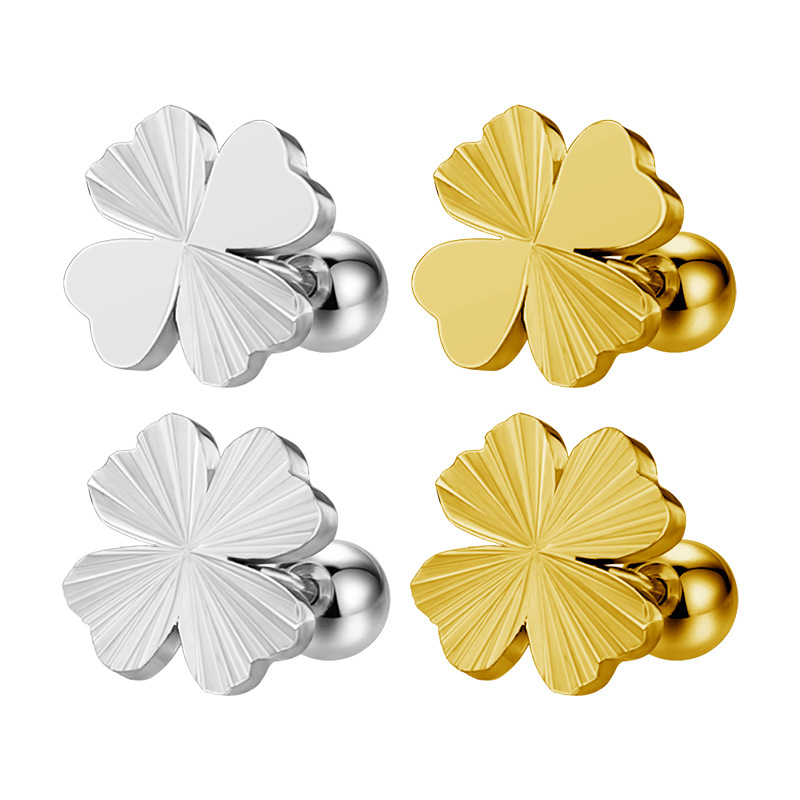
The gold layer thickness is everything: Gold-plated jewelry has a gold layer of 0.5 to 2.5 microns (0.0005 to 0.0025 mm). Gold-filled jewelry has a gold layer of at least 5% of the total weight, which is typically 50 to 100 microns (0.05 to 0.1 mm), or 20 to 200 times thicker than plating. Solid gold is, as the name suggests, solid gold throughout. This thickness difference explains why gold-plated jewelry can wear off in weeks to months, while gold-filled lasts years, and solid gold lasts generations. For retailers, mislabeling gold-plated as gold-filled is one of the most common and most damaging mistakes.
Definitions and Process Questions
What is gold-plated jewelry and how is it made?
Gold-plated jewelry is the most common and most affordable type of gold-colored fashion jewelry. Here is how it works: (1) A base metal (usually brass, copper, or stainless steel) is coated with a thin layer of gold through an electroplating process. The piece is submerged in a solution containing gold ions, and an electric current bonds the gold to the surface. (2) The gold layer is very thin: typically 0.5 to 2.5 microns. To put that in perspective, a human hair is about 70 microns thick. The gold layer on plated jewelry is thinner than a fraction of a hair. (3) Because the layer is so thin, it wears off over time with exposure to friction, sweat, water, and chemicals. Cheap gold-plated jewelry may show wear in 2 to 4 weeks. Better quality plating (1.5 to 2.5 microns) can last 6 months to 2 years with proper care. (4) PVD (Physical Vapor Deposition) plating is a newer, more durable process used on stainless steel jewelry. Instead of electroplating, PVD vaporizes gold in a vacuum chamber and deposits it molecule by molecule onto the surface. PVD plating is 3 to 5 times more durable than traditional electroplating and can last 2 to 5 years with daily wear. This is the process used on Showfay's gold stainless steel jewelry. (5) Gold-plated jewelry is the most affordable gold option. A gold-plated stainless steel necklace may wholesale for $3 to $8 and retail for $15 to $30. (6) The base metal matters. Gold-plated brass or copper can turn skin green when the plating wears through and the base metal reacts with skin. Gold-plated stainless steel does not have this problem because stainless steel itself is non-reactive and hypoallergenic. (7) For retailers, gold-plated stainless steel with PVD finish offers the best value: the look of gold, the durability of stainless steel, and an affordable price point. It is the most popular category in fashion jewelry today.
What is gold-filled jewelry and how is it different from plated?
Gold-filled jewelry is a significant step up from gold-plated in both quality and price: (1) Gold-filled jewelry is made by bonding a thick layer of solid gold (at least 5% of the total weight) to a base metal (usually brass) through heat and pressure. This is not electroplating; it is a mechanical bonding process that creates a much thicker and more durable gold layer. (2) The gold layer on gold-filled jewelry is typically 50 to 100 microns thick, which is 20 to 200 times thicker than gold plating. This is why it lasts so much longer. (3) Gold-filled jewelry is legally required to have the gold layer make up at least 1/20th (5%) of the total weight. It is often marked "14/20 GF" or "12/20 GF," meaning 14K or 12K gold makes up 1/20th of the total weight. (4) Because of the thick gold layer, gold-filled jewelry looks and wears like solid gold. It will not flake, peel, or rub off under normal use. With proper care, gold-filled jewelry can last 10 to 30 years. (5) Gold-filled jewelry is more expensive than plated but much cheaper than solid gold. A gold-filled necklace may wholesale for $15 to $40 and retail for $45 to $100. (6) Gold-filled is an excellent middle-ground option for customers who want the look and durability of gold without the solid gold price. It is particularly popular for everyday wear pieces like necklaces and bracelets. (7) The base metal in gold-filled jewelry is usually brass, which can cause skin reactions in some people if the gold layer wears through (which takes many years). For customers with severe metal allergies, solid gold or stainless steel may be better options. (8) For retailers, gold-filled jewelry appeals to customers who have been burned by cheap plated jewelry and are willing to pay more for quality. It is a step-up category that can increase your average order value.
What is solid gold jewelry and what do the karat numbers mean?
Solid gold is the premium category, and understanding karats is essential: (1) Solid gold jewelry is made entirely of gold alloy (gold mixed with other metals for strength). There is no base metal core. The gold goes all the way through. (2) Karat (K) measures gold purity: (a) 24K = 99.9% pure gold. Too soft for most jewelry, used mainly for investment bars and some traditional jewelry. (b) 18K = 75% gold, 25% other metals. Good balance of purity and durability. Common in fine jewelry. (c) 14K = 58.3% gold, 41.7% other metals. The most popular for everyday jewelry in the US. Durable and affordable. (d) 10K = 41.7% gold, 58.3% other metals. The most durable and affordable solid gold option. Common in men's jewelry and budget fine jewelry. (3) The other metals (copper, silver, zinc, nickel) affect color and durability. More copper = warmer/redder gold. More silver = whiter gold. More alloy metals = harder and more durable. (4) Solid gold jewelry is the most expensive. A 14K gold necklace may wholesale for $100 to $500+ depending on weight, and retail for $200 to $1,000+. Prices fluctuate with the gold spot price. (5) Solid gold lasts a lifetime and can be resized, repaired, and recycled. It is an heirloom-quality product. (6) For retailers, solid gold is a separate category from fashion jewelry. It requires higher investment, different marketing, and often insurance. It appeals to customers buying engagement rings, wedding bands, and significant gift pieces. (7) Do not confuse "solid gold" with "gold tone," "gold color," or "gold finish." Those terms describe plated or colored jewelry, not solid gold. Mislabeling plated jewelry as solid gold is illegal in most countries and can result in fines and lawsuits. (8) The key for buyers: if you are selling fashion jewelry under $50, gold-plated stainless steel (PVD) is the right choice. If you are selling in the $50 to $150 range, gold-filled is appropriate. Solid gold is for $200+ fine jewelry. Stock the category that matches your customer's budget.
What is PVD gold plating and why is it better on stainless steel?
PVD (Physical Vapor Deposition) is the modern plating process used on high-quality stainless steel jewelry, and it is important to understand because it changes the durability equation: (1) Traditional electroplating uses electricity to deposit gold ions onto a surface. The bond is mechanical and relatively weak, which is why traditional plating can flake and peel. (2) PVD uses a vacuum chamber where gold is vaporized at high temperature and deposited molecule by molecule onto the stainless steel surface. This creates a molecular bond that is far stronger than electroplating. (3) PVD plating is 3 to 5 times more durable than traditional electroplating. A PVD gold-plated stainless steel piece can last 2 to 5 years with daily wear, including showering and exercise, compared to 6 months to 2 years for traditional plating. (4) PVD produces a harder, more scratch-resistant surface. It is also more environmentally friendly than electroplating, which uses toxic cyanide solutions. (5) PVD plating is available in gold, rose gold, black, and other colors. The color is consistent and does not fade unevenly. (6) For stainless steel jewelry specifically, PVD is the ideal plating process because stainless steel's smooth, non-porous surface allows the PVD coating to bond uniformly. The result is a piece that looks like gold, wears like stainless steel, and costs a fraction of solid gold. (7) PVD gold-plated stainless steel is the dominant material in affordable fashion jewelry today. It is what you will find at brands like MVMT, Abbott Lyon, and many direct-to-consumer jewelry brands. (8) For retailers, PVD gold stainless steel is the best value proposition in jewelry: the look of 14K gold, the durability of stainless steel, hypoallergenic, tarnish-resistant, and a wholesale price of $3 to $10. This is why it outsells traditional gold-plated brass by a wide margin. (9) When sourcing, always ask whether the gold finish is PVD or traditional electroplating. PVD costs slightly more but dramatically reduces returns and complaints about fading.
| Feature | Gold-Plated (PVD) | Gold-Filled | Solid Gold (14K) |
|---|
| Gold layer | 0.5-2.5 microns | 50-100 microns (5% weight) | Solid throughout |
| Base metal | Stainless steel or brass | Brass | Gold alloy |
| Durability | 2-5 years (PVD) | 10-30 years | Lifetime |
| Wholesale cost | $3-$10 | $15-$40 | $100-$500+ |
| Retail price | $15-$35 | $45-$100 | $200-$1,000+ |
| Hypoallergenic | Yes (stainless base) | Mostly (brass core) | Yes |
| Can shower | Yes (PVD) | Yes | Yes |
| Best for | Everyday fashion | Quality everyday | Fine/heirloom |
Durability and Care Questions
How long does gold-plated jewelry actually last?
The lifespan of gold-plated jewelry depends on several factors, and customers often have unrealistic expectations: (1) Cheap gold-plated brass (0.5 micron plating): 2 to 8 weeks with daily wear. The thin plating rubs off from friction (necklaces rubbing on clothing, rings on hands) and exposure to sweat and chemicals. (2) Mid-range gold-plated (1-2 micron): 3 to 12 months with regular wear. Better plating and thicker base metal extend life. (3) PVD gold-plated stainless steel (2-3 micron, molecular bond): 2 to 5 years with daily wear, including showering and exercise. This is the most durable plated option. (4) Factors that shorten lifespan: (a) Friction: rings and bracelets wear faster than necklaces and earrings because they rub against surfaces. (b) Sweat and body chemistry: acidic skin and heavy sweating accelerate wear. (c) Chemicals: perfume, lotion, sunscreen, chlorine, and cleaning products break down plating. (d) Water: frequent showering and swimming speed up wear, especially for non-PVD plating. (e) Abrasion: polishing with rough cloths or storing pieces together causes scratches. (5) Factors that extend lifespan: (a) Remove jewelry before showering, swimming, and exercising (for non-PVD). (b) Put jewelry on after applying perfume and lotion. (c) Clean with a soft cloth, not abrasive cleaners. (d) Store individually in pouches or compartments to prevent scratching. (6) For retailers, setting realistic expectations with customers is key. A $20 gold-plated necklace is not going to last 10 years. It is a fashion piece meant to be enjoyed for a season or two. Being honest about this reduces returns and builds trust. (7) PVD stainless steel is the exception. You can confidently tell customers it is "tarnish-resistant and waterproof" and expect it to last years. This is a major selling point over cheap plated brass. (8) If a customer wants gold jewelry that lasts for years, recommend gold-filled or solid gold. If they want affordable fashion jewelry that looks great and lasts a reasonable time, PVD stainless steel is the answer.
Why does some gold jewelry turn skin green?
Green skin is the #1 customer complaint about fashion jewelry, and understanding the cause helps you avoid it: (1) The green discoloration is caused by a chemical reaction between the metal in the jewelry and the acids in your skin. When metals like copper, brass, or nickel react with sweat and skin oils, they form salts that can appear green on the skin. (2) Gold itself does not turn skin green. The green comes from the base metal underneath the gold plating. When the plating wears thin or has microscopic pores, the base metal (usually brass or copper) is exposed and reacts with skin. (3) Stainless steel does not contain significant amounts of copper or nickel in reactive form, so it does not turn skin green. This is why gold-plated stainless steel (PVD) is a better choice than gold-plated brass for customers concerned about green skin. (4) Even high-quality gold-plated stainless steel can rarely cause discoloration if: (a) The plating is damaged and the stainless steel is exposed (stainless steel itself does not cause green skin, so this is rare). (b) The customer has an unusual skin chemistry that reacts with the plating materials. (c) Dirt and oils build up under the jewelry and cause discoloration (this is not a metal reaction; it is a hygiene issue that can be fixed with cleaning). (5) Solid gold and gold-filled jewelry do not turn skin green because the gold layer is thick enough (or the piece is solid gold) that the base metal never touches the skin. (6) For retailers, the way to prevent green skin complaints is: (a) Sell PVD gold-plated stainless steel, not gold-plated brass. (b) Clearly label products with the base metal. (c) Advise customers to keep jewelry clean and dry. (d) For customers with known metal sensitivities, recommend solid gold, titanium, or pure stainless steel (unplated). (7) The "green skin" issue is why cheap brass-based fashion jewelry has a bad reputation. By selling stainless steel-based gold jewelry, you avoid this problem entirely and can market your products as "no green skin guaranteed." (8) If a customer reports green skin from your stainless steel jewelry, first ask them to clean the piece thoroughly with soap and water. Often the discoloration is from built-up lotion and oils, not a metal reaction. If cleaning does not help, offer a refund or exchange.
How do I clean and care for gold jewelry of each type?
Different gold types require different care. Here is the practical guide: (1) Gold-plated stainless steel (PVD): (a) Wipe with a soft microfiber cloth after each wear to remove sweat and oils. (b) For deeper cleaning, wash with mild soap and warm water, then dry thoroughly. (c) Can be worn in the shower, but avoid harsh chemicals (chlorine, bleach). (d) Do not use ultrasonic cleaners or abrasive polishes, as they can damage the PVD coating. (e) Store in a jewelry box or pouch to prevent scratches. (2) Gold-plated brass (traditional): (a) Remove before showering, swimming, and exercising. (b) Wipe with a soft cloth after each wear. (c) Do not use liquid jewelry cleaners, as they can strip the plating. (d) Avoid contact with perfume, lotion, and hairspray. (e) Store individually to prevent scratching the thin plating. (3) Gold-filled: (a) Can be worn in the shower, but avoid prolonged exposure to chlorine. (b) Clean with warm soapy water and a soft brush. (c) A gold polishing cloth can restore shine if it dulls. (d) Can use ultrasonic cleaners occasionally, but avoid harsh chemicals. (e) Store in a dry place. (4) Solid gold: (a) The most durable and low-maintenance. Can be worn in water, with chemicals, and during exercise. (b) Clean with warm soapy water and a soft brush. For stubborn dirt, a mild ammonia solution (1 part ammonia to 6 parts water) works. (c) Ultrasonic cleaners are safe for solid gold (but not for gemstones set in gold, which may be damaged by ultrasound). (d) Can be polished with a gold polishing cloth to restore shine. (e) Solid gold can be resized and repaired by a jeweler if damaged. (5) Universal tips: (a) Put jewelry on last (after perfume, lotion, makeup) and take it off first. (b) Remove before sleeping to prevent tangling and breakage. (c) Store pieces separately to prevent scratching. (d) Have solid gold pieces professionally cleaned and inspected once a year. (6) For retailers, including a small care card with each purchase adds perceived value and reduces returns from improper care. A care card costs $0.10 to $0.30 and can save you from returns caused by customers who shower in cheap plated jewelry.
Buying and Selling Questions
Which gold type should I stock in my store?
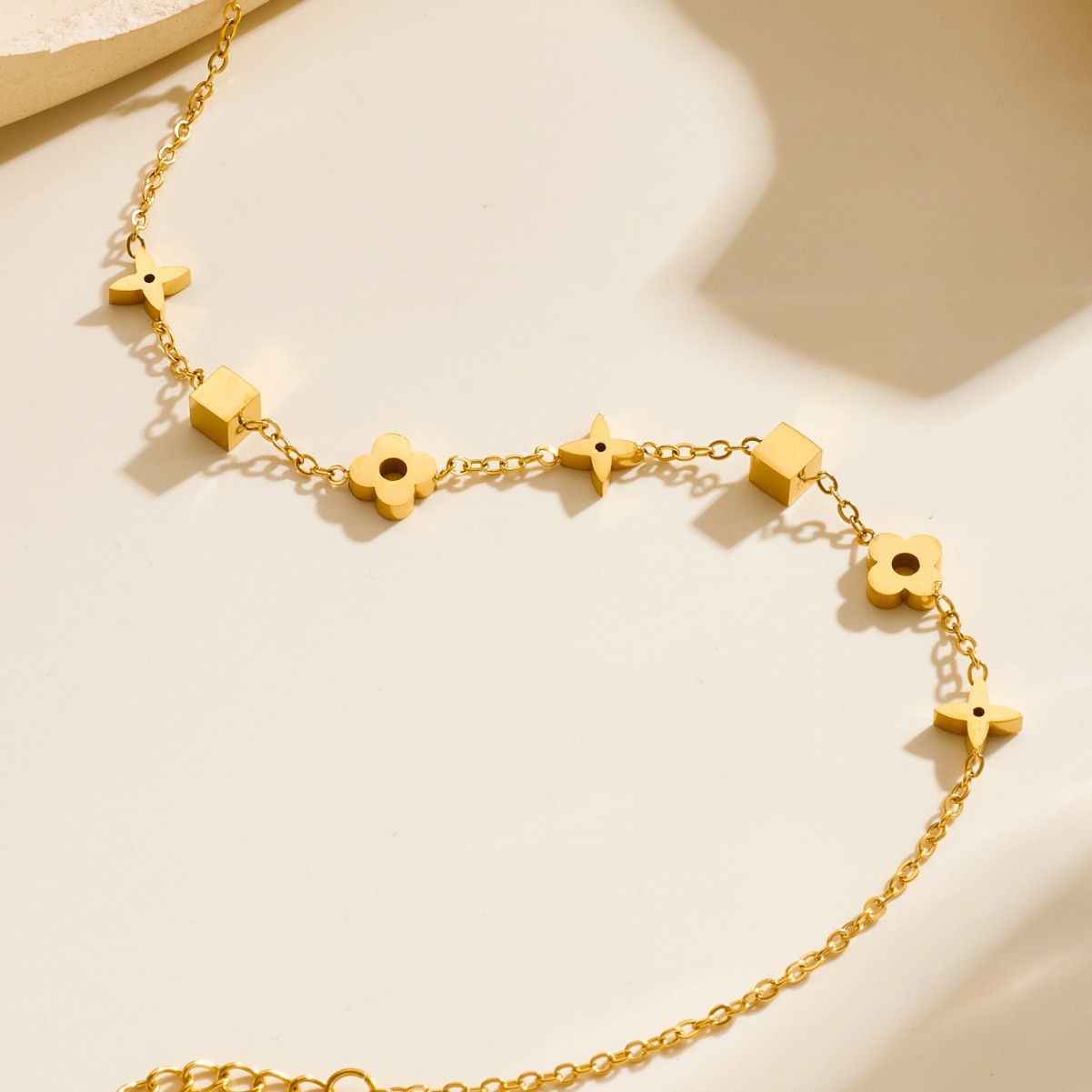
The answer depends on your target customer, price point, and business model: (1) If your average retail price is $15 to $35 (Etsy, Shopify, fast fashion, pop-ups): Stock PVD gold-plated stainless steel. This is the sweet spot for affordable fashion jewelry. It looks like gold, lasts years, is hypoallergenic, and has strong margins. This is the category Showfay specializes in. (2) If your average retail price is $40 to $100 (mid-range boutique, DTC brands): Stock a mix of PVD stainless steel (for entry price points) and gold-filled (for customers who want more durability). The gold-filled pieces become your "premium" option and increase average order value. (3) If your average retail price is $200+ (fine jewelry boutique, engagement rings): Stock solid gold (10K, 14K, 18K). This is a separate business model with higher investment, different suppliers, and longer sales cycles. (4) Most successful fashion jewelry sellers focus on one category rather than mixing all three. Trying to sell $20 plated necklaces and $500 solid gold rings in the same store confuses customers and dilutes your brand. (5) If you are just starting, begin with PVD gold-plated stainless steel. It has the lowest MOQ, the broadest customer appeal, and the best margin-to-risk ratio. You can add gold-filled as a premium line once you have established sales. (6) Consider your customer's expectations. A customer buying a $20 necklace expects it to look good for a season. A customer buying a $80 gold-filled necklace expects it to last years. A customer buying a $500 solid gold necklace expects it to last a lifetime. Make sure your product descriptions set these expectations clearly. (7) Seasonal strategy: PVD stainless steel sells year-round. Gold-filled sells well during gift seasons (Mother's Day, Christmas, Valentine's Day) when customers are willing to spend more. Solid gold sells around engagement season (November to February) and graduation. (8) The key is to know your customer and stock accordingly. Do not buy gold-filled because you personally prefer it; buy it because your customers will pay for it. Let your sales data guide your inventory mix.
How do I label gold jewelry correctly and legally?
Correct labeling is not just good practice; it is legally required in most countries: (1) In the United States, the Federal Trade Commission (FTC) regulates jewelry labeling. Key rules: (a) "Gold-plated" can only be used if the gold layer is at least 0.5 microns thick. Thinner plating must be called "gold electroplated" or "gold tone." (b) "Gold-filled" requires the gold layer to be at least 1/20th (5%) of the total weight, and must be marked with karat and ratio (e.g., "14/20 GF"). (c) "Solid gold" means the piece is made entirely of gold alloy. Calling plated jewelry "solid gold" is fraud. (d) Karat marking (14K, 18K) is required for solid gold pieces over a certain weight, and the mark must be accurate. (e) Mislabeling can result in fines, product seizures, and class-action lawsuits. (2) In the EU, the Hallmarking Directive requires precious metal jewelry to be assayed and hallmarked. Gold-plated and gold-filled items do not need hallmarking but must not be described as "gold" without qualification. (3) In the UK, the Hallmarking Act requires all solid gold jewelry over 1 gram to be hallmarked by an assay office. Selling unhallmarked solid gold is illegal. (4) Practical labeling for fashion jewelry: (a) "Gold-plated stainless steel" or "PVD gold stainless steel" is accurate and clear. (b) "14K gold-filled" is accurate for gold-filled pieces. (c) "14K solid gold" is accurate for solid gold. (d) Avoid vague terms like "gold tone," "gold finish," or "gold color" without further explanation, as they can be misleading. (e) Always disclose the base metal: "gold-plated stainless steel" tells the customer both the finish and the base. (5) For product descriptions, include: material (316L stainless steel), finish (PVD gold plating), plating thickness if known (2-3 microns), and care instructions. This level of detail builds trust and reduces returns. (6) If a supplier labels a product as "gold-filled" but it is actually gold-plated, you are still responsible for accurate labeling as the retailer. Verify with samples and ask for documentation. (7) The safest approach for fashion jewelry retailers: call it "gold-plated stainless steel" or "PVD gold stainless steel." This is accurate, legally safe, and sets realistic customer expectations. Avoid the word "gold" alone in titles; always qualify it.
How do I answer customer questions about gold jewelry quality?
Customers ask the same questions repeatedly. Having clear, honest answers builds trust and increases sales: (1) "Will this turn my skin green?" Answer: "Our gold jewelry uses PVD plating on 316L stainless steel. Unlike cheap brass jewelry, stainless steel does not react with skin, so it will not turn your skin green. The PVD plating is 3-5 times more durable than traditional plating." (2) "Can I wear this in the shower?" Answer: "Yes, our PVD gold stainless steel jewelry is waterproof and tarnish-resistant. You can wear it in the shower, pool, and gym. We recommend rinsing with clean water after swimming in chlorinated pools." (3) "How long will the gold last?" Answer: "With normal daily wear, our PVD gold plating lasts 2 to 5 years. This is much longer than traditional gold plating (6 months to 2 years) because the PVD process creates a molecular bond. Avoid harsh chemicals and abrasive cleaning to maximize lifespan." (4) "Is this real gold?" Answer: "This is gold-plated stainless steel, not solid gold. It has a durable PVD gold finish on a 316L stainless steel base. It looks like gold, is hypoallergenic, and costs a fraction of solid gold. If you are looking for solid gold, we can help with that too." (5) "Why is this more expensive than other gold jewelry I see?" Answer: "The difference is in the materials and process. Cheap gold jewelry uses thin plating on brass, which wears off in weeks and can turn skin green. Our jewelry uses 316L stainless steel (the same material used in medical implants) with PVD gold plating that lasts years. You pay more upfront, but it lasts 5 to 10 times longer." (6) "Can I get this wet?" Answer: "Yes. 316L stainless steel is corrosion-resistant and the PVD plating bonds at the molecular level. Sweat, rain, shower water, and pool water will not damage it. We recommend avoiding prolonged exposure to hot tubs and harsh cleaning chemicals." (7) "What is the difference between this and gold-filled?" Answer: "Gold-filled has a much thicker gold layer (50-100 microns vs 2-3 microns) and lasts 10-30 years, but costs 3-5 times more. Our PVD stainless steel is the best value for everyday fashion jewelry. If you want a piece to pass down, gold-filled or solid gold is better." (8) The key to answering these questions is honesty. Do not overpromise ("this will last forever") and do not undersell ("it is just cheap fashion jewelry"). Be accurate, specific, and helpful. Customers appreciate transparency and are more likely to buy when they understand what they are getting.
- Gold-plated (PVD): 0.5-2.5 micron gold on stainless steel. Lasts 2-5 years. Wholesale $3-$10, retail $15-$35. Best for everyday fashion.
- Gold-filled: 50-100 micron gold (5% weight) on brass. Lasts 10-30 years. Wholesale $15-$40, retail $45-$100. Best for quality everyday.
- Solid gold: Solid gold alloy (10K-24K). Lasts lifetime. Wholesale $100-$500+, retail $200-$1,000+. Best for fine/heirloom.
- PVD is key: Molecular bond, 3-5x more durable than electroplating. Stainless steel base = no green skin. The best value in fashion jewelry.
- No green skin: Caused by brass/copper base reacting with skin. Stainless steel does not react. PVD stainless = no green skin.
- Label accurately: "Gold-plated stainless steel" or "PVD gold stainless steel." Never call plated "solid gold." FTC enforces labeling rules.
- Care: PVD stainless = shower-safe, wipe clean. Gold-filled = shower-safe, soap and water. Solid gold = indestructible, professional clean.
- Stock strategy: Start with PVD stainless (low MOQ, broad appeal). Add gold-filled as premium line. Solid gold = separate business model.
Final Gold Jewelry Advice
The gold jewelry market can be confusing, but the principles are simple. Gold-plated stainless steel with PVD finish is the best value in fashion jewelry today: it looks like gold, lasts years, does not turn skin green, and is affordable for both retailers and customers. Gold-filled is the step-up option for customers who want more durability and are willing to pay for it. Solid gold is the premium category for fine jewelry and significant purchases.
For retailers, the biggest mistakes are mislabeling products and overpromising durability. Call it what it is, set realistic expectations, and focus on the value proposition of PVD stainless steel: the look of gold, the durability of medical-grade steel, and a price point everyone can afford. Customers who understand what they are buying are happier customers, and happy customers become repeat customers.
The jewelry industry is moving toward PVD stainless steel as the standard for affordable gold fashion jewelry. Brands that embrace this material and communicate its benefits clearly are winning customers away from cheap plated brass and overpriced solid gold. Position your store in the value middle, and you will have a winning formula.
Related Reading
- PVD Gold Plating FAQ: Durability, Care, IP Black, and Wholesale Buying — Physical Vapor Deposition, Durability, Care, IP Black, and Wholesale Buying
- PVD Gold Plating on Stainless Steel Jewelry: Durability & Wholesale Guide — Durability, Care & Wholesale Buying Guide
- Stainless Steel Jewelry Materials FAQ: 316L, PVD Gold, Hypoallergenic — 316L, PVD Gold, and Hypoallergenic Explained
- Stainless Steel Jewelry FAQ: Answers to Your Most Common Questions — Answers to Your Most Common Questions
No Green Skin · Tarnish-Free · Waterproof · Low MOQ $150
Request Gold Collection CatalogFactory-Direct Since 1998 · 31,000+ Styles · PVD Finish