
Stainless Steel Jewelry Care: Cleaning, Maintenance & Longevity Guide
Stainless Steel Jewelry Care
Cleaning, Maintenance & Longevity Guide
Why Proper Care Matters
Stainless steel jewelry is celebrated for its durability and low maintenance, but that doesn't mean it's indestructible. With proper care, quality 316L stainless steel pieces can maintain their luster for 10-20 years or more. Without care, even the toughest jewelry can accumulate scratches, lose its shine, and develop surface damage from everyday exposure.
For wholesale buyers and retailers, providing care instructions is a value-added service that increases customer satisfaction and repeat purchases. 68% of customers say they're more likely to buy from a brand that includes care guidance with their purchase. This guide covers everything you need to know about cleaning, storing, and maintaining stainless steel jewelry, plus how to package care instructions for your customers.
What Damages Stainless Steel Jewelry
While 316L stainless steel is highly resistant to corrosion and tarnish, certain substances and conditions can cause damage over time:
- Chlorine: Pool water and bleach can pit the surface and dull the finish over repeated exposure. Always remove jewelry before swimming or cleaning with bleach.
- Saltwater: Ocean water can accelerate corrosion in microscopic surface scratches. Rinse jewelry thoroughly after beach exposure.
- Harsh Chemicals: Acetone, ammonia, and abrasive cleaners can damage polished surfaces and PVD coatings. Avoid contact with nail polish remover, perfume, and hairspray.
- Hard Water Minerals: Calcium and lime deposits can build up on surfaces, causing cloudiness. Use distilled or filtered water for cleaning when possible.
- Physical Impact: While stainless steel is hard, it can still scratch when rubbed against harder materials like concrete, stone, or other metal jewelry.
- Body Oils & Sweat: Natural skin oils and perspiration can build up in crevices, dulling shine and potentially causing odor in porous designs.
- Ultrasonic Cleaners: While generally safe for plain steel, ultrasonic cleaners can damage PVD coatings, glued stones, and delicate settings over time.
Daily Cleaning Methods
Regular light cleaning is the best way to keep stainless steel jewelry looking new. Here are the recommended methods, from simplest to most thorough:
Method 1: Soap and Water (Weekly)
The simplest and safest method. Mix a few drops of mild dish soap (avoid antibacterial or moisturizing varieties) with warm water. Soak jewelry for 5-10 minutes, then gently scrub with a soft-bristled toothbrush or microfiber cloth. Pay attention to crevices, under stones, and around clasps. Rinse thoroughly with clean water and dry immediately with a soft cloth.
Method 2: Baking Soda Paste (Monthly)
For more stubborn buildup, make a paste of baking soda and water (3:1 ratio). Apply with a soft cloth and gently rub in circular motions. The mild abrasive removes tarnish and residue without scratching. Rinse thoroughly and dry. This method is particularly effective for matte finishes that show fingerprints.
Method 3: White Vinegar Soak (Quarterly)
For heavy mineral deposits or oxidation, soak jewelry in undiluted white vinegar for 15-30 minutes. The acid dissolves calcium buildup and restores shine. Scrub gently if needed, then rinse thoroughly with water and dry. This method is not recommended for jewelry with glued stones or porous materials.
Method 4: Polishing Cloth (As Needed)
Use a dedicated jewelry polishing cloth (not a regular cloth, which can contain lint and abrasives) to buff surfaces between cleanings. Light circular motions restore shine and remove fingerprints. For PVD-coated pieces, use a microfiber cloth only — polishing compounds can wear away the coating.
Cleaning Methods by Jewelry Type
| Jewelry Type | Recommended Method | Frequency | Avoid |
|---|---|---|---|
| Plain Steel Rings | Soap & water, baking soda paste | Weekly | Harsh chemicals |
| PVD Gold/Black Coated | Mild soap & water, microfiber cloth | Weekly | Abrasives, ultrasonic, baking soda |
| CZ Stone Settings | Soap & water, soft brush | Bi-weekly | Vinegar soak, ultrasonic |
| Chain Necklaces | Soak in soapy water, gentle shake | Monthly | Excessive pulling, harsh scrubbing |
| Body/Piercing Jewelry | Saline solution, mild soap | After each wear | Alcohol, hydrogen peroxide |
| Leather & Steel Combo | Damp cloth on steel only | As needed | Soaking, water on leather |
| Bangles & Cuffs | Soap & water, polishing cloth | Weekly | Dropping, bending |
Proper Storage Solutions
Proper storage is just as important as cleaning. Follow these guidelines to prevent damage between wears:
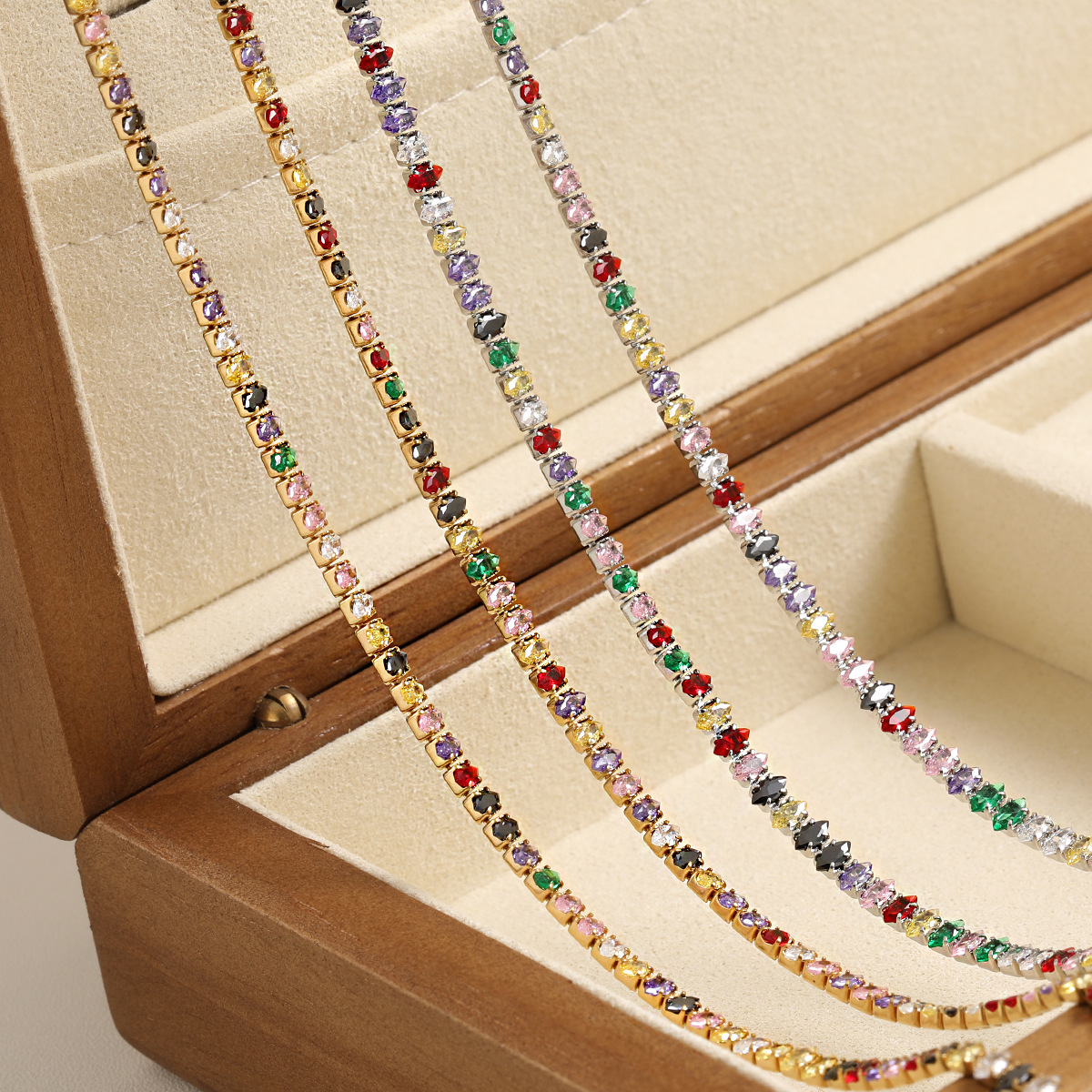
- Individual Compartments: Store each piece separately to prevent scratching. Jewelry boxes with soft-lined compartments are ideal. Chains should be fastened to prevent tangling.
- Avoid Humidity: Store in a cool, dry place. Consider adding silica gel packets to storage areas to absorb moisture.
- Anti-Tarnish Strips: While stainless steel doesn't tarnish like silver, anti-tarnish strips can help absorb environmental pollutants that cause dulling.
- Hang Necklaces: Hanging chains prevents kinks and tangles. A necklace stand or hooks work well.
- Keep Away from Sunlight: Prolonged direct sunlight can fade PVD coatings over time. Store in a closed box or drawer.
- Travel Pouches: Use soft cloth pouches for travel. Avoid tossing jewelry loose in a bag where it can rub against keys, coins, and other hard objects.
- Remove Before Activities: Take off jewelry before exercising, cleaning, swimming, gardening, and sleeping to minimize exposure to damage.
Professional Restoration & Repair
For pieces with significant scratches or worn PVD coating, professional restoration may be worthwhile:
| Service | Cost Range | Turnaround | Best For |
|---|---|---|---|
| Polishing & Buffing | $10 - $30 | 1-3 days | Scratched plain steel pieces |
| PVD Re-Coating | $25 - $60 | 1-2 weeks | Worn gold/black coatings |
| Stone Replacement | $5 - $20 per stone | 3-7 days | Missing or damaged CZ stones |
| Clasp/Chain Repair | $10 - $25 | 1-5 days | Broken clasps, kinked chains |
| Engraving Removal | $15 - $35 | 3-7 days | Removing unwanted engravings |
For wholesale buyers, establishing a relationship with a local jewelry repair shop or offering in-house restoration services can be a profitable add-on. Many customers will pay to restore a favorite piece rather than replace it.
Packaging Care Instructions for Customers
Including care instructions with every purchase adds perceived value and reduces returns from improper care. Here's what to include:
- Printed Card: A small card with basic cleaning instructions (soap & water, dry immediately, avoid chlorine) fits easily in any jewelry box.
- Polishing Cloth: Include a microfiber polishing cloth with every purchase. It's low cost ($0.20-$0.50 wholesale) and encourages proper care.
- Storage Pouch: A branded velvet or microfiber pouch protects jewelry and provides convenient storage.
- Digital Guide: Link to a care guide on your website or send via post-purchase email. Include video demonstrations for complex pieces.
- Warning Labels: For PVD-coated pieces, include a clear warning: "Do not use abrasive cleaners or ultrasonic cleaners."
- Lifetime Care Promise: Offer free cleaning and inspection for life. This builds loyalty and brings customers back to your store regularly.
Frequently Asked Questions
Related Reading
- Stainless Steel Jewelry Care FAQ: Cleaning, Storage, and Longevity — Cleaning, Storage, and Longevity Answered
- Stainless Steel Jewelry Care: Clean, Store & Maintain — Clean, Store & Maintain
- How to Clean and Care for Stainless Steel Jewelry (Wholesale Buyer's Guide) — Factory Direct · Low MOQ · Since 1998
- PVD Gold Plating FAQ: Durability, Care, IP Black, and Wholesale Buying — Physical Vapor Deposition, Durability, Care, IP Black, and Wholesale Buying
316L Grade · Built to Last · Easy Care · 31,000+ Styles
Request Free Wholesale SamplesFactory-Direct Since 1998 · Low MOQ from $150 · Quality Guaranteed
- Company Info
- Feedback
- Customer Reviews
- About Us
- Dropshipping
- FAQ
- Jewelry Wholesale Blog
- User Center
- Forget Password
- My Orders
- Tracking Order
- My Account
- Register
- Payment & Shipping
- Terms And Conditions
- Return Policy
- Shipping Methods
- Payment Methods
- Discount