Stainless Steel Jewelry Care FAQ
Cleaning, Storage, and Longevity Answered
Care Questions We Hear Every Week
One of the best things about stainless steel jewelry is how low-maintenance it is. Unlike silver, which needs regular polishing, or gold-plated pieces that chip and fade, stainless steel just keeps looking good with minimal effort. But "minimal" doesn't mean "zero." There are still things you should know to keep your jewelry looking its best for years.
Over the years, our customers have asked us every care question imaginable. Some are about cleaning methods, some about storage, and some about what you can and can't do while wearing stainless steel jewelry. We've gathered the most common questions here, with straightforward answers based on 25 years of experience making and selling stainless steel jewelry.
Whether you're a wearer who wants to keep your favorite pieces looking new, or a retailer who needs to answer customer questions about care, this guide has you covered.
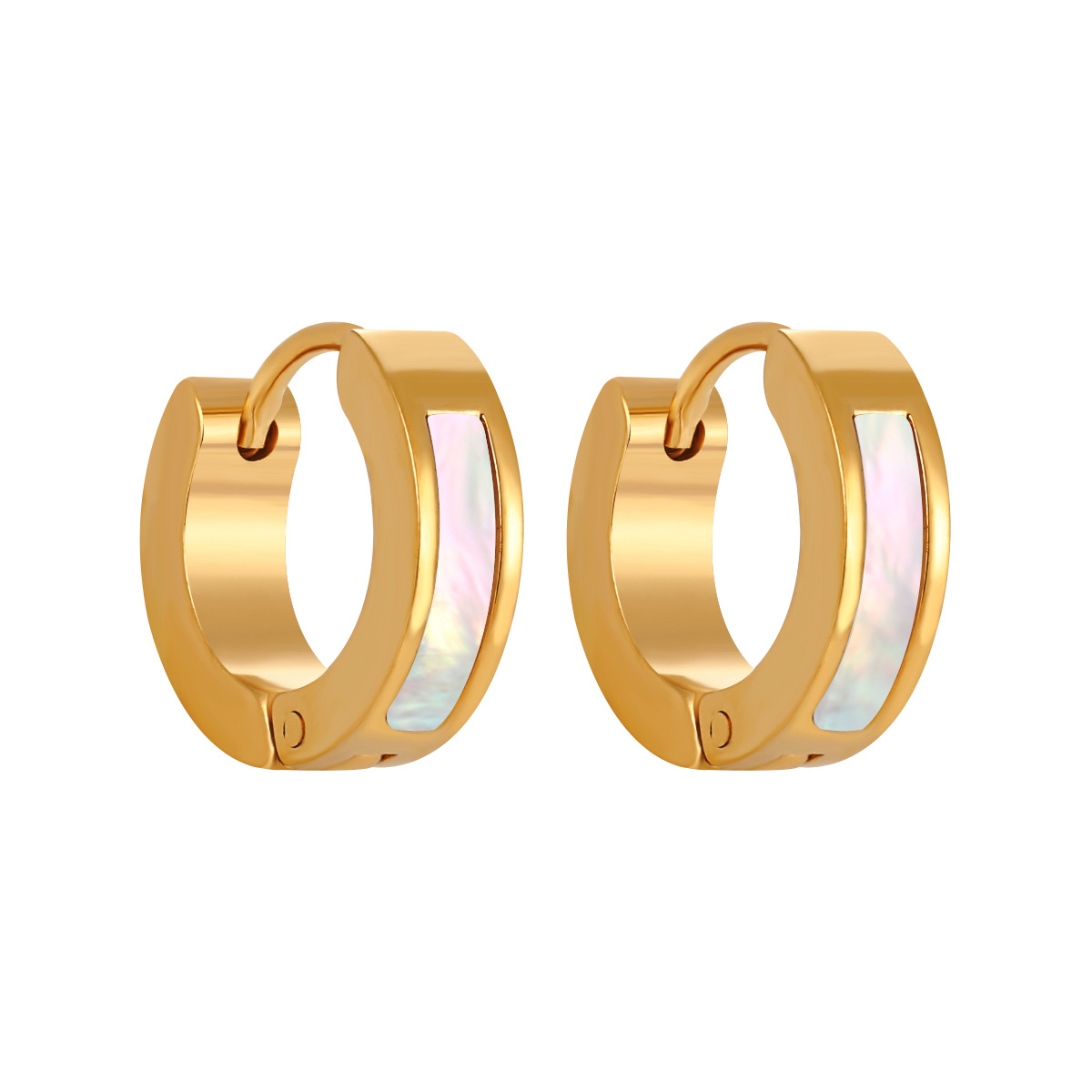
The most important care tip: Don't overthink it. Stainless steel is one of the most durable jewelry materials available. The biggest mistake people make is using harsh cleaners or abrasive cloths that actually damage the finish. Mild soap and warm water is all you need 99% of the time.
Cleaning Questions
What's the best way to clean stainless steel jewelry?
The best method is also the simplest. Fill a bowl with warm water and add a few drops of mild dish soap (the kind you use for washing dishes, not dishwasher detergent). Put your jewelry in the solution and let it soak for 5-10 minutes. Then use a soft-bristled toothbrush or a soft cloth to gently scrub away any dirt or buildup. Rinse thoroughly with clean water and dry immediately with a soft, lint-free cloth. That's it. This method removes body oils, lotion residue, and everyday dirt without damaging the metal or the PVD finish. For pieces with CZ stones, be gentle around the settings, as vigorous scrubbing can loosen stones over time.
Can I use jewelry cleaner on stainless steel?
Most commercial jewelry cleaners are safe for stainless steel, but you need to read the label. Avoid cleaners that contain ammonia, bleach, or abrasives, as these can damage the PVD gold or rose gold finish. Ultrasonic cleaners are generally safe for stainless steel pieces without stones, but we don't recommend them for jewelry with CZ or other gemstones, as the vibrations can loosen the settings. If you're unsure, stick with soap and water, it's effective and completely safe. A jewelry polishing cloth (the kind with polishing compound embedded in the fabric) is great for restoring shine to polished stainless steel pieces.
How do I remove scratches from stainless steel jewelry?
Minor scratches on polished stainless steel can be buffed out with a jewelry polishing cloth or a small amount of metal polish applied with a soft cloth. Rub in the direction of the scratch, not in circles, and apply gentle pressure. For deeper scratches, you may need a professional jeweler with buffing equipment. However, for PVD gold or rose gold pieces, we don't recommend trying to remove scratches at home. The PVD coating is thin, and buffing can wear through it, exposing the stainless steel underneath. For PVD pieces, prevention is the best strategy, store them separately to avoid scratches, and accept that minor wear is normal over time.
Why does my stainless steel jewelry look dull?
Dullness is almost always caused by a buildup of body oils, lotion, perfume, and soap residue on the surface of the jewelry. It's not the metal itself changing color, it's a thin film of gunk covering it. A good cleaning with soap and water will usually restore the shine. If your jewelry still looks dull after cleaning, try a jewelry polishing cloth to restore the luster. If you wear your jewelry every day, we recommend cleaning it once every 2-4 weeks to keep it looking its best. People who wear lotion or perfume regularly may need to clean more often, as these products build up faster.

Wearing and Exposure Questions
Can I shower with stainless steel jewelry on?
Yes, you can shower with stainless steel jewelry. The metal itself won't be damaged by water, soap, or shampoo. However, there are a couple of things to keep in mind. First, some shampoos and conditioners contain oils and silicones that can build up on the jewelry and make it look dull over time. A periodic cleaning will fix this. Second, if your jewelry has CZ stones, the glue holding the stones can be weakened by prolonged exposure to hot water and steam. We don't recommend wearing stone-set jewelry in very hot showers or saunas. For plain metal pieces (chains, bangles, simple rings), showering is completely fine.
Can I swim with stainless steel jewelry?
Yes, stainless steel is safe for swimming. 316L stainless steel is even used in marine applications because it resists corrosion from saltwater. However, there are a few precautions. Chlorine in swimming pools can, over long periods, affect the PVD gold or rose gold finish. If you swim regularly in a heavily chlorinated pool, rinse your jewelry with fresh water afterward. Saltwater is generally fine for stainless steel, but rinse afterward to remove any salt residue. Also, be careful in the ocean, waves can pull jewelry off, and losing a favorite necklace in the surf is a real risk. We recommend taking off valuable pieces before swimming in the ocean.
Can I wear stainless steel jewelry while working out?
Absolutely. In fact, stainless steel is one of the best jewelry materials for workouts because it's sweat-resistant and won't corrode from exposure to perspiration. Unlike copper or brass, which can react with sweat and leave green marks, stainless steel stays clean and unaffected. The only concern is physical damage, heavy lifting or contact sports can scratch or bend jewelry. We recommend taking off rings and bracelets during heavy lifting to avoid scratching the barbell (and your jewelry). Necklaces and earrings are generally fine for most workouts. Just give your jewelry a quick rinse after a particularly sweaty session.
Should I take off my jewelry before applying perfume or lotion?
It's a good habit, but not strictly necessary. Perfume, lotion, and hairspray contain chemicals and oils that can build up on jewelry over time, making it look dull. They can also, in rare cases, affect the PVD finish with prolonged, repeated exposure. The safest practice is to apply perfume and lotion first, let it dry completely (2-3 minutes), then put on your jewelry. This minimizes direct contact. If you forget and spray perfume on your jewelry, just rinse it with water when you get home. It's not an emergency, but over months and years, reducing chemical exposure will help your jewelry last longer.
| Activity | Safe? | Precautions |
|---|
| Showering | Yes | Rinse occasionally to remove soap buildup |
| Swimming (pool) | Yes | Rinse after chlorine exposure |
| Swimming (ocean) | Yes | Risk of losing jewelry in waves |
| Working out | Yes | Remove rings for heavy lifting |
| Sauna / hot tub | Caution | High heat can weaken stone glue |
| Sleeping | Generally yes | Chains can break if pulled |
| Gardening / cleaning | Caution | Chemicals and dirt can scratch |
Storage Questions
How should I store stainless steel jewelry?
The best way to store stainless steel jewelry is in a clean, dry place, with each piece separated to prevent scratching. A jewelry box with individual compartments or a soft pouch works well. For necklaces, hang them or store them flat to prevent tangling. For rings and earrings, use a jewelry tray with individual slots. The key is to avoid piling all your jewelry together in one box, as pieces can scratch each other. Stainless steel is hard, but it's not scratch-proof, and PVD finishes can be scratched by other jewelry. If you're traveling, use a travel jewelry roll with individual pockets for each piece.
Does stainless steel jewelry need to be stored in an airtight container?
No, this is one of the advantages of stainless steel over silver. Silver needs anti-tarnish strips and airtight containers because it reacts with sulfur in the air. Stainless steel doesn't tarnish, so it doesn't need special storage conditions. A regular jewelry box or drawer is fine. The only reason to use an airtight container is if you're storing jewelry for a very long time (months or years) and want to keep it dust-free. For everyday storage, a simple jewelry box is perfectly adequate. Just keep it away from direct sunlight, which can, over very long periods, fade some PVD colors.
How do I prevent necklaces from tangling?
The best way to prevent necklace tangling is to hang them. A necklace stand or a wall-mounted jewelry organizer with hooks keeps each necklace separate and untangled. If you must store them in a box, thread each necklace through a drinking straw (cut to size) before closing the clasp. This keeps the chain straight and prevents tangling. For travel, use a jewelry roll with individual necklace slots, or place each necklace in a separate small plastic bag with the clasp sticking out. Never dump multiple necklaces into one pouch, they will tangle, and untangling them can cause kinks and breakage.
Can I store stainless steel jewelry with other types of jewelry?
Yes, but with caution. Stainless steel is harder than silver, gold, and brass, so it can scratch softer metals if they're stored together in the same compartment. If you store different metals together, use individual pouches or compartments to keep them separate. This is especially important for PVD gold pieces, as the coating can be scratched by harder stainless steel pieces. The general rule: store each piece in its own compartment or pouch, regardless of material. This prevents scratches, tangling, and chemical reactions between different metals.
- Clean regularly: Soap and warm water every 2-4 weeks for daily wear.
- Dry completely: Water spots can leave marks. Dry with a soft cloth.
- Store separately: Each piece in its own compartment to prevent scratches.
- Hang necklaces: Prevents tangling and kinking.
- Avoid harsh chemicals: No bleach, ammonia, or abrasive cleaners.
- Polish occasionally: A polishing cloth restores shine to plain steel pieces.
- Remove for heavy work: Gardening, cleaning, heavy lifting can damage jewelry.
Longevity and Repair Questions
How long will PVD gold plating last?
With normal, everyday wear, PVD gold plating on stainless steel typically lasts 3-5 years before showing any signs of wear. With occasional wear (a few times a week), it can last 5-10 years or more. The key factors are how often you wear it, whether you expose it to harsh chemicals, and how you store it. PVD is much more durable than traditional electroplating, which can wear off in weeks or months. When PVD does eventually wear, it usually happens on high-contact areas like the inside of a ring or the edges of a bracelet, and it wears evenly rather than chipping off in flakes. Even when the gold wears through, the stainless steel underneath still looks good, so the piece remains wearable.
Can a broken stainless steel chain be repaired?
It depends on the type of break. If a clasp breaks, it can usually be replaced by a jeweler. If a link breaks, a jeweler can sometimes solder it, but stainless steel is harder to solder than gold or silver because of its high melting point and the need for specialized equipment. Many local jewelers don't work with stainless steel. For thin chains (under 2mm), repair is often not worth the cost, a new chain is cheaper. For thicker, more expensive chains, it may be worth finding a jeweler who specializes in stainless steel or titanium repair. As a wholesaler, we offer replacement clasps and parts for our customers who need them.
What should I do if a CZ stone falls out?
If a CZ stone falls out, don't panic. This is usually a simple fix. You can take it to a jeweler who can re-glue or re-set the stone for a small fee (usually $10-$20). If you're handy, you can also fix it yourself with jewelry glue (E6000 or a similar jewelry-grade adhesive). Clean the setting thoroughly, apply a tiny amount of glue, place the stone back in position, and let it dry for 24 hours. For prong-set stones, you may need to gently tighten the prongs with small pliers. If you're a retailer, we recommend keeping a small jewelry repair kit on hand for quick fixes, it saves time and keeps customers happy.
Is there anything that will permanently damage stainless steel jewelry?
Yes, a few things can cause permanent damage. The first is harsh chemicals like bleach, oven cleaner, and some industrial solvents. These can etch the surface of the metal and damage the PVD finish. The second is extreme physical force, stainless steel is strong but not indestructible, and heavy impacts can bend rings or break chains. The third is prolonged exposure to very high heat (above 800 degrees Fahrenheit or 425 degrees Celsius), which can discolor the metal. Normal everyday activities, including showering, swimming, and working out, won't damage stainless steel jewelry. Just avoid the three things above and your jewelry will last for years.
Care Tips for Retailers
If you're selling stainless steel jewelry, educating your customers about care is one of the best things you can do for your business. Customers who know how to care for their jewelry are happier customers, and happy customers come back and refer their friends.
We recommend including a small care card with every purchase. It doesn't need to be fancy, just a few simple instructions: clean with soap and water, store separately, avoid harsh chemicals. This takes 30 seconds to include and makes a big difference in perceived quality.
You can also share care tips on social media and in your email newsletter. "How to clean your jewelry" posts consistently get high engagement, and they position you as an expert who cares about your customers beyond the initial sale.
Related Reading
- Stainless Steel Jewelry Care: Cleaning, Maintenance & Longevity Guide — Cleaning, Maintenance & Longevity Guide
- Stainless Steel Jewelry Care: Clean, Store & Maintain — Clean, Store & Maintain
- Stainless Steel Jewelry FAQ: Answers to Your Most Common Questions — Answers to Your Most Common Questions
- Travel Jewelry FAQ: Packing, Security, Airport Rules, and Care — Packing, Security, Airport Rules, Care, and the Best Travel Pieces
316L Surgical Grade · PVD Plating · Low MOQ $150
Request a Sample PackFactory-Direct Since 1998 · 31,000+ Styles · Fast Shipping