Tennis Bracelet FAQ
History, Styles, Sizes, Stones, Stacking, and Wholesale Buying Guide
The Tennis Bracelet Is More Than a Trend
The tennis bracelet has one of the most recognizable histories in jewelry. It earned its name in 1987 when professional tennis player Chris Evert stopped mid-match at the US Open to search for her missing diamond bracelet. The event cemented the style in popular culture, and nearly 40 years later, the tennis bracelet remains one of the most universally flattering pieces of jewelry you can stock.
Today, tennis bracelets come in every width, stone type, and metal finish imaginable. From delicate 2mm stainless steel styles to bold 8mm diamond versions, they are worn stacked alone on the wrist, layered with other bracelets, and passed down as heirlooms. For retailers, tennis bracelets are a reliable seller with broad appeal across ages and styles.
Stainless steel tennis bracelets with cubic zirconia (CZ) stones offer the elegant look of diamond tennis bracelets at a fraction of the price. They are waterproof, hypoallergenic, and will not tarnish, making them ideal for everyday wear. This guide answers the most common questions about tennis bracelets.
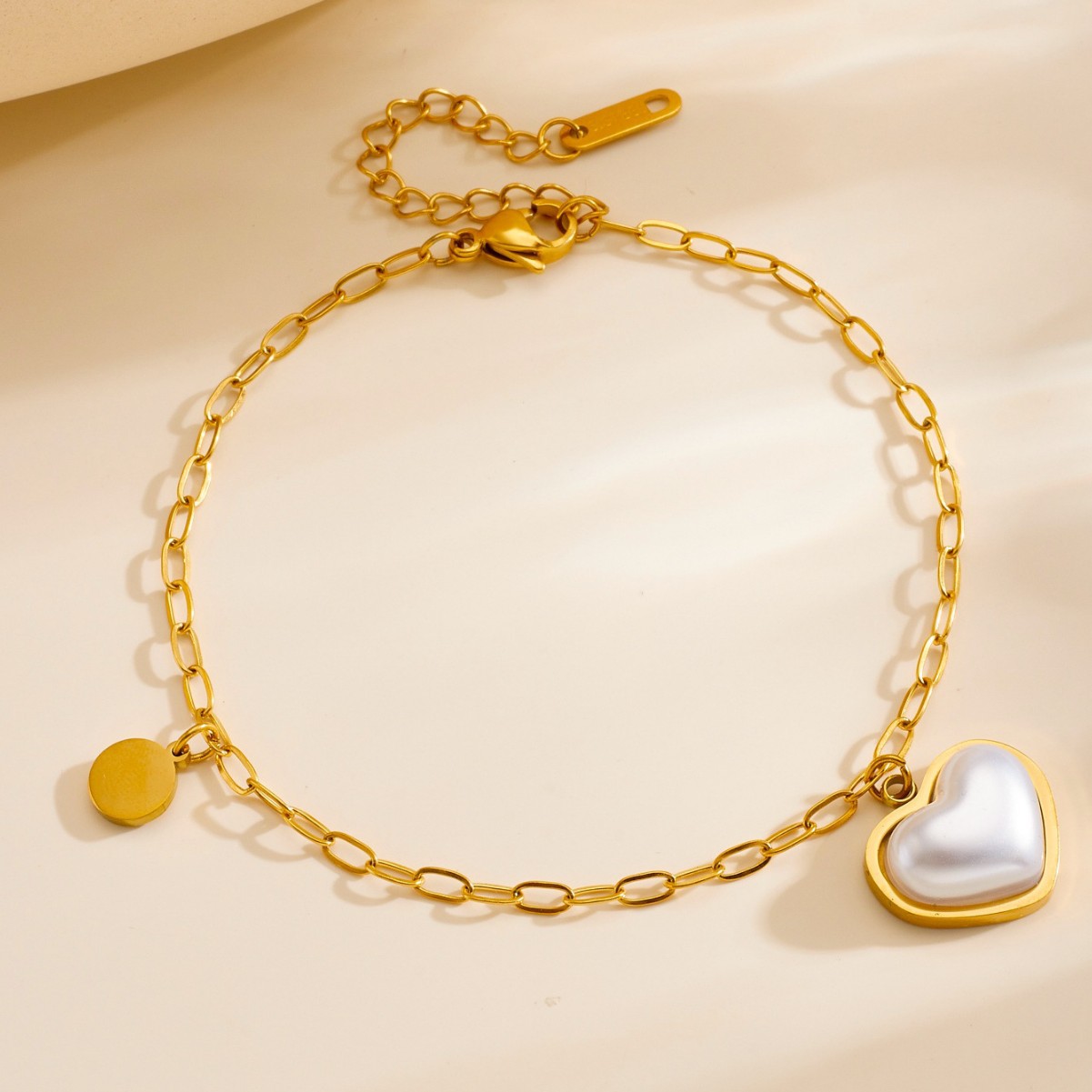
Why tennis bracelets sell: Tennis bracelets are one of the easiest jewelry categories to merchandise because they are instantly recognizable and universally flattering. They work with casual wear, office attire, and evening wear. Stainless steel CZ tennis bracelets retail for $15 to $40, with wholesale costs of $3 to $8, giving retailers 65 to 80% margins. They are also a top gift item for birthdays, anniversaries, Valentine's Day, and graduations.
Style and Stone Questions
What exactly is a tennis bracelet and how is it different from other bracelets?
A tennis bracelet is a flexible, continuous line of individually set stones connected by small links that wrap around the wrist. The defining feature is that the stones form a single, unbroken row around the entire circumference. Here is how it differs from other bracelet styles: (1) Chain bracelets: A simple chain with no stones or a single charm. A tennis bracelet is stone-focused. (2) Bangle bracelets: Rigid, solid bands that do not flex. Tennis bracelets are flexible and adjust to the wrist. (3) Charm bracelets: A chain with multiple decorative charms hanging from it. Tennis bracelets have a clean, linear look. (4) Tennis chains (for necklaces): The same continuous row of stones, but worn as a necklace. The bracelet version is called a tennis bracelet. (5) The classic tennis bracelet uses round brilliant-cut diamonds in four-prong settings, linked together with small gold or platinum connectors. Modern versions use CZ stones, different stone shapes (emerald, oval, pear), and various metals including stainless steel. (6) The beauty of a tennis bracelet is its versatility. It is the one piece of jewelry that works with everything from a white t-shirt to a black-tie gown. This is why it never goes out of style. (7) For retailers, a well-curated tennis bracelet collection should include at least: a delicate 2mm style, a classic 4mm style, a bold 6mm style, and a gold PVD option. This covers every customer preference.
What stone sizes and widths are available, and which sell best?
Tennis bracelets are categorized by stone size, measured in millimeters. Here are the most common widths and their best-selling profiles: (1) 2mm stones: Delicate, minimalist look. Best for everyday wear, layering, and customers with small wrists. Retails $12 to $20. Popular with Gen Z and Millennial buyers. (2) 3mm stones: The sweet spot. Visible enough to make a statement but not bulky. Most versatile size. Retails $15 to $25. The #1 selling width. (3) 4mm stones: The classic tennis bracelet width. This is what most people picture when they think of a tennis bracelet. Retails $20 to $35. (4) 5mm stones: Bold and glamorous. Good for evening wear and customers who want a statement piece. Retails $25 to $45. (5) 6mm to 8mm stones: Very bold, luxury look. These are "dinner party" bracelets. Retails $35 to $80+. Smaller market but high margin. (6) For wholesale buying, stock 3mm and 4mm in the widest variety (gold, silver, rose gold, black). These two sizes cover about 70% of demand. Add 2mm for minimalist customers and 5mm+ for statement shoppers. (7) Stone shapes: Round brilliant is the classic and sells best. Emerald-cut (rectangular) is a growing modern alternative. Pear and oval cuts are niche. (8) The most common mistake is stocking only one width. Customers want options: a delicate 2mm for everyday, a classic 4mm for occasions, and a bold 6mm for nights out. Offering multiple widths increases average order value as customers buy more than one.
Are CZ tennis bracelets a good alternative to diamond?
Cubic zirconia (CZ) tennis bracelets have become incredibly popular because they offer the diamond look at a fraction of the cost. Here is the honest comparison: (1) CZ vs diamond appearance: High-quality CZ is nearly indistinguishable from a diamond to the naked eye. Premium CZ stones have excellent clarity and sparkle. The difference is only visible under magnification or to a trained eye. (2) Price: A 4mm diamond tennis bracelet in 14K gold costs $2,000 to $10,000+. A stainless steel CZ tennis bracelet costs $3 to $8 wholesale and retails for $15 to $35. The value difference is enormous. (3) Durability: CZ is softer than diamond (8.5 on the Mohs scale vs 10 for diamond). Over years of daily wear, CZ can develop tiny scratches that reduce sparkle. Stainless steel setting holds up perfectly, but the stones may need replacement after 3 to 5 years of heavy wear. (4) Security: A diamond tennis bracelet over $1,000 needs insurance and special care. A $25 CZ bracelet can be worn anywhere without worry. This is a major selling point for travelers and active customers. (5) For retailers, CZ tennis bracelets are an easy add-on sale. They are affordable enough that customers buy on impulse, and the stainless steel setting means no tarnish, no green skin, and no special care. (6) Grade of CZ matters. Not all CZ is equal. Look for "premium" or "AAA" CZ that is hand-set and well-cut. Cheap CZ looks cloudy and yellow, which customers notice immediately. Always order samples to check the stone quality. (7) Moissanite is another diamond alternative that is even closer to diamond in appearance (higher refractive index). Moissanite tennis bracelets cost more than CZ ($15 to $40 wholesale) but sell at higher retail prices ($60 to $150). A good addition to a mid-premium tier. (8) The bottom line: CZ tennis bracelets are perfect for everyday wear, fashion, and customers who want the look without the investment. They are not a replacement for a fine diamond heirloom, but they are an excellent and profitable product for fashion jewelry retailers.
| Stone Width | Look | Best For | Wholesale Cost | Retail Price | Demand Share |
|---|
| 2mm | Delicate, minimalist | Everyday, layering, small wrists | $2.50-$5 | $12-$20 | 15% |
| 3mm | Versatile, classic | Everyday, gifting, office | $3-$6 | $15-$25 | 35% |
| 4mm | Iconic tennis bracelet | Special occasions, statement | $4-$8 | $20-$35 | 30% |
| 5mm | Bold, glamorous | Evening, parties | $5-$10 | $25-$45 | 12% |
| 6-8mm | Luxury, showstopper | Events, collectors | $8-$18 | $35-$80+ | 8% |
Sizing, Clasp, and Care Questions
How do tennis bracelets fit and what size should I stock?
Getting the right fit is essential for tennis bracelets: (1) Standard women's tennis bracelet lengths range from 6.5 inches (16.5cm) to 7.5 inches (19cm). The most common size is 7 inches (18cm), which fits about 60% of women. (2) To measure: Wrap a soft measuring tape around the wrist bone (the prominent bone on the outside of the wrist). Add 0.25 to 0.5 inches for a comfortable fit. A tennis bracelet should slide on and off easily without sliding around the wrist. (3) Most quality tennis bracelets come with an extender chain (0.5 to 1 inch) that allows the bracelet to fit multiple sizes. This is the most customer-friendly design and reduces sizing returns. (4) Sizes to stock: (a) 6.5 inches: petite wrists. (b) 7 inches: average, the best-selling size. (c) 7.5 inches: larger wrists. (d) With extender chains, one size covers a wider range. (5) Men's tennis bracelets run 8 to 9 inches (20 to 23cm). The men's market is smaller but growing, especially for 5mm+ bold styles. (6) The most common complaint is a bracelet that is too tight and leaves a mark. When in doubt, size up. A slightly loose bracelet is comfortable; a tight one is unwearable. (7) For online stores, include a wrist measurement guide with every tennis bracelet listing. This reduces returns significantly. (8) Stainless steel tennis bracelets are non-adjustable in length (the stones are set in a fixed chain), so sizing accuracy matters. Unlike bangles that are one-size-fits-all, tennis bracelets need the right length.
What kind of clasp should tennis bracelets have and how do I care for them?
The clasp is the most important functional part of a tennis bracelet: (1) Safety clasp types: (a) Box clasp with safety: The most common and secure. The box fits into a slot and a small safety latch prevents accidental opening. (b) Lobster clasp: Simpler but less secure for tennis bracelets because they can open under tension. (c) Fold-over clasp: A flat, elegant clasp that lies smoothly on the wrist. Popular in premium styles. (2) Always look for tennis bracelets with a safety clasp. A tennis bracelet that comes undone can fall off and be lost. The safety latch adds a second layer of security. (3) When checking samples, open and close the clasp 20 to 30 times. It should feel firm and secure, not flimsy. A good clasp should click shut with confidence. (4) Care for stainless steel CZ tennis bracelets: (a) Clean with warm water, mild soap, and a soft toothbrush to remove lotion and oil buildup from the stones. (b) Dry thoroughly with a soft cloth. (c) Avoid harsh chemicals (chlorine, bleach, perfume, hairspray) which can dull the stones over time. (d) Store separately in a soft pouch or cloth to prevent scratching other jewelry. (e) Stainless steel does not tarnish, so no polishing cloth is needed for the metal. (5) Do not wear tennis bracelets while swimming in chlorinated pools or hot tubs for extended periods. Chlorine can cloud CZ stones over time. (6) If a stone becomes loose, stop wearing the bracelet immediately and have it repaired. A loose stone on a tennis bracelet can fall out and be lost. (7) For retailers, including a small jewelry cloth with each tennis bracelet purchase is a nice touch that encourages customers to clean and care for their piece. It also reduces returns from customers who think a cloudy stone is defective. (8) The 4-second rule: A good tennis bracelet clasp should open with a clear click and require deliberate effort to open. If it opens too easily, it is not secure enough.
How do I style and stack tennis bracelets?
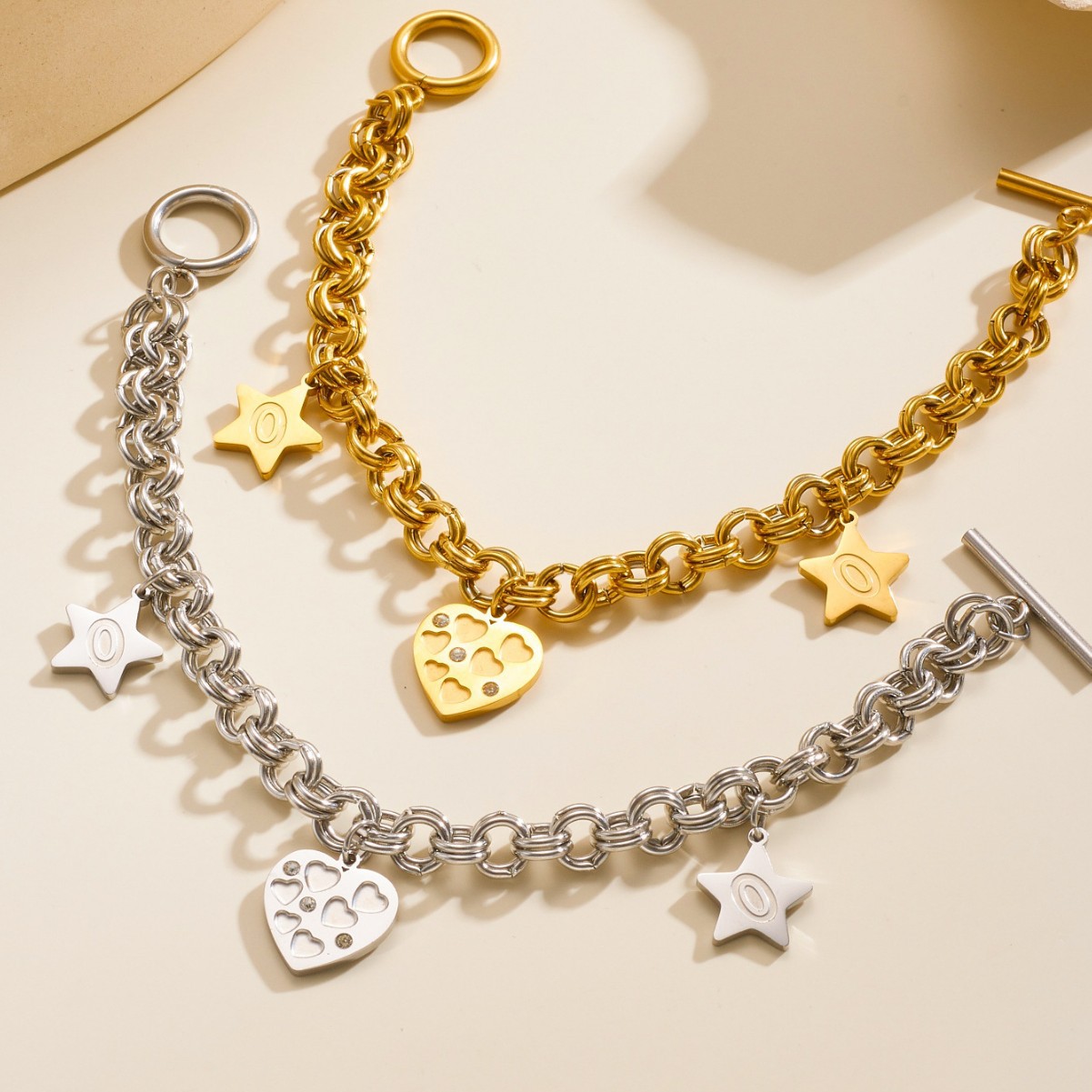
Tennis bracelets are incredibly versatile and work beautifully in stacks. Here are popular styling approaches: (1) Solo: A single classic 4mm tennis bracelet on one wrist is the timeless, elegant look. Perfect for work, events, and everyday wear. (2) Stacked with a watch: Wear a tennis bracelet opposite your watch wrist, or on the same wrist with space between. The contrast of sparkling stones and a metal watch is a classic combination. (3) Tennis bracelet stack: Layer 2 to 3 tennis bracelets of different widths (2mm, 3mm, 4mm) in the same metal finish. This creates a rich, textured look. Mix gold and silver for a modern mixed-metal stack. (4) With chain bracelets: Pair a delicate tennis bracelet with a fine cable chain or paperclip chain. The contrast of sparkle and smooth chain is popular right now. (5) With cuff bangles: A thin tennis bracelet under a thick metal cuff creates an on-trend stacked look. (6) For men: A single 4mm or 5mm black or steel tennis bracelet worn alone is a clean, modern look. Men often prefer no stacking, just one statement piece. (7) Occasion styling: (a) Office: Delicate 2mm or 3mm in silver or gold. Subtle and professional. (b) Evening: Bold 4mm to 6mm, or stacked with other bracelets. (c) Wedding: A diamond-look tennis bracelet is a classic bridal accessory, worn alone or with other bridal jewelry. (8) For retailers, displaying tennis bracelets in stacks on wrist forms is more effective than showing them individually. Customers visualize how they will look when layered. Price the stack as "wear them together" and offer a small discount for buying 2 to 3 bracelets.
Wholesale and Business Questions
How should I price tennis bracelets for retail?
Tennis bracelets have strong margins and clear price tiers: (1) Wholesale cost for stainless steel CZ tennis bracelets ranges from $2.50 for 2mm to $18 for 6-8mm. (2) Retail pricing by width: (a) 2mm: $12 to $20 (wholesale $2.50-$5, margin 60-70%). (b) 3mm: $15 to $25 (wholesale $3-$6, margin 65-75%). (c) 4mm: $20 to $35 (wholesale $4-$8, margin 70-78%). (d) 5mm: $25 to $45 (wholesale $5-$10, margin 70-78%). (e) 6-8mm: $35 to $80+ (wholesale $8-$18, margin 70-80%). (3) The 3-4x markup works well for tennis bracelets because customers perceive them as a higher-value, classic piece. They will pay more for a tennis bracelet than a random chain because they recognize the style and quality. (4) Gold PVD finishes command a 20-30% premium over natural steel. Rose gold PVD is also popular. (5) Create a tiered offering: (a) Entry: 2-3mm silver steel at $15. (b) Mid: 3-4mm gold PVD at $25. (c) Premium: 5-6mm bold styles at $40+. This gives customers options at every budget. (6) Gift box upgrade: Offer a jewelry gift box for an additional $3 to $5. Customers buying tennis bracelets as gifts are happy to pay for nice packaging. (7) Do not underprice tennis bracelets. A $10 tennis bracelet signals cheap quality. Customers expect to pay $15 to $30 for a quality stainless steel CZ tennis bracelet. (8) Tennis bracelets also make excellent add-on sales. A customer buying a necklace might add a matching tennis bracelet at checkout. Train staff to suggest it.
What should I look for when buying tennis bracelets wholesale?
Quality varies widely in tennis bracelets, so inspect samples carefully: (1) Stone setting: Check that every stone is securely set in four prongs. Run your finger over the stones. No prongs should be sharp or bent. Loose prongs are a quality issue. (2) Stone consistency: All stones should be the same size, color, and clarity. Check for cloudy, yellow, or mismatched stones. Premium CZ should be colorless and bright. (3) Chain flexibility: The bracelet should lay flat against the wrist and flex naturally. A stiff or kinked chain indicates poor construction. (4) Clasp quality: Test the clasp 20-30 times. It should click shut firmly and require deliberate effort to open. Check that the safety latch works. (5) Metal finish: Stainless steel should have a smooth, uniform finish. Gold PVD should be even with no spots, streaks, or color variation. (6) Stamp and branding: Quality pieces may be stamped with "316L" or a brand logo. Absence of a stamp is not necessarily bad, but good manufacturers include one. (7) Weight: A quality tennis bracelet should feel substantial but not heavy. If it feels flimsy or extremely light, the chain is thin and may break. (8) Always order samples. Wear them for a week. Check if stones stay secure, the clasp works, and the finish holds up. This $5 to $10 test prevents costly mistakes. (9) For Showfay, the 316L stainless steel tennis bracelet collection in CZ and PVD finishes offers the quality and price point that retailers need. Start with 3mm and 4mm in gold and silver, then expand based on customer demand. (10) The most common defect in cheap tennis bracelets is loose stones. A stone falling off after one wear generates returns and bad reviews. Inspect every piece when it arrives before putting it out for sale.
- Best-selling widths: 3mm (35%) and 4mm (30%) cover most demand. Add 2mm for minimalist and 5mm+ for statement customers.
- CZ vs diamond: High-quality CZ is visually nearly identical to diamond at 5-10% of the cost. Perfect for everyday fashion and gifting. Premium CZ has better clarity than cheap cloudy stones.
- Sizing: 7 inches is standard (60% of customers). 6.5 inches for petite, 7.5 for larger. Extender chains reduce sizing returns.
- Clasp: Box clasp with safety latch is best. Test 20-30 times. Lobster clasps are less secure for tennis bracelets.
- Margins: 65-80% gross margin. Retail $12-$80+ based on width. Gold PVD commands 20-30% premium.
- Styling: Solo, stacked with watch, layered 2-3 widths, mixed metal. Display on wrist forms in stacks.
- Care: Warm soapy water, soft brush, avoid chlorine, store separately. Stainless steel does not tarnish.
- Quality check: Secure four-prong settings, consistent stone color, flexible chain, firm clasp, even PVD finish. Always wear-test samples.
Final Tennis Bracelet Advice
Tennis bracelets are a must-staple category for any jewelry retailer. They are timeless, universally flattering, easy to sell, and carry excellent margins. The key is offering multiple widths and finishes so every customer finds their match, and choosing quality 316L stainless steel with well-set CZ stones.
Whether you sell online or in person, tennis bracelets are impulse-friendly gift items and wardrobe staples. A customer who buys one 3mm bracelet will likely come back for a 4mm gold version the next season. Build the collection slowly, start with the best-selling sizes, and let customer demand guide your expansion.
With stainless steel CZ tennis bracelets, you offer a classic look at an accessible price, with none of the tarnishing or skin irritation that plagues cheaper alternatives. It is a product that makes both you and your customers happy.
Related Reading
- Cuban Link Chain FAQ: Widths, Styles, Gold vs Steel, and Wholesale Guide — Styles, Widths, Lengths, Miami vs Cuban, Gold vs Steel, and Wholesale Buying Guide
- Stainless Steel Bracelets Wholesale: Cuffs, Chains & Bangles Guide — Cuffs, Chains & Bangles Buying Guide
- Stainless Steel Bracelets and Rings FAQ: Sizing, Styles, Stacking, and Care — Sizing, Styles, Stacking, and Care
- Hoop Earrings FAQ: Sizes, Styles, Face Shapes, and Wholesale Buying Guide — Sizes, Styles, Face Shapes, Materials, Stacking, and Wholesale Buying Guide
316L Stainless Steel · Premium CZ · PVD Gold Finishes · Low MOQ $150
Request Bracelet CatalogFactory-Direct Since 1998 · 31,000+ Styles · Fast Shipping