Stainless Steel Bracelets & Rings FAQ
Sizing, Styles, Stacking, and Care
Bracelets and Rings: Common Questions Answered
Bracelets and rings are the jewelry pieces people interact with most throughout the day. You type with rings on, you rest your wrists on desks with bracelets, you wash your hands wearing both. That means customers have a lot of questions about fit, comfort, durability, and styling.
How tight should a bracelet be? Can I resize a stainless steel ring? How many bracelets should I stack? Will a ring turn my finger green? These are the questions we hear every day from customers and retailers alike.
This guide covers the most common questions about stainless steel bracelets and rings, with practical answers based on 25 years of manufacturing experience and real customer feedback.
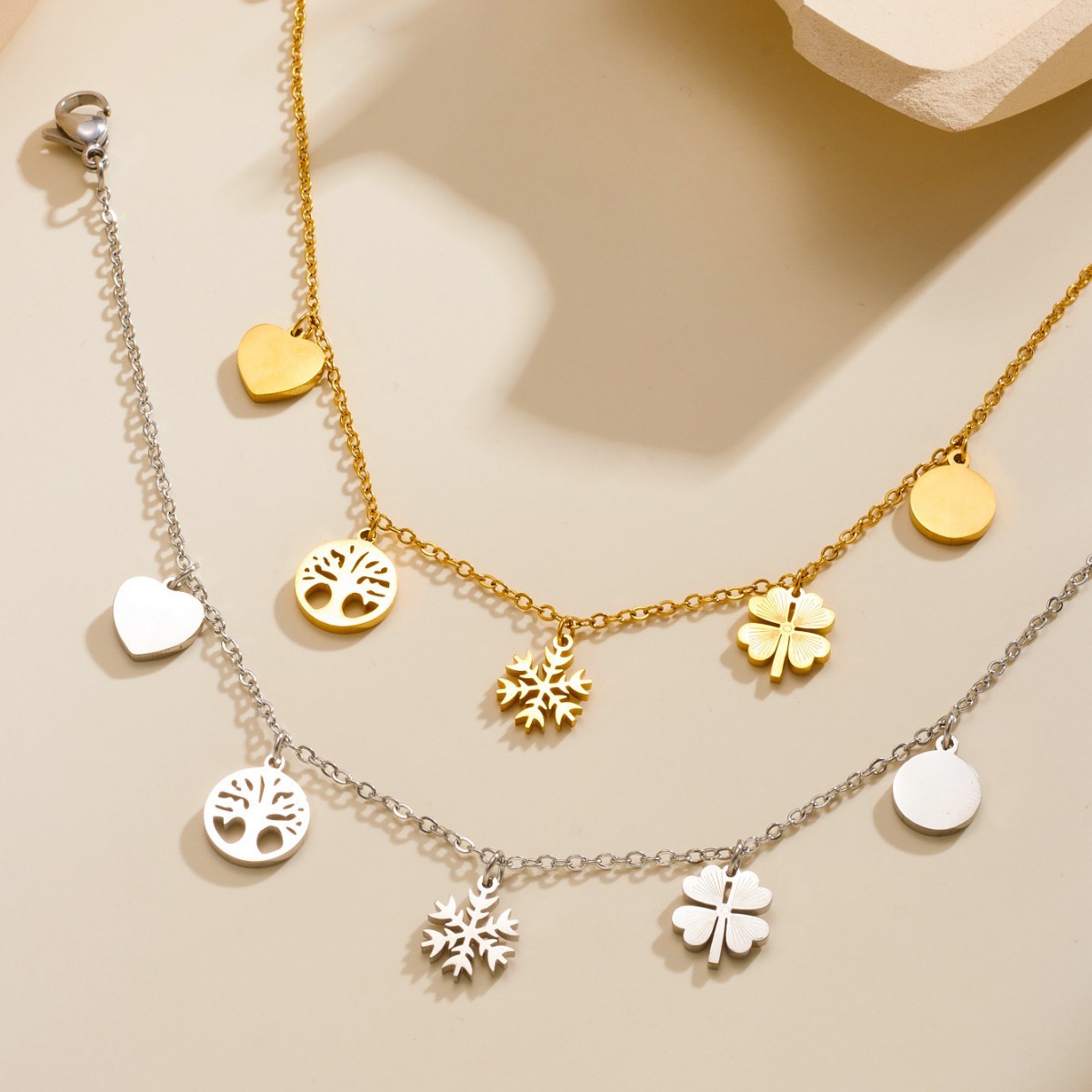
Why bracelets and rings matter: Bracelets and rings have high repeat purchase rates because customers collect them. A customer who buys one bracelet will often come back for more to build a stack. Rings are similar, customers buy multiple rings to wear on different fingers. This makes both categories excellent for building loyal, repeat customers.
Bracelet Style and Sizing Questions
What are the most popular bracelet styles?
The top-selling stainless steel bracelet styles are: (1) Chain bracelets (curb, cable, figaro), about 30% of bracelet sales. They're versatile, unisex, and work for everyday wear. (2) Bangle bracelets, about 20% of sales, especially popular with women for stacking. (3) Cuff bracelets, about 15% of sales, adjustable and statement-making. (4) Beaded bracelets (with natural stones or steel beads), about 15% of sales, very popular for men and bohemian styles. (5) Tennis bracelets (with CZ stones), about 10% of sales, elegant and dressy. (6) Leather and steel combination bracelets, about 10% of sales, popular with men. For a new collection, start with chain bracelets and bangles in both gold and steel. Add cuffs and beaded styles once you know your customer base. The key is to offer a mix of everyday styles and statement pieces.
How do I find my bracelet size?
To find your bracelet size, wrap a soft measuring tape (or a string, then measure it) around your wrist at the wrist bone, where you'd normally wear a bracelet. Add 0.5 to 1 inch to that measurement for a comfortable fit. For example, if your wrist measures 6 inches, a 6.5 to 7 inch bracelet will fit well. The most common women's bracelet size is 7 inches (about 18cm), and the most common men's size is 8 inches (about 20cm). For bangles, the measurement is different, you need to measure the widest part of your hand (across the knuckles) because bangles slide over the hand. A 2.5 inch (63mm) diameter bangle fits most women, and 2.75 inches (70mm) fits most men. For retailers, stocking 7-inch and 8-inch chain bracelets covers about 80% of customers. Bangles in 63mm and 70mm diameters cover most hand sizes.
How tight should a bracelet fit?
A properly fitting bracelet should be snug but not tight. You should be able to slide one or two fingers between the bracelet and your wrist. If a bracelet is too tight, it can be uncomfortable, restrict circulation, and make your wrist look larger. If it's too loose, it can slide up and down your arm, catch on things, and even fall off. For chain bracelets with extension chains, customers can adjust the fit to their preference. For bangles, the fit is fixed, so getting the right size is important, a bangle should slide over your hand with a little resistance but not be so tight that it hurts. Cuff bracelets are adjustable, so customers can gently squeeze or pull them to get the perfect fit. For retailers, offering bracelets with 1-2 inch extension chains significantly reduces size-related returns.
What's the difference between a bangle and a cuff bracelet?
Bangles are rigid, circular bracelets that slide over the hand. They have no opening and come in fixed sizes. They're typically worn in multiples (stacked) and have a classic, elegant look. Cuff bracelets are open-ended, rigid bracelets that you squeeze onto your wrist. They're adjustable because you can gently bend them to fit different wrist sizes. Cuffs tend to be wider and more statement-making than bangles. Both are popular, but bangles sell better for women's everyday and stacking looks, while cuffs are more unisex and work well as statement pieces. For retailers, we recommend stocking both: 2-3 bangle styles in gold and steel for stacking, and 1-2 cuff styles for customers who want something bolder or need an adjustable fit.
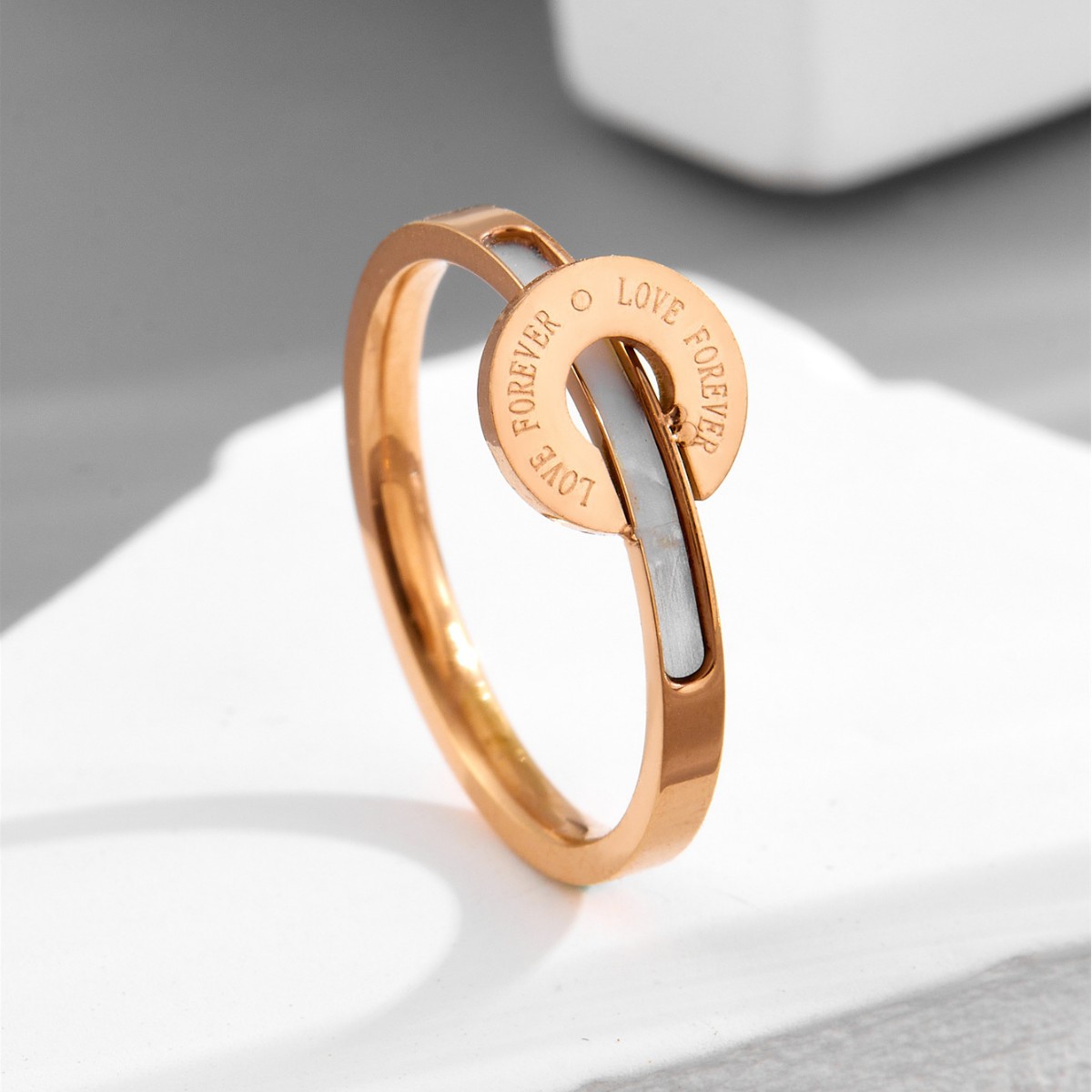
Ring Style and Sizing Questions
What are the most popular ring styles?
The top-selling stainless steel ring styles are: (1) Simple bands (plain, 2-4mm wide), about 25% of ring sales. They're unisex, stackable, and never go out of style. (2) Signet rings, about 20% of sales and growing fast, popular with both men and women for a personalized look. (3) CZ rings (solitaire, halo, eternity bands), about 18% of sales, popular for dressy and promise ring occasions. (4) Stackable rings (thin bands with small stones or textures), about 15% of sales, customers buy 3-5 at a time. (5) Wedding bands (4-6mm plain or CZ), about 12% of sales, steady year-round. (6) Fashion rings (large stones, unique shapes), about 10% of sales, trend-driven. For a new collection, start with simple bands and signet rings in sizes 6-10 (women) and 8-12 (men). Add CZ and stackable rings once you have a base. Rings are the most size-sensitive jewelry category, so stocking a range of sizes is essential.
How do I find my ring size at home?
There are a few ways to find your ring size at home. Method 1: If you have a ring that fits well, measure the inside diameter with a ruler and compare to a ring size chart. A US size 7 ring has an inside diameter of about 17.3mm. Method 2: Wrap a thin strip of paper or string around your finger, mark where it overlaps, measure the length in millimeters, and compare to a ring size chart. Method 3: Print a ring size chart from the internet and place rings over the circles to find the match. Important tips: measure at the end of the day when fingers are at their largest, measure in warm temperatures (fingers shrink in the cold), and if you're between sizes, go with the larger size. For wide bands (6mm+), go up half a size because wide bands fit tighter. For retailers, keeping a ring sizer tool ($5-$10) in the store or including a free paper sizer with online orders significantly reduces size-related returns.
Can stainless steel rings be resized?
Generally, no. Stainless steel is very hard and has a high melting point, which makes resizing difficult and expensive. Most local jewelers don't resize stainless steel rings because their soldering equipment isn't designed for it. Some specialty jewelers can resize stainless steel, but the cost ($30-$50) is often more than the ring itself. For this reason, it's important to get the right size from the start. For retailers, we recommend: (1) Stock a range of sizes (5-12 for women, 7-14 for men) so customers can find their fit. (2) Offer free exchanges for wrong sizes, this builds trust and reduces customer frustration. (3) Include sizing information on your website and in-store. (4) For rings with stones, resizing is even harder because the heat can damage the stones. If a customer needs a different size, exchanging is almost always cheaper and easier than resizing.
Will a stainless steel ring turn my finger green?
No, quality 316L stainless steel rings will not turn your finger green. The green discoloration people sometimes get from rings is caused by copper or other base metals in cheap costume jewelry reacting with skin acids and sweat. 316L stainless steel contains no copper in contact with the skin, and the chromium oxide layer prevents corrosion. If a customer reports a green finger from a "stainless steel" ring, it's likely made from a cheaper grade (201 stainless) or is actually brass or zinc alloy with a thin coating. All of our rings are made from 316L surgical-grade stainless steel, and we've never had a customer report green skin. This is one of the biggest selling points of stainless steel rings over fashion rings, and it's worth emphasizing to customers who've had bad experiences with cheap jewelry.
| Category | Most Popular Size | Size Range to Stock | Wholesale Price | Retail Price |
|---|
| Women's bracelet | 7" (18cm) | 6.5" - 8" | $2 - $6 | $15 - $30 |
| Men's bracelet | 8" (20cm) | 7.5" - 9" | $3 - $8 | $18 - $38 |
| Bangle (women) | 63mm diameter | 60 - 67mm | $2 - $5 | $15 - $28 |
| Women's ring | US 7 | 5 - 10 | $1.50 - $5 | $12 - $28 |
| Men's ring | US 10 | 7 - 14 | $2 - $7 | $15 - $35 |
| Wedding band | US 7 (W), 9 (M) | 5 - 13 | $3 - $8 | $20 - $40 |
Stacking and Styling Questions
How many bracelets should I stack at once?
Three to five bracelets is the ideal stack for most looks. Three bracelets creates a simple, curated look that works for everyday. Five bracelets is bolder and more fashion-forward. More than five can look cluttered and be uncomfortable, especially if they're all chunky. The key to a good stack is variety: mix different styles (a chain, a bangle, a beaded bracelet), different widths (thin and thick), and different textures (smooth and textured). Avoid stacking five identical bracelets, it looks like a uniform, not a curated look. For retailers, pre-curated bracelet stacks (sold as a set of 3) are very popular and have higher margins than individual bracelets. A set that costs $8-$12 wholesale can retail for $35-$50. Display them stacked on a bracelet bust so customers can see how they look together.
How do I stack rings without looking overdone?
Ring stacking is about balance and restraint. The most popular look is 2-3 rings on one hand, spread across different fingers. A statement ring on the middle finger, a simple band on the index finger, and a thin stackable ring on the ring finger. Or a stack of 2-3 thin bands on one finger. Avoid wearing rings on every finger, it looks cluttered. Mix metals if you want, that's on-trend. Mix stone sizes, one larger CZ ring with smaller simple bands. The general rule: one statement ring per hand, the rest should be simpler. For retailers, selling ring stacks (sets of 2-3 coordinating rings) is a great way to increase average order value. A set that costs $4-$6 wholesale retails for $25-$35. Display them on a ring hand display so customers can see the stacked look.
Can I wear bracelets and rings on the same hand?
Yes, but there are a few things to consider. If you're wearing a statement ring and a statement bracelet on the same hand, they can compete for attention. A better approach is to balance: if you wear a bold bracelet, keep rings simple, and vice versa. Also, bracelets and rings can scratch each other if they're both hard metals and rub together constantly. This is more of a concern with bracelets that slide down to the hand (loose bangles) and rings on the same hand. If you wear a tight-fitting bracelet (cuff or snug chain), it won't rub against rings. For everyday wear, most people wear bracelets on one wrist and rings on the opposite hand to avoid this issue. But there's no hard rule, wear what makes you feel good. For retailers, showing complete looks (bracelet + rings + necklace) in your displays encourages customers to buy multiple pieces.
- Bracelet sizes: 7" for women, 8" for men. Stock both.
- Ring sizes: Women 6-8 (most popular 7), men 9-11 (most popular 10).
- Stack bracelets: 3-5 pieces, mix styles, widths, and textures.
- Stack rings: 2-3 per hand, one statement + simple bands.
- Stainless rings: Cannot be resized. Stock a range of sizes.
- No green fingers: 316L is safe. Emphasize this to customers.
- Sets sell: Pre-curated bracelet stacks and ring sets increase AOV by 30-50%.
Care and Durability Questions
Can I wear stainless steel bracelets and rings in the shower?
Yes, 316L stainless steel is safe to wear in the shower, swimming pool, and ocean. The metal won't rust, tarnish, or corrode. However, there are practical considerations. Rings can slip off in the shower if your fingers get slippery, especially if the ring is slightly loose. We recommend taking rings off before showering to avoid losing them down the drain. Bracelets are safer, but loose bangles can slip off wet wrists. PVD gold and rose gold finishes can be affected by harsh soaps and chlorine over long periods, so rinse jewelry after swimming in heavily chlorinated pools. For bracelets with CZ stones, avoid prolonged soaking as water can loosen stone settings. The bottom line: stainless steel can handle water, but common sense about losing slippery jewelry applies.
How do I clean stainless steel bracelets and rings?
Cleaning is simple. Mix warm water with a few drops of mild dish soap. Use a soft toothbrush to gently scrub the jewelry, getting into crevices and around stones. Rinse with clean water and dry thoroughly with a soft cloth. For extra shine on plain metal pieces, use a jewelry polishing cloth. For rings with CZ stones, be gentle around the settings and avoid soaking. For bracelets with moving parts (chains, clasps), make sure to get into the links where dirt and oils accumulate. Avoid harsh chemicals like bleach, ammonia, or abrasive cleaners, which can damage PVD finishes. We recommend cleaning bracelets and rings every 2-4 weeks for daily wear. A quick clean takes 2 minutes and keeps jewelry looking new. For retailers, including a small care card with each purchase adds perceived value and keeps customers happy.
Will PVD gold plating on bracelets and rings wear off?
PVD gold plating is very durable and typically lasts 3-5 years with everyday wear. On rings, the plating wears faster on the inside of the band (where it rubs against the finger) and on high-contact areas. On bracelets, it wears on the inside of the band and on the clasp. But because PVD bonds at the molecular level, it wears evenly rather than chipping or flaking. Even when the gold wears through, the stainless steel underneath still looks good, so the piece remains wearable. To extend the life of PVD plating, avoid harsh chemicals, remove jewelry before heavy exercise or manual labor, and store pieces separately to prevent scratching. For customers who want maximum durability, polished stainless steel (no plating) will never change color or wear off.
Wholesale Buying Questions
How many bracelets and rings should I order initially?
For bracelets, start with 20-30 pieces across 8-10 styles. Buy 2-3 pieces of each style. Focus on: 3 chain bracelet styles (curb, cable, figaro in 7" and 8"), 2 bangle styles (gold and steel), 1 cuff style, and 2 beaded or leather styles. For rings, start with 25-40 pieces because you need multiple sizes per style. For each ring style, buy sizes 6-10 for women (1 of each size) and 8-12 for men (1 of each size). Start with 3-4 ring styles: 1 simple band, 1 signet ring, 1 CZ ring, 1 stackable ring set. Total first order: about 50-70 pieces (bracelets + rings) for $150-$300. After 6-8 weeks, reorder your top sellers in larger quantities. Rings need more inventory because of size variation, so budget accordingly.
What's the profit margin on bracelets and rings?
Both categories have strong margins at 4-6x markup. Bracelets that cost $2-$6 wholesale retail for $15-$35. Rings that cost $1.50-$7 wholesale retail for $12-$38. After expenses, net profit is typically 25-35%. The advantage of bracelets and rings over necklaces is that customers buy multiples. A customer buying a bracelet stack might spend $40-$60 in one visit. A customer buying rings might buy 2-3 at once. This makes the average order value higher than it first appears. To maximize profit, sell curated sets (bracelet stacks, ring stacks) rather than individual pieces. A 3-bracelet set that costs $8 wholesale retails for $38-$48, giving you higher total revenue and profit than selling three bracelets individually. Bundle pricing encourages customers to spend more.
How do I handle ring size exchanges?
Ring size exchanges are inevitable, even with good sizing guidance. Here's how to handle them efficiently. First, make your exchange policy clear and customer-friendly: "Free size exchanges within 30 days, no questions asked." This builds trust and actually reduces returns because customers feel safe buying. Second, stock a range of sizes so you can exchange quickly. Third, include a free paper ring sizer with every ring order, this reduces wrong-size purchases by about 30%. Fourth, when a customer requests an exchange, send the new size right away and include a prepaid return envelope for the wrong size. This creates a great customer experience. Fifth, track which sizes are exchanged most often, if size 7 is frequently exchanged for 8, you might be sizing your rings small. With good systems in place, ring size exchanges become a minor cost of doing business, not a headache.
Final Tips
Bracelets and rings are categories that build repeat customers. People collect them, stack them, and come back for more. The key to success is stocking the right sizes, offering curated stacks, and making exchanges easy.
For bracelets, focus on 7-inch and 8-inch sizes, offer a mix of chains, bangles, and cuffs, and sell pre-curated stacks. For rings, stock a full size range, include sizing tools with orders, and make exchanges hassle-free.
And remember, stainless steel's durability and hypoallergenic properties are major selling points. Customers who've had bad experiences with cheap jewelry that turns green or irritates skin are willing to pay more for quality stainless steel pieces that last. Emphasize these benefits in your marketing and product descriptions.
Related Reading
Shop Bracelets & RingsBangles · Cuffs · Bands · Signets · Low MOQ $150
Request a Sample PackFactory-Direct Since 1998 · 31,000+ Styles · Fast Shipping