Starting a Jewelry Business FAQ
Licenses, Startup Costs, Markup, Inventory, Suppliers, and First-Year Survival Guide
Starting a Jewelry Business Is Easier Than You Think
The jewelry industry is one of the most accessible retail businesses to start. Low startup costs, high margins, and strong consumer demand make it attractive to first-time entrepreneurs. Whether you want to open an online store, a boutique, or sell at local markets, the fundamentals are the same: source quality products at the right price, present them well, and build a loyal customer base.
Stainless steel jewelry is particularly well-suited for new businesses because it is affordable to source, durable, hypoallergenic, and does not require the capital investment of fine gold or diamond jewelry. With a wholesale minimum order as low as $150, you can launch a complete jewelry collection for less than the cost of a laptop.
This guide answers the most common questions from aspiring jewelry business owners, based on real data from successful retailers and industry benchmarks.
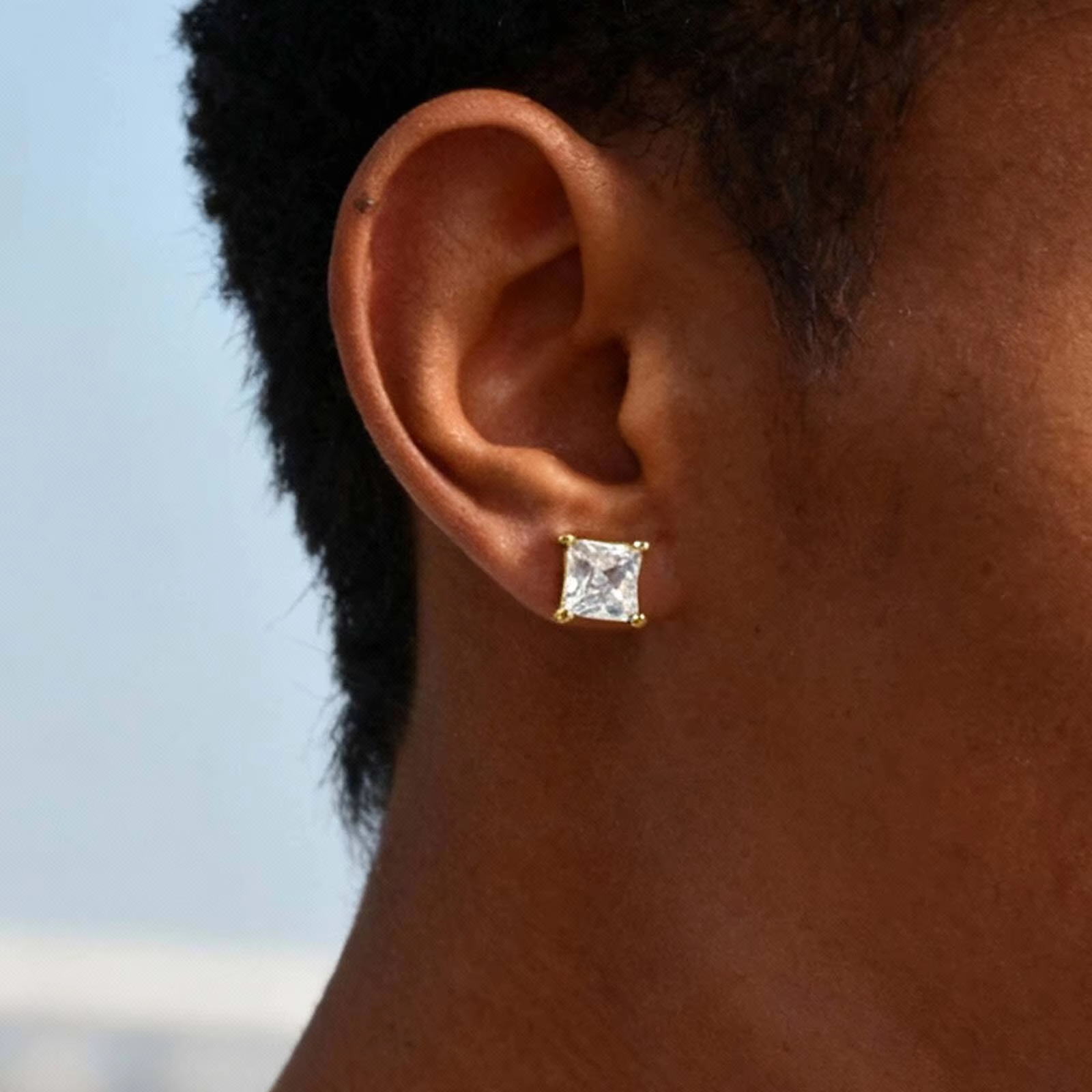
Realistic startup costs: A curated resale or wholesale jewelry business can start with $2,000 to $5,000 for an online-only store, or $10,000 to $50,000 for a physical boutique. The biggest variable is inventory. With stainless steel jewelry at $1 to $5 per piece wholesale, $500 buys 100 to 500 pieces, enough to launch a well-stocked online store. Many successful jewelry brands started with under $1,000 in initial inventory and reinvested profits to grow.
Legal and Setup Questions
What licenses and permits do I need to sell jewelry?
The legal requirements vary by location, but here is what most jewelry businesses need: (1) Business license: Most cities and counties require a general business license, costing $50 to $150 per year. This registers your business with the local government. Some areas call it a business tax certificate. (2) Seller's permit or sales tax permit: Required in most US states to collect sales tax from customers. Usually free or nominal cost ($10 to $50). You apply through your state's department of revenue or tax agency. This is essential because without it, wholesalers may not sell to you at wholesale prices. (3) Resale certificate: Also called a reseller's permit or wholesale certificate. This allows you to buy inventory without paying sales tax, because you will collect tax when you resell the items. Most wholesalers, including Showfay, require a resale certificate or tax ID to establish a wholesale account. (4) DBA (Doing Business As): If you operate under a name different from your legal name, you need to register a DBA. Costs $10 to $100 depending on the county. (5) LLC or corporation: Not required to start, but recommended once your revenue reaches $10,000 to $20,000 per year. An LLC costs $100 to $300 to form and protects your personal assets from business liabilities. (6) Federal EIN (Employer Identification Number): Free from the IRS. Needed if you form an LLC, hire employees, or open a business bank account. You can apply online in minutes. (7) For online sellers: You may need to collect sales tax in states where you have economic nexus (usually $100,000 in sales or 200 transactions per year). Platforms like Shopify and Etsy can automate this. (8) For selling at craft fairs and farmers markets: Many events require a temporary vendor's permit per event ($10 to $50) and proof of business license and insurance. (9) For selling fine jewelry (gold, diamonds): Some states require a secondhand dealer license if you buy jewelry from the public. Check your local regulations. (10) The practical order: Start with a business license and seller's permit (you can get both in a week or two for under $200). Use your social security number initially if you are a sole proprietor. Form an LLC after you are consistently making sales. (11) For international sellers: Requirements vary widely. In the UK, you need to register with HMRC and may need a VAT number if revenue exceeds the threshold. In the EU, VAT registration is required in most countries. Check your local government's business portal.
How much money do I need to start a jewelry business?
Startup costs depend heavily on your business model. Here are realistic ranges for 2026: (1) Online-only store (Shopify/Etsy/Amazon): (a) Inventory: $300 to $1,500 (with stainless steel at $1-5/piece, this is 60 to 1,000 pieces). (b) Website: $0 to $40/month (Etsy is free to list, Shopify is $39/month). (c) Packaging: $50 to $200 (jewelry boxes, bags, tissue paper, business cards). (d) Photography: $0 to $300 (phone camera + natural light works; a light box is $30 to $80). (e) Business license and permits: $50 to $200. (f) Marketing: $100 to $500 for initial ads and social media. (g) Total: $500 to $2,500. (2) Home-based / craft fair business: (a) Inventory: $300 to $1,000. (b) Display setup: $100 to $400 (jewelry stands, tablecloth, lighting, mirror). (c) Event fees: $50 to $300 per event. (d) Packaging: $50 to $150. (e) Total: $500 to $2,000. (3) Physical boutique or kiosk: (a) Inventory: $5,000 to $20,000 (need depth and variety). (b) Build-out and fixtures: $3,000 to $15,000 (display cases, lighting, shelving). (c) Rent deposit: $2,000 to $10,000 (varies by location). (d) Licenses and insurance: $500 to $2,000. (e) POS system: $500 to $2,000. (f) Marketing grand opening: $500 to $3,000. (g) Working capital (3 months operating expenses): $5,000 to $20,000. (h) Total: $15,000 to $70,000. (4) The most common mistake new jewelry business owners make is underbuying inventory. A sparse selection does not attract customers. For an online store, aim for at least 50 to 100 distinct SKUs at launch. For a physical store, 300+ SKUs. (5) The good news: stainless steel jewelry has low per-unit cost, so your inventory dollar goes further. $1,000 in stainless steel buys roughly 200 to 1,000 pieces, compared to 10 to 50 pieces in fine gold jewelry. (6) Keep 3 to 6 months of operating expenses as a cash reserve. Most new businesses do not become profitable for 3 to 6 months, and unexpected costs always arise. (7) You can start small and reinvest. Many successful jewelry brands started with $500 to $1,000 in inventory, sold at local markets and online, and grew by reinvesting every dollar of profit for the first year.
Do I need insurance for my jewelry business?
Insurance is often overlooked by new jewelry businesses but is important: (1) Business liability insurance: Covers accidents and injuries related to your business. For an online business, a basic policy costs $20 to $40 per month. For a physical store, $50 to $150 per month. Many craft fairs and markets require proof of liability insurance. (2) Inventory insurance: Covers loss or damage to your jewelry inventory. For online sellers with inventory under $5,000, this may be covered by a rider on your homeowner's or renter's insurance (call your insurer to check). For larger inventory or a physical store, a business property policy is needed, costing $30 to $100 per month. (3) Shipping insurance: If you ship jewelry, insure packages over $50. Most carriers offer shipping insurance for $1 to $3 per $100 of value. This is cheap protection against lost or damaged packages, which happen to every online seller eventually. (4) For fine jewelry (gold, diamonds over $1,000), specialized jewelry insurance is recommended. Companies like Jewelers Mutual and BriteCo offer coverage tailored to jewelry businesses, including transit insurance and show coverage. (5) If you have employees, workers compensation insurance is required by law in most states. (6) For stainless steel fashion jewelry, the insurance needs are simpler because the per-piece value is low. A general liability policy plus inventory coverage is usually sufficient. (7) When starting out, you can delay some insurance costs, but liability insurance should be in place before your first sale or craft fair. It is cheap protection against a potentially business-ending lawsuit. (8) Keep detailed inventory records with photos and values. This makes insurance claims much easier if you ever need to file one.
| Business Model | Startup Cost Range | Inventory Needed | Time to First Sale | Best For |
|---|
| Etsy / Online Marketplace | $300-$1,000 | 30-80 SKUs | 1-4 weeks | Beginners, side hustle |
| Shopify / Own Website | $500-$2,500 | 50-150 SKUs | 1-3 months | Brand building, scaling |
| Craft Fairs / Markets | $500-$2,000 | 50-100 SKUs | Day 1 (at event) | Local customer base, cash sales |
| Social Commerce (IG/TikTok) | $300-$1,500 | 30-80 SKUs | 2-8 weeks | Trend-driven, younger audience |
| Physical Boutique | $15,000-$70,000 | 300+ SKUs | 1-3 months | Established entrepreneurs, local market |
| Pop-up / Kiosk | $3,000-$10,000 | 100-200 SKUs | Day 1 | Testing location, seasonal |
Pricing and Profit Questions
How should I price my jewelry for maximum profit?
Pricing is the most important decision for profitability. Here is how successful jewelry retailers do it: (1) Standard markup formula: Wholesale cost times 2.5 to 4 for fashion jewelry. A piece that costs you $3 wholesale retails for $8 to $12. This is the keystone markup (2x) plus a premium for fashion and branding. (2) Industry benchmarks: (a) Online-only stores: 2.2x to 3x landed cost (product + shipping + packaging). (b) Brick-and-mortar boutiques: 2.8x to 3.5x (must cover rent, staff, utilities). (c) High-touch / private label: 3.5x to 5x (includes branding, curation, customer experience). (3) Gross margin targets: 55% to 70% is healthy for a jewelry retail business. Below 50% is difficult to sustain after accounting for marketing, shipping, and overhead. Above 70% may indicate you are overpriced and leaving sales on the table. (4) The formula to calculate retail price: Retail Price = (Product Cost + Shipping Cost + Packaging Cost) divided by (1 minus Desired Gross Margin). Example: Product cost $3, shipping $0.50, packaging $0.50 = $4 total cost. For 65% margin: $4 divided by (1 - 0.65) = $4 divided by 0.35 = $11.43. Round to $11.99 or $12. (5) Psychological pricing: End prices in .99 or .95 ($12.99, not $13.00). Price in tiers: $9.99, $14.99, $19.99, $24.99. Avoid prices between tiers ($11.50, $17.25) because they confuse customers. (6) Do not compete on price alone. If you are the cheapest, customers will always find someone cheaper. Compete on selection, quality, service, and brand. A customer who pays $15 for a stainless steel necklace from a curated boutique is happier than one who pays $5 for a random piece from a discount store. (7) Volume discount strategy: Offer "buy 2, get 15% off" or "free shipping over $35" to increase average order value. The additional revenue from larger orders more than compensates for the discount. (8) Review pricing every 6 months. If a style sells out in under 2 weeks, you can probably raise the price 10 to 20%. If a style sits for 3 months, it is overpriced or out of fashion, so mark it down. (9) The biggest pricing mistake new sellers make is underpricing because they feel guilty charging "so much" for something that cost $3. Remember that the $3 product cost is only part of what the customer pays for. They are paying for your curation, your photography, your customer service, your packaging, and the convenience of buying from you. All of that has value.
How much can a jewelry business realistically earn in the first year?
First-year revenue varies enormously based on effort, model, and marketing. Here are realistic ranges: (1) Side hustle / part-time (5-10 hours/week): $2,000 to $15,000 in annual revenue. Profit after expenses: $500 to $5,000. This is typical for Etsy sellers and weekend craft fair vendors. (2) Full-time online store (30-40 hours/week): $20,000 to $80,000 in annual revenue. Profit: $8,000 to $30,000. This requires consistent marketing, good product selection, and customer service. (3) Established online brand (after year 2): $80,000 to $300,000+ annually. Profit margins of 15 to 30% after all expenses. (4) Physical boutique: $100,000 to $500,000+ annually, but with much higher overhead (rent, staff, utilities). Net profit is often 5 to 15% of revenue. (5) The curated resale model specifically: Earning potential of $200 to $2,500 per month for active sellers, according to industry data. Social commerce (TikTok/Instagram) can reach $400 to $4,000 per month. (6) These are not get-rich-quick numbers. Most jewelry businesses take 6 to 12 months to reach consistent monthly sales of $1,000+. The first 3 months are usually slow while you build inventory, learn marketing, and find your audience. (7) The key drivers of first-year success are: (a) Product selection (this is 50% of success). (b) Consistent marketing (posting 3-5 times per week on social media). (c) Customer service (fast responses, easy returns, personal touches). (d) Reinvesting profits into more inventory and better marketing. (8) Do not quit your day job until your jewelry business consistently earns at least 75% of your salary for 6 consecutive months. Many successful jewelry brands were side hustles for 1 to 2 years before becoming full-time. (9) Track every expense and sale from day one. Use a simple spreadsheet or accounting software (QuickBooks, Wave, or even Excel). Knowing your real profit margin is essential for making good decisions. (10) The most profitable jewelry businesses are not the ones with the highest revenue; they are the ones with the best inventory turnover and expense control. A $50,000/year business with 40% net profit is better than a $200,000/year business with 5% net profit.
How do I find reliable wholesale suppliers?
Your supplier determines your product quality, pricing, and ultimately your business success. Here is how to find and evaluate suppliers: (1) Start with established wholesale platforms: (a) Showfay (316L stainless steel jewelry, factory-direct since 1998, $150 MOQ, 31,000+ styles). (b) Alibaba (broad selection, but quality varies; verify suppliers carefully). (c) Wholesale marketplaces like Faire, Tundra, and Handshake (curated, lower MOQs, but higher prices). (2) Attend trade shows: JCK Las Vegas, The Atlanta Jewelry Show, NY Now, and local gem and jewelry shows. Meeting suppliers in person lets you see and feel the quality, negotiate pricing, and build relationships. (3) Evaluate suppliers with these criteria: (a) Minimum order quantity (MOQ): Look for $100 to $300 for new businesses. Showfay's $150 MOQ is ideal for startups. (b) Product quality: Always order samples before placing a bulk order. Check finish, clasp quality, stone settings, and weight. (c) Pricing: Compare per-unit cost across 2 to 3 suppliers. The cheapest is not always the best if quality is poor. (d) Shipping time and cost: Fast, reliable shipping is critical for restocking. (e) Communication: Do they respond within 24 hours? Do they speak your language? Good communication prevents problems. (f) Return policy: What happens if you receive defective items? Reputable suppliers offer replacements or credits. (g) Customization: Can they do custom packaging, tags, or designs? This becomes important as your brand grows. (4) Red flags: (a) No physical address or contact information. (b) Prices significantly below market (likely counterfeit or poor quality). (c) No reviews or references. (d) Pressure to place a large order immediately. (e) Unwilling to send samples. (5) The sample test: Order 3 to 5 pieces from each potential supplier. Wear them for 2 weeks. Check for fading, tarnishing, loose stones, and broken clasps. The supplier whose samples hold up best is your supplier. This $20 to $50 test saves you from costly bulk-order mistakes. (6) Build relationships with 2 to 3 suppliers, not just one. If your primary supplier runs out of a bestseller or has shipping delays, you need a backup. (7) For stainless steel jewelry specifically, verify that pieces are actually 316L and not 304 grade. 316L has better corrosion resistance and is the standard for jewelry. Ask for material certification. (8) Once you find a reliable supplier, stick with them. Long-term relationships lead to better pricing, priority shipping, and first access to new styles. Most suppliers offer better terms to customers who order consistently.
Operations and Growth Questions
How much inventory should I carry and how do I manage it?
Inventory management is the difference between a profitable jewelry business and one that is cash-poor: (1) Starting inventory: For an online store, 50 to 100 distinct styles with 2 to 5 pieces per style = 100 to 500 total pieces. At $1 to $5 wholesale, this is $300 to $1,500. (2) Reorder rule: When a style drops below 2 pieces in stock, reorder. Do not wait until you sell out, because restocking takes 1 to 3 weeks and you lose sales during that time. (3) Inventory turnover: Aim to turn over your inventory 4 to 6 times per year. This means the average piece sits in stock for 2 to 3 months before selling. If turnover is slower than 3 times per year, you are overstocked or carrying the wrong styles. (4) Dead stock: Any piece that has not sold in 6 months is dead stock. Mark it down 30 to 50% to clear it, or bundle it with a bestseller ("free earrings with necklace purchase"). Dead stock ties up cash that could be invested in new, faster-selling styles. (5) Track inventory with a simple system: (a) For under 100 SKUs: A spreadsheet with columns for style name, cost, quantity in stock, quantity sold, and reorder point. (b) For 100+ SKUs: Use inventory management software like Sortly, Zoho Inventory, or the built-in inventory tracking in Shopify/Etsy. (c) Do a physical count every 3 months to catch discrepancies. (6) The 80/20 inventory rule: 20% of your styles will generate 80% of your revenue. Identify those top 20% and keep them well-stocked at all times. The other 80% are variety and discovery pieces; keep lower quantities. (7) Seasonal planning: Order summer styles (anklets, toe rings, beach jewelry) in January-February. Order holiday styles in September-October. Order Valentine's Day styles in December. Lead times of 4 to 8 weeks are normal. (8) Do not be afraid to discontinue styles. If a style is not selling after 3 months, stop reordering it. Use the remaining stock as a giveaway or loss leader. Holding onto slow sellers because "they might sell someday" is a common and expensive mistake. (9) Cash flow rule: Never spend more than 70% of available cash on inventory at any one time. Keep 30% for operating expenses, marketing, and unexpected costs. A business that is "rich in inventory but poor in cash" is one slow sales month away from trouble.
What marketing strategies work best for a new jewelry business?
Marketing is where most new jewelry businesses struggle. Here is what actually works: (1) Instagram and TikTok are the most effective platforms for jewelry. Post high-quality photos and short videos showing jewelry being worn, styled, and packaged. Aim for 3 to 5 posts per week. Use relevant hashtags (#jewelrylover, #stainlesssteeljewelry, #jewelrybusiness, #ootd). (2) Product photography is your #1 marketing tool. Invest time in learning to take good photos. Natural light near a window, a clean background, and a smartphone are enough to start. Lifestyle photos (jewelry being worn) outsell product-on-white photos by 2 to 1. (3) Influencer collaborations: Send free jewelry to micro-influencers (1,000 to 50,000 followers) in fashion, beauty, and lifestyle niches. Micro-influencers have higher engagement rates and lower costs than big names. A $50 jewelry package sent to 10 micro-influencers can generate more sales than a $500 ad. (4) Email list: Start collecting emails from day one. Offer 10% off for signups. Send a newsletter every 1 to 2 weeks with new arrivals, styling tips, and exclusive offers. Email has the highest conversion rate of any marketing channel (3 to 5% vs 1% for social media). (5) Customer referrals: Offer "give $10, get $10" referral programs. Happy customers are your best marketers. Personalized thank-you notes in every package encourage repeat purchases and word-of-mouth. (6) Local marketing: If you sell locally, partner with complementary businesses (hair salons, clothing boutiques, spas) for cross-promotion. Pop-up shops and local markets build brand awareness and generate immediate cash sales. (7) Paid advertising: Start with Facebook/Instagram ads at $5 to $10 per day once you have good photos and a few sales. Target women aged 18-45 interested in jewelry, fashion, and accessories. Expect a 2x to 4x return on ad spend in the early days. (8) SEO for your website: Write product descriptions with relevant keywords ("316L stainless steel necklace," "hypoallergenic earrings," "waterproof gold anklet"). Start a blog with jewelry styling and care guides. This drives free organic traffic over time. (9) What does not work: (a) Buying followers (they do not buy). (b) Posting only product photos with no context or personality. (c) Spamming Facebook groups. (d) Expecting sales without consistent effort. (10) The most underrated marketing strategy: consistency. Posting once per week for a year beats posting every day for a month then stopping. Social media algorithms reward consistency, and customers need to see your brand 5 to 7 times before they buy.
What are the most common mistakes new jewelry business owners make?
Learning from others' mistakes is cheaper than making your own. Here are the top 10: (1) Underpricing: The #1 mistake. New owners charge $8 for a piece that should be $15, then wonder why they cannot make a profit. Price for a 60%+ gross margin from day one. (2) Buying too much of the wrong inventory: Falling in love with a style and ordering 50 pieces, only to find customers do not like it. Start with 2 to 5 pieces per style and reorder based on actual sales. (3) No brand identity: Selling "jewelry" without a clear style, audience, or story. Customers buy from brands, not generic stores. Define your niche (minimalist, boho, edgy, bridal, etc.) and stick to it. (4) Poor photography: Blurry, dark, or cluttered photos make even nice jewelry look cheap. Invest time in learning basic product photography. It is the highest-ROI skill you can develop. (5) Ignoring customer service: Slow responses, no return policy, generic packaging. Customers remember bad service and tell friends. Respond within 24 hours, offer easy returns, and include a personal note in every package. (6) No marketing plan: Posting randomly on social media when you feel like it. Treat marketing like a job: schedule posts, plan content, and track what works. (7) Overspending on setup: Buying expensive packaging, a custom website, and fancy displays before making any sales. Start lean with basic packaging and a template website. Upgrade as revenue grows. (8) Not tracking finances: Mixing personal and business money, not recording expenses, not knowing real profit margins. Open a separate business bank account and track every dollar from day one. (9) Giving up too soon: Most jewelry businesses take 3 to 6 months to gain traction. If you quit after 2 months of slow sales, you will never know if month 4 would have been the breakout. Set a 12-month commitment. (10) Trying to serve everyone: Carrying every style for every taste. This leads to a confusing brand and bloated inventory. Pick a specific customer (e.g., "professional women aged 25-45 who want minimalist, hypoallergenic jewelry") and serve them exceptionally well.
- Legal setup: Business license ($50-150/yr) + seller's permit (free-$50) + resale certificate. Start as sole proprietor, form LLC at $10-20K revenue.
- Startup costs: Online $500-$2,500, craft fair $500-$2,000, boutique $15K-$70K. Stainless steel inventory is low-cost: $300 buys 60-300 pieces.
- Pricing formula: Retail = Total Cost / (1 - Desired Margin). Target 55-70% gross margin. 2.5-4x markup. End prices in .99, use tiered pricing.
- First-year earnings: Side hustle $2K-$15K revenue, full-time online $20K-$80K. Profit 15-30% after expenses. Most take 6-12 months for consistent sales.
- Supplier evaluation: Order samples, wear-test 2 weeks, check 316L certification, compare 2-3 suppliers. Showfay $150 MOQ is ideal for startups.
- Inventory: 50-100 SKUs at launch, reorder below 2 pieces, target 4-6 turns/year, mark down 6-month dead stock, keep 30% cash reserve.
- Marketing: Instagram/TikTok 3-5x/week, lifestyle photos, micro-influencers, email list, referral program, consistency over intensity.
- Top mistakes: Underpricing, wrong inventory, no brand identity, poor photos, bad service, no marketing plan, overspending setup, giving up at 2 months.
Final Advice for New Jewelry Business Owners
Starting a jewelry business is accessible, but success requires consistency more than genius. Pick a niche, source quality products at fair prices, present them beautifully, and show up every day for your customers. The first year is about learning and building, not getting rich. Reinvest every dollar of profit into better inventory and marketing, and by year two you will have a real business.
Stainless steel jewelry is the smartest starting category because it minimizes risk: low wholesale cost, high durability, hypoallergenic appeal, and no need for the capital or expertise required for fine jewelry. You can start small, test what sells, and scale with confidence.
The most important advice is simple: start. You do not need perfect packaging, a custom website, or 500 SKUs to begin. You need a few good pieces, a way to sell them, and the willingness to learn as you go. Every successful jewelry brand started with a first order and a first customer. Yours can start today.
Related Reading
- Selling Jewelry Online FAQ: Etsy, Shopify, Amazon, and Social Media — Etsy, Shopify, Amazon, and Social Media Answered
- First-Time Wholesale Jewelry Buying FAQ: MOQ, Markups, and Samples — MOQ, Resale Certificates, Markups, Samples, and Avoiding Mistakes
- Starting a Stainless Steel Jewelry Business: From First Order to Consistent Sales — From First Order to Consistent Sales
- Jewelry Pricing and Profit Margin FAQ: Keystone, Markup, Wholesale, and Real Profit — Keystone Pricing, Markup Formulas, Wholesale vs Retail, and Real Profit Calculation
- Jewelry Resale and Secondhand Market FAQ: Value, Platforms, and Authentication — What Holds Value, Where to Sell, Pricing, and Tips for Buyers and Sellers
Low MOQ $150 · 31,000+ Styles · Factory-Direct Since 1998
Request Starter Catalog316L Stainless Steel · PVD Finishes · Fast Shipping · Reseller Friendly