Hypoallergenic Jewelry and Sensitive Skin FAQ
Nickel Allergies, 316L vs Titanium, Skin Reactions, and What Really Works
Sensitive Skin Is More Common Than You Think
About 10 to 15% of the population has a nickel allergy, making it the most common contact allergy in the world. For women, the number is even higher, around 15 to 20%, because girls are more likely to have their ears pierced as children, and cheap earrings are often the first exposure that triggers the allergy. Once you develop a nickel allergy, you have it for life.
This creates a huge market for hypoallergenic jewelry. Customers with sensitive skin actively search for terms like "nickel free earrings," "hypoallergenic necklace," and "surgical steel jewelry." They are willing to pay 20 to 40% more for jewelry that will not make their ears turn red, itchy, or swollen. For retailers, hypoallergenic jewelry is not just a product category; it is a trust signal that tells customers you care about their skin.
But the term "hypoallergenic" is unregulated in most countries, which means any jewelry can be labeled hypoallergenic regardless of its actual nickel content. This guide cuts through the marketing and answers the real questions about sensitive skin jewelry, based on dermatology research and material science.
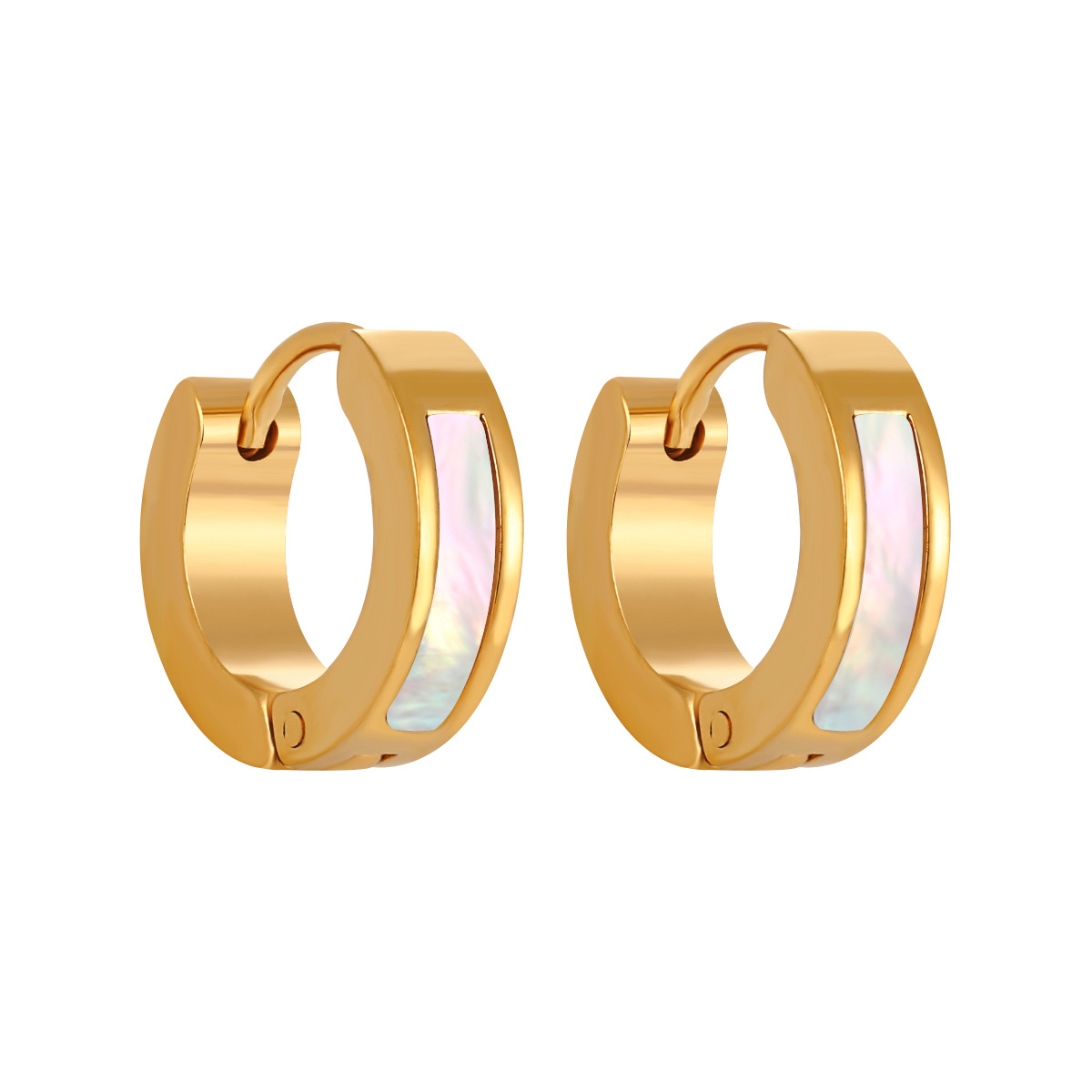
The hypoallergenic truth nobody tells you: "Hypoallergenic" is not a regulated term. Any jewelry can be called hypoallergenic, even if it contains nickel. What matters is not the label but the actual material and the nickel release rate. 316L stainless steel is low-nickel-release, not nickel-free. It contains 10 to 14% nickel by weight, but the nickel is locked in the alloy and barely releases onto skin. For 85 to 90% of people with sensitive skin, 316L is fine. For the 10 to 15% with severe clinical nickel allergy, only truly nickel-free materials like titanium or solid gold will work. Be honest about this distinction.
Understanding Nickel Allergies
What causes jewelry to irritate sensitive skin?
The number one cause of jewelry-related skin irritation is nickel. Nickel is a common metal used in alloys because it is cheap, strong, and gives jewelry a bright, shiny finish. When nickel comes into contact with skin, especially sweaty or wet skin, a small amount of nickel ions leach out and can trigger an allergic reaction in sensitive individuals. The reaction is a form of contact dermatitis: redness, itching, swelling, rash, or blisters at the contact site. Other causes of irritation include: (1) Cobalt, another common allergen often found alongside nickel in alloys. (2) Brass and copper, which can cause green skin discoloration (not an allergy, but often mistaken for one). (3) Rough or sharp edges on cheap jewelry that physically irritate the skin. (4) Residues from manufacturing, like polishing compounds or cleaning chemicals. (5) Plating that wears off, exposing a reactive base metal underneath. For earrings, the earlobe is especially sensitive because the skin is thin and the piercing creates an open pathway for metals to enter the body. This is why earring allergies are more common and more severe than necklace or bracelet allergies.
How do I know if I have a nickel allergy?
A nickel allergy is usually easy to identify: (1) Your ears turn red, itchy, or swollen within hours to days of wearing earrings. (2) You get a rash or discoloration where a necklace or bracelet touches your skin. (3) Cheap fashion jewelry from department stores or fast fashion brands irritates you, but higher-quality jewelry does not. (4) The reaction happens consistently with certain pieces, not randomly. (5) You may also react to metal belt buckles, watch bands, jean buttons, or zippers. For a definitive diagnosis, a dermatologist can perform a patch test: small amounts of common allergens (including nickel) are applied to your back under adhesive patches for 48 hours, then the skin is examined for reactions. This is the gold standard for diagnosing contact allergies. If you suspect a nickel allergy, avoid cheap jewelry and stick to known safe materials. A simple at-home test: wear a piece of 316L stainless steel jewelry for 24 hours. If you do not react, 316L is likely safe for you. If you still react, you may need titanium or solid gold. About 10 to 15% of people who react to cheap jewelry will also react to 316L stainless steel.
Is 316L stainless steel really hypoallergenic?
This is the most asked and most misunderstood question in sensitive skin jewelry. Here is the precise answer: 316L stainless steel contains 10 to 14% nickel by weight. It is NOT nickel-free. However, the nickel in 316L is tightly bound in the alloy's molecular structure, and the high chromium content (16 to 18%) forms a passive oxide layer on the surface that prevents nickel from leaching onto the skin. The nickel release rate of quality 316L is typically 0.01 to 0.1 micrograms per square centimeter per week, well below the EU REACH limit of 0.5 micrograms for general jewelry and 0.2 for earrings. For 85 to 90% of people with sensitive skin, 316L stainless steel causes no reaction. It is the most widely used material in body piercing jewelry and surgical instruments for this reason. However, for the 10 to 15% with severe, clinically diagnosed nickel allergy, even the tiny amount of nickel released by 316L can cause a reaction. These individuals need truly nickel-free materials: G23 titanium (ASTM F136), solid 14k or higher gold (note: white gold may contain nickel), niobium, or platinum. The honest way to market 316L is "surgical grade stainless steel, safe for most sensitive skin" or "low nickel release." Do not claim "100% hypoallergenic" or "nickel free" because that is not accurate and can lead to returns and complaints from severely allergic customers.
What is the difference between nickel-free and hypoallergenic?
These terms are often used interchangeably, but they mean different things: (1) Nickel-free means the product contains no nickel at all. True nickel-free materials include titanium, niobium, solid 24k gold, platinum, and silicone. Note: "nickel-free" is also unregulated in the US, so some products labeled nickel-free may still contain trace amounts. In the EU, "nickel-free" is more strictly defined. (2) Hypoallergenic literally means "below normal allergenic" or "less likely to cause an allergy." It does NOT mean allergy-free. A product can be called hypoallergenic if it causes fewer reactions than average, even if it still contains some nickel. 316L stainless steel is hypoallergenic (low reaction rate) but not nickel-free. (3) For customers with mild sensitivity, hypoallergenic (316L) is usually sufficient. (4) For customers with severe nickel allergy, only truly nickel-free materials (titanium, solid gold) are safe. As a retailer, be transparent about which term applies to your products. If you sell 316L stainless steel, say "surgical grade stainless steel, hypoallergenic for most sensitive skin." If you sell titanium, say "nickel-free titanium, safe for severe nickel allergies." This honesty builds trust and reduces returns from customers who expected 316L to be completely nickel-free.
| Material | Nickel Content | Nickel Release | Safe for Mild Allergy? | Safe for Severe Allergy? | Wholesale Price |
|---|
| 316L Stainless Steel | 10-14% | 0.01-0.1 ug | Yes (85-90%) | No (10-15% react) | $1-$5 |
| 304 Stainless Steel | 8-10.5% | 0.1-0.3 ug | Usually yes | No | $1-$4 |
| G23 Titanium (F136) | 0% | 0 ug | Yes | Yes | $3-$12 |
| Niobium | 0% | 0 ug | Yes | Yes | $4-$10 |
| Solid 14k Yellow Gold | 0-3% | Very low | Yes | Usually yes | $20-$80 |
| Solid 14k White Gold | 5-15% | Low-Medium | Sometimes | No | $20-$80 |
| Sterling Silver | 0-2.5% | Very low | Yes | Usually yes | $5-$25 |
| Brass/Alloy | 5-20% | High | No | No | $0.50-$3 |
Material and Product Questions
Is PVD gold-plated stainless steel safe for sensitive skin?
PVD gold-plated 316L stainless steel is generally safe for sensitive skin, with one important caveat: as long as the plating is intact. The PVD gold layer acts as a barrier between the skin and the stainless steel underneath, further reducing any nickel release. PVD plating is very durable (2 to 5 years) and does not chip or flake like cheap electroplating. However, if the PVD plating is scratched through to the base metal, the exposed stainless steel may cause a reaction in severely allergic individuals. For most people with mild to moderate sensitivity, PVD gold-plated stainless steel is completely safe and is actually more protective than bare stainless steel because the gold layer adds an extra barrier. For customers with severe nickel allergy, recommend titanium with PVD gold plating (titanium is nickel-free, and the PVD gold adds color without introducing nickel). Avoid cheap electroplated jewelry for sensitive skin customers, because the plating wears off quickly and exposes the base alloy (which often contains high levels of nickel and brass). Always specify the base metal and plating type in your product descriptions. "PVD gold-plated 316L stainless steel" tells the customer exactly what they are getting.
Why do some earrings irritate my ears even if they are stainless steel?
This is a common complaint, and there are several possible causes: (1) The earrings are not actually 316L stainless steel. Many cheap suppliers label 201 or 202 stainless steel as "316L" because it is cheaper. 201 stainless has higher nickel release and can cause reactions. Verify your supplier with material test reports. (2) The earring posts are made of a different material than the decorative part. Some suppliers use stainless steel for the visible part but alloy or brass for the earring post (the part that goes through the ear). The post is what contacts the skin, so this is the critical part. Always ask your supplier: "Is the earring post also 316L stainless steel?" (3) The earrings have a rough or poorly polished surface that physically irritates the earlobe, even if the material is safe. (4) The customer has a severe nickel allergy and reacts even to 316L's low nickel release. (5) The customer may be reacting to something else: hair products, perfume, or cleaning residue on the earrings. (6) Fresh or healing piercings are more sensitive than fully healed ones. What works for a healed piercing may irritate a fresh one. For retailers, the solution is: source from suppliers who guarantee 316L posts, offer titanium earrings as an upgrade for severely allergic customers, and include care instructions (clean earrings before first wear with rubbing alcohol).
Can you wear stainless steel jewelry in the shower or swimming if you have sensitive skin?
Yes, 316L stainless steel is waterproof and safe to wear in the shower, pool, or ocean, even for most sensitive skin. In fact, stainless steel is one of the few jewelry materials that does not tarnish or rust in water. However, there are a few caveats for sensitive skin: (1) Chlorine in pools and hot tubs can be harsh on any jewelry and may slightly increase nickel release from stainless steel over very long exposure. Rinse jewelry with fresh water after swimming. (2) Saltwater is generally fine but rinse afterward to remove salt residue. (3) Soap and shampoo can leave residues on jewelry that may irritate sensitive skin. Rinse jewelry thoroughly after showering. (4) If you have severe nickel allergy, even stainless steel in water may cause a reaction because water increases the skin's permeability and nickel release. Titanium is the safest option for water wear if you are severely allergic. (5) PVD gold-plated stainless steel is also water-safe, but prolonged exposure to harsh chemicals (chlorine, bleach) can accelerate plating wear. For most customers with sensitive skin, 316L stainless steel is the ultimate low-maintenance jewelry: wear it 24/7, shower in it, swim in it, and it will not tarnish, rust, or cause reactions. This is a major selling point that many retailers under-emphasize.
Retail and Wholesale Questions
How do I market hypoallergenic jewelry effectively?
Hypoallergenic jewelry sells on trust and education, not just features. Here is what works: (1) Be specific about materials. Instead of "hypoallergenic earrings," say "316L surgical stainless steel earrings, safe for most sensitive ears." Specificity builds trust. (2) Educate your customers. Write blog posts about nickel allergies, how to tell if jewelry is safe, and what materials work for different sensitivity levels. This positions you as an expert and attracts organic search traffic. (3) Use customer testimonials from people with sensitive skin. "I have terrible nickel allergies and these are the only earrings I can wear" is more convincing than any product description. (4) Offer a "sensitive skin guarantee": if a customer reacts to your jewelry, offer a full refund or exchange for titanium. This removes the risk for customers and increases conversion. (5) Create a dedicated "Sensitive Skin" or "Hypoallergenic" collection on your website. Make it easy for customers to find safe options. (6) Target keywords like "nickel free earrings," "hypoallergenic necklaces," "surgical steel jewelry," "earrings for sensitive ears." These have high buying intent and lower competition than generic jewelry terms. (7) On product pages, clearly state: material grade, nickel content (if known), whether it is nickel-free or low-nickel, and suitability for sensitive skin. Transparency converts. The hypoallergenic customer is loyal because they have trouble finding jewelry that works. Once they find a brand they trust, they will buy repeatedly and recommend to friends.
Should I carry both stainless steel and titanium for sensitive skin?
Yes, offering both materials is the best strategy because they serve different customer segments: (1) 316L stainless steel: affordable ($1 to $5 wholesale), durable, safe for 85 to 90% of sensitive skin customers. This is your volume product. (2) G23 titanium: more expensive ($3 to $12 wholesale), truly nickel-free, safe for 100% including severe allergies. This is your premium product. (3) Product mix: 70 to 80% stainless steel, 20 to 30% titanium. Focus titanium on earrings (where sensitivity is most common) and body piercing jewelry. (4) Price titanium 40 to 60% higher than stainless steel. Customers with severe allergies will pay the premium because they have fewer options. (5) Use titanium as an upsell: "Love this style but have severe nickel allergies? Upgrade to titanium for $X more." (6) For necklaces and bracelets, stainless steel is usually sufficient because the skin on the neck and wrist is less sensitive than earlobes. Focus titanium inventory on earrings and rings. (7) Make sure your titanium is genuine G23 (ASTM F136) implant grade. Some suppliers sell "titanium" that is actually titanium-plated stainless steel. Ask for material certificates. Offering both materials means you can serve every sensitive skin customer, from mild to severe, and capture the entire market rather than turning away the 10 to 15% who cannot wear stainless steel.
How do I verify that my supplier's jewelry is truly 316L stainless steel?
Material misrepresentation is common in the jewelry supply chain, so verification is essential: (1) Ask for a Material Test Report (MTR) or mill certificate from the supplier. This document shows the exact chemical composition of the steel, including nickel, chromium, and molybdenum percentages. (2) Use a stainless steel testing solution ($10 to $20 online). Apply a drop to the jewelry; the color change indicates the steel grade. 316L will show a specific color different from 304 or 201. (3) Use an XRF alloy analyzer if you have access to one (some local jewelers or testing labs have them). This gives an exact composition reading. (4) Order samples and wear-test them. If a supplier's "316L" earrings irritate ears that normally tolerate 316L, the material is likely a lower grade. (5) Check the price. If "316L" jewelry is priced the same as alloy jewelry, it is probably not real 316L. Real 316L costs more to produce. (6) Ask specific questions: "What is the nickel content? What is the chromium content? Is the earring post also 316L?" A reputable supplier will answer confidently. A supplier who hedges or says "it is stainless steel, don't worry" may be selling a lower grade. (7) For high-volume orders, send 2 to 3 pieces to an independent lab for composition testing. This costs $100 to $300 but protects you from selling misrepresented material. Your brand reputation depends on the material being what you say it is. A customer who has an allergic reaction to falsely labeled "316L" jewelry will leave a damaging review and never buy again.
- 10-15% of people have nickel allergy. 15-20% of women. It is permanent once developed.
- 316L is low-nickel-release, not nickel-free. Safe for 85-90% of sensitive skin. Severe allergy needs titanium.
- Hypoallergenic ≠ nickel-free. Hypoallergenic means "less likely to cause allergy," not "allergy-free."
- Earring posts are critical. Verify posts are 316L, not just the decorative part.
- PVD gold on 316L adds a protective barrier, safe for most sensitive skin as long as plating is intact.
- 316L is waterproof. Shower, swim, sweat. Rinse after chlorine/saltwater.
- Carry both materials: 70-80% stainless (volume), 20-30% titanium (premium, severe allergy).
- Verify suppliers: MTR certificates, steel testing solution, wear tests. Material misrepresentation is common.
Final Sensitive Skin Advice
Sensitive skin is not a niche concern; it affects millions of people who are actively looking for jewelry they can wear without pain or embarrassment. The retailers who serve this market well build incredibly loyal customer bases because these customers have been burned so many times by cheap, falsely labeled jewelry.
The key is honesty. 316L stainless steel is a wonderful material for most sensitive skin, but it is not nickel-free. Say so. Offer titanium for the customers who need truly nickel-free options. Verify your suppliers. Include clear material information on every product page. This transparency is what separates trusted brands from disposable sellers.
And remember, the sensitive skin customer is your best customer. Once they find jewelry that does not irritate them, they will buy it in every style, tell their friends, and never go back to cheap department store jewelry. That loyalty is worth the extra effort of sourcing and marketing genuine hypoallergenic jewelry.
Related Reading
Source 316L Hypoallergenic JewelrySurgical Grade · Low Nickel Release · Verified Material
Request Titanium OptionsFactory-Direct Since 1998 · Nickel-Free · Low MOQ $150