Layered and Stacked Jewelry Styling FAQ
Necklace Layering, Ring Stacking, Mixing Metals, and Curated Looks
Layering Is the Most Influential Trend in Modern Jewelry
Walk down any street, scroll through any fashion feed, and you will see it: women wearing three, four, even five necklaces at once. Rings stacked on every finger. Earrings running up the ear in a carefully curated "curated ear" look. Layered and stacked jewelry has gone from trend to standard, and it shows no signs of slowing down. Pinterest searches for "necklace layering" have increased 65% since 2022, and "ring stacking" is up 48%.
For retailers, this trend is a gift. A customer who used to buy one necklace now buys three or four. Average order value increases 40 to 60% when customers shop for layered looks. The key is to help customers put together looks that work, rather than leaving them to figure it out alone. Stores that offer pre-styled sets, layering guides, and mix-and-match collections outsell stores that just list individual products.
This guide answers the most common styling questions about layered necklaces, stacked rings, mixed metals, and curated ear looks. These answers are based on what stylists and top jewelry brands are actually doing in 2026, not outdated fashion rules.
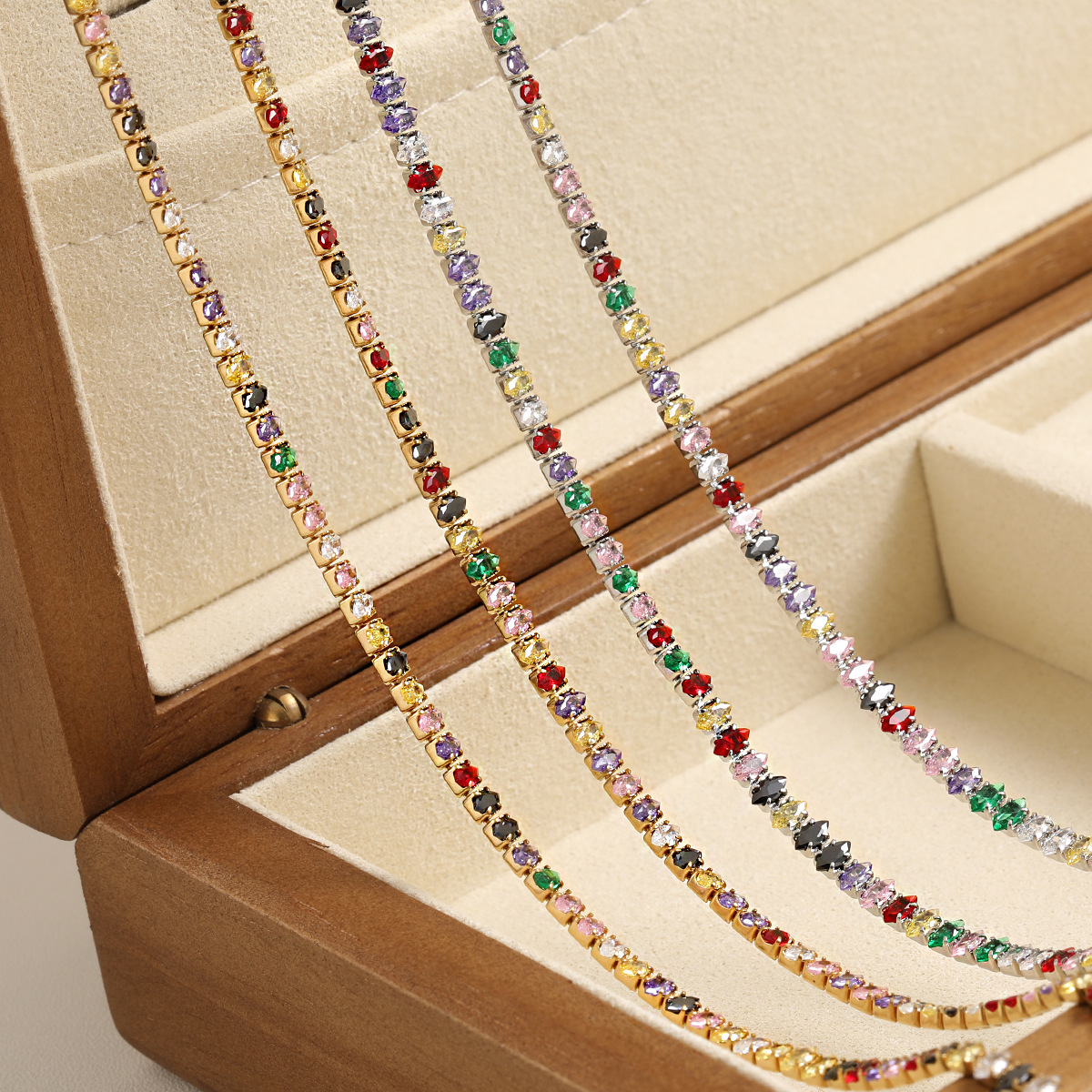
The layering rule that never fails: Vary the lengths. The number one mistake people make when layering necklaces is choosing three necklaces that are all the same length, so they tangle and overlap messily. A good layered look has at least 2 to 3 inches of difference between each strand. Start with a choker at 14 inches, add a pendant at 16 to 18 inches, and finish with a longer chain at 20 to 24 inches. This creates a cascading effect that looks intentional, not accidental. If you remember only one rule, remember this one.
Necklace Layering Questions
What are the best necklace lengths for layering?
Necklace lengths are the foundation of a good layered look. Here are the standard lengths and how to use them: (1) Choker (14 inches / 35cm): sits tight at the base of the neck. Best as the top layer. Good for pendants, small pearls, or simple chains. (2) Princess (16 to 18 inches / 40-45cm): the most versatile length, sits just below the collarbone. This is your middle layer and the workhorse of any layered look. (3) Matinee (20 to 24 inches / 50-60cm): sits at or below the bust line. Perfect as the longest layer, especially with a pendant or lariat. (4) Opera (28 to 36 inches / 70-90cm): very long, can be worn single or doubled. Dramatic and best for evening or statement looks. (5) Rope (36+ inches): longest, can be wrapped multiple times. For a classic 3-layer everyday look: 14 inch choker + 16 inch pendant + 20 inch chain. For a bolder 4-layer look: 14 inch + 16 inch + 18 inch + 22 inch. The key is 2 to 4 inches of difference between each layer. If two necklaces are within 1 inch of each other, they will tangle and overlap. For retailers, offering necklaces in multiple lengths (14, 16, 18, 20, 24 inches) makes it easy for customers to build layered sets. Consider selling pre-packaged layering sets with 2 to 3 necklaces in complementary lengths.
How do I prevent layered necklaces from tangling?
Tangling is the most common complaint about layered necklaces. Here is how to prevent it: (1) Use a layered necklace clasp or detangler. This is a small clasp with multiple rings that holds all your necklaces together at the back, so they hang separately at the front. Costs $3 to $10 and is a great add-on sale. (2) Vary the weights. A heavier pendant necklace will hang lower and stay separate from lighter chains. Mix a solid pendant necklace with delicate chains. (3) Avoid very thin chains (under 1mm) for layering, as they tangle more easily. 1.2mm to 2mm chains are ideal. (4) Take necklaces off at night. Sleeping in layered necklaces is the fastest way to tangle them. (5) Store necklaces separately, hanging or in individual compartments, not thrown in a jewelry box together. (6) If tangling happens, lay the necklaces flat on a table and gently separate from the clasp end, working toward the pendants. Do not pull hard, as this can kink thin chains. (7) For customers who hate tangling, offer layered necklaces that are permanently connected (a single clasp with multiple strands). These are slightly less versatile but completely tangle-free. Tangling is a solvable problem, and offering solutions (detanglers, connected layers, storage advice) positions you as a helpful expert rather than just a seller.
What pendant styles work best in a layered set?
The best layered looks mix pendant styles to create visual interest without clutter: (1) One statement pendant: choose one larger pendant (initial, name, heart, or stone) as the focal point, usually on the middle or longest chain. (2) Two delicate accents: small charms, tiny stars, dots, or simple bars on the shorter chains. (3) One plain chain: a simple snake chain, paperclip chain, or cable chain with no pendant adds texture without competing. (4) Avoid multiple large pendants at the same length; they will clash and look busy. (5) Good combinations: small initial (14 inch) + name pendant (16 inch) + plain long chain (20 inch). Or: tiny star (14 inch) + heart pendant (16 inch) + lariat (22 inch). (6) For a minimalist look: all plain chains in different thicknesses and lengths, no pendants. This is very popular in 2026. (7) For a boho look: mix coins, tassels, and natural stone pendants. (8) Color coordination: if one pendant has a stone (e.g., turquoise), echo that color in another small charm for a pulled-together feel. The general principle is one focal point, two supporting pieces. Think of it like an outfit: one statement item, everything else complements it.
How many necklaces is too many to layer?
There is no hard rule, but here are practical guidelines: (1) Everyday/casual: 2 to 3 necklaces. Clean, elegant, not overwhelming. (2) Statement/fashion: 3 to 5 necklaces. Bold, intentional, good for events or social media. (3) More than 5: very bold, best for editorial or festival looks. Can look cluttered if not styled carefully. (4) The more necklaces you wear, the simpler each one should be. Five delicate chains look elegant; five chunky statement necklaces look costume-like. (5) Consider your neckline. A high neckline (turtleneck, crew) can handle more layers. A low neckline (V-neck, off-shoulder) looks better with fewer, longer layers that fill the space. (6) Consider your outfit. If your clothes are busy (patterns, ruffles, bright colors), keep jewelry minimal. If your outfit is simple (white tee, black dress), you can go bolder with layers. (7) The "one mirror check" rule: before leaving the house, look in the mirror and remove one piece. If the look still works without it, it was probably too much. If it feels incomplete, add it back. This simple edit prevents over-layering. For retailers, selling pre-styled sets of 2 to 3 necklaces removes the guesswork for customers and increases average order value.
| Layer Position | Length | Best Style | Example |
|---|
| Top (Choker) | 14" (35cm) | Small pendant, delicate chain, pearl | Tiny initial pendant |
| Middle (Princess) | 16-18" (40-45cm) | Statement pendant, nameplate | Name necklace or heart pendant |
| Bottom (Matinee) | 20-24" (50-60cm) | Long chain, lariat, large pendant | Plain paperclip chain or Y-necklace |
| Extra Long (Opera) | 28-36" (70-90cm) | Dramatic, evening, can double | Pearl rope or tassel lariat |
Ring Stacking Questions
How do I stack rings without looking cluttered?
Ring stacking is an art, but the rules are simpler than you think: (1) Choose one finger as the "statement finger" (usually the middle or ring finger) and load it with 2 to 4 rings. Keep other fingers minimal (1 ring or none). (2) Mix widths: a thick band (3 to 5mm) + two thin bands (1 to 2mm) + a small stone ring. The variation in width creates visual rhythm. (3) Mix finishes: matte + polished, smooth + textured (hammered, braided, twisted). (4) Leave at least one finger bare between stacked fingers for breathing room. (5) Avoid stacking rings with large stones next to each other; they will scratch each other and look bulky. (6) A classic stack: thin plain band + eternity band (small stones all around) + signet ring + another thin band. This works on any finger. (7) For a minimalist look: two thin bands on one finger, one on another. (8) For a bold look: 3 to 4 rings on the middle finger, 2 on the index finger, 1 on the ring finger. (9) Consider your hand size. Smaller hands look better with thinner bands and fewer rings. Larger hands can carry wider bands and more layers. (10) The most important rule: rings should slide on comfortably without being too tight. Fingers swell throughout the day, so if a ring is tight in the morning, it will be uncomfortable by afternoon.
Can I mix gold and silver jewelry?
Yes, mixing metals is not only acceptable in 2026; it is actively fashionable. The old rule of matching all your jewelry metals is outdated. Here is how to mix metals well: (1) The easiest way: wear a piece that already combines both metals (a two-tone ring or necklace). This bridges the look and makes the mixing intentional. (2) Distribute metals evenly. If you wear a gold necklace and gold earrings, add a silver bracelet or silver rings to balance. Do not put all gold on top and all silver on bottom. (3) Keep the style consistent. Mixing metals works when the jewelry styles match (all minimalist, or all boho). Mixing a dainty gold necklace with a chunky silver statement ring can look disjointed. (4) Skin tone is less important than people think. Both gold and silver can look good on anyone; it is more about the shade (warm gold vs cool silver) and the outfit. (5) For beginners, start with a 70/30 ratio: 70% one metal as the dominant tone, 30% the other as an accent. This is safer than 50/50. (6) Stainless steel jewelry is perfect for metal mixing because it comes in silver (natural), gold (PVD), rose gold (PVD), and black (IP black), all from the same durable base material. You can build an entire mixed-metal collection from one supplier. (7) The key to successful metal mixing is confidence. If you wear it like you meant it, it looks intentional. If you look unsure, it looks like a mistake.
What is a "curated ear" and how do I achieve it?
The "curated ear" is the trend of wearing multiple earrings in different piercings arranged in a deliberate, styled composition. It has been popularized by celebrities and Instagram, and it drives significant sales for jewelry retailers. Here is how to create one: (1) Start with the lobe: 1 to 3 piercings. Studs at the bottom, small hoops higher up. (2) Add cartilage piercings if you have them: helix (upper ear), tragus (small flap in front of ear canal), conch (inner ear), daith (inner fold). (3) The classic curated ear composition: large stud or small hoop at the lobe bottom, tiny stud above it, hoop at the helix, and maybe a tiny stud at the tragus. (4) Vary sizes: largest piece at the bottom (lobe), getting smaller as you go up the ear. This creates a visual flow. (5) Mix styles: studs + hoops + cuffs (ear cuffs require no piercing). (6) Keep metals consistent for a curated ear, or mix intentionally. Most curated ears use one metal tone for a clean look. (7) For customers without multiple piercings, ear cuffs and climbers (earrings that crawl up the ear) create the illusion of multiple piercings with just one piercing. (8) Retailers can sell "curated ear sets" with 3 to 5 earrings designed to work together, displayed on an ear-shaped card. This is a strong product format because customers can buy the whole look at once. The curated ear trend shows no signs of slowing, and it encourages customers to buy multiple earrings per purchase rather than just one pair.
Retail and Product Questions
How do I sell layered jewelry sets effectively?
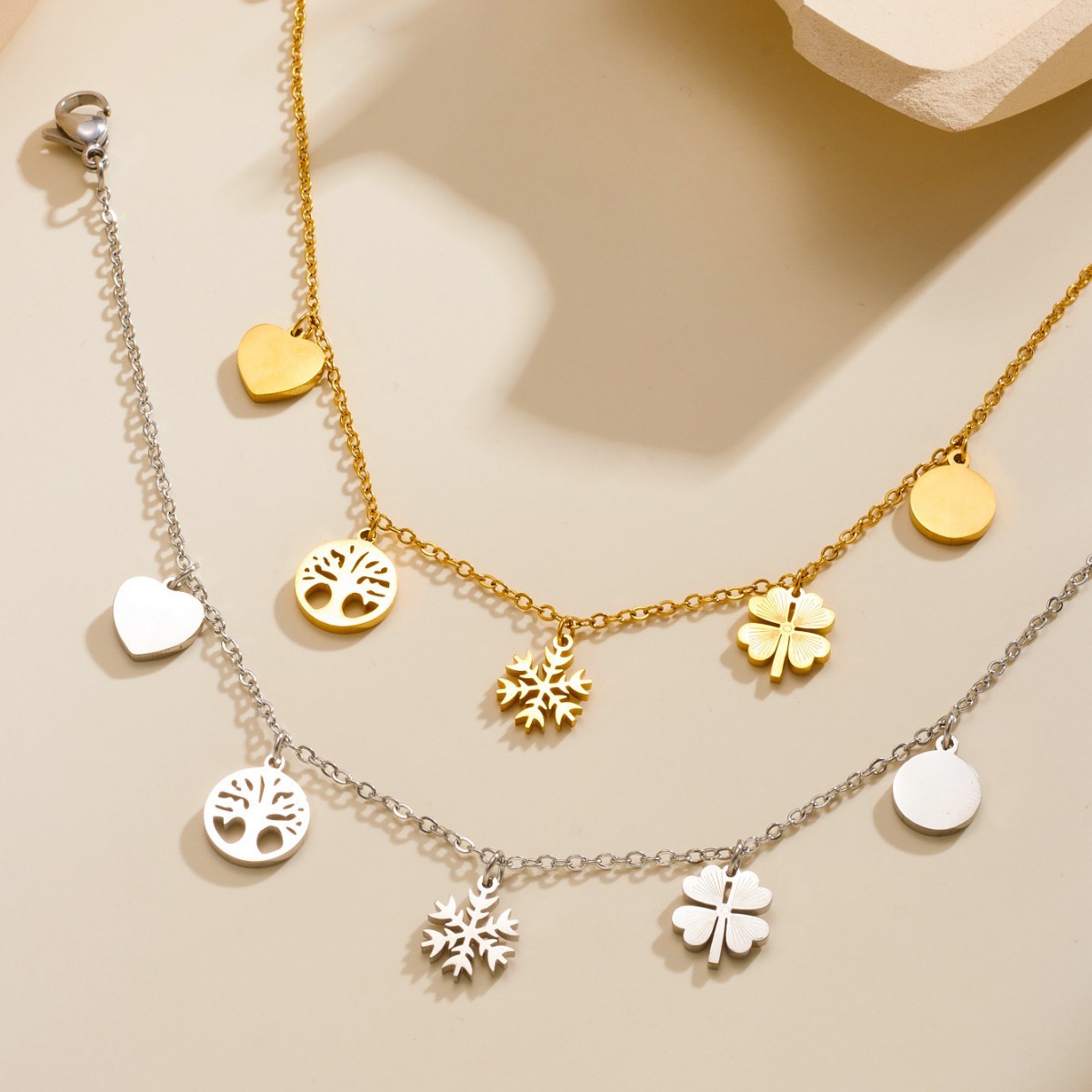
Layered sets are one of the highest-converting product formats in jewelry because they remove decision fatigue. Here is how to do it right: (1) Create pre-styled sets of 2 to 3 necklaces or rings that are designed to work together. Photograph them worn together on a model. (2) Price the set at 10 to 15% less than buying each piece individually. This gives customers a reason to buy the set while still maintaining healthy margins. (3) Name your sets: "The Everyday Layer," "The Date Night Stack," "The Minimalist Set." Names make the look feel intentional and help customers choose based on the occasion. (4) Show the set on a model so customers can see how it looks worn. Flat-lay photos are not enough; customers need to see the proportions on a real person. (5) Include styling tips in the product description: "Wear all three for a bold look, or just two for everyday." (6) Offer mix-and-match: let customers choose their own combination from a selection. This increases engagement and average order value. (7) Create a dedicated "Layering Sets" or "Stacking Sets" collection on your website. (8) Use video: a 10-second video showing someone putting on the layered set is far more convincing than photos. (9) For rings, sell stack sets on a ring display card showing how they look stacked. (10) The average order value for a layered set is 2 to 3 times that of a single piece, with only slightly more fulfillment effort. Sets are one of the best ways to increase revenue without acquiring new customers.
What chain styles work best for layering?
The chain style affects both the look and the tangle-resistance of a layered set. Here are the best chains for layering: (1) Cable chain (oval links connected): the most classic and versatile. Good for pendants. 1.2mm to 2mm thickness works best. (2) Snake chain (smooth, tight weave): very sleek and modern, lies flat against the skin. Excellent for layering because it does not tangle. (3) Paperclip chain (elongated rectangular links): trendy and substantial. Good as a middle or bottom layer. (4) Figaro chain (pattern of 3 small links + 1 large link): classic Italian style, adds texture. (5) Rope chain (twisted woven links): shiny and textured, good for a bolder look. (6) Box chain (square links): geometric and modern, very durable. (7) Herringbone chain (flat, V-shaped links): very trendy in 2026, lies flat and catches light. Can kink if not stored carefully. (8) For layering, mix chain styles: a snake chain + a cable chain with pendant + a paperclip chain. The texture variation makes the layers more interesting than three identical chains. (9) Avoid very thin chains (under 1mm) for layering as they tangle and break more easily. (10) Stainless steel chains are ideal for layering because they are strong, do not tarnish, and come in all these styles at affordable prices. Offering a variety of chain styles in your collection gives customers the tools to build unique layered looks.
How do I help customers find their necklace length?
Necklace length is the most common source of returns and exchanges in layered jewelry. Here is how to reduce sizing issues: (1) Create a printable necklace size guide on your website: a paper strip with inch markings that customers can cut out and wrap around their neck to find their size. (2) Show a diagram on every product page illustrating where each length falls on the body (choker at neck, princess at collarbone, matinee at bust). (3) Use a model in product photos so customers can see the actual length on a real person. Specify the model's neck size if possible. (4) Offer adjustable necklaces (2-inch extension chains) so customers can fine-tune the length. This is especially useful for layering because it lets them adjust the gap between layers. (5) For layered sets, include the length of each necklace prominently in the title and description: "14 inch + 16 inch + 20 inch Layered Set." (6) If a customer is between sizes, recommend going longer rather than shorter. A slightly long necklace can be adjusted with a clasp position; a too-short necklace cannot be lengthened. (7) For chokers, measure the neck and add 2 inches for a comfortable fit. A 14-inch neck should wear a 16-inch choker for comfort. (8) Include a "how to measure" video or GIF on your product pages. Visual instructions reduce sizing questions by 50%. Getting the length right the first time reduces returns and increases customer satisfaction, which is especially important for layered sets where multiple pieces need to work together.
- Vary lengths by 2-4 inches: 14" + 16" + 20" is the classic 3-layer everyday look.
- One focal point: One statement pendant, two delicate accents. Avoid multiple large pendants.
- Prevent tangling: Use a layered clasp detangler, vary chain weights, take off at night.
- Ring stacking: 2-4 rings on one finger, mix widths and finishes, leave a finger bare.
- Mix metals: Yes! 70/30 ratio for beginners. Two-tone pieces bridge the look.
- Curated ear: Largest at bottom, smaller going up. Ear cuffs for non-pierced ears.
- Sell sets: Pre-styled 2-3 piece sets, 10-15% bundle discount, named for occasions.
- Size guide: Printable measuring guide, model photos, adjustable chains, length in title.
Final Styling Advice
Layering and stacking have transformed how people wear jewelry. What was once a statement look is now everyday style, and customers are buying more pieces than ever to build their personal stacks. The retailers who win in this trend are the ones who make it easy for customers.
Sell pre-styled sets. Show them on models. Include length guides. Offer detanglers as add-ons. Create content that teaches customers how to layer, stack, and mix metals. Every piece of styling content you publish is a sales tool that helps customers imagine themselves wearing your jewelry.
And remember, the best layered look is the one that feels personal. There are no strict rules, only guidelines. Encourage your customers to experiment, mix styles, and make the look their own. A customer who feels confident styling your jewelry will buy more pieces, wear them more often, and become a loyal advocate for your brand.
Related Reading
- Stainless Steel Jewelry Layering & Stacking Guide: Style Tips That Sell More Pieces — Style Tips That Sell More Pieces
- Stainless Steel Necklaces FAQ: Chains, Pendants, Layering, and Sizing — Chains, Pendants, Layering, and Sizing
- Chunky and Statement Jewelry FAQ: Bold Chains, Oversized Hoops, and Styling — Bold Chains, Oversized Hoops, Sculptural Pieces, and How to Style Them
- Stainless Steel Necklaces Wholesale: Chains, Pendants & Layered Guide — Chains, Pendants & Layered Styles Buying Guide
Multiple Lengths · Chain Variety · Set-Friendly Styles
Build Your Wholesale CollectionFactory-Direct Since 1998 · 31,000+ Styles · Low MOQ $150