Jewelry Storage and Organization FAQ
Inventory Storage, Display, Anti-Tarnish, Climate Control, and Boutique Best Practices
Storage Is More Important Than You Think
Most jewelry retailers focus on buying the right products and pricing them correctly, but overlook one of the biggest profit leaks: how they store and organize inventory. Poor storage leads to tarnishing, scratched pieces, tangled chains, lost earrings, and dead stock that nobody can find. Industry data shows that retailers using systematic storage systems improve stock accuracy by 30% and reduce inventory losses by 15 to 25%.
Whether you run a home-based online store, a market booth, or a physical boutique, how you store your jewelry directly affects your bottom line. Stainless steel jewelry is more forgiving than silver or brass, but it still needs proper storage to maintain its finish, prevent scratching, and make inventory counting fast.
This guide covers the storage and organization questions that jewelry retailers ask most, from anti-tarnish solutions to display best practices.
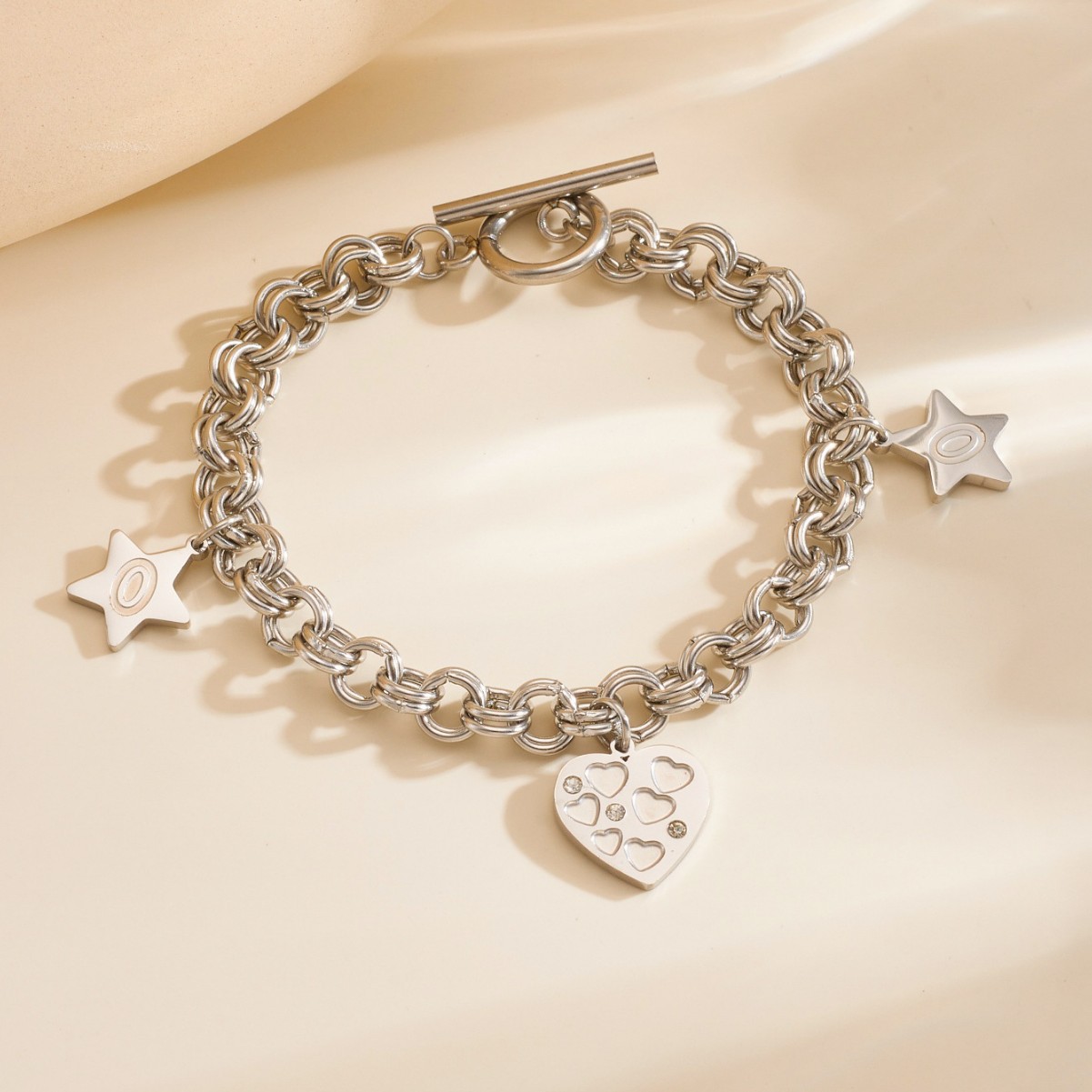
The cost of bad storage: A 2023 industry report found that jewelry retailers lose 10 to 20% of inventory value annually to tarnishing, scratching, and misplacement. For a store with $10,000 in inventory, that is $1,000 to $2,000 lost every year. A well-organized storage system costs $100 to $500 to set up and pays for itself within months. The biggest enemies are humidity, air exposure, and letting pieces touch each other.
Storage Basics Questions
What is the best way to store jewelry inventory for a small business?
Here is a storage system that works for most jewelry retailers: (1) Use a "zone system" with clear categories. Dedicate specific containers or shelves to rings, earrings, necklaces, and bracelets. This eliminates the chaos of mixing everything together. (2) Individual compartments are essential. Use stackable plastic or acrylic drawers with dividers, or velvet-lined jewelry trays. Each piece should have its own space so it does not scratch or tangle. (3) Anti-tarnish strips: Place anti-tarnish paper strips or tabs in every storage container. These absorb sulfur and moisture that cause tarnish. One strip per cubic foot is enough. They cost pennies each and last 6 to 12 months. (4) Ziplock bags for individual pieces: For higher-value pieces or long-term storage, seal each piece in a small plastic bag with the air pressed out. This prevents air exposure and contact with other pieces. (5) Climate control: Keep storage between 60 and 70 degrees Fahrenheit (15 to 21 Celsius) with 35 to 45% humidity. A small dehumidifier in the storage room protects everything. Avoid attics, basements, and garages where temperature and humidity fluctuate. (6) Label everything: Each tray, drawer, and bin should have a label with the category and SKU range. This makes restocking, inventory counts, and finding a specific item fast. (7) First-in, first-out (FIFO): Place older stock in front. When restocking, push old stock forward. This prevents pieces from sitting so long they tarnish or go out of style. (8) For home-based sellers: A small dresser with lined drawers, a hanging jewelry organizer, or a stack of acrylic drawers works well. You do not need a professional jewelry case to start. (9) Avoid storing jewelry in the bathroom. Humidity from showers accelerates tarnishing even for stainless steel PVD finishes. (10) The best storage system is the one you will actually use. Start simple: one tray for rings, one for earrings, one for necklaces. Add organization as your inventory grows.
Do stainless steel pieces need anti-tarnish storage?
Stainless steel is the most low-maintenance metal for storage, but it still benefits from proper organization: (1) 316L stainless steel will not rust or tarnish. The chromium oxide layer protects it permanently. So you do not need the same anti-tarnish measures required for sterling silver or brass. (2) However, PVD gold plating on stainless steel can still be affected by long-term air exposure, moisture, and contact with other jewelry. Over months, PVD can dull slightly. (3) CZ stones set in stainless steel can collect dust and skin oils. Storing pieces individually prevents stones from getting scratched by other jewelry. (4) Chain tangling is the biggest issue. Necklaces stored together will tangle, and untangling a chain takes 10 minutes each time. Store each necklace individually or hang them. (5) Stainless steel storage recommendations: (a) Keep in a cool, dry place (not the bathroom). (b) Store each piece individually in a small bag or compartment. (c) Anti-tarnish strips are not strictly necessary but do not hurt. (d) A soft cloth pouch is sufficient for each piece. (6) Compared to other metals: (a) Sterling silver: Needs anti-tarnish strips, polishing cloth, and airtight bags. Tarnishes in weeks. (b) Brass: Needs the most protection. Tarnishes in days if not sealed. (c) Gold-filled: Moderate protection needed. (d) Stainless steel: The easiest. No special anti-tarnish steps required. (7) For retailers, this is a selling point to customers. Tell them stainless steel jewelry can be stored in any jewelry box, does not need special care, and will not tarnish. This reduces customer returns from tarnish complaints. (8) Even for stainless steel, avoid long-term storage in direct sunlight, which can fade PVD finishes over years. A closed drawer or cabinet is ideal.
How should I organize my inventory by SKU, category, or bestseller?
The most efficient storage system balances category organization with sales velocity: (1) Start by category: Rings, earrings, necklaces, and bracelets in separate zones. This is non-negotiable. (2) Within each category, organize by sub-type: (a) Rings: band rings, statement rings, stacking rings. (b) Earrings: studs, hoops, drop earrings. (c) Necklaces: chains, pendants, layered sets. (d) Bracelets: tennis bracelets, chain bracelets, cuffs. (3) Then by sales velocity: Keep your fastest-selling pieces in the most accessible location (front of the drawer, near the packing station). Slow sellers go deeper. This is called the "ABC analysis": (a) A-items (top 20% of sellers): Most accessible, restock first. (b) B-items (next 30%): Medium accessibility. (c) C-items (bottom 50%): Least accessible, review every 3 months. (4) SKU labeling: Every piece should have a SKU tag or label. Use a simple coding system: style code + color + size. For example, "NC-GD-042" for a necklace, gold, style 042. This makes inventory counts fast. (5) Keep a master inventory spreadsheet (or use software). Columns: SKU, style name, cost, retail, quantity in stock, quantity sold, reorder point. Update weekly. (6) The "30-second rule": You should be able to find any piece in 30 seconds or less. If you cannot, your organization system is broken. (7) For online sellers, organize packing stations: Orders to ship, supplies (boxes, tissue, labels), and inventory should be in one efficient workflow. (8) Do not organize by color or material alone. While it looks pretty, it is inefficient for finding products. Category + sales velocity beats aesthetic organization. (9) Seasonal inventory: Keep spring/summer and fall/winter pieces in separate bins. Rotate them out of main storage when the season changes. Label bins clearly. (10) After a year, you will know which categories sell fastest. Adjust your storage layout accordingly. The system evolves with your business.
| Storage Method | Best For | Cost | Pros | Cons |
|---|
| Velvet Trays with Dividers | Rings, earrings, small pieces | $5-$15 each | Visible, protective, stackable | Not dust-proof |
| Acrylic Drawers | Mixed inventory, home-based | $20-$60 | Clear, dust-proof, organized | Takes space |
| Ziplock Bags | Individual pieces, long-term | $0.05 each | Air-tight, cheap, labeled | Not display-ready |
| Hanging Organizer | Necklaces, chains | $10-$25 | No tangling, visible | Needs wall space |
| Anti-Tarnish Strips | Silver, brass, all metals | $0.10 each | Prevents tarnish, long-lasting | Not needed for stainless steel |
| Jewelry Safe | High-value inventory | $100-$500 | Secure, climate-stable | Expensive, bulky |
Display and Customer-Facing Questions
How should I display jewelry for maximum sales?
Display is where storage meets selling. Here is what works: (1) Less is more. Do not crowd every display stand. A few well-placed pieces look premium. Overcrowding makes jewelry look cheap and cluttered. (2) Use proper displays: (a) Rings: ring stands or ring cones. (b) Necklaces: neck forms or busts. (c) Earrings: earring stands or cards. (d) Bracelets: bracelet stands or flat on velvet. (3) Group by style, not by product type. Create "looks" rather than "all rings here." For example, a "Minimalist Gold" section with rings, necklace, and bracelet together. Customers buy the look. (4) Lighting is critical. Jewelry needs bright, warm, focused lighting. Track lights or spotlights on displays make pieces sparkle. Poor lighting hides quality. (5) Price visibility: Price every piece clearly. Customers hate asking "how much?" and will walk away. Use discreet price tags. (6) Rotate displays weekly. Move pieces around, swap out slow sellers, and feature new arrivals. A fresh display encourages repeat customers to look again. (7) Cross-merchandise: Place complementary pieces together. A necklace next to matching earrings. A ring next to a bracelet. This increases add-on sales. (8) For online stores: Product photos are your display. Use clean backgrounds, good lighting, and lifestyle shots. Same principles: less clutter, better lighting, and showing how pieces look together. (9) Check displays daily: Tidy stands, straighten pieces, dust regularly. A messy display signals low quality. (10) The most successful retailers treat their display like a magazine page. They plan it, edit it, and refresh it. It is not random.
How do I pack and store jewelry for shipping to customers?
Shipping packaging protects your product and reinforces your brand: (1) Individual pouch: Every piece goes in a soft pouch (velvet or microfiber). This prevents scratching during transit and gives customers a way to store the piece. Pouch cost: $0.10-$0.30 each. (2) Jewelry box: For mid-range and gift purchases, a small cardboard or rigid box elevates the unboxing experience. Cost: $0.50-$2 each. (3) Tissue paper: Wrap the piece in tissue paper inside the box. Add a handwritten thank-you note. (4) Outer mailer: Use a rigid cardboard mailer or small box, not a padded envelope that can be crushed. This protects the jewelry box and looks professional. (5) Void fill: Add crinkle paper or bubble wrap to prevent movement. The piece should not rattle around inside. (6) Shipping labels: Print clearly. Include a packing slip with the order details. (7) For necklaces and bracelets: Clasp the piece closed before packing. This prevents tangling. You can also thread the chain through a straw to prevent knotting. (8) Earrings: Keep the backings on. If they are studs, put them on an earring card. (9) Bulk shipping to retailers: Use jewelry trays inside a sturdy box, with dividers to separate orders. Mark "fragile" on the box. (10) Unboxing experience: Customers remember the unboxing. A well-packed order with a thank-you note and a brand sticker encourages repeat purchases and social media shares. This is worth the extra $0.50-$1.00 in packaging cost.
How often should I do inventory counts and how?
Inventory counts prevent shrinkage and surprise stockouts: (1) Cycle counting: Instead of counting everything once a year, count a small section every week. This is more accurate and less disruptive. For example, count rings one week, earrings the next. (2) Full inventory count: Do a complete count every 6 months (January and July work well). This catches discrepancies that cycle counting may miss. (3) What to count: Every piece, including display samples. Reconcile physical count against your spreadsheet or POS system. (4) Investigate discrepancies immediately. If the system says 10 and you count 8, find out why. Lost, damaged, or unrecorded sales all add up. (5) Shrinkage target: Industry average jewelry shrinkage is 1 to 3%. If yours is above 5%, something is wrong (theft, poor record-keeping, or damaged pieces not being written off). (6) Display samples: Pieces on display wear out. Check them monthly for scratches, loose stones, and worn plating. Replace them as needed. These are not inventory losses if you write them off correctly. (7) Use barcode scanning if possible. Many inventory apps (Sortly, Zoho Inventory, Square) support barcodes. This speeds up counts and reduces human error. (8) After each count, update reorder points. If a style sells faster than expected, increase the reorder quantity. If it sits, decrease it. (9) Keep a damage log: When a piece breaks, tarnishes, or is lost, record it. This helps you identify quality issues with specific suppliers or styles. (10) The best inventory system is one you use consistently. Even a simple spreadsheet updated weekly is better than fancy software you ignore.
Business and Operations Questions
How should I store seasonal and slow-moving inventory?
Seasonal pieces need special handling so they are ready when the season returns: (1) As a season ends, mark remaining inventory as "off-season" in your system. This keeps it separate from current stock so you do not oversell or misplace it. (2) Clean each piece before long-term storage. Wipe with a soft cloth to remove oils, lotion, and dust. A clean piece stores better. (3) Store in individual ziplock bags with air pressed out. Add an anti-tarnish strip if storing silver or brass. (4) Use labeled clear bins. Write the category, season, and year on the outside. Stack them in a closet or storage room. (5) Climate control is even more important for long-term storage. Avoid attics and garages where temperature and humidity swing. (6) Do a "seasonal preview" 2 months before the season starts. Pull out the off-season bins, inspect the pieces, and decide what to put out. Retire styles that look dated or damaged. (7) The 3-year rule: If a seasonal piece has not sold after 2 seasons, discount it heavily or donate it. Holding onto dead stock costs you space and mental energy. (8) For holiday inventory (Christmas, Valentine's Day), order it 3 months ahead and store it until the season. This prevents last-minute shipping delays. (9) Take photos of seasonal inventory before storing. This helps you remember what you have and avoid re-ordering the same pieces. (10) Good seasonal storage means you are ready when the season hits, without rushing to place orders or scrambling to find what you bought last year.
What tools and systems do I need for inventory management?
You do not need expensive software to start. Here is what works at each stage: (1) Starting out (under 100 SKUs): A simple spreadsheet (Excel, Google Sheets) with columns for SKU, style, cost, retail, quantity, and reorder point. Free and effective. (2) Growing (100-500 SKUs): Use inventory apps like Sortly (free tier available), Zoho Inventory, or Square for Retail. These let you scan barcodes, track stock levels, and get low-stock alerts. (3) Established (500+ SKUs): A dedicated POS system like Lightspeed, Shopify POS, or Vend integrates sales and inventory in real time. (4) Barcode system: Print barcode labels for each SKU. This makes receiving, counting, and selling faster. Free barcode generators are available online. (5) Receiving new stock: When a shipment arrives, count every piece immediately. Do not put uncounted inventory on shelves. Check for damage, wrong styles, or missing pieces. (6) Sales recording: Every sale should update inventory automatically (if using POS) or be entered into the spreadsheet same day. Do not let a week go by without recording sales. (7) Low-stock alerts: Set reorder points for every style. When stock drops to the reorder point, it is time to reorder. A good rule: reorder when you have a 2-week supply left. (8) Integrate with your online store: If you sell on Shopify or Etsy, use the platform's built-in inventory tracking. It automatically decrements stock when an order comes in. (9) Backup: Keep a digital backup of your inventory spreadsheet in the cloud (Google Drive, Dropbox). Do not rely on a single computer file. (10) The best system is the one that matches your current size. Start simple, upgrade when you outgrow it. Overcomplicating things early leads to systems you do not use.
- Zone system: Separate rings, earrings, necklaces, bracelets. Individual compartments prevent tangling and scratching. 30% better stock accuracy.
- Climate control: 60-70F (15-21C), 35-45% humidity. Dehumidifier in storage room. Avoid attics, basements, bathrooms.
- Anti-tarnish: Anti-tarnish strips ($0.10 each), airtight bags, soft cloths. Stainless steel needs less protection than silver/brass but still benefits.
- ABC analysis: Top 20% sellers = most accessible. Bottom 50% = review every 3 months. FIFO rotation prevents dead stock.
- Display: Less is more. Group by look not category. Warm lighting, clear prices, weekly rotation. Cross-merchandise.
- Packaging: Pouch + box + tissue + thank-you note. Rigid mailer. Clasp necklaces, use straws to prevent tangling.
- Counts: Cycle count weekly, full count every 6 months. Target shrinkage under 3%. Log damage immediately.
- Tools: Spreadsheet under 100 SKUs. Sortly/Zoho at 100-500. POS system at 500+. Barcode everything. Cloud backup.
Final Jewelry Storage Advice
Storage and organization is the invisible part of a successful jewelry business. It does not directly make sales, but it prevents losses, saves time, and ensures that when a customer wants a product, you can find it quickly and ship it in perfect condition.
Start simple. You do not need a professional jewelry case or expensive software. A few trays, labeled bins, and a spreadsheet are enough to begin. As your inventory grows, upgrade your systems. The key is consistency: organize as you go, count regularly, and keep your space clean.
Stainless steel jewelry makes storage easier than any other material because it does not tarnish or need special care. But that does not mean you should toss pieces in a box. Proper organization protects your investment, makes you more efficient, and keeps your business running smoothly.
Related Reading
- Stainless Steel Jewelry Care FAQ: Cleaning, Storage, and Longevity — Cleaning, Storage, and Longevity Answered
- Jewelry Inventory and Cash Flow FAQ: Turnover, Dead Stock, and Profit Planning — Turnover, Dead Stock, Small Batch Orders, and Profit Planning
- Travel Jewelry FAQ: Packing, Security, Airport Rules, and Care — Packing, Security, Airport Rules, Care, and the Best Travel Pieces
- Starting a Jewelry Business FAQ: Licenses, Costs, Markup, and Suppliers — Licenses, Startup Costs, Markup, Inventory, Suppliers, and First-Year Survival Guide
316L Stainless Steel · Low-Maintenance · Tarnish-Free · MOQ $150
Request Wholesale CatalogFactory-Direct Since 1998 · 31,000+ Styles · Fast Shipping