Travel Jewelry FAQ
Packing, Security, Airport Rules, Care, and the Best Travel Pieces
Travel and Jewelry Go Together, but Not Always Smoothly
Travel is one of the most common occasions for buying and wearing jewelry. Whether it is a beach vacation, a business trip, a destination wedding, or a backpacking adventure, people want to look good while away from home. But traveling with jewelry creates unique challenges: airport security, risk of loss or theft, tangling in luggage, exposure to saltwater and chlorine, and the dilemma of how many pieces to bring.
For jewelry retailers, the travel category is a significant and growing market. Travel jewelry cases, travel-friendly pieces, and "vacation jewelry" collections are consistent sellers, especially before peak travel seasons (summer, winter holidays, spring break). Customers actively search for "travel jewelry organizer," "best jewelry for travel," and "how to pack necklaces without tangling."
Stainless steel is the ideal travel jewelry material because it is durable, tarnish-resistant, hypoallergenic, and affordable enough that losing a piece is not a financial catastrophe. This guide answers the most common questions about traveling with jewelry, from packing and security to airport rules and the best pieces to bring. These answers are based on travel industry data and frequent traveler experiences.
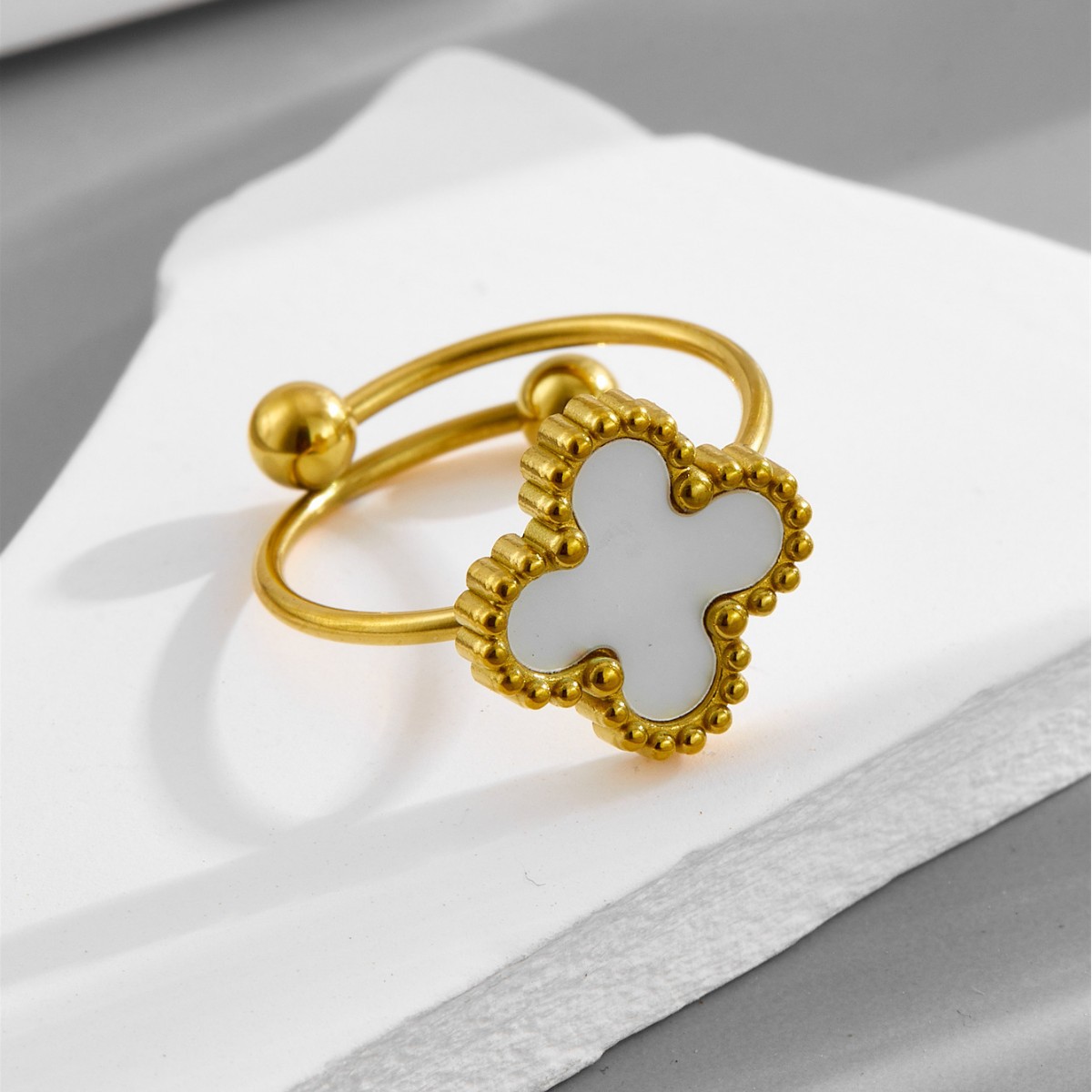
The travel jewelry golden rule: Never travel with jewelry you cannot afford to lose. This does not mean you should only wear cheap jewelry; it means you should insure valuable pieces, leave the most expensive ones at home, and choose travel pieces that are beautiful but replaceable. Stainless steel jewelry fits this philosophy perfectly: it looks like fine jewelry, costs a fraction of the price, and if it gets lost or damaged on a trip, you can replace it without heartbreak. For retailers, marketing stainless steel as "worry-free travel jewelry" is a compelling angle that resonates with frequent travelers.
Packing and Organization Questions
How do I pack necklaces without them tangling?
Tangling is the #1 complaint about traveling with necklaces. These are the most effective solutions: (1) The straw method: Thread a thin necklace through a drinking straw, then fasten the clasp. This keeps the chain straight and prevents tangling. Cut the straw to match the necklace length. This works best for thin to medium chains. (2) Plastic wrap method: Lay necklaces on a sheet of plastic wrap, fold it over, and roll tightly. The plastic creates friction that prevents chains from moving and tangling. (3) Jewelry roll: A fabric jewelry roll with individual compartments or straps for each necklace. This is the most professional solution and protects pieces from scratches as well as tangling. (4) Pill organizer: A weekly pill organizer has small compartments perfect for rings, earrings, and short necklaces. Each piece stays separate and protected. (5) Button method: For earrings, push the posts through the holes of a button and fasten the backs. This keeps pairs together and prevents loss. (6) Original packaging: Keep small jewelry boxes or pouches for each piece. They take more space but offer the best protection. (7) Carry-on, not checked: Always pack jewelry in your carry-on bag, not checked luggage. Checked bags are more likely to be lost, delayed, or searched. Jewelry in checked bags is also more vulnerable to theft. (8) For retailers, selling a travel jewelry organizer (roll, case, or pouch) alongside jewelry creates a natural bundle. A "travel set" of 3 pieces + a jewelry case has a higher average order value and solves a real customer problem. (9) The key principle: each necklace should be individually secured so it cannot move around and tangle with other pieces. Loose necklaces in a single pouch will always tangle.
What is the best travel jewelry organizer?
The best organizer depends on how much jewelry you bring and how you travel: (1) Jewelry roll (best for most travelers): A fabric roll with compartments for rings, earrings, necklaces, and bracelets. Rolls up compactly, fits in carry-on, and protects pieces. Prices range from $15 to $50. Look for one with a separate strap for each necklace to prevent tangling. (2) Hard jewelry case (best for valuable pieces): A rigid case with a zipper and individual compartments. Offers more protection than a roll but takes more space. Good for business trips and destination weddings. $20 to $80. (3) Jewelry pouch (best for minimalists): A small, soft pouch with a few compartments. Good for 2 to 3 pieces on a short trip. $10 to $30. (4) Pill organizer (best budget option): A 7-day pill organizer costs $5 to $10 and works surprisingly well for rings, earrings, and small pendants. Not ideal for long necklaces. (5) Travel jewelry box (best for car travel): A small, portable jewelry box. Too bulky for air travel but perfect for road trips and hotel stays. $25 to $100. (6) Key features to look for: (a) Individual necklace straps or hooks (prevents tangling), (b) Ring holders (soft strips to slide rings onto), (c) Earring holes or compartments, (d) Zipper closure (prevents pieces from falling out), (e) Soft lining (prevents scratches), (f) Compact size (fits in carry-on). (7) For retailers, travel jewelry organizers are a high-margin accessory product (50-70% margin) that complements jewelry sales. Offer them at checkout as an add-on: "Traveling? Add a jewelry roll for $19." (8) The most common mistake: buying an organizer that is too small for the amount of jewelry you bring. Choose one that fits your actual travel collection, not an idealized minimal version.
How much jewelry should I bring on a trip?
The amount depends on the trip length and purpose, but most travelers bring too much. Here is a practical guide: (1) Weekend trip (2-3 days): 2 necklaces (1 casual, 1 dressy), 2 pairs of earrings (studs + statement), 1 ring, 1 bracelet. Total: 6 pieces. This covers day and evening looks without excess. (2) Week-long trip (5-7 days): 3 necklaces, 3 pairs of earrings, 2 rings, 1 bracelet. Total: 9 pieces. Choose pieces that can be mixed and matched to create different looks. (3) Two-week trip or destination wedding: 4-5 necklaces, 4 pairs of earrings, 2-3 rings, 2 bracelets. Total: 12-14 pieces. Include at least one formal piece for the wedding or special events. (4) Business trip: 1-2 necklaces (subtle, professional), 2 pairs of earrings (studs + small hoops), 1 ring. Total: 4-5 pieces. Keep it professional and understated. (5) Beach vacation: 1-2 necklaces (waterproof), 2 pairs of earrings (waterproof), 1 ring. Total: 4-5 pieces. Choose stainless steel or other waterproof materials. (6) The "3-2-1 rule": 3 necklaces, 2 pairs of earrings, 1 ring. This minimalist approach works for most 3-5 day trips and ensures every piece gets worn. (7) The key is versatility. Choose pieces that work for multiple outfits and occasions. A gold pendant necklace can go from day to night. Small hoop earrings work for both casual and dressy looks. (8) For retailers, create "travel capsule" collections: a curated set of 3 to 5 versatile pieces sold together at a bundle price. This makes it easy for customers to choose and increases average order value. (9) Most travelers wear only 30 to 40% of the jewelry they bring. Packing less reduces the risk of loss and makes getting dressed simpler.
Can I wear jewelry through airport security?
Yes, you can wear jewelry through airport security, but there are some guidelines: (1) Most jewelry does not need to be removed. Small rings, earrings, necklaces, and bracelets generally do not trigger the metal detector because they are small and made of non-ferrous metals (gold, silver, stainless steel, platinum). (2) Large or bulky jewelry may trigger the alarm. Thick chains, large pendants, multiple bracelets, or heavy rings can set off the metal detector. If you are wearing a lot of jewelry, you may want to remove it and put it in your carry-on before going through security. (3) Body piercings: Most body piercings do not need to be removed. If a piercing triggers the alarm, you may be asked to remove it or undergo additional screening (pat-down or wand). (4) TSA PreCheck and Global Entry: If you have PreCheck, you do not need to remove shoes, laptops, or liquids, and you can generally keep jewelry on. PreCheck lines are faster and less stressful. (5) The safest approach: Wear your everyday jewelry (rings, small earrings, a delicate necklace) through security. Pack statement or bulky pieces in your carry-on. This minimizes the chance of setting off the alarm and reduces the risk of losing jewelry in the security bin. (6) Never put jewelry in the security bin and walk away without watching it. Keep an eye on your belongings at all times. Jewelry is a common target for theft at security checkpoints. (7) For international travel, check the security rules of each country. Some countries have stricter rules about removing jewelry. (8) If you are selected for additional screening and asked to remove jewelry, do so politely and place it in the provided bin. Do not argue with security personnel. (9) The key takeaway: small, everyday jewelry is fine to wear through security. Large, heavy, or multiple pieces should be packed in carry-on to avoid delays and complications.
| Trip Type | Necklaces | Earrings | Rings | Bracelets | Total Pieces |
|---|
| Weekend (2-3 days) | 2 | 2 pairs | 1 | 1 | 6 |
| Week-long (5-7 days) | 3 | 3 pairs | 2 | 1 | 9 |
| Two weeks / wedding | 4-5 | 4 pairs | 2-3 | 2 | 12-14 |
| Business trip | 1-2 | 2 pairs | 1 | 0 | 4-5 |
| Beach vacation | 1-2 | 2 pairs | 1 | 0-1 | 4-5 |
| Minimalist (3-2-1) | 3 | 2 pairs | 1 | 0 | 6 |
Security and Loss Prevention Questions
How do I keep jewelry safe while traveling?
Loss and theft are the biggest risks when traveling with jewelry. Here is how to protect your pieces: (1) Use the hotel safe: Most hotel rooms have an in-room safe. Use it for jewelry you are not wearing, especially at night and when you are out. Do not leave jewelry on the nightstand or in an open suitcase. (2) Carry-on only: Never pack valuable jewelry in checked luggage. Checked bags are lost, delayed, and searched more often. Keep all jewelry in your carry-on or personal item. (3) Wear it: The safest place for jewelry is on your body. Wear your favorite pieces while traveling, and pack the rest securely. Worn jewelry is much less likely to be stolen than jewelry in a bag. (4) Use a hidden travel pouch: A neck pouch or money belt worn under clothing is a secure place to carry valuable jewelry while in transit or in crowded areas. (5) Do not flash expensive jewelry in high-risk areas: In tourist areas, markets, and public transportation, avoid wearing obviously expensive jewelry. This reduces the risk of being targeted for theft. (6) Take photos: Before your trip, photograph each piece of jewelry you are bringing. If something is lost or stolen, you have a record for insurance claims and police reports. (7) Keep an inventory: Make a list of the jewelry you are bringing, including descriptions and approximate values. This helps with insurance claims and ensures you do not leave anything behind. (8) Check before leaving: When checking out of a hotel, check the safe, nightstand, bathroom counter, and suitcase pockets. Jewelry left in hotel safes is one of the most common items forgotten by travelers. (9) Travel insurance: If you are bringing valuable jewelry (over $500), check whether your travel insurance or homeowner's insurance covers it. Some policies have limits on jewelry coverage. You may need a separate rider or floater for valuable pieces. (10) For retailers, marketing stainless steel as "travel-safe jewelry" addresses these concerns directly. Customers who worry about losing expensive jewelry while traveling are ideal candidates for affordable, beautiful stainless steel pieces.
What should I do if I lose jewelry while traveling?
Losing jewelry while traveling is stressful, but taking these steps immediately improves the chances of recovery: (1) Retrace your steps: Go back to the last place you remember wearing or having the jewelry. Check hotel rooms, restaurants, beaches, and transportation. Many lost items are found within hours. (2) Contact the hotel or venue: Call the lost and found of the hotel, restaurant, or attraction where you may have lost it. Provide a detailed description and your contact information. Many hotels hold lost items for 30 to 90 days. (3) File a police report: If the jewelry was stolen or has significant value, file a report with local police. This is required for insurance claims and creates an official record. (4) Contact your insurance: If you have travel insurance or a jewelry rider, file a claim as soon as possible. You will need the police report, photos, and proof of value (receipts, appraisals). (5) Check with the airline: If the jewelry was in lost or delayed luggage, contact the airline's lost baggage department. Provide your baggage claim number and a description of the jewelry. (6) Post on local groups: Social media groups for the city or area you are visiting (Facebook groups, Reddit, local forums) can help spread the word. Offer a reward for return. (7) Do not panic-buy replacements: It is tempting to replace a lost piece immediately, but take time to process and research. Rushed purchases often lead to regret. (8) Prevention for next time: After a loss, review what went wrong and adjust your travel habits. Was the piece left in a hotel safe? Was it worn in a risky situation? Use the experience to improve your travel jewelry system. (9) For retailers, offering a "lost while traveling" discount or replacement program can build customer loyalty. If a customer loses a piece they bought from you, offer 20% off a replacement. This turns a negative experience into a repeat purchase. (10) The emotional impact of losing jewelry (especially sentimental pieces) can be significant. Be empathetic in customer service interactions about lost jewelry, and offer practical solutions.
Should I insure my travel jewelry?
Insurance depends on the value of the jewelry and your risk tolerance: (1) For fashion jewelry under $100 per piece: Insurance is generally not worth the cost. The premium and deductible may exceed the value. Focus on prevention (safe, carry-on, wear it). (2) For pieces valued $100 to $1,000: Check your existing policies. (a) Homeowner's or renter's insurance: May cover jewelry up to a limit (often $1,000 to $2,000 total for all jewelry). Check your policy. (b) Travel insurance: Many travel insurance policies cover personal belongings, including jewelry, up to a limit (often $500 to $2,000). Read the fine print; some policies exclude jewelry or have lower limits. (3) For pieces valued over $1,000: Consider a separate jewelry insurance policy or a rider (floater) on your homeowner's insurance. These policies cover loss, theft, and damage, even while traveling. Premiums are typically 1 to 2% of the piece's value per year (e.g., $20 to $40 per year for a $2,000 ring). (4) What to look for in jewelry insurance: (a) Coverage for loss (not just theft or damage), (b) Worldwide coverage (works while traveling), (c) No deductible or low deductible, (d) Agreed value (you and the insurer agree on the value upfront, rather than the insurer deciding after a loss), (e) Coverage for mysterious disappearance (lost without explanation). (5) Specialized jewelry insurance providers (Jewelers Mutual, Lavalier, BriteCo) often offer better coverage than standard homeowner's insurance, with lower deductibles and more comprehensive protection. (6) For fashion jewelry retailers, you do not need to discuss insurance in detail, but you can position stainless steel as "worry-free, no insurance needed" travel jewelry. This is a selling point for customers who do not want the hassle and cost of insuring fine jewelry. (7) The general rule: insure what you cannot afford to replace. If losing a piece would cause financial hardship, insure it. If it is a $25 stainless steel necklace, just enjoy it and replace it if needed.
Care and Material Questions
Can I wear stainless steel jewelry in the pool, ocean, or shower while traveling?
This is one of the most common questions for beach and resort travelers: (1) Shower: Yes, 316L stainless steel can be worn in the shower. It will not tarnish or rust. However, harsh soaps and shampoos can leave a residue on the surface, so rinse with clean water afterward. PVD gold plating is also shower-safe. (2) Pool (chlorine): Stainless steel is generally safe in chlorinated pools, but prolonged exposure (hours daily over weeks) can eventually affect the PVD plating. For occasional vacation pool use, it is fine. Rinse with clean water after swimming. (3) Ocean (saltwater): Saltwater is more corrosive than pool water. Stainless steel resists saltwater well, but it is best to rinse with fresh water after ocean swimming. Avoid wearing jewelry while snorkeling or surfing, as it can get caught on equipment or lost in the water. (4) Hot tubs: The combination of high heat and chemicals can affect plating over time. Remove jewelry before using a hot tub. (5) Sunscreen and lotion: Apply sunscreen and lotion before putting on jewelry, and let it absorb first. Chemicals in sunscreen can dull the finish over time. Wipe jewelry with a soft cloth after a day of sunscreen use. (6) Perfume: Apply perfume before putting on jewelry, and let it dry. Perfume contains alcohol that can affect plating. (7) The key takeaway: stainless steel is the most travel-friendly jewelry material because it can handle water, sweat, and daily wear without tarnishing. This is a major advantage over brass, silver, or gold-plated fashion jewelry, which tarnishes quickly with exposure to water and chemicals. (8) For retailers, the "waterproof" or "shower-safe" selling point is very strong for travel jewelry. Create content showing stainless steel jewelry being worn at the beach, pool, and shower. This directly addresses the customer's biggest concern about travel jewelry. (9) Care while traveling: Bring a small polishing cloth ($1 to $2) to wipe pieces clean each night. This takes 30 seconds and keeps jewelry looking fresh throughout the trip.
What are the best jewelry materials for travel?
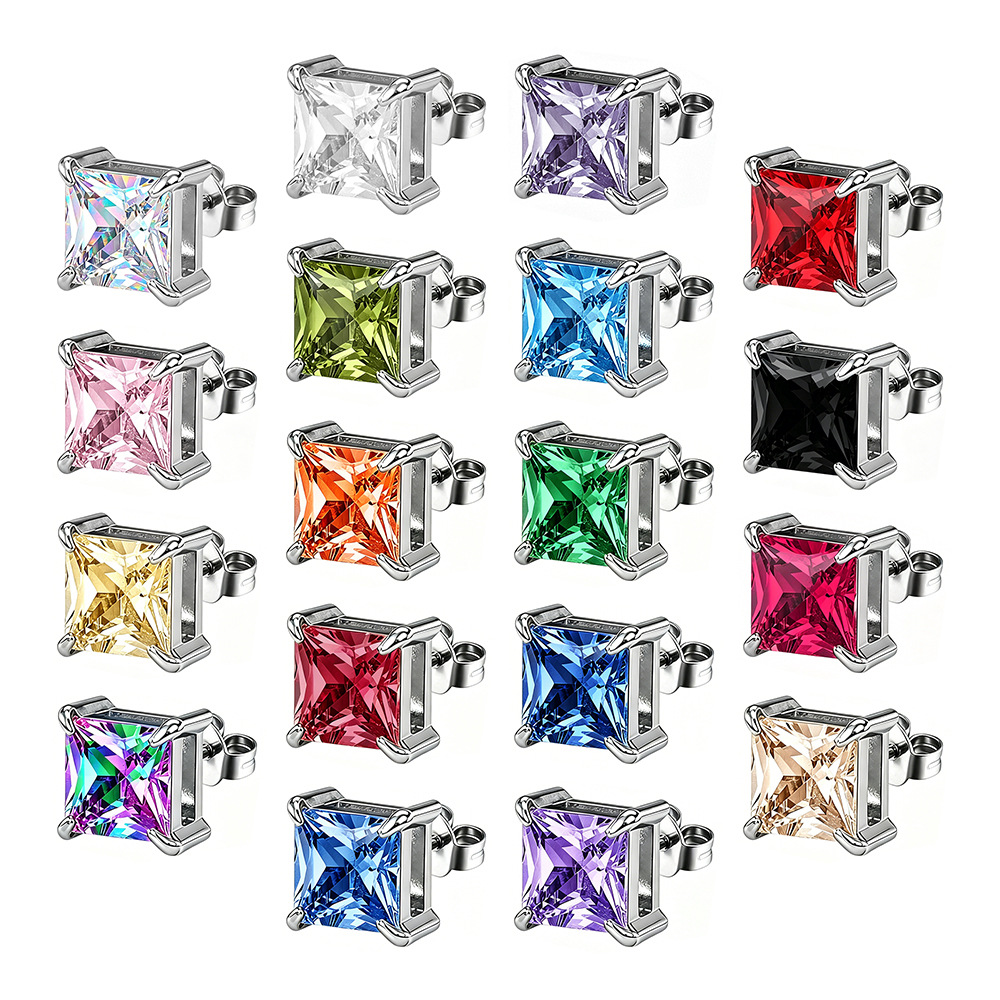
Different materials have different pros and cons for travel: (1) 316L stainless steel: The best all-around travel material. Durable, tarnish-resistant, hypoallergenic, waterproof, and affordable. PVD gold plating gives a luxury look. Does not need special care. Perfect for everyday travel wear. (2) Titanium: Similar to stainless steel but lighter and even more hypoallergenic. Good for travelers with extreme metal sensitivity. Slightly more expensive than stainless steel. (3) Solid gold (14k+): Beautiful and valuable, but expensive to travel with (risk of theft/loss) and soft enough to scratch. Best for special occasions, not everyday travel wear. (4) Sterling silver: Tarnishes easily with exposure to air, water, and sweat. Requires frequent polishing while traveling. Not ideal for beach or active trips. (5) Gold-plated brass/copper: Affordable but tarnishes quickly and can turn skin green. The plating wears off with water exposure. Not recommended for travel. (6) Gold-filled: More durable than gold-plated (has a thicker layer of gold), but still can tarnish with heavy water exposure. Better than plated but not as durable as stainless steel. (7) Pearls: Delicate and sensitive to chemicals, perfume, and water. Not recommended for active travel. Best for special occasions only. (8) CZ stones in stainless steel settings: Durable and sparkly. CZ is 8.5 on the Mohs scale, so it resists scratches. Good for travel because it looks like fine jewelry without the risk. (9) The travel jewelry hierarchy: stainless steel (best) > titanium > gold-filled > solid gold (special occasions) > sterling silver > gold-plated brass (avoid for travel). (10) For retailers, positioning stainless steel as "the ultimate travel jewelry material" is a strong marketing angle. It solves every travel jewelry problem: no tarnish, no green skin, no special care, affordable to replace, and looks expensive.
How do I clean jewelry while traveling?
Keeping jewelry clean while traveling is simple with the right approach: (1) Daily wipe: Use a soft jewelry polishing cloth (microfiber or cotton) to wipe pieces each night. This removes sweat, sunscreen, and oils before they build up. A polishing cloth costs $1 to $5 and takes up almost no space. (2) Soap and water: For a deeper clean, mix warm water with a small amount of mild dish soap (not antibacterial or moisturizing). Soak stainless steel pieces for 5 to 10 minutes, then gently scrub with a soft toothbrush. Rinse with clean water and dry with a soft cloth. (3) Avoid harsh cleaners: Do not use bleach, ammonia, or abrasive cleaners on stainless steel or CZ stones. These can damage the finish. (4) Avoid ultrasonic cleaners while traveling: They are bulky and can damage some settings. The soap-and-water method is sufficient for travel. (5) For gold PVD plated pieces: Use only a soft cloth. Avoid soaking in soapy water for long periods, as this can eventually affect the plating. A gentle wipe is usually enough. (6) For CZ stones: Use a soft toothbrush with soap and water to clean behind stones, where lotion and dirt can build up. Dry thoroughly. (7) Travel cleaning kit: A small kit with a polishing cloth, a soft toothbrush, and a small bottle of mild soap fits in a jewelry roll and takes care of all cleaning needs while traveling. (8) For retailers, offering a free travel cleaning cloth with jewelry purchases is a low-cost add-on that customers appreciate. It also reinforces the "easy care" selling point of stainless steel. (9) The key: do not let dirt and chemicals build up. A 30-second daily wipe keeps jewelry looking like new throughout the trip, and a weekly soap-and-water clean handles any buildup. (10) Never use hotel towels to dry jewelry. They can be abrasive and may scratch the finish. Use the soft cloth you brought.
- Packing: Each necklace individually secured (straw, plastic wrap, jewelry roll). Always carry-on, never checked.
- Best organizer: Jewelry roll with individual necklace straps, ring holders, earring compartments, zipper closure. $15-$50.
- How much to bring: 3-2-1 rule (3 necklaces, 2 earrings, 1 ring) for most trips. Most travelers wear only 30-40% of what they bring.
- Airport security: Small jewelry is fine to wear. Bulky/large pieces may trigger alarm. Pack statement pieces in carry-on.
- Safety: Hotel safe for unworn pieces, wear what you can, carry-on only, photos for insurance, check safe before checkout.
- Waterproof: 316L stainless steel is shower/pool/ocean-safe. Rinse after swimming. Avoid hot tubs. Wipe daily.
- Best travel material: Stainless steel (durable, no tarnish, hypoallergenic, affordable). Avoid silver (tarnishes) and plated brass (turns green).
- Cleaning on the go: Soft polishing cloth for daily wipes, soap + water + soft toothbrush for deep clean. Bring a travel kit.
Final Travel Jewelry Advice
Traveling with jewelry does not have to be complicated or stressful. The key principles are simple: pack less than you think you need, keep everything in your carry-on, use the hotel safe, choose durable materials that do not require special care, and never travel with pieces you cannot afford to lose.
Stainless steel jewelry solves almost every travel jewelry problem. It does not tarnish in pool water or ocean salt. It does not turn skin green. It is hypoallergenic for sensitive skin. It is durable enough to be worn every day, from morning sightseeing to evening dinners. And it is affordable enough that if a piece is lost or damaged, it can be replaced without a major financial setback.
For retailers, the travel jewelry category is an opportunity to sell both jewelry and the accessories that go with it (organizers, cleaning cloths, travel sets). Position stainless steel as "worry-free travel jewelry" and you will attract customers who are tired of fine jewelry that requires constant care and insurance. The best travel jewelry is the kind you never have to think about, and that is exactly what stainless steel delivers.
Related Reading
Source Travel-Friendly JewelryWaterproof · Tarnish-Free · Hypoallergenic · Low MOQ $150
Request Travel Collection CatalogFactory-Direct Since 1998 · 31,000+ Styles · PVD Gold Finish