Minimalist and Dainty Jewelry FAQ
Everyday Wear, Layering, Quality, Sizing, and Wholesale Buying
Minimalist Jewelry Is the Defining Style of the Decade
Walk into any coffee shop, scroll through any fashion feed, or watch any TV show, and you will see it: small, delicate, understated jewelry worn every day. The minimalist jewelry movement has completely reshaped the fashion jewelry market over the past five years, and it shows no signs of slowing down. Industry analysts project that the dainty and minimalist jewelry segment will grow at 7% annually through 2028, outpacing the overall jewelry market.
Minimalist jewelry appeals to a broad audience: professional women who want office-appropriate pieces, millennials and Gen Z who prefer "quiet luxury" over logos and flash, and customers who build capsule wardrobes with versatile, timeless pieces. The average minimalist jewelry customer buys 3 to 5 pieces per year and wears them daily, creating strong repeat purchase behavior.
For retailers, minimalist jewelry has high margins, low return rates, and excellent upsell potential through sets and layering. Stainless steel is the ideal material for minimalist pieces because it is durable enough for daily wear, hypoallergenic, and can be crafted into delicate designs at affordable prices. This guide answers the most common questions about minimalist and dainty jewelry.
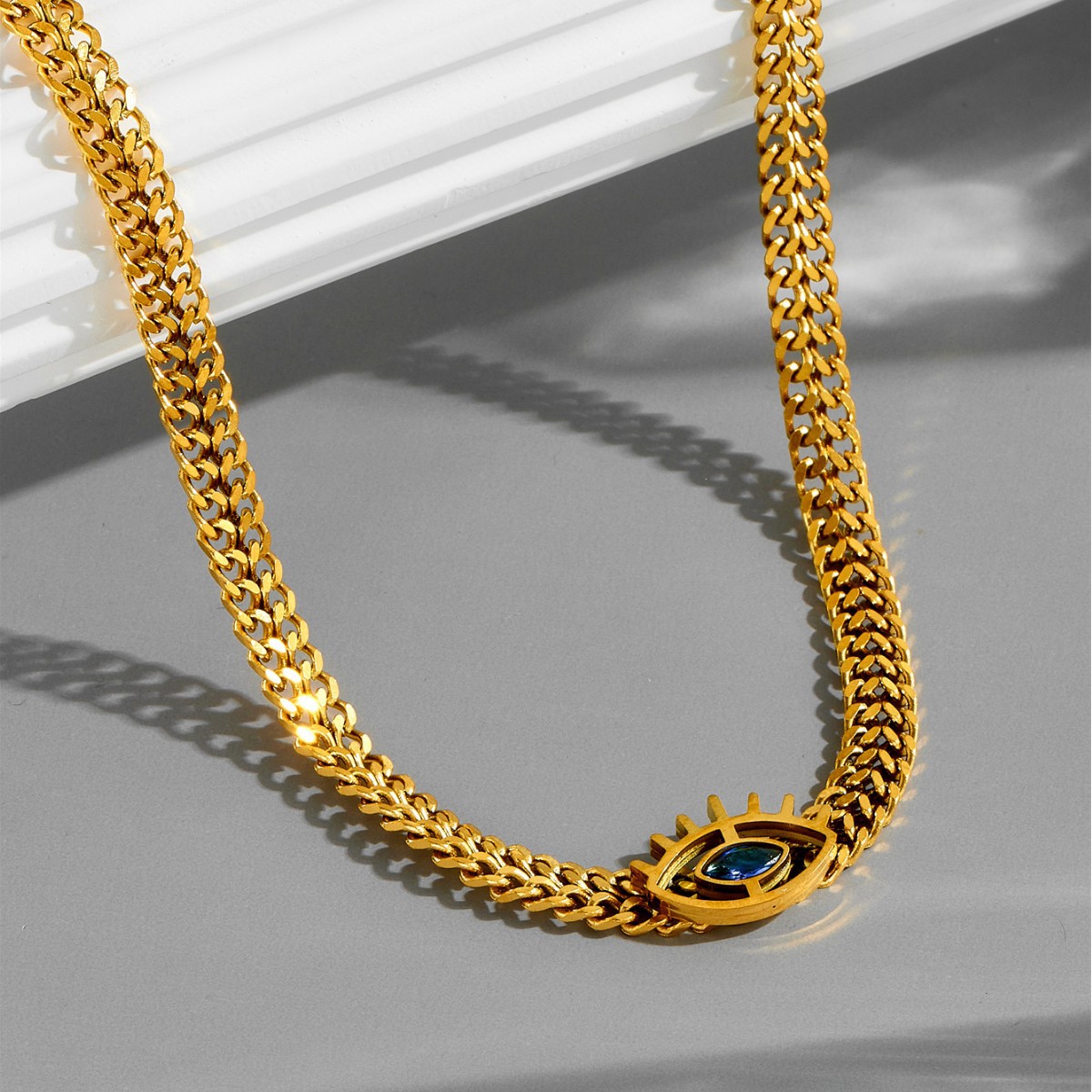
The minimalist jewelry philosophy: Less is more. A minimalist piece should be so comfortable and understated that the wearer forgets they are wearing it, yet so well-crafted that it elevates every outfit. The best minimalist jewelry has clean lines, perfect proportions, and impeccable finish. There is nowhere to hide flaws in a simple design; every curve, every edge, every surface must be perfect. This is why quality matters more in minimalist jewelry than in any other style.
Style and Design Questions
What defines minimalist jewelry and what styles are most popular?
Minimalist jewelry is characterized by simplicity, clean lines, and absence of excess decoration. The most popular styles in 2026 are: (1) Thin chain necklaces: Delicate cable, snake, or paperclip chains (1mm to 2mm) with no pendant or a very small pendant. The #1 minimalist jewelry category. (2) Tiny stud earrings: 3mm to 6mm studs in simple shapes (dot, ball, square, triangle, tiny CZ). Worn alone or in pairs for multiple piercings. (3) Thin band rings: 1mm to 3mm plain bands, sometimes with a tiny stone or subtle texture. Stackable and perfect for everyday wear. (4) Delicate bracelets: Thin chain bracelets, thin bangles, or small bar bracelets. Worn alone or stacked. (5) Small pendant necklaces: Tiny initials, small geometric shapes (circle, bar, triangle), or mini natural forms (tiny leaf, small heart). Pendant size under 10mm. (6) Bar necklaces: Horizontal or vertical bars (4mm x 20mm), sometimes engraved. Clean and modern. (7) Hoop earrings: Small to medium hoops (10mm to 25mm) in thin tubing. Huggie hoops (10mm to 15mm) are especially popular for everyday wear. (8) Geometric designs: Circles, squares, triangles, and arcs. Architectural and modern. For inventory, stock: thin chains (25%), tiny studs (20%), thin bands (20%), small pendants (15%), delicate bracelets (10%), and hoops (10%). This covers the core minimalist customer's needs.
What is the difference between minimalist, dainty, and delicate jewelry?
These terms overlap but have subtle differences that matter for marketing and inventory: (1) Minimalist: Refers to the design philosophy of simplicity and absence of excess. A minimalist piece can be small or large, but it is always clean and unadorned. A wide, plain cuff bracelet is minimalist but not dainty. (2) Dainty: Refers to the size and delicacy of the piece. Dainty jewelry is small, lightweight, and fragile-looking. A dainty piece is almost always minimalist, but a minimalist piece is not always dainty. (3) Delicate: Similar to dainty but emphasizes the fine, intricate quality of the piece. Delicate jewelry may have small details (filigree, tiny stones) that a strictly minimalist piece would not. (4) For customers, these terms are often used interchangeably, and searching for any of them will return similar products. For your website, use all three terms in product titles and descriptions to capture search traffic: "dainty minimalist necklace," "delicate everyday earrings," "minimalist thin band ring." (5) The common thread across all three is: small scale, clean design, high quality, and everyday wearability. A customer searching for any of these terms wants jewelry that is subtle, versatile, and suitable for daily wear. (6) Avoid using "dainty" or "delicate" to describe pieces that are actually chunky or statement-sized, as this creates mismatched expectations and leads to returns. Be accurate in your descriptions.
How do I build a minimalist jewelry collection that sells?
A successful minimalist collection is curated, not random. Here is how to build one: (1) Start with a cohesive metal tone. Most minimalist brands focus on one primary tone (gold, silver, or rose gold) and offer the other tones as secondary. Gold PVD is the most popular in 2026, followed by silver/natural stainless. (2) Create a "core five" that every customer needs: a thin chain necklace, tiny stud earrings, a thin band ring, a delicate bracelet, and a small pendant. These five pieces form the foundation of a minimalist wardrobe. (3) Offer matching sets. A necklace + earring set, or a ring + bracelet set, increases average order value by 30 to 50%. Price sets at 10 to 15% less than buying individually. (4) Keep designs timeless, not trendy. Minimalist customers buy pieces they expect to wear for years, not one season. Avoid fads that will look dated in 6 months. (5) Focus on finish quality. In minimalist jewelry, the finish is the design. A perfectly polished, smooth, scratch-free surface is essential. Inspect every piece for sharp edges, uneven polishing, or plating flaws. (6) Offer layering-friendly pieces. Necklaces in multiple lengths (14, 16, 18, 20 inches), rings in stackable widths, and bracelets that work together. (7) Price accessibly. Minimalist fashion jewelry should retail at $12 to $40 per piece. This is the sweet spot where customers feel they are getting quality without overspending. (8) Photograph on models and in lifestyle settings. Minimalist jewelry looks best when shown in context: worn with a white t-shirt, a blazer, or a sweater. Flat-lay photos do not show scale or wearability.
Is minimalist jewelry just a trend, or is it here to stay?
Minimalist jewelry is not a passing trend; it is a fundamental shift in how people think about accessories. Here is why it is here to stay: (1) The "quiet luxury" movement: High fashion has shifted from logos and flash to understated, quality pieces. This trickles down to fashion jewelry. (2) Capsule wardrobes: More people are building smaller, more versatile wardrobes, and minimalist jewelry fits perfectly into this philosophy. (3) Professional dress codes: As remote and hybrid work becomes permanent, customers want jewelry that works for both video calls and weekends. Minimalist pieces transition seamlessly. (4) Sustainability: Minimalist jewelry is often made from durable materials (stainless steel, solid gold) and designed to last, aligning with the anti-fast-fashion movement. (5) Generational shift: Millennials and Gen Z prioritize experiences over possessions, and prefer a few quality pieces over a closet full of cheap jewelry. (6) That said, within the minimalist category, specific sub-trends come and go: paperclip chains had a moment, snake chains are currently popular, bar necklaces cycle in and out. The core aesthetic (small, clean, understated) remains constant. (7) For retailers, this means you can invest in minimalist inventory with confidence. It will not go out of style next season. Focus on timeless designs and quality, and your inventory will sell through consistently year after year.
| Category | Popular Styles | Typical Size | Retail Price | Wholesale Cost |
|---|
| Thin chain necklace | Cable, snake, paperclip | 1-2mm width, 16-18" | $15-$30 | $2-$6 |
| Tiny stud earrings | Dot, ball, CZ, square | 3-6mm | $10-$22 | $1.50-$5 |
| Thin band ring | Plain, tiny stone, textured | 1-3mm width | $12-$28 | $2-$6 |
| Small pendant | Initial, bar, circle, leaf | Under 10mm | $18-$35 | $3-$7 |
| Delicate bracelet | Thin chain, bangle, bar | 1-2mm width | $14-$30 | $2-$6 |
| Small hoop earrings | Huggie, thin tube | 10-25mm | $15-$32 | $2.50-$7 |
| Matching set | Necklace + earrings | Varies | $25-$50 | $4-$10 |
Quality and Durability Questions
Will dainty stainless steel jewelry break easily?
This is the most common concern about dainty jewelry, and the answer depends on the material and construction: (1) 316L stainless steel is remarkably strong for its weight. A 1mm stainless steel chain can support 5 to 10 pounds of force before breaking, which is far more than any normal wear situation. (2) The weak point in dainty jewelry is usually the clasp, not the chain. A small lobster clasp or spring ring on a delicate chain can be fragile if it is poorly made. Look for suppliers who use quality clasps with smooth action and secure closure. (3) Avoid extremely thin chains (under 0.8mm) for everyday wear. 1mm to 1.5mm is the sweet spot for dainty but durable. Chains under 0.8mm can kink and break if caught on clothing. (4) PVD gold plating on stainless steel is very durable (2 to 5 years of daily wear), much more so than electroplating on brass or alloy (3 to 6 months). This means dainty stainless steel pieces maintain their appearance far longer than cheap fashion jewelry. (5) For rings, thin bands (1mm to 2mm) in stainless steel are surprisingly durable. They will not bend or dent like gold or silver thin bands, because stainless steel is much harder. (6) The main risk for dainty jewelry is catching and pulling, not normal wear. Advise customers to remove delicate necklaces before sleeping, exercising, or putting on tight clothing. (7) For retailers, selling dainty stainless steel jewelry actually means fewer returns and complaints than selling dainty gold or silver, because stainless steel is stronger and does not tarnish. It is the best material for delicate everyday pieces.
How do I spot quality differences in minimalist jewelry?
In minimalist jewelry, quality is everything because there is no decoration to distract from the craftsmanship. Here is what to inspect: (1) Finish: Run your finger along every surface. It should be perfectly smooth, with no sharp edges, rough spots, or casting marks. Hold it up to light and look for uneven polishing, scratches, or pitting. (2) Clasp: The clasp should open and close smoothly with one hand. It should snap shut securely and not feel loose or wobbly. The jump ring connecting the clasp to the chain should be closed (soldered or tightly pressed), not open. (3) Chain links: Each link should be uniform in size and shape. Look for bent links, uneven soldering, or rough spots where links connect. (4) Stone setting: If the piece has stones (even tiny CZs), the stones should be tight and not wiggle. Prongs should be smooth and evenly spaced. (5) Plating: PVD plating should be uniform in color, with no thin spots, bubbles, or discoloration. Compare the color of the chain, clasp, and pendant; they should all match. (6) Weight: A quality piece has a satisfying, substantial weight for its size. Pieces that feel unnaturally light may be made from thinner material or hollow construction. (7) Packaging: Quality suppliers often include basic packaging (poly bag, anti-tarnish strip) that indicates attention to detail. (8) For wholesale buyers, always order samples before placing bulk orders. Inspect the samples carefully, and if the quality is not up to standard, find another supplier. In minimalist jewelry, a $0.50 difference in cost per piece can mean a huge difference in quality, and quality is what keeps customers coming back.
What is the best chain thickness for everyday minimalist necklaces?
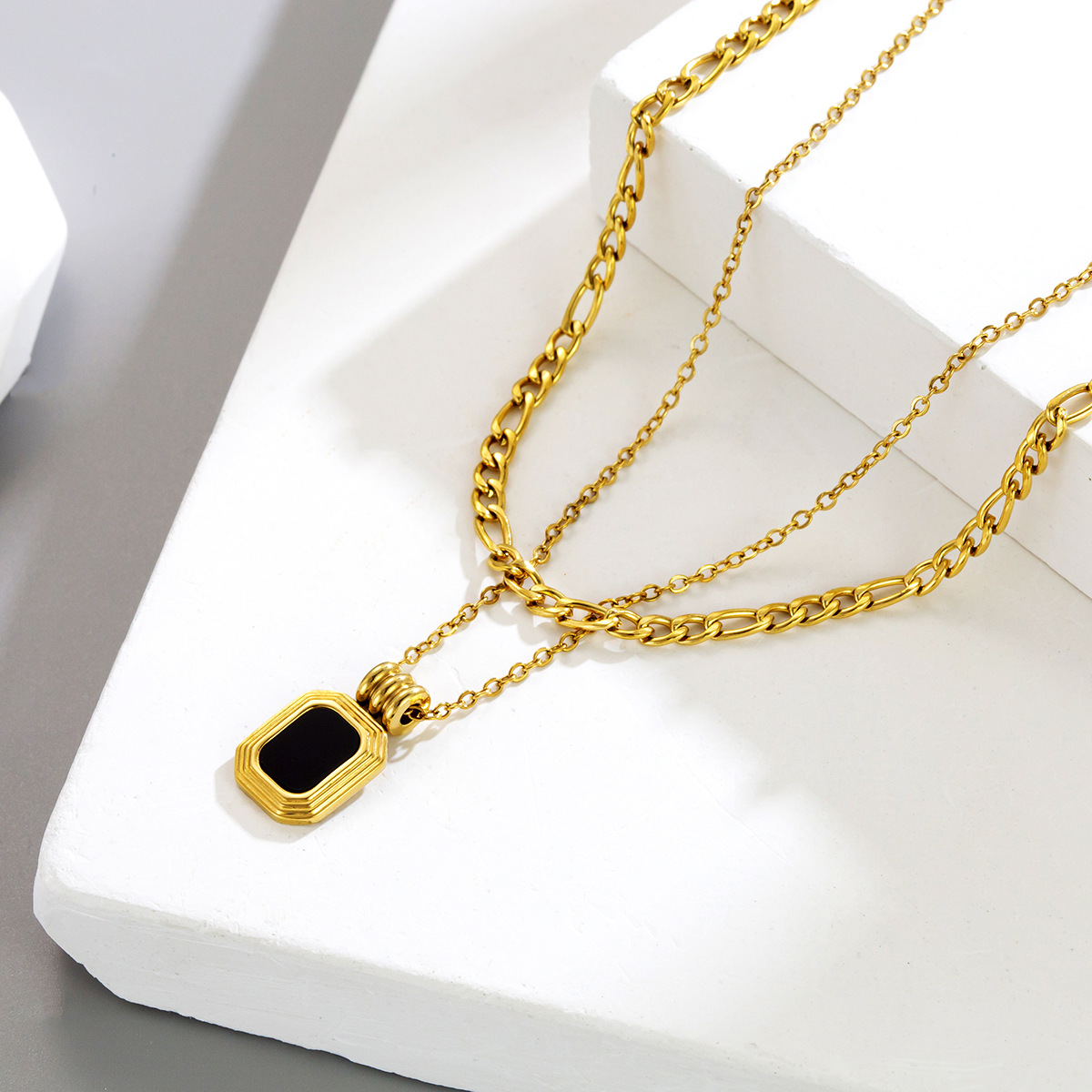
Chain thickness is a critical detail that affects both durability and appearance: (1) 0.8mm to 1.0mm: Ultra-dainty. Best for pendants under 2 grams, or for layering with other chains. Can be fragile if caught. Popular for formal and evening wear. (2) 1.0mm to 1.5mm: The sweet spot for everyday minimalist necklaces. Delicate enough to look dainty, strong enough for daily wear. Works with small pendants (under 5 grams). This is the most popular thickness. (3) 1.5mm to 2.0mm: Slightly more substantial. Good for customers who want durability without sacrificing the minimalist look. Works with medium pendants (5 to 10 grams). (4) 2.0mm to 3.0mm: Moving away from "dainty" into "minimalist statement." Good for standalone chains without pendants, or for men's minimalist styles. (5) Chain style also matters: Snake chains lie flat and look thinner than their actual size. Cable chains look more substantial. Paperclip chains have a modern, slightly bolder look. (6) For a curated collection, offer 1.2mm and 1.8mm options in each chain style. This gives customers a choice between ultra-dainty and slightly more durable. (7) For pendants, match the chain thickness to the pendant weight. A general rule: the chain should be at least as thick as the pendant's bail (the loop the chain goes through). (8) In product descriptions, always specify the chain thickness in millimeters. This is a key detail that minimalist customers look for, and it helps set accurate expectations.
Retail and Customer Questions
How do I market minimalist jewelry to the right audience?
Minimalist jewelry marketing is about lifestyle and identity, not features: (1) Target the "everyday luxury" customer: professional women aged 25 to 45, capsule wardrobe enthusiasts, minimalism followers, and "quiet luxury" shoppers. (2) Use lifestyle photography: Show jewelry being worn in everyday settings (office, coffee shop, weekend brunch) rather than just on white backgrounds. Model shots are essential for minimalist jewelry because they show scale and wearability. (3) Content marketing: Blog posts and social media about "how to build a capsule jewelry collection," "5 pieces every minimalist needs," "jewelry that transitions from day to night." This attracts customers who are already interested in the minimalist lifestyle. (4) Influencer partnerships: Work with micro-influencers (10K to 50K followers) in the fashion, minimalism, and capsule wardrobe niches. Their audiences trust their recommendations and are actively looking for minimalist pieces. (5) SEO keywords: "dainty gold necklace," "minimalist jewelry everyday," "thin stackable rings," "delicate gold earrings," "everyday minimalist jewelry." These have high buying intent and lower competition than generic jewelry terms. (6) Email marketing: Send styling tips and "wear it with" suggestions. A customer who buys one minimalist piece is likely to buy more to complete their collection. Recommend complementary pieces. (7) Brand storytelling: Minimalist customers care about quality, sustainability, and timeless design. Tell the story of your materials (316L stainless steel, PVD plating), your durability promise, and your commitment to timeless design over fast fashion. (8) The emotional hook: "Jewelry you never have to take off." Minimalist pieces are designed for daily wear, showering, sleeping, and everything in between. This convenience and comfort is a powerful selling point that resonates with busy modern women.
How do I increase average order value for minimalist jewelry?
Minimalist jewelry has excellent upsell and cross-sell potential because customers naturally want to build collections: (1) Sell sets: Necklace + earring sets, ring stacks (3 thin bands), or layered necklace sets (2 to 3 chains in different lengths). Sets increase AOV by 30 to 50%. (2) "Complete the look" recommendations: On each product page, show complementary pieces. A necklace page shows matching earrings; a ring page shows stackable bands. (3) Tiered pricing: "Buy 2, save 10%; buy 3, save 15%." This encourages customers to add more pieces to their cart. (4) Gift sets: Curated gift boxes with 3 to 5 minimalist pieces for birthdays, holidays, or bridesmaid gifts. Gift sets have higher perceived value and higher margins. (5) Layering guides: Create content showing how to layer 3 necklaces or stack 4 rings, with direct links to all pieces. Customers who come for one piece often leave with three. (6) Metal tone matching: If a customer buys a gold necklace, recommend gold earrings and a gold bracelet. Customers prefer matching tones for everyday wear. (7) Subscription or restock reminders: For customers who buy a piece, send an email 30 days later suggesting complementary items or new arrivals in the same style. (8) The key is to make it easy for customers to say "yes" to more. Pre-curated sets, clear recommendations, and small discounts remove the friction of decision-making and increase the total sale. Minimalist customers are collectors; they do not buy one piece and stop. They build a wardrobe of jewelry over time, and your job is to help them do it.
What return and exchange policies work best for minimalist jewelry?
Minimalist jewelry has lower return rates than other categories (5 to 8% vs 15 to 20% for fashion jewelry), but a clear policy still matters: (1) Offer 30-day returns for unworn, unused items with tags attached. This is the industry standard and removes purchase risk. (2) For earrings, due to hygiene reasons, many retailers do not accept returns unless defective. Clearly state this on earring product pages. (3) Offer free exchanges for sizing issues (especially rings). This reduces the friction of buying rings online, where sizing is the #1 reason for returns. (4) Include a free ring sizer with every ring order. This prevents sizing issues before they happen. (5) For personalized or engraved minimalist pieces, state clearly that these are final sale (unless defective). (6) Make the return process simple: a prepaid return label or an easy online return portal. Complicated return processes deter customers from buying in the first place. (7) Use returns as a customer service opportunity: If a customer returns a necklace because it was too short, offer to exchange it for a longer length at no extra cost. This turns a potentially negative experience into a loyal customer. (8) Track return reasons. If multiple customers return the same item because it is "smaller than expected," add better size information or a model photo to the product page. Continuous improvement based on return data reduces future returns. (9) A generous but clear return policy builds trust and actually increases conversion more than it costs in returns. Customers are more likely to buy if they know they can return, and most customers never do.
- Core styles: Thin chains (25%), tiny studs (20%), thin bands (20%), small pendants (15%), bracelets (10%), hoops (10%).
- Gold PVD is #1 in 2026, followed by silver/natural stainless. Rose gold is a niche but growing option.
- Chain thickness: 1.0-1.5mm is the everyday sweet spot. Under 0.8mm is fragile. Always specify mm in descriptions.
- Stainless steel dainty = durable: 1mm chain supports 5-10 lbs. Stronger than gold/silver thin bands. PVD lasts 2-5 years.
- Quality inspection: Smooth finish, secure clasp, uniform links, tight stones, matching plating color. Order samples first.
- Marketing: Lifestyle/model photos, capsule wardrobe content, "jewelry you never take off" hook, micro-influencers.
- Increase AOV: Sets (30-50% higher), "complete the look," tiered discounts, gift boxes, layering guides.
- Returns: 30-day policy, earrings final sale for hygiene, free ring sizer, simple process. Minimalist returns only 5-8%.
Final Minimalist Jewelry Advice
Minimalist jewelry is more than a style; it is a reflection of how modern women want to live: simply, efficiently, and with intention. They want jewelry that works as hard as they do, that goes from morning meeting to evening dinner without a thought, and that lasts longer than a season.
Stainless steel is the perfect material for this moment. It is durable enough for daily wear, hypoallergenic for sensitive skin, affordable enough for everyday purchases, and beautiful enough to feel special. A customer who buys a $20 stainless steel minimalist necklace and wears it every day for three years is getting far more value than someone who buys a $5 brass necklace that turns green in a month.
For retailers, the opportunity is clear: curate a collection of well-made, timeless minimalist pieces, photograph them beautifully on models, sell them in sets and layers, and stand behind them with good service. The minimalist customer is loyal, collects pieces over time, and recommends brands she trusts. Build that trust, and you will have customers for years.
Related Reading
- Chunky and Statement Jewelry FAQ: Bold Chains, Oversized Hoops, and Styling — Bold Chains, Oversized Hoops, Sculptural Pieces, and How to Style Them
- Minimalist Stainless Steel Jewelry: The Quiet Luxury Trend Guide — The Quiet Luxury Trend That Keeps Selling
- Layered and Stacked Jewelry Styling FAQ: Necklaces, Rings, and Mixed Metals — Necklace Layering, Ring Stacking, Mixing Metals, and Curated Looks
- Stainless Steel Necklaces FAQ: Chains, Pendants, Layering, and Sizing — Chains, Pendants, Layering, and Sizing
Thin Chains · Tiny Studs · Stackable Bands · Low MOQ $150
Request Minimalist Collection SamplesFactory-Direct Since 1998 · 316L Stainless · PVD Gold Finish