Religious and Symbolic Jewelry FAQ
Cross, Evil Eye, Hamsa, Zodiac, Spiritual Symbols, and Wholesale Sourcing
Symbolic Jewelry Is One of the Most Consistent Sellers
People have worn symbols on their bodies for thousands of years, and that has not changed. Religious and symbolic jewelry is one of the most stable categories in fashion jewelry because it is driven by faith, identity, and personal meaning rather than fleeting trends. A cross necklace, an evil eye bracelet, or a zodiac ring is not something customers buy because it is trendy; they buy it because it means something to them.
The global religious jewelry market is valued at over $8 billion and grows steadily at 4 to 5% annually. Symbolic jewelry spans every culture and religion: Christian crosses, Jewish Stars of David, Islamic evil eyes and Hamsa hands, Hindu Om symbols, Buddhist lotus flowers, and astrological zodiac signs. Each category has a dedicated customer base that actively searches for and buys these pieces.
For retailers, symbolic jewelry has strong margins, low return rates (because customers buy with intention), and year-round demand. It also makes excellent gift items for religious holidays, baptisms, confirmations, and spiritual occasions. This guide answers the most common questions about religious and symbolic jewelry, from meaning and symbolism to wholesale sourcing and retail strategy.

The symbolic jewelry advantage: Customers who buy symbolic jewelry are buying meaning, not just metal and stones. This means they are less price-sensitive, more loyal, and less likely to return the item. A customer who buys a cross necklace for their confirmation or an evil eye bracelet for protection has an emotional connection to the piece that goes beyond aesthetics. For retailers, this translates to higher conversion rates, higher average order values (customers often buy matching sets or gifts), and strong word-of-mouth within religious and spiritual communities.
Cross and Christian Jewelry Questions
What are the most popular cross necklace styles?
Cross necklaces are the single largest category of religious jewelry, with dozens of style variations: (1) Classic Latin cross: The traditional vertical cross with a longer bottom beam. This is the most popular style, accounting for 35 to 40% of cross necklace sales. Available in plain, CZ-studded, and engraved versions. (2) Crucifix: A cross with the body of Christ (corpus) on it. Popular among Catholics and Orthodox Christians. Usually more detailed and three-dimensional. (3) Celtic cross: A cross with a circle around the intersection. Popular in Ireland, Scotland, and among Celtic heritage customers. Often features intricate knotwork. (4) Orthodox cross: A cross with three horizontal beams, the top one shorter and the bottom one slanted. Popular among Eastern Orthodox Christians. (5) Sideways cross: A cross worn horizontally on a chain. Trendy and modern, popular among younger women and fashion-forward customers. (6) Nail cross: Made from or shaped like nails, symbolizing the crucifixion nails. Popular among men and as a rugged, masculine style. (7) Infinity cross: A cross combined with an infinity symbol, representing eternal faith. Popular for gifts and romantic occasions. (8) CZ diamond cross: A cross paved with cubic zirconia stones, giving a luxurious, diamond-like look. Popular for special occasions and gifts. (9) For inventory, stock: classic Latin cross (35%), crucifix (20%), CZ diamond cross (15%), sideways cross (10%), Celtic cross (10%), and other styles (10%). This mix covers the majority of demand across denominations and style preferences.
What chain lengths are best for cross necklaces?
Chain length for cross necklaces depends on the wearer and the style: (1) Women's everyday cross: 16 to 18 inches (princess length), sitting at the collarbone. This is the most popular length for women. (2) Women's statement/layered cross: 20 to 24 inches (matinee length), sitting below the collarbone. Good for layering over clothing. (3) Men's cross: 20 to 24 inches, with 22 inches being the most popular. Men generally prefer longer chains that sit lower on the chest. (4) Children's/baptism cross: 14 to 16 inches, sized for smaller necks. (5) For large or chunky crosses (over 1 inch), use a thicker chain (2-3mm) to support the weight. For delicate crosses, a thin chain (1-1.5mm) works. (6) Many retailers sell cross pendants separately from chains, allowing customers to choose their preferred length and chain style. This is a good strategy because it increases customization and average order value (customers buy pendant + chain separately). (7) For pre-made cross necklaces, offer at least two length options: 18 inches (women's standard) and 22 inches (men's standard). (8) Include a length guide on product pages showing where each length falls on the body. This reduces returns from customers who guess their size. (9) For gift buyers, 18 inches is the safest default for women and 22 inches for men, as these lengths fit the majority of wearers.
What occasions drive cross jewelry sales?
Cross jewelry sales peak around specific religious and life events: (1) Easter: The 2 weeks before Easter see a 30 to 50% increase in cross jewelry sales, as people buy new pieces to wear to Easter services. (2) Christmas: December is the biggest month for cross jewelry, driven by gift-giving. Cross necklaces are popular Christmas gifts for family members. (3) Baptism/Christening: Cross necklaces and bracelets are traditional baptism gifts, especially for godchildren. Sales increase in spring and summer when most baptisms occur. (4) First Communion/Confirmation: These Catholic and Protestant sacraments typically happen in spring (April-May) and drive significant cross jewelry sales for girls and boys. (5) Valentine's Day: Cross jewelry with heart elements or "love" themes sells as romantic gifts. (6) Mother's Day: Cross necklaces with birthstones or children's initials are popular mother's gifts. (7) Funeral/memorial: Cross jewelry is often given as a sympathy gift or worn in memory of a loved one. This is a year-round, less seasonal category. (8) For retailers, plan inventory increases 4 to 6 weeks before each peak occasion. Easter inventory should be ready by February, Christmas by October, and First Communion by February-March. (9) Create dedicated gift collections for each occasion: "Baptism Gifts," "Confirmation Jewelry," "Easter Crosses." This makes it easy for gift buyers to find what they need.
Are there cultural sensitivities I should be aware of when selling cross jewelry?
Yes, religious symbols carry deep meaning, and retailers should approach them with respect: (1) The cross is a sacred symbol for Christians. Avoid using it in trivial or disrespectful contexts (e.g., cross-shaped bottle openers, cross-patterned underwear). Jewelry is an appropriate and traditional use. (2) Crucifixes (with the body of Christ) are specifically Catholic and Orthodox. Some Protestant denominations prefer plain crosses without the corpus. Offer both styles and label them clearly. (3) The inverted cross (upside down) is associated with anti-Christian or satanic symbolism in modern culture. Avoid selling it as "fashion" unless you specifically cater to that niche, and be aware it may offend Christian customers. (4) The Celtic cross has specific cultural meaning for Irish and Scottish heritage. It is fine to sell, but avoid misrepresenting it as a generic "Christian cross." (5) When marketing, use respectful language. Instead of "trendy cross necklace," say "faith-inspired cross necklace" or "classic Christian cross." This resonates better with the target audience. (6) For international sales, be aware that cross jewelry may not sell well in predominantly Muslim, Hindu, or Buddhist countries. Focus marketing on Christian-majority markets (US, Europe, Latin America, Philippines, parts of Africa). (7) Avoid combining sacred symbols from different religions in a single piece (e.g., cross + Om + Star of David) unless it is specifically marketed as an interfaith or coexist piece, as some customers may find it disrespectful. (8) Respectful selling builds trust with religious communities, who are often loyal customers and strong word-of-mouth advocates within their churches and social circles.
| Symbol | Meaning | Top Markets | Popular Items | Peak Season |
|---|
| Cross | Christian faith, sacrifice | US, Europe, LatAm | Necklace, ring, earrings | Easter, Christmas |
| Evil Eye | Protection, ward off negativity | Turkey, Greece, Middle East, US | Bracelet, necklace, keychain | Year-round, New Year |
| Hamsa Hand | Protection, blessings, strength | Middle East, North Africa, India | Necklace, wall hanging, ring | Year-round |
| Star of David | Jewish identity, faith | Israel, US, Europe | Necklace, ring, bracelet | Hanukkah, Bar/Bat Mitzvah |
| Om/Aum | Hindu/Buddhist sacred sound | India, US (yoga) | Necklace, bracelet, wall art | Year-round, Diwali |
| Lotus Flower | Buddhist purity, enlightenment | Asia, US (wellness) | Necklace, earrings, ring | Year-round |
| Zodiac Signs | Astrology, personality | Global, especially US/Europe | Necklace, ring, bracelet | Birthday season (year-round) |
| Tree of Life | Family, growth, connection | Global, Celtic/Nordic | Necklace, wall hanging | Year-round, Mother's Day |
Evil Eye and Protection Symbol Questions
What is the evil eye and why is the jewelry so popular?
The evil eye is a belief found across Mediterranean, Middle Eastern, South Asian, and Latin American cultures that a malicious stare or envious look can cause misfortune, illness, or bad luck. Evil eye jewelry (typically a blue eye symbol) is worn as a talisman to reflect or ward off this negative energy. The popularity of evil eye jewelry has exploded beyond its cultural origins in recent years: (1) Global fashion adoption: Celebrities like Kim Kardashian, Rihanna, and Gigi Hadid have been photographed wearing evil eye jewelry, bringing it into mainstream fashion. (2) Spiritual and wellness trend: The rise of astrology, crystal healing, and mindfulness has made protective talismans fashionable among younger consumers who may not follow a specific religion but are drawn to spiritual symbolism. (3) Gift appeal: Evil eye jewelry is a popular "good luck" gift for new homes, new jobs, travels, and babies. (4) Aesthetic appeal: The classic blue and white eye design is visually striking and works well in both casual and formal settings. (5) The most popular evil eye jewelry items are: beaded evil eye bracelets (the #1 seller, often with blue glass beads), evil eye necklaces (pendant on a chain), evil eye rings, and evil eye earrings. (6) For retailers, evil eye jewelry sells year-round with peaks at New Year (fresh start, protection for the year ahead) and during travel seasons. It is also a strong impulse buy item at checkout because of its affordable price point ($10 to $25) and positive meaning. (7) The evil eye trend has staying power because it is rooted in thousands of years of cultural tradition, not just a passing fashion fad. It has been continuously popular for over a decade and shows no signs of declining.
What is the Hamsa hand and how does it differ from the evil eye?
The Hamsa (also called Khamsa or Hand of Fatima) is a palm-shaped amulet popular throughout the Middle East and North Africa. It is used by both Muslims and Jews (where it is called the Hand of Miriam) as a symbol of protection, blessings, power, and strength. Key differences from the evil eye: (1) Shape: The Hamsa is a hand shape (often with an eye in the center), while the evil eye is an eye shape. (2) Origin: The Hamsa has roots in ancient Mesopotamian and Phoenician cultures, adopted by Islam, Judaism, and Christianity in the region. The evil eye belief is more widespread across Mediterranean and Asian cultures. (3) Meaning: Both are protective talismans, but the Hamsa also represents blessings, fertility, and strength, while the evil eye specifically wards off the "evil eye" curse. (4) Popular items: Hamsa necklaces (pendant shaped like a hand), Hamsa rings, Hamsa wall hangings, and Hamsa keychains. (5) The Hamsa is often combined with the evil eye (a Hamsa hand with an eye in the center), creating a double-protection symbol. This combined design is very popular. (6) For retailers, Hamsa jewelry sells well in Middle Eastern, North African, and Jewish markets, and has also gained mainstream fashion popularity through boho and spiritual style trends. (7) The Hamsa is sometimes called the "Hand of Fatima" in Muslim cultures and "Hand of Miriam" in Jewish cultures. Using the neutral term "Hamsa" or "Hand of Hamsa" is safest for broad marketing. (8) Hamsa jewelry is often more detailed and ornate than simple evil eye jewelry, allowing for higher price points ($20 to $50 retail) and better margins.
How do I sell symbolic jewelry to customers who are not religious?
Many customers buy symbolic jewelry for aesthetic or fashion reasons rather than religious devotion. Here is how to appeal to both religious and non-religious customers: (1) Frame symbols as "meaningful" rather than strictly "religious." A cross can represent faith, but it can also represent family, heritage, or personal style. An evil eye can be a cultural talisman or simply a fashionable design. (2) Use inclusive language: "symbolic jewelry," "meaningful accessories," "protection talismans," "heritage-inspired" rather than exclusively religious terminology. (3) Show styling inspiration: Photograph symbolic jewelry styled with casual, everyday outfits (jeans and a t-shirt) rather than only in religious contexts. This makes it accessible to non-religious customers. (4) Emphasize the aesthetic: CZ-studded crosses, gold evil eye bracelets, and delicate Hamsa necklaces are beautiful pieces of jewelry regardless of their symbolic meaning. (5) Layer with non-symbolic pieces: Show a cross necklace layered with a plain chain, or an evil eye bracelet stacked with simple bangles. This demonstrates how symbolic jewelry fits into a modern, stylish wardrobe. (6) Gift positioning: Symbolic jewelry makes excellent gifts for birthdays, graduations, new jobs, and travels, regardless of the recipient's religion. "A little protection for your next adventure" is a universal gift message. (7) For cross jewelry specifically, many non-religious customers wear crosses as a fashion statement or cultural symbol (e.g., hip-hop culture, gothic fashion). Stock fashion-forward styles (sideways crosses, large statement crosses, black IP crosses) that appeal to these customers. (8) The key is to not exclude anyone. A product page can mention the religious meaning while also showing how it works as a fashion piece. This broadens your customer base without alienating religious buyers.
Zodiac and Astrological Jewelry Questions
What zodiac jewelry styles sell best?
Zodiac jewelry is a massive and growing category, driven by the astrology and wellness trends. The best-selling styles are: (1) Zodiac sign necklaces: A pendant with the customer's zodiac symbol (Aries ram, Taurus bull, etc.) or constellation pattern. This is the #1 zodiac jewelry category. Constellation necklaces (with CZ stones marking the stars) are especially popular. (2) Zodiac rings: Rings engraved with the zodiac symbol or constellation. Stackable zodiac rings are trendy. (3) Zodiac bracelets: Chain bracelets with a small zodiac charm, or beaded bracelets with the zodiac symbol. (4) Zodiac earrings: Small stud earrings with the zodiac symbol. Popular for everyday wear. (5) Birthstone + zodiac combinations: A necklace with both the zodiac sign and the corresponding birthstone. This doubles the personal meaning and allows a higher price point. (6) Constellation jewelry: Pieces showing the actual star pattern of the zodiac constellation, usually with CZ stones. This is more subtle and fashionable than the symbol itself. (7) For inventory, stock all 12 signs, but allocate more inventory to the most common birth months: August (Leo/Virgo), September (Virgo/Libra), October (Libra/Scorpio), and March (Pisces/Aries). These months have the highest birth rates in the US. (8) Zodiac jewelry is primarily purchased as a birthday gift, so sales are distributed year-round with peaks corresponding to each sign's season. This makes it a stable, non-seasonal category. (9) Personalization is key: customers want jewelry that represents "their" sign. Make sure each sign is clearly labeled and available. Offering custom engraving (name, date) on zodiac pieces increases value and reduces returns.
How do I market zodiac jewelry effectively?
Zodiac jewelry marketing is highly targeted and content-driven: (1) Create 12 separate product pages, one for each sign, with specific SEO keywords: "Leo necklace," "Scorpio ring," "Taurus constellation bracelet." Each page should include personality traits of the sign, which improves SEO and engages customers. (2) Social media content: Post daily or weekly horoscope content featuring your jewelry. "Scorpio season is here - what's your sign's power piece?" This drives engagement and shares. (3) Birthday marketing: Target customers based on their birthday month. Send emails like "Happy birthday, Leo! Your sign's necklace is 15% off this month." (4) Gift guides: "The Perfect Gift for Every Zodiac Sign" is a highly shareable blog post and social media topic. (5) Influencer collaborations: Partner with astrology influencers and tarot readers on Instagram and TikTok. Their audiences are highly engaged with zodiac products. (6) User-generated content: Encourage customers to post photos with their zodiac jewelry and their sign. Repost the best content. (7) Pair with complementary products: "Your sign + your partner's sign" matching necklaces for couples. "Mom's sign + baby's sign" for new mothers. (8) The key emotional hook: "Wear your sign, own your story." Zodiac jewelry is about identity and self-expression, not just fashion. Customers feel a personal connection to their sign that drives repeat purchases (they often collect multiple pieces representing their sun, moon, and rising signs). (9) TikTok is especially effective for zodiac content. Short videos like "Which zodiac sign are you? Comment below" with jewelry visuals generate high engagement and algorithmic reach.
What other symbolic jewelry categories should I carry?
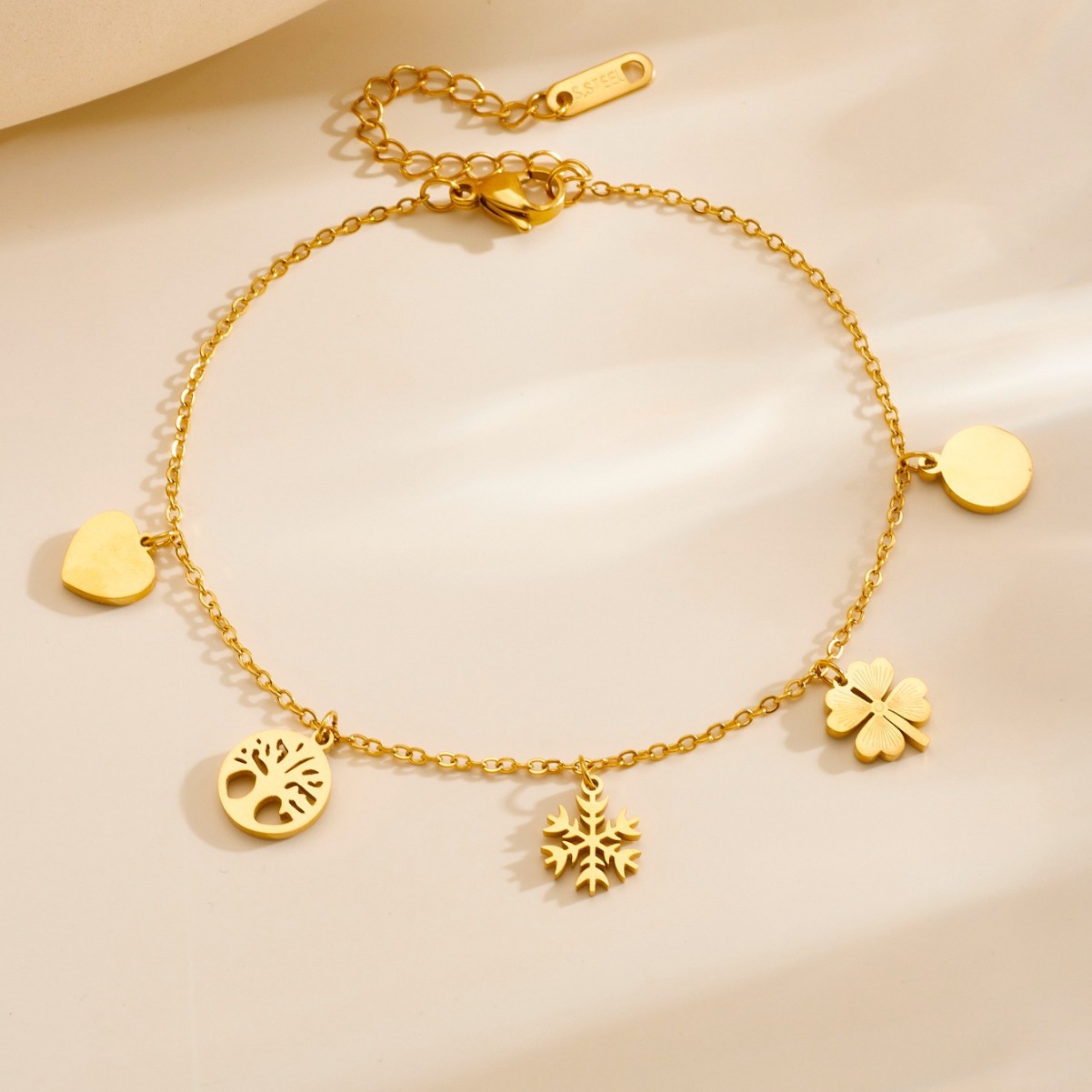
Beyond crosses, evil eyes, Hamsas, and zodiac signs, there are several other strong symbolic categories: (1) Tree of Life: Represents family, growth, interconnection, and Celtic/Nordic heritage. Popular as necklaces and wall hangings. Strong seller for Mother's Day and family gifts. (2) Star of David: The primary symbol of Judaism. Popular for Bat/Bar Mitzvah gifts, Hanukkah, and everyday wear for Jewish customers. (3) Om/Aum: The sacred sound of Hinduism and Buddhism. Popular among yoga and wellness communities. Sells well as necklaces and bracelets. (4) Lotus flower: Represents purity, enlightenment, and rebirth in Buddhism and Hinduism. Very popular in wellness and boho fashion circles. (5) Angel wings: Represents protection, faith, and remembrance of loved ones. Popular as memorial jewelry and for Christian customers. (6) Infinity symbol: Represents eternal love, friendship, and connection. One of the most popular non-religious symbolic jewelry categories. Strong for Valentine's Day and anniversary gifts. (7) Heart: The universal symbol of love. Always in demand, especially for Valentine's Day, anniversaries, and romantic gifts. (8) Moon and stars: Celestial symbols popular in boho and witchy fashion. Moon phase necklaces and star earrings are consistent sellers. (9) Anchor: Represents stability, hope, and nautical heritage. Popular for men and as a gift for sailors or graduates. (10) For a well-rounded symbolic jewelry collection, carry: crosses (30%), evil eye/Hamsa (20%), zodiac (20%), tree of life/infinity/heart (15%), and other symbols (15%). This covers the major cultural and spiritual categories while staying focused on best sellers.
- Cross is #1 religious category: Classic Latin (35%), crucifix (20%), CZ diamond (15%), sideways (10%), Celtic (10%).
- Chain lengths: Women 16-18", Men 20-24" (22" most popular), Children 14-16". Sell pendants separately for customization.
- Peak occasions: Easter (+30-50%), Christmas (#1 month), Baptism/First Communion (spring), Mother's Day.
- Evil eye is mainstream: Beyond cultural origins, driven by celebrities, wellness trend, and gift appeal. Bracelets are #1 seller.
- Hamsa = hand of protection: More ornate, higher price point ($20-$50). Often combined with evil eye for double protection.
- Zodiac is year-round: Birthday-driven, all 12 signs. Constellation necklaces with CZ most popular. Leo/Virgo/Libra highest birth months.
- Sell to non-religious too: Frame as "meaningful" and "fashion-forward." Style with casual outfits. Gift positioning works universally.
- Other strong symbols: Tree of life, Star of David, Om, lotus, angel wings, infinity, heart, moon/stars, anchor.
Final Symbolic Jewelry Advice
Religious and symbolic jewelry is a category that never goes out of style because it taps into something deeper than fashion: identity, faith, protection, and meaning. Customers who buy symbolic jewelry are buying a piece of themselves or a gift for someone they care about, and that emotional connection drives loyalty and repeat business.
The key to success in this category is respect and curation. Respect the cultural and religious meaning of each symbol, and curate a collection that covers the major traditions without spreading yourself too thin. Start with the big four (cross, evil eye, Hamsa, zodiac) and expand based on your customer base and sales data.
Stainless steel is an excellent material for symbolic jewelry because it is durable enough for daily wear, hypoallergenic for sensitive skin, and can be crafted into detailed designs with PVD gold or silver finishes. A stainless steel cross necklace or evil eye bracelet will last for years, becoming a meaningful keepsake for the wearer.
Whether your customer is buying a cross for their confirmation, an evil eye for a friend's new home, or a zodiac necklace for their birthday, symbolic jewelry meets a fundamental human need: to wear something that means something.
Related Reading
- Celestial Star and Moon Jewelry FAQ: Meaning, Styles, and Gifting — Meaning, Styles, Sun Moon Stars, Layering, Gifting, and Wholesale Buying Guide
- Birthstone Jewelry FAQ: All 12 Months, Meanings, and CZ Alternatives — All 12 Months, Meanings, CZ Alternatives, and Wholesale Buying
- Stainless Steel Necklaces Wholesale: Chains, Pendants & Layered Guide — Chains, Pendants & Layered Styles Buying Guide
- Men's Stainless Steel Jewelry FAQ: Styles, Sizing, and Wholesale Buying — Styles, Sizing, Materials, and Wholesale Buying Guide
Crosses · Evil Eye · Hamsa · Zodiac · Low MOQ $150
Request Symbolic Collection SamplesFactory-Direct Since 1998 · 316L Stainless · 31,000+ Styles