Birthstone Jewelry FAQ
All 12 Months, Meanings, CZ Alternatives, and Wholesale Buying
Birthstone Jewelry Is One of the Most Reliable Categories
Birthstone jewelry has been a staple of the jewelry industry for over a century, and it shows no signs of slowing down. Unlike trend-driven styles that come and go, birthstone jewelry sells year-round, with predictable peaks around each month's birthday season, Mother's Day, and the December holiday period. Customers buy birthstone jewelry for themselves, for children, for mothers, and as thoughtful gifts that feel personal without requiring custom sizing or engraving.
For wholesale buyers and boutique owners, birthstone jewelry is one of the lowest-risk categories you can stock. The demand is consistent, the product range is well-defined, and customers actively search for "January birthstone necklace" or "September sapphire ring" throughout the year. The key is understanding which stones sell best, how to price CZ (cubic zirconia) alternatives, and how to merchandise the collection for maximum sales.
This guide answers the most common questions about birthstone jewelry, from the official 12-month list and meanings to CZ alternatives, best-selling styles, and wholesale sourcing strategy. These answers are based on current jewelry industry data and what successful retailers are doing in 2026.
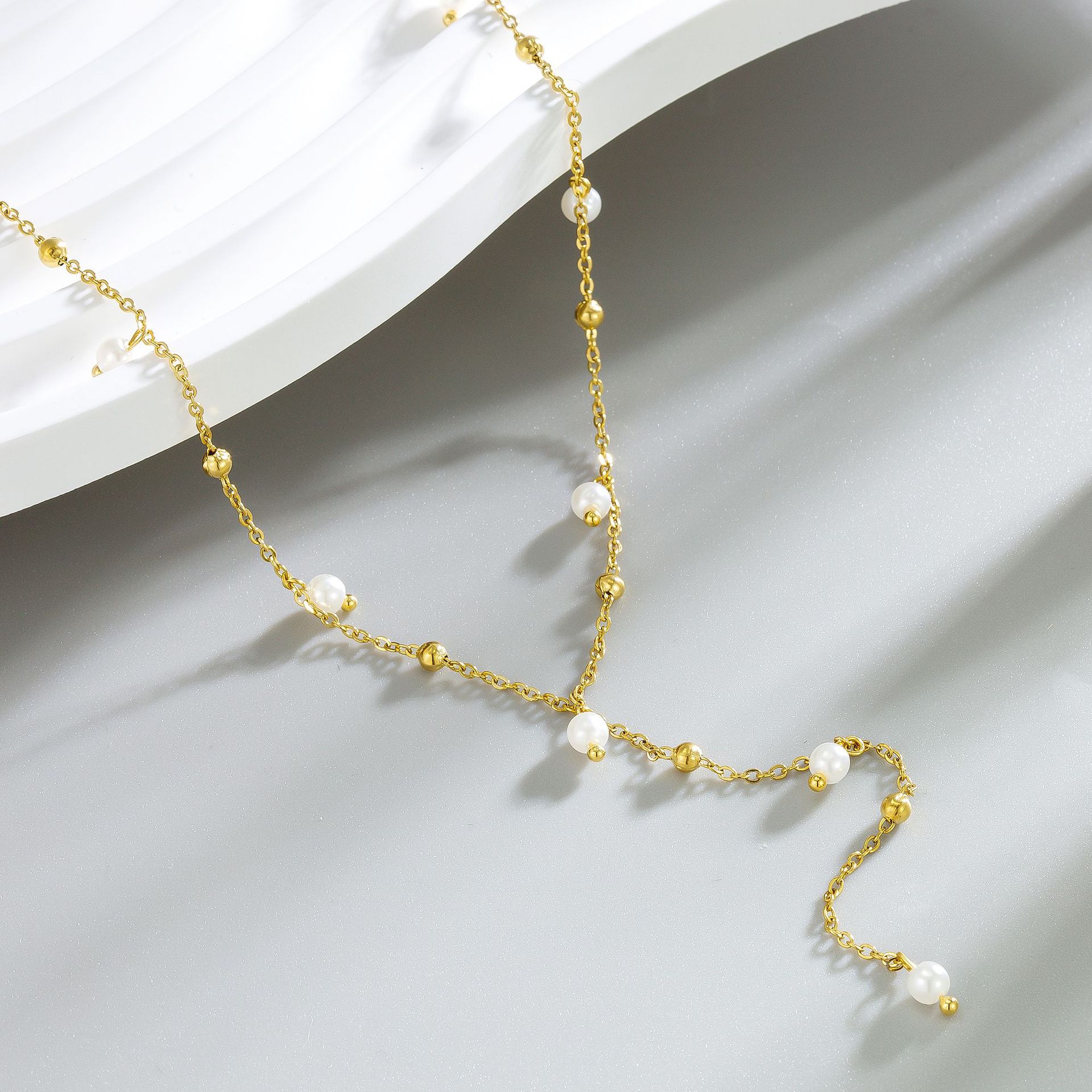
The birthstone opportunity: Birthstone jewelry has an average repeat purchase rate of 25 to 30%, because customers who buy one birthstone piece (their own) often come back to buy pieces for family members (children's birthstones, mother's rings, anniversary gifts). Mothers' rings with multiple birthstones have some of the highest average order values in the category, often $50 to $100 per piece. For retailers, a complete 12-month birthstone collection (rings, necklaces, earrings) creates a destination that customers return to throughout the year.
Birthstone Basics Questions
What are the official birthstones for each month?
The modern birthstone list, standardized by the American Gem Trade Association (AGTA) and the Gemological Institute of America (GIA), is: (1) January: Garnet (deep red) (2) February: Amethyst (purple) (3) March: Aquamarine (light blue) (4) April: Diamond (clear/white) (5) May: Emerald (green) (6) June: Pearl, Alexandrite, or Moonstone (white/iridescent) (7) July: Ruby (red) (8) August: Peridot, Spinel, or Sardonyx (green) (9) September: Sapphire (blue) (10) October: Opal or Tourmaline (pink/multi) (11) November: Topaz or Citrine (yellow/gold) (12) December: Turquoise, Zircon, or Tanzanite (blue/green). Several months have multiple accepted stones because the list has been updated over the years to include more affordable or more available alternatives. June, August, October, November, and December each have two or three options. For fashion jewelry with CZ stones, you only need to stock the primary color for each month: red (Jan), purple (Feb), light blue (Mar), clear (Apr), green (May), white/iridescent (Jun), red (Jul), green (Aug), blue (Sep), pink (Oct), yellow (Nov), blue-green (Dec).
Do birthstones go by month or by zodiac sign?
This is one of the most common customer questions, and the answer is clear: official birthstones go by calendar month, not by zodiac sign. The AGTA, GIA, and all major jewelers (Tiffany, Cartier, etc.) use the month-based system. However, there is also a separate zodiac stone tradition that assigns stones to astrological signs (Aries, Taurus, etc.), and some customers confuse the two. The confusion has real consequences: some shoppers pay 20 to 40% more for mislabeled "zodiac birthstone" jewelry that does not match the official month-based list. For retailers, use the month-based system in all product titles and descriptions, because that is what 90% of customers search for. You can mention zodiac stones as an alternative in your blog content, but do not label products by zodiac sign unless you are specifically selling a zodiac-themed collection. If a customer asks "I am a Taurus, what is my birthstone?", the correct answer is: "Taurus falls in late April and May, so your birthstone is diamond (April) or emerald (May), depending on your exact birth date." This is more helpful than citing the zodiac stone tradition.
What do the different birthstones mean and symbolize?
Each birthstone carries traditional meanings that customers find meaningful and that you can use in marketing: (1) January Garnet: Protection, strength, and security. Named for the Latin word for "seed" because it resembles a pomegranate seed. (2) February Amethyst: Calm, clarity, and sobriety. The word comes from the Greek for "not drunken," as the ancient Greeks believed it prevented intoxication. (3) March Aquamarine: Courage, clarity, and youth. Associated with the sea and believed to protect sailors. (4) April Diamond: Strength, eternity, and love. The hardest natural substance, symbolizing enduring commitment. (5) May Emerald: Love, rebirth, and wisdom. Associated with spring and fertility. (6) June Pearl/Moonstone: Purity, innocence, and intuition. Pearls are the only gemstone created by a living creature. (7) July Ruby: Passion, protection, and prosperity. The rarest and most valuable of the colored gemstones. (8) August Peridot: Strength, growth, and healing. Formed deep in the earth and brought to the surface by volcanoes. (9) September Sapphire: Wisdom, loyalty, and nobility. The favorite stone of royalty and clergy for centuries. (10) October Opal/Tourmaline: Hope, creativity, and confidence. Opal displays every color of the spectrum. (11) November Citrine/Topaz: Joy, abundance, and good fortune. Named for the French word for "lemon" because of its golden color. (12) December Turquoise/Tanzanite: Success, good fortune, and protection. Turquoise is one of the oldest known gemstones, used for over 6,000 years. Including these meanings in product descriptions and marketing makes birthstone jewelry feel more personal and gift-worthy.
Which birthstone jewelry sells best at wholesale and retail?
Based on wholesale sales data and retail trends, these are the best-selling birthstone categories: (1) Amethyst (February): Consistently the top-selling colored stone. Purple is universally flattering, and amethyst CZ is affordable and widely available. Sells well in rings, necklaces, and earrings. (2) Sapphire blue (September): The second bestseller. Deep blue is a classic, sophisticated color that appeals to a broad age range. (3) Clear/white (April): Diamond simulants in clear CZ sell year-round because they match everything and are the default "diamond look" for fashion jewelry. (4) Emerald green (May): Rich green is popular for both fashion and fine jewelry looks. (5) Ruby red (July): Classic red, strong around Valentine's Day and July birthdays. (6) Aquamarine light blue (March): Soft, wearable blue that sells well in spring. (7) Citrine yellow (November): Warm golden color, popular for fall and holiday gifts. (8) Pink (October): Tourmaline pink is trendy and appeals to younger customers. (9) The slower sellers are peridot green (August, similar to emerald but less rich), opal (October, hard to replicate in CZ), and turquoise (December, more niche/boho). For inventory, stock the top 6 months (Feb, Sep, Apr, May, Jul, Mar) at 2x the quantity of the slower months. This ensures you have enough of the bestsellers while still offering a complete 12-month collection.
| Month | Stone | CZ Color | Meaning | Demand Level | Best Styles |
|---|
| Jan | Garnet | Deep red | Protection, strength | Medium | Rings, studs |
| Feb | Amethyst | Purple | Calm, clarity | High | All categories |
| Mar | Aquamarine | Light blue | Courage, youth | Medium-High | Necklaces, earrings |
| Apr | Diamond | Clear/white | Eternity, love | High | All categories |
| May | Emerald | Green | Love, rebirth | High | Rings, pendants |
| Jun | Pearl/Moonstone | White/iridescent | Purity, intuition | Medium | Earrings, pendants |
| Jul | Ruby | Red | Passion, prosperity | High | Rings, necklaces |
| Aug | Peridot | Light green | Strength, healing | Low-Medium | Rings, studs |
| Sep | Sapphire | Blue | Wisdom, loyalty | High | All categories |
| Oct | Opal/Tourmaline | Pink/multi | Hope, creativity | Medium | Earrings, pendants |
| Nov | Citrine/Topaz | Yellow/gold | Joy, abundance | Medium | Rings, necklaces |
| Dec | Turquoise/Tanzanite | Blue-green | Success, fortune | Low-Medium | Rings, bracelets |
CZ and Fashion Jewelry Questions
Can I use CZ stones instead of real gemstones for birthstone jewelry?
Absolutely, and for fashion jewelry at the $15 to $50 price point, CZ (cubic zirconia) is the standard choice. Here is what you need to know: (1) CZ stones can be manufactured in any color, so you can match all 12 birthstone colors accurately. High-quality colored CZ is visually indistinguishable from the real gemstone to the untrained eye. (2) CZ is much more affordable than real gemstones. A 1-carat amethyst CZ costs $0.10 to $0.50 wholesale, while a real amethyst of the same size costs $5 to $50. This allows you to sell birthstone jewelry at accessible prices with healthy margins. (3) CZ is durable (8 to 8.5 on the Mohs scale), second only to diamond (10) and moissanite (9.25). It will not scratch or chip easily in normal wear. (4) The key to quality is the cut and setting. A well-cut CZ with good clarity and a secure setting looks expensive. A poorly cut CZ with a flimsy setting looks cheap. Inspect samples before ordering in bulk. (5) Be transparent in your product descriptions. Use terms like "amethyst-color CZ," "sapphire-blue cubic zirconia," or "birthstone-color crystal." Do not call CZ "real sapphire" or "genuine emerald," as this is misleading and can lead to returns and negative reviews. (6) For customers who want real gemstones, you can offer a premium line with genuine stones at higher prices ($50 to $150). But for the bulk of fashion jewelry sales, CZ is the right choice. (7) Stainless steel settings with CZ stones are an excellent combination: the setting is durable and hypoallergenic, and the stone provides the birthstone color. This is the most common and best-selling birthstone fashion jewelry on the market.
What birthstone jewelry styles should I stock?
A well-rounded birthstone collection should cover these categories, in order of sales volume: (1) Birthstone rings: The #1 birthstone category. Solitaire rings (single stone), halo rings (stone surrounded by small CZs), and three-stone rings. Sizes 5 to 10 for women, 7 to 12 for men. Birthstone rings sell consistently year-round. (2) Birthstone necklaces/pendants: The #2 category. Solitaire pendants (5mm to 8mm stone), heart-shaped pendants, and initial + birthstone combinations. On 16 to 18 inch chains. Strong for gift-giving. (3) Birthstone earrings: Stud earrings (3mm to 6mm stones) are the most popular. Drop earrings and halo earrings also sell. Earrings have the highest repeat purchase rate because customers buy multiple pairs. (4) Mothers/family rings: Rings with 2 to 6 stones representing children's or family members' birth months. Higher price point ($40 to $100) but very high margin and strong emotional appeal. (5) Birthstone bracelets: Tennis bracelets with birthstone-color CZs, or charm bracelets with birthstone charms. Growing category. (6) For a starting collection, stock: 12 birthstone rings (one per month), 12 birthstone stud earrings, 6 birthstone pendants (top 6 months), and 2 to 3 mothers rings. This is about 32 SKUs, which is manageable and covers the core demand. (7) Merchandising tip: Display birthstone jewelry grouped by month, not by category. A "February Birthday" section with amethyst rings, necklaces, and earrings together encourages customers to buy multiple pieces in the same color. This increases average order value by 20 to 30%.
How do I price birthstone jewelry for maximum profit?
Birthstone jewelry has strong pricing power because customers perceive it as meaningful and personal, not just a fashion accessory. Here is the pricing strategy: (1) Standard markup: 3x to 4x wholesale cost for fashion birthstone jewelry. A ring that costs you $4 wholesale retails for $16 to $20. A pendant that costs $5 wholesale retails for $20 to $25. (2) Mothers/family rings: 4x to 5x markup because of the emotional value and perceived customization. A 3-stone mothers ring that costs $8 wholesale can retail for $35 to $45. (3) Do not underprice birthstone jewelry. Customers expect to pay more for a "meaningful" piece than for a generic fashion ring. Pricing too low can actually reduce sales because it signals low quality. (4) Bundle pricing: "Buy any 2 birthstone pieces, save 15%." This encourages customers to buy a ring and earrings, or a necklace and bracelet, increasing average order value. (5) Gift pricing: Position birthstone jewelry as a gift with clear price points: "Under $20," "$20 to $40," "$40 and up." This helps gift shoppers find the right piece quickly. (6) Seasonal pricing: You can charge a small premium (10 to 15%) during the peak month for each stone. February amethyst can be priced slightly higher in January and February because demand is higher. But keep it subtle; customers notice if prices jump too much. (7) The key metric is margin, not volume. It is better to sell 10 birthstone rings at $25 (60% margin) than 20 at $15 (40% margin). The higher price also attracts a better-quality customer who is less likely to return or complain. (8) Always include free shipping on birthstone jewelry orders over $35. This is a common threshold and removes a purchase barrier for gift shoppers.
Retail and Marketing Questions
How do I market birthstone jewelry effectively?
Birthstone jewelry markets itself because customers actively search for it, but good marketing accelerates sales: (1) SEO: Create dedicated pages or collections for each month: "February Birthstone Jewelry," "September Sapphire Jewelry." Use keywords like "amethyst necklace," "sapphire ring," "birthstone gifts." These have high buying intent and lower competition than generic jewelry terms. (2) Content marketing: Blog posts like "What Is My Birthstone?" "The Complete Guide to Birthstone Meanings," "Best Birthstone Gifts for Mom." These attract organic search traffic and position you as an expert. (3) Email marketing: At the start of each month, send an email to your list highlighting that month's birthstone. "February birthdays are coming. Shop amethyst jewelry." Include product recommendations and a small discount. This drives consistent monthly sales. (4) Social media: Post birthstone content on the 1st of each month. "January babies, your stone is garnet, symbolizing protection and strength." Include product photos and a link to shop. Use hashtags like #birthstonejewelry, #amethyst, #birthdaygift. (5) Gift guides: Create "Birthday Gift Guide" collections for each month. Gift shoppers are your biggest customer segment for birthstone jewelry, and they appreciate curated recommendations. (6) Mother's Day and December: These are the two biggest seasons for birthstone jewelry. Promote mothers rings (multiple children's stones) heavily in April and May. Promote all birthstone jewelry as holiday gifts in November and December. (7) Personalization: Offer free engraving on birthstone pieces (a name, date, or initial). This increases perceived value and allows you to charge $5 to $10 more per piece. (8) The key is consistency. Birthstone jewelry is not a one-time promotion; it is a year-round marketing calendar. If you promote the right stone at the right time, every month brings a new wave of customers.
What are the most common customer questions about birthstone jewelry?
These are the questions customers ask most often, and having clear answers on your product pages reduces returns and increases conversion: (1) "What is my birthstone?" Answer with a complete 12-month chart on your website and in product descriptions. (2) "Is this a real gemstone?" Answer clearly: "This is a high-quality cubic zirconia (CZ) in the birthstone color, set in 316L stainless steel." Transparency builds trust. (3) "Will the stone color match the real gemstone?" Answer: "Our CZ stones are color-matched to the official birthstone colors. The amethyst CZ matches the purple of a real amethyst, the sapphire CZ matches the blue of a real sapphire, etc." (4) "Can I wear this every day?" Answer: "Yes. 316L stainless steel is durable, tarnish-resistant, and hypoallergenic. CZ stones are scratch-resistant (8.5 Mohs). This piece is designed for everyday wear." (5) "Do you have this in my size?" Answer with a complete size chart for rings (US sizes 4 to 12) and specify chain lengths for necklaces (16, 18, 20 inches). (6) "Is this a good gift?" Answer: "Birthstone jewelry is one of the most personal and thoughtful gifts you can give. It shows you paid attention to the recipient's birthday and chose something meaningful." (7) "Can I get a refund if I don't like it?" Answer with your return policy (30-day returns, unworn items). (8) Including these answers in an FAQ section on each birthstone product page or collection page reduces customer service inquiries by 30 to 40% and increases conversion because customers have all the information they need to buy with confidence.
How do I handle the months with multiple birthstones (June, October, etc.)?
Several months have multiple accepted birthstones, and this can confuse customers. Here is how to handle it: (1) For fashion jewelry with CZ stones, use the most popular and most recognizable color for each multi-stone month: June = white/clear (pearl/moonstone look), October = pink (tourmaline), November = yellow/gold (citrine), December = blue-green (turquoise/tanzanite), August = green (peridot). (2) In product descriptions, mention all accepted stones: "October birthstone: opal or tourmaline. This piece features a pink tourmaline-color CZ." This is accurate and informative. (3) For customers who specifically want the alternative stone (e.g., opal for October), you can offer a second option if demand justifies it. But for most stores, the primary color is sufficient. (4) The reason some months have multiple stones is historical. The original 1912 birthstone list had one stone per month. Over the years, the AGTA added alternatives to make birthstones more affordable and accessible (e.g., adding citrine as an alternative to topaz in November because topaz was more expensive). (5) Do not create separate product listings for each alternative stone unless you have confirmed demand. It creates inventory complexity and customer confusion. One primary color per month is the standard approach. (6) For June, pearl is the traditional stone but moonstone and alexandrite are also accepted. In fashion jewelry, a white/iridescent CZ or a faux pearl works for all three. This is the most common approach. (7) The key is to be accurate but not overwhelming. Customers want to know "what color is my birthstone?" not a history lesson. Give them the answer clearly, and mention alternatives briefly.
- 12-month list: Jan garnet(red), Feb amethyst(purple), Mar aquamarine(light blue), Apr diamond(clear), May emerald(green), Jun pearl(white), Jul ruby(red), Aug peridot(green), Sep sapphire(blue), Oct opal(pink), Nov citrine(yellow), Dec turquoise(blue-green).
- Best sellers: Amethyst(Feb), sapphire(Sep), clear(Apr), emerald(May), ruby(Jul). Stock these at 2x quantity.
- CZ is standard: Color-matched CZ in stainless steel settings. Affordable, durable, visually identical to real gems. Be transparent in descriptions.
- Top styles: Rings (#1), necklaces/pendants (#2), stud earrings (#3), mothers rings (high AOV).
- Pricing: 3-4x markup for standard, 4-5x for mothers rings. Do not underprice; birthstone = meaningful = higher perceived value.
- Marketing calendar: Promote each month's stone on the 1st. Email + social. Mother's Day (Apr-May) and December are peak seasons.
- Merchandising: Group by month, not by category. "February Birthday" section with ring + necklace + earrings together.
- FAQ on product pages: Include 12-month chart, CZ disclosure, care instructions, sizing. Reduces inquiries 30-40%.
Final Birthstone Jewelry Advice
Birthstone jewelry is one of the most reliable categories in fashion retail because it is driven by birthdays, which happen every month, every year, for every customer. Unlike trend-driven styles that can fade in a season, birthstone demand is predictable and recurring. A customer who buys her own birthstone ring this year may come back next year for a necklace, and the year after for a mothers ring with her children's stones.
For wholesale buyers, the strategy is simple: stock a complete 12-month collection with extra depth in the top-selling months (February, September, April, May, July), use high-quality CZ stones in durable stainless steel settings, price for margin rather than volume, and market each month's stone consistently throughout the year. This creates a year-round revenue stream that complements your trend-driven inventory.
The emotional nature of birthstone jewelry is your biggest advantage. Customers do not buy a purple ring because it is cheap; they buy it because it represents someone they love, a month that matters, or a personal connection. Lean into that meaning in your marketing, and your birthstone collection will become one of your most profitable categories.
Related Reading
- Jewelry Wholesale Seasonality: Your Year-Round Buying Calendar — Your Year-Round Buying Calendar
- Wedding and Bridal Jewelry FAQ: Bridal Sets, Bridesmaid Gifts, and Wedding Bands — Bridal Sets, Bridesmaid Gifts, Wedding Bands, and Wholesale Buying
- Religious and Symbolic Jewelry FAQ: Cross, Evil Eye, Hamsa, and Zodiac — Cross, Evil Eye, Hamsa, Zodiac, Spiritual Symbols, and Wholesale Sourcing
- Men's Stainless Steel Jewelry FAQ: Styles, Sizing, and Wholesale Buying — Styles, Sizing, Materials, and Wholesale Buying Guide
All 12 Months · CZ Stones · 316L Stainless · Low MOQ $150
Request Birthstone Collection CatalogFactory-Direct Since 1998 · 31,000+ Styles · PVD Gold Finish