Men's Stainless Steel Jewelry FAQ
Styles, Sizing, Materials, and Wholesale Buying Guide
The Fastest Growing Segment in Jewelry
Men's jewelry is no longer a niche category. Over the past five years, the men's jewelry market has grown steadily, with stainless steel leading the charge. Younger men, particularly Gen Z and millennials, are wearing jewelry more than ever before: chains, rings, bracelets, earrings. What was once considered unconventional is now mainstream.
For wholesale buyers and retailers, this represents a significant opportunity. Men's jewelry typically has higher average order values, lower return rates, and strong repeat purchase behavior. Men who buy jewelry tend to buy multiple pieces and stick with brands they trust. Stainless steel is the ideal material for men's jewelry because it's durable, affordable, hypoallergenic, and requires minimal maintenance.
This guide answers the most common questions about men's stainless steel jewelry, from styling and sizing to wholesale purchasing and market trends. Whether you're adding a men's collection to your store or building a men's-focused brand from scratch, these answers will help you make smarter buying decisions.
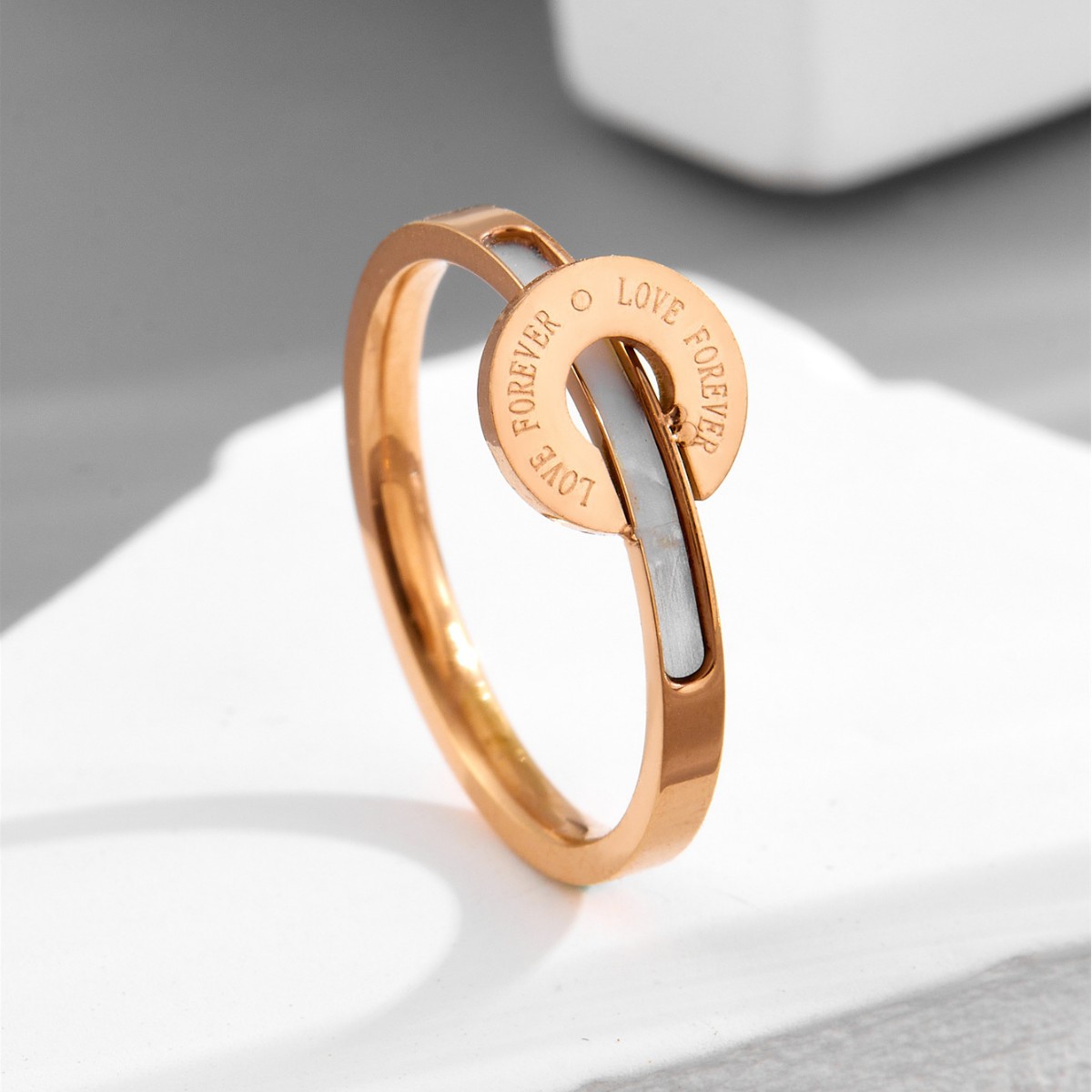
Why stainless steel for men's jewelry: Men are harder on jewelry than women. They wear it to the gym, to work, in the shower. 316L stainless steel can handle all of it. It won't tarnish, won't turn skin green, and resists scratches better than silver or gold plating. For active men who want jewelry that lasts, stainless steel is the practical choice. It's also significantly cheaper than precious metals, which means higher margins for retailers and lower price points for customers.
Style and Trend Questions
What are the most popular men's stainless steel jewelry styles in 2026?
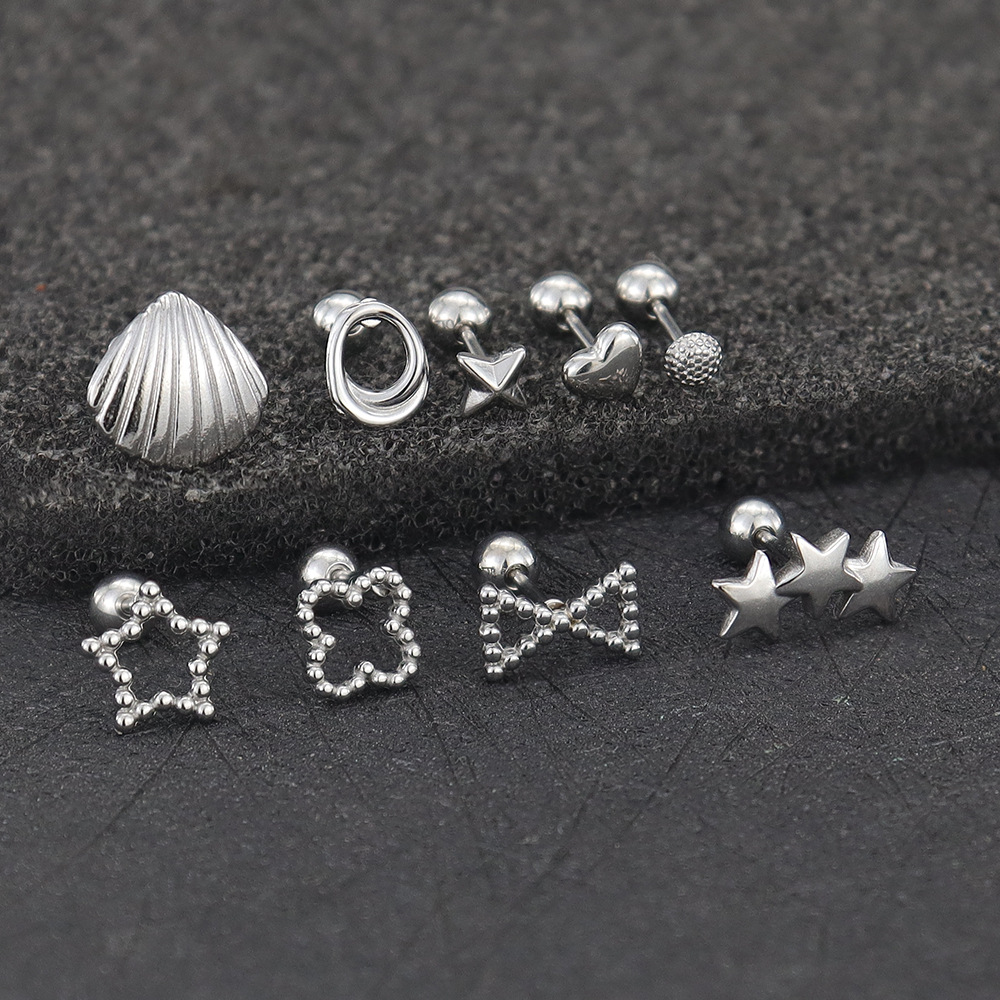
The top-selling men's stainless steel styles right now are: (1) Chain necklaces, especially Cuban link chains, figaro chains, and rope chains in 3mm to 6mm widths. These are the foundation of men's jewelry and sell year-round. (2) Signet rings and pinky rings with engravable surfaces. Personalization is a huge driver in men's jewelry. (3) Leather and stainless steel bracelets, particularly magnetic clasp styles. These appeal to men who want something rugged and casual. (4) Stud earrings, both simple ball studs and geometric designs. Single-earring looks remain popular. (5) Cross and religious pendants, consistently strong sellers. (6) Minimalist bands and wedding bands in black IP plating. Black stainless steel has grown significantly as men seek alternatives to traditional silver and gold. When buying for retail, start with chains and rings as your core categories, then add bracelets and earrings as the collection grows.
Should I stock gold-tone, silver-tone, or black men's jewelry?
Stock all three, but in different proportions. Silver-tone (natural stainless steel) is the baseline and accounts for about 40% of men's jewelry sales. It's versatile, understated, and matches everything. Gold-tone (PVD gold plating) accounts for about 35% and is especially popular with younger customers and for statement pieces. Black IP plating accounts for about 25% and is the fastest growing finish, particularly for rings and bracelets. The key is to offer the same style in multiple finishes when possible. A Cuban chain in silver, gold, and black gives customers options and increases your sales per style. For new buyers, start with 50% silver, 30% gold, 20% black. Adjust based on what sells in your specific market. PVD gold plating on 316L stainless steel is durable and long-lasting, much better than traditional electroplating which can wear off in months.
What sizes should I carry for men's chains and bracelets?
For men's necklaces, the most popular lengths are 20 inches (most common, sits at the collarbone), 22 inches (slightly longer, popular for layering), and 24 inches (longer, statement look). Carry 20 inch as your core size, with 22 and 24 as secondary options. 18 inch is too short for most men, and 26+ inch is a niche size. For bracelets, the standard men's sizes are 8 inches (most common), 8.5 inches, and 9 inches. Carry 8 inch as your primary size. For rings, men's sizes range from 7 to 13, with 9, 10, and 11 being the most popular. Carry sizes 8 through 12 for best coverage. When in doubt, size up: men generally prefer slightly looser jewelry rather than tight. For wholesale orders, buy a range of sizes but weight your inventory toward the most popular sizes: 40% size 9/10 rings, 40% 20 inch chains, 40% 8 inch bracelets.
Is men's jewelry seasonal, and when should I stock up?
Men's jewelry is less seasonal than women's jewelry, but there are still peak periods. The biggest season is Christmas and holiday gift-giving (November and December), when women buy jewelry for the men in their lives. Father's Day (June) is the second biggest season. Valentine's Day (February) is growing as women buy gifts for partners. Graduation season (May and June) also drives sales. The slowest months are typically January and late summer (July and August). Plan your inventory accordingly: build up stock in October for Christmas, in April for Father's Day and graduation. During slow months, focus on marketing and new product launches rather than heavy inventory buys. Men's jewelry also has strong gifting dynamics: about 60% of men's jewelry is purchased by women as gifts, not by men for themselves. This means your marketing should speak to gift buyers as much as to male customers.
| Category | Most Popular Styles | Core Sizes | Typical Retail Price | Wholesale Cost |
|---|
| Necklaces | Cuban link, figaro, rope, cross pendant | 20", 22", 24" | $25-$80 | $3-$12 |
| Rings | Signet, band, pinky, wedding band | Sizes 8-12 (9-11 core) | $20-$60 | $2-$10 |
| Bracelets | Leather+steel, chain, cuff, magnetic | 8", 8.5", 9" | $20-$55 | $2-$9 |
| Earrings | Stud, hoop, cross, geometric | One size (studs) | $15-$40 | $1.50-$6 |
| Sets | Chain+bracelet, ring+necklace | Mixed | $40-$120 | $5-$18 |
Material and Quality Questions
Is 316L stainless steel good quality for men's jewelry?
Yes, 316L is the premium grade of stainless steel used for jewelry, and it's especially well-suited for men's pieces. The "L" stands for low carbon, which makes the metal more resistant to corrosion and easier to work with. 316L contains 16-18% chromium and 10-14% nickel, plus 2-3% molybdenum for extra corrosion resistance. This means it can withstand sweat, shower water, chlorine, and daily wear without tarnishing or rusting. For men who wear jewelry to the gym or in the shower, 316L is essential. Cheaper grades like 201 or 304 stainless steel may corrode or discolor with prolonged exposure to moisture. Always verify that your supplier uses genuine 316L by asking for material certificates. At Showfay, all our jewelry is made from 316L stainless steel and we provide material documentation on request.
How durable is PVD gold plating on men's stainless steel jewelry?
PVD (Physical Vapor Deposition) gold plating is significantly more durable than traditional electroplating. On 316L stainless steel, quality PVD plating can last 2 to 5 years with normal daily wear, including showering and gym use. The plating is applied in a vacuum chamber at high temperature, creating a molecular bond with the steel surface. This makes it much harder and more scratch-resistant than electroplated gold. However, PVD plating can still wear over time on high-contact areas like the inside of rings and the clasp of bracelets. To maximize lifespan, advise customers to avoid harsh chemicals (bleach, chlorine, cleaning products) and abrasive materials. For wholesale buyers, always ask about plating thickness: quality PVD is 0.5 to 1 micron. Thinner plating (below 0.3 micron) will wear off in months. We use 0.8 micron PVD plating on all our gold-tone pieces.
Can men with sensitive skin wear stainless steel jewelry?
Yes, 316L stainless steel is one of the most hypoallergenic metals available for jewelry. It's widely used in medical implants and surgical instruments because the body tolerates it extremely well. The nickel content in 316L is tightly bound in the metal alloy and doesn't leach out in normal conditions, unlike cheap alloy jewelry where nickel can cause skin irritation and green discoloration. For men who have had reactions to costume jewelry or even some silver pieces, 316L stainless steel is usually a safe alternative. That said, a very small percentage of people (less than 5%) have severe nickel allergies and may still react. For those customers, titanium is the next step up, but it's significantly more expensive. When marketing men's stainless steel jewelry, emphasize the hypoallergenic property: it's a major selling point for customers who've had bad experiences with other metals.
Wholesale Buying Questions
How much should I invest in a men's jewelry collection to start?
If you're adding men's jewelry to an existing women's jewelry store, start with $300 to $500. That's about 20 to 30 styles across the core categories: 8 to 10 necklaces, 6 to 8 rings, 4 to 6 bracelets, and 4 to 6 earring styles. Buy 2 to 3 pieces per style, with extra stock in the most popular sizes. If you're starting a men's-focused brand from scratch, invest $500 to $800 for a more complete collection of 30 to 40 styles. The key is to offer enough variety that customers can build a look (chain + ring + bracelet) without overwhelming them with too many choices. Focus on classic, timeless styles first: Cuban chains, simple bands, leather bracelets. Trendy pieces can come later once you know what your customers like. Men tend to be brand-loyal once they find a style they like, so quality and consistency matter more than having 100 different options.
What's the profit margin on men's stainless steel jewelry?
Men's stainless steel jewelry typically has excellent profit margins because the wholesale cost is low and perceived value is high. A Cuban chain that costs you $4 to $6 wholesale can retail for $30 to $50, a 5x to 8x markup. A signet ring costing $3 to $5 can retail for $25 to $40. A leather bracelet costing $2.50 to $4 can retail for $20 to $35. The average markup across men's stainless steel jewelry is 4x to 6x wholesale cost, which translates to 75-83% gross margin. After accounting for packaging, shipping, platform fees, and marketing, net margins are typically 30-50%. Men's jewelry has an advantage over women's jewelry in that men tend to buy fewer but more expensive pieces, and they're less likely to return items. The combination of high margins and low return rates makes men's stainless steel jewelry one of the most profitable categories in fashion jewelry.
Should I offer engraving or personalization for men's jewelry?
Yes, personalization is one of the biggest growth drivers in men's jewelry. Engravable signet rings, monogram pendants, and custom message bracelets consistently outperform non-personalized pieces. Men appreciate jewelry that has meaning, and engraving adds sentimental value that justifies higher prices. You can charge $10 to $25 for engraving, which is almost pure profit. For wholesale buyers, look for suppliers who offer laser engraving services. At Showfay, we offer laser engraving on rings, pendants, and bracelets with a minimum of 50 pieces per style and a setup fee of $30 to $50. If you're not ready for custom engraving, stock engravable styles and offer to have them engraved locally or use a handheld engraving pen (costs $30 to $80). Personalized jewelry also has lower return rates because customers feel the piece is uniquely theirs.
- Core categories: Chains (40% of sales), rings (25%), bracelets (20%), earrings (15%).
- Finish mix: 50% silver, 30% gold PVD, 20% black IP. Black is fastest growing.
- Core sizes: 20" chains, size 9-10 rings, 8" bracelets. Weight inventory toward these.
- Peak seasons: Christmas (Nov-Dec), Father's Day (June), Valentine's, graduation.
- 60% bought by women as gifts. Market to gift buyers too.
- Margins: 4-6x markup, 75-83% gross margin, 30-50% net margin.
- Personalization: Engraving adds $10-$25 per piece, almost pure profit, lower returns.
- Start with $300-$500 for 20-30 styles if adding to existing store.
Final Advice for Men's Jewelry Buyers
The men's jewelry market is still growing, and there's plenty of room for new brands and retailers. The customers who buy men's stainless steel jewelry aren't looking for fine jewelry; they're looking for durable, stylish pieces that fit their lifestyle and don't require special care. That's exactly what 316L stainless steel delivers.
Start with the classics: a few good chains, some solid rings, a couple of bracelet styles. Offer silver, gold, and black finishes. Get the sizes right. Add personalization when you can. Market to both men buying for themselves and women buying gifts. The rest takes care of itself.
Men are loyal customers. Once a man finds a jewelry brand that fits his style and lasts, he'll come back for years. Build that trust with quality products and fair prices, and you'll have customers for life.
Related Reading
- Men's Stainless Steel Jewelry: Styles, Trends & Wholesale Guide — Styles, Trends & Wholesale Guide
- Stainless Steel Jewelry FAQ: Answers to Your Most Common Questions — Answers to Your Most Common Questions
- Stainless Steel Bracelets and Rings FAQ: Sizing, Styles, Stacking, and Care — Sizing, Styles, Stacking, and Care
- Chunky and Statement Jewelry FAQ: Bold Chains, Oversized Hoops, and Styling — Bold Chains, Oversized Hoops, Sculptural Pieces, and How to Style Them
316L Stainless · PVD Plating · Low MOQ $150
Request Engraving QuoteFactory-Direct Since 1998 · 31,000+ Styles · Laser Engraving Available