Stainless Steel Earrings FAQ
Styles, Sizing, and Wholesale Buying Answered
Everything You Wanted to Know About Earrings
Earrings are consistently one of the top-selling categories in any jewelry store. They're affordable, easy to wear, and customers buy them in pairs or multiples. But if you're new to selling earrings, you probably have questions. What styles sell best? How do I size hoop earrings? Are stainless steel earrings safe for sensitive ears? How much should I stock?
After 25 years of manufacturing and selling stainless steel earrings to retailers around the world, we've heard just about every question. This guide collects the most common ones and gives you straight, practical answers based on real sales data and customer feedback.
Whether you're a consumer trying to find the right pair or a retailer building your earring collection, you'll find what you need here.
Quick fact: Earrings account for about 30-35% of total jewelry sales for most retailers. They have the highest turnover rate of any jewelry category because customers buy multiple pairs and replace them more often. A well-curated earring collection can drive more revenue per square inch of display space than any other category.
Style and Type Questions
What are the most popular earring styles right now?
Based on our wholesale sales data, the top-selling earring styles in 2026 are: (1) Small to medium hoop earrings (15-30mm), which make up about 25% of earring sales. Hoops never go out of style and work for every occasion. (2) Stud earrings, especially CZ studs and pearl studs, about 20% of sales. They're the everyday workhorse. (3) Drop and dangle earrings, about 18% of sales, strong for evenings and special occasions. (4) Huggie hoops (small, snug-fitting hoops), growing fast at about 15% of sales. (5) Ear cuffs and crawlers, about 10% of sales, popular with younger customers. The remaining 12% is split between chandeliers, threaders, and other styles. For a new collection, start with hoops and studs, then add drops and huggies once you know what your customers like.
What's the difference between hoop, huggie, and sleeper earrings?
These three styles are often confused, but they're distinct. Hoop earrings are circular or semi-circular and come in sizes from tiny 8mm to oversized 80mm. They fasten with a hinge and a clasp that clicks into place. Huggie earrings are a type of small hoop (usually 8-15mm) that "hugs" the earlobe closely. They're thicker and more substantial than regular small hoops. Sleeper earrings are small, lightweight hoops designed to be worn 24/7, including while sleeping. They have a smooth, rounded wire and a simple clasp that won't dig into your ear. All three are popular, but huggies are the trendiest right now, while classic hoops are the steady sellers and sleepers are a niche but loyal category.
What size hoop earrings should I stock?
For a balanced collection, stock hoops in three sizes: small (15-20mm), medium (25-35mm), and large (40-50mm). Small hoops are everyday wear and the safest bet for new customers. Medium hoops are the most versatile and sell consistently year-round. Large hoops are statement pieces that sell well in spring and summer. If you can only stock one size, go with 25-30mm medium hoops, they're the most popular size across all age groups. Buy 5-10 pairs of each size in both gold and steel finishes. Avoid very small hoops (under 10mm) and very large hoops (over 60mm) unless you know your customer base specifically wants them.
Are stud earrings still popular, or are hoops taking over?
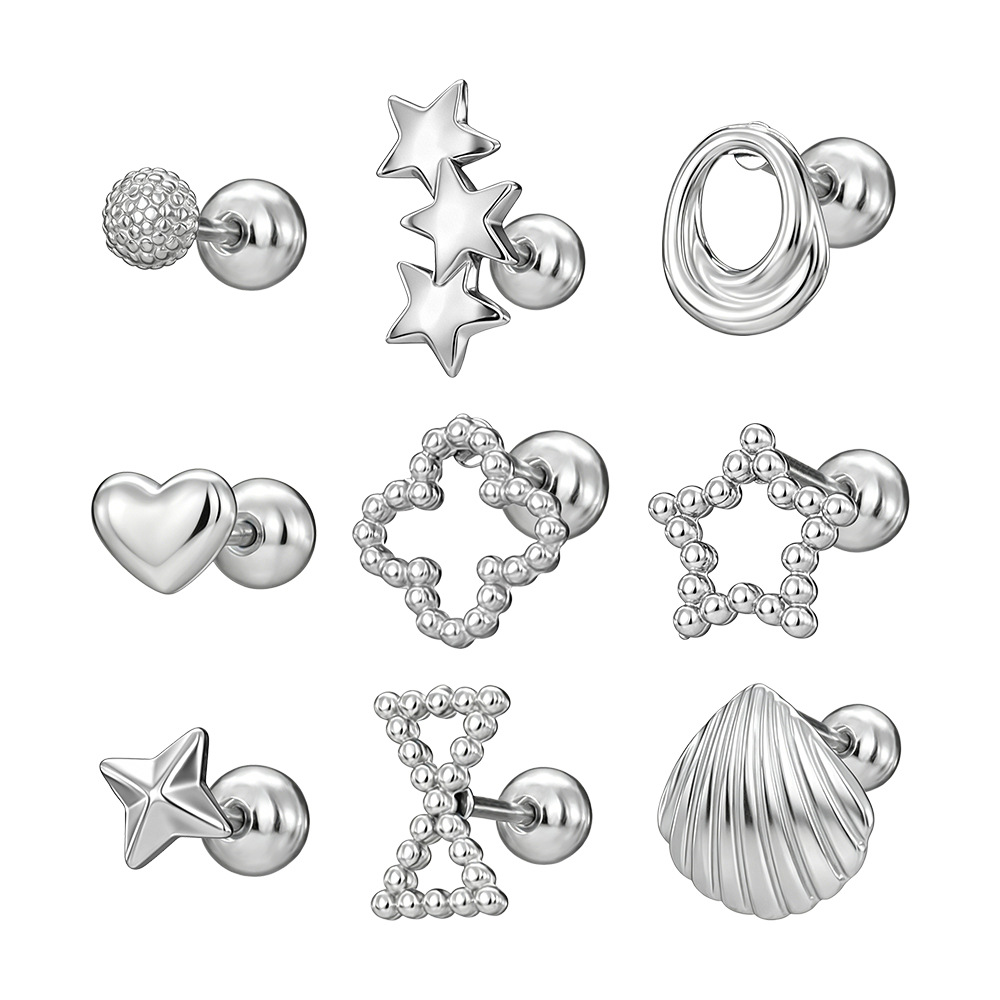
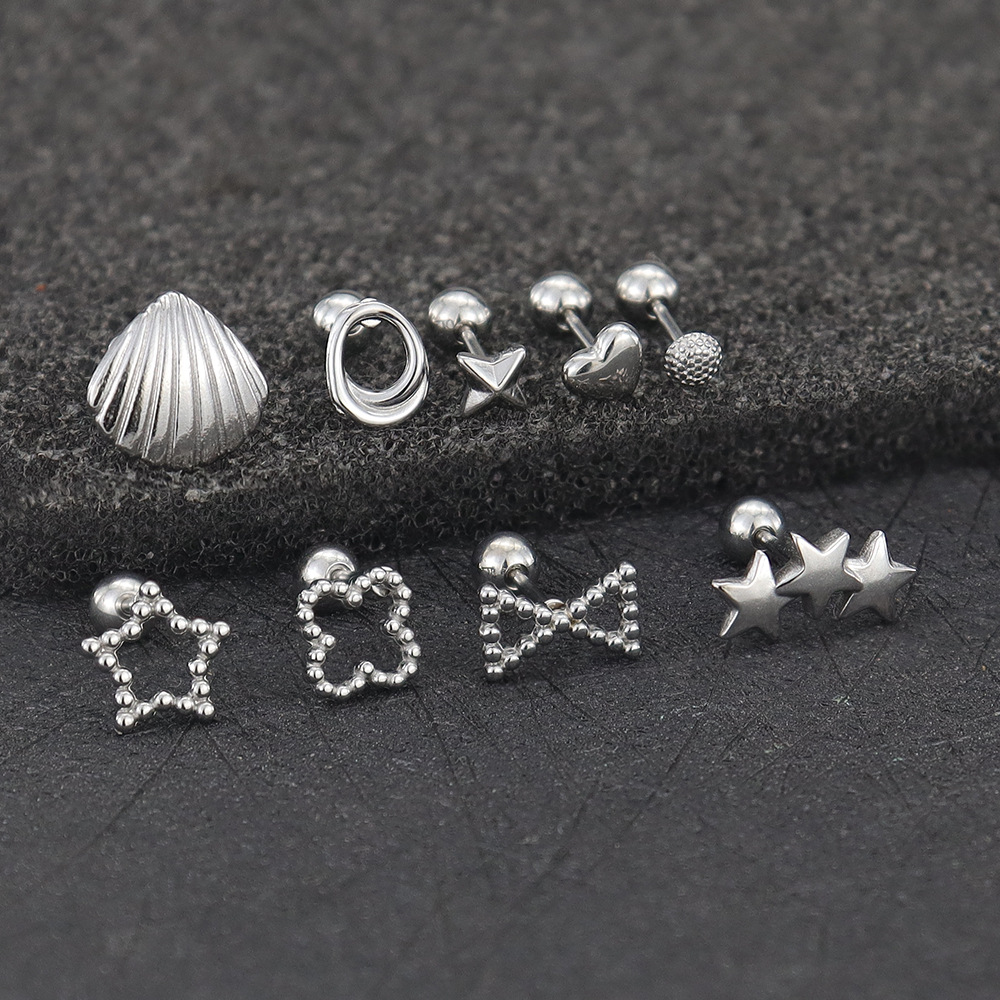
Studs are still very popular and will never go away. They're the most comfortable everyday earring and the first choice for people with multiple piercings (you can wear a stud in one piercing and a hoop in another). What's changed is that customers are buying more variety now. Instead of owning one pair of diamond studs, they own CZ studs, pearl studs, ball studs, and geometric studs in multiple colors. For retailers, studs are a high-volume, low-ticket item that drives traffic and repeat purchases. We recommend stocking at least 5-8 different stud styles in your collection. CZ studs in 3mm, 5mm, and 8mm sizes are the top sellers, followed by pearl studs and minimalist geometric studs.
Sizing and Fit Questions
What gauge are standard earring posts, and will they fit my customers?
Standard earring posts for fashion earrings are 20 gauge (0.8mm thick) or 21 gauge (0.7mm thick). This fits the vast majority of ear piercings, which are typically done at 18-20 gauge. All of our stainless steel earrings use standard 20 gauge posts, so they'll fit almost everyone. The only exception is customers with stretched piercings (gauges), who need larger sizes, but that's a niche market. If a customer says earrings don't fit, it's usually because the post is bent or the clasp is too tight, not because the gauge is wrong. We recommend keeping a small pair of pliers handy to gently adjust posts and clasps for customers.
How do I measure hoop earring size?
Hoop earring size is measured by the outside diameter in millimeters. A 20mm hoop is 20mm (about 0.8 inches) across at its widest point. To help customers visualize, use this guide: 8-12mm is a small huggie that sits close to the earlobe. 15-20mm is a small hoop that hangs just below the earlobe. 25-35mm is a medium hoop that hangs to about mid-neck level. 40-50mm is a large hoop that makes a statement. 60mm+ is an oversized hoop for bold looks. When listing earrings online, always include the diameter in both millimeters and a description of how they fit (e.g., "30mm medium hoops, hangs just below the earlobe"). This reduces returns from customers who guessed wrong about the size.
What earring back is most secure?
There are several types of earring backs, and security varies. Friction backs (the standard butterfly-style push back) are the most common but can loosen over time and fall off. Screw backs are more secure because they thread onto the post, but they're slower to put on and take off. Lever backs (used on hoops and some dangle earrings) are very secure because they click shut and require a deliberate squeeze to open. For stud earrings, we recommend friction backs for everyday wear, but offer screw backs as an upgrade for customers who are worried about losing earrings. For hoop earrings, the hinge-and-click clasp is standard and secure enough for most wearers. We also recommend telling customers to check their earring backs periodically and replace them if they feel loose.
| Style | Popular Size | Wholesale Price | Retail Price | Best For |
|---|
| Small hoops | 15-20mm | $1.50 - $3 | $10 - $18 | Everyday, office |
| Medium hoops | 25-35mm | $2 - $4 | $12 - $22 | Versatile, most popular |
| Large hoops | 40-50mm | $2.50 - $5 | $15 - $28 | Statement, evening |
| CZ studs | 3-8mm stone | $1 - $3 | $10 - $20 | Everyday, gifts |
| Drop earrings | 30-50mm length | $2 - $5 | $15 - $28 | Evening, parties |
| Huggie hoops | 8-15mm | $1.50 - $3.50 | $12 - $22 | Trendy, multiple piercings |
Material and Safety Questions
Are stainless steel earrings safe for newly pierced ears?
Yes, 316L stainless steel is one of the safest materials for newly pierced ears. It's the same material used in medical implants and surgical instruments, so it's biocompatible and won't react with healing skin. Unlike cheap costume earrings made from brass or zinc alloy, 316L stainless steel doesn't leach nickel or other irritants that can cause infection or allergic reactions. That said, for brand-new piercings (less than 6 weeks old), we recommend keeping the original piercing stud in until the piercing is fully healed. Once healed, 316L stainless steel earrings are an excellent choice for everyday wear. If a customer has a history of piercing infections or very sensitive skin, stainless steel is the safest affordable option.
Will stainless steel earrings turn my ears green or black?
No, quality 316L stainless steel earrings will not turn your ears green or black. The green or black discoloration people sometimes get from earrings is caused by copper or other base metals in cheap costume jewelry reacting with skin oils and sweat. 316L stainless steel contains no copper in contact with the skin, and the chromium oxide layer on the surface prevents corrosion and discoloration. If a customer reports discoloration from "stainless steel" earrings, the earrings are likely made from a cheaper grade (201 stainless) or are actually brass with a thin stainless steel coating. Always buy from a supplier who guarantees 316L surgical-grade stainless steel. At Showfay, all our earrings are 316L, and we've never had a customer report skin discoloration.
Can I wear stainless steel earrings in the shower or swimming pool?
Yes, you can wear 316L stainless steel earrings in the shower, swimming pool, and even the ocean. The metal won't rust, tarnish, or corrode from water exposure. However, there are a couple of practical considerations. First, earrings with CZ or other gemstones should be rinsed after swimming in heavily chlorinated pools, as chlorine can, over long periods, dull the stone's sparkle. Second, hoop earrings can sometimes catch on towels or hair when wet, so be careful when drying off. Third, if you have very new piercings (under 6 weeks), it's generally best to keep them dry to promote healing. For fully healed piercings, wearing stainless steel earrings in water is completely fine and one of the advantages over fashion jewelry.
How do I clean stainless steel earrings?
Cleaning stainless steel earrings is simple. Mix warm water with a few drops of mild dish soap, dip a soft toothbrush in the solution, and gently scrub the earrings, paying attention to the crevices around stones and clasps. Rinse with clean water and dry thoroughly with a soft cloth. For extra shine, use a jewelry polishing cloth. Avoid harsh chemicals like bleach, ammonia, or abrasive cleaners, as these can damage the PVD gold or rose gold finish. For earrings with CZ stones, avoid soaking for long periods, as water can get under the settings and loosen the glue over time. We recommend cleaning earrings every 2-4 weeks for daily wear, and always before storing them for long periods.
- Top sellers: Medium hoops (25-35mm), CZ studs (3-8mm), drop earrings.
- Stock both finishes: PVD gold and polished steel. Gold is about 55% of sales, steel 45%.
- Standard gauge: 20 gauge (0.8mm) fits almost everyone.
- Safe for sensitive ears: 316L is hypoallergenic and safe for new piercings.
- Water-safe: Shower and swimming are fine. Rinse after chlorine exposure.
- Cleaning: Soap, water, soft brush. No harsh chemicals.
- Display tip: Show earrings on ear displays so customers can see how they look when worn.
Wholesale and Business Questions
How many pairs of earrings should I order for my first batch?
For a first order, we recommend 30-50 pairs total, spread across 10-15 different styles. Buy 3-5 pairs of each style. This gives you enough variety to test what sells without overcommitting to any single style. Focus on proven sellers: 3-4 hoop styles (small, medium, large in gold and steel), 3-4 stud styles (CZ, pearl, ball, geometric), 2-3 drop earring styles, and 1-2 huggie or ear cuff styles. Once you've been selling for 4-6 weeks, identify your top 5 sellers and reorder those in larger quantities (10-20 pairs each). Drop the styles that haven't sold. Earrings have a fast turnover, so you'll know within a month what your customers want.
What's the average profit margin on stainless steel earrings?
Stainless steel earrings have excellent profit margins. With a 4-6x markup, your gross margin is 75-83%. A pair of hoops that costs you $2.50 wholesale retails for $15-$20. After accounting for packaging ($0.50), platform fees ($2-3), payment processing ($0.60-$0.90), and marketing ($2-3), your net profit is about $5-$8 per pair (30-40% net margin). Earrings are also great for increasing average order value, customers often buy 2-3 pairs at once, or add a pair to a necklace or bracelet purchase. "Buy 2, Get 1 Free" or "3 pairs for $30" promotions work very well with earrings and can significantly boost your revenue.
How do I display earrings to maximize sales?
Good earring display can double your sales. Here's what works: (1) Use earring displays (stands or cards) that show the earrings at eye level, not flat in a drawer. (2) Group by style: all hoops together, all studs together, all drops together. Customers shop by style, not by price. (3) Show earrings on ear-shaped displays so customers can see how they look when worn. (4) Create styled looks: pair earrings with matching necklaces or bracelets to encourage multiple purchases. (5) Keep displays clean and uncluttered, too many earrings in one space overwhelms customers. (6) For online stores, use lifestyle photos (earrings on a model) in addition to product photos. Lifestyle photos consistently convert better than flat product shots for earrings.
Should I sell earrings individually or in pairs/sets?
Earrings are almost always sold in pairs (one pair = two earrings), and that's what customers expect. But you can also create sets to increase average order value. Popular set ideas include: a "stud pack" with 3-5 pairs of different stud styles for $25-$35, a "hoop set" with small, medium, and large hoops for $35-$50, or a "curated ear set" with studs, huggies, and a cuff for $30-$45. Sets work because they offer a discount compared to buying individually (usually 15-20% off) while increasing your total sale. We recommend selling most earrings as individual pairs, but offering 2-3 curated sets as upsell options. This gives customers choice while encouraging larger purchases.
Final Tips for Earring Success
Earrings are one of the most reliable categories in jewelry retail. They're affordable, versatile, and customers buy them year-round. The key to success is stocking the right styles in the right quantities, displaying them well, and pricing them for profit.
Start with the basics: medium hoops, CZ studs, and a few drop earring styles. Test what sells, reorder the winners, and gradually expand your collection. Pay attention to what your customers ask for, if three people ask for huggie hoops in one week, that's a signal to stock them.
And remember, the best thing about stainless steel earrings is that they're low-maintenance and long-lasting. Happy customers come back for more, and earrings are the category that brings them in most often.
Related Reading
- Hoop Earrings FAQ: Sizes, Styles, Face Shapes, and Wholesale Buying Guide — Sizes, Styles, Face Shapes, Materials, Stacking, and Wholesale Buying Guide
- Stainless Steel Earrings Buyer Guide: Pricing, Compliance & Inventory Planning — Styles, Materials & Complete Buyer Guide
- Stainless Steel Jewelry FAQ: Answers to Your Most Common Questions — Answers to Your Most Common Questions
- Stainless Steel Bracelets and Rings FAQ: Sizing, Styles, Stacking, and Care — Sizing, Styles, Stacking, and Care
Hoops · Studs · Drops · Huggies · Low MOQ $150
Request a Sample PackFactory-Direct Since 1998 · 31,000+ Styles · Fast Shipping